10 Best Braga Festivals and Events: A Local Guide
Discover the top 10 Braga festivals and events, from the solemn Holy Week to the vibrant Noite Branca. Includes dates, local tips, and travel logistics.
On this page
10 Best Braga Festivals and Events
Braga runs one of the most varied festival calendars in Portugal. Within a single year you can watch barefoot penitents carry torches through medieval streets, drink Vinho Verde in a city park, and dance until 4 AM at a free concert where a million people all wear white. This guide covers every major event on the annual calendar, with specific dates, crowd tips, and practical logistics so you can plan around the events that matter most to you. If you are still deciding whether to go, our guide to whether Braga is worth visiting covers the broader case for the city.
Braga Holy Week (Semana Santa)
Semana Santa in Braga is widely regarded as the most dramatic Easter celebration in Portugal, drawing tens of thousands of pilgrims and visitors every spring. The processions begin on Palm Sunday and build to an emotional peak on Maundy Thursday and Good Friday. For official scheduling and details, consult Braga's municipal website. The atmosphere in the medieval streets is heavy with incense, candlelight, and the slow beat of muffled drums.
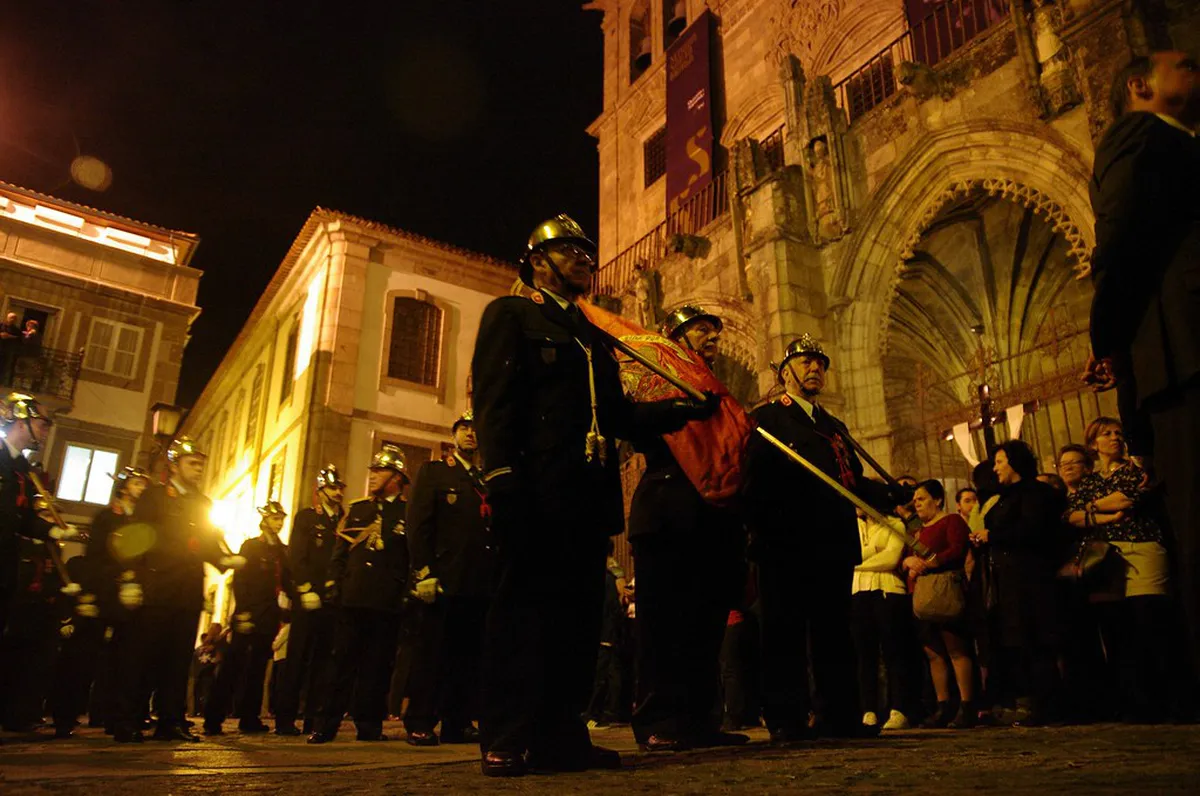
The centrepiece is the Procession of the Lord "Ecce Homo," in which the Farricocos — hooded figures in long dark robes — walk barefoot through the old town carrying lit torches. This tradition dates back centuries and is treated as a genuine act of penance, not a performance. Position yourself along the route near the Braga Cathedral to watch the procession emerge at its most atmospheric.
Book accommodation at least three months in advance for Holy Week — the entire city centre fills up quickly. Arrive early to secure a viewing spot along the procession route near the Cathedral; roads close to traffic during the main ceremonies.
In 2026 Holy Week runs from late March into April. Most businesses in the historic centre close on Good Friday afternoon, so stock up on provisions beforehand. Book accommodation at least three months in advance — the entire city centre fills up well before Easter week. A room within ten minutes' walk of the Sé is worth paying a premium for, because roads close to traffic during the main processions.
Braga Romana: Reliving Bracara Augusta
Every May, the city centre transforms into an open-air reconstruction of Bracara Augusta, the Roman provincial capital that once stood on this site. For four days — typically the third week of May — streets fill with vendors in Roman tunics, legionary parades, gladiator fights, and a market selling handmade goods using ancient craft techniques. The city's Roman heritage is internationally recognized, and this festival celebrates that legacy authentically. The event is free to attend and extremely family-friendly.
The food stalls are one of the highlights. Roasted meats, honey bread, and garum-seasoned dishes give a genuine sense of what street food tasted like in the Roman empire. Children can join supervised workshops that teach basic Latin or Roman-era board games. This is also a good time to pair the festival with a visit to the city's Roman ruins at the Bracara Augusta archaeological site, which lies just a short walk from the main festival zone.
In 2026 Braga Romana runs 21–25 May. Traffic into the historic centre is restricted on festival evenings, so arriving by train from Porto (45 minutes, roughly €3.50 each way) is the most practical option. The CP urban line drops you within ten minutes' walk of the main market squares.
Braga Romana is completely free to attend and extremely family-friendly, making it one of the most accessible festivals. The Roman food stalls are authentic and reasonably priced — budget €3–5 per item. The archaeological site and workshop activities are perfect for children aged 8–16.
São João de Braga: The City's Biggest Party
São João is the midsummer feast of Saint John the Baptist, celebrated on 23 and 24 June. It is the most energetic event in Braga's calendar and one of the most distinctive popular festivals in all of Portugal. The streets become a dense, joyful crowd of people carrying plastic hammers and garlic flowers, and strangers tap each other on the head as a good-luck gesture.
The fireworks display over the historic centre at midnight on 23 June is spectacular, and the best vantage point is the elevated walkway near the Arco da Porta Nova, where you get an unobstructed view over the rooftops without the worst of the crush. Arrive by 23:00 to secure a spot. For the hours beforehand, the food stalls along the main pedestrian streets sell bifanas (pork sandwiches in a sharp mustard sauce) for around €2.50 and are far better value than sit-down restaurants during the festival.
The night continues until dawn with live music across multiple stages. The official programme is published several weeks before the event at the São João de Braga website. For more context on this festival's national importance, Visit Portugal maintains detailed tourist information. Expect the city to be extremely crowded on both nights — if you want to explore without the peak crush, the celebrations along the residential streets in the Maximinos neighbourhood run just as enthusiastically but with far more breathing room than the tourist centre.
São João draws over a million people to Braga — expect extremely dense crowds, especially from 22:00 onwards. The city centre can become impassable. If you prefer to celebrate with breathing room, the quieter Maximinos neighbourhood runs just as enthusiastically with a fraction of the crush.
Hopen Beer Fest: Craft Beer in the Garden
Hopen Beer Fest is the main showcase for Portugal's growing craft beer scene, held in the Jardim do Campo das Hortas, a walled garden on the edge of the historic centre. The spring edition typically runs across a long weekend in May, offering an open-air atmosphere with dozens of national and international breweries pouring alongside food trucks and live music. Entry to the garden is free; beer is bought using a token system.
The token system works like this: you buy a branded tasting glass at the entrance (usually €4–5, which includes your first token), then purchase additional tokens in bundles of five or ten. Each pour costs one to two tokens depending on the strength of the beer. The glass is reusable across the weekend, so keep it with you. The spring garden edition skews toward lighter styles — session IPAs, wheat beers, and sours — which work well in the afternoon heat.
A winter edition moves indoors in December, usually to a larger venue near the city centre. That version leans into heavier stouts, barrel-aged ales, and winter seasonals. Both editions run live music in the evenings. For first-timers, the May edition in the garden is the better experience — the setting is genuinely beautiful, with the old city walls as a backdrop.
Vinho Verde Fest: Celebrating Regional Wine
Vinho Verde Fest takes place each July and brings together dozens of Minho producers in a central park for a weekend of tastings. The event is one of the best ways to understand the regional diversity within the Vinho Verde appellation, which most visitors only know as a single style. In practice, the denomination covers nine sub-regions, each producing wines with noticeably different character — the Moncão e Melgaço sub-region produces fuller, more aromatic Alvarinho-dominant wines, while the Lima and Câvado sub-regions tend toward lighter, high-acid blends built for immediate drinking.
The tasting card system is the practical key to the festival. Buy your card (usually €10–15 including a branded glass) as early in the day as possible, before the queues build at the entrance. Each card gives you a fixed number of tastings; additional cards can be purchased if needed. The best strategy for getting the most from the event is to visit the smaller, less-visited producers first in the late morning when crowds are thin, then return to your favourites in the early evening when the temperature drops.
Avoid the 14:00–17:00 window in July — the park offers limited shade and afternoon temperatures regularly exceed 30°C. Regional cheese and charcuterie stalls are scattered throughout the venue and provide good grounding between tastings. Many of the producers sell bottles to take away at cellar-door prices, which is significantly cheaper than retail.
| Festival | Month | What It Is |
|---|---|---|
| Semana Santa (Holy Week) | Late March–April | Solemn Easter processions with candlelight and torch-bearing traditions |
| Braga Romana | May (21–25) | Four-day Roman imperial reconstruction with costumes, gladiator fights, and ancient crafts |
| Hopen Beer Fest | May | Craft beer showcase in the historic walled garden with food trucks and live music |
| Vinho Verde Fest | July | Regional wine tasting with nine Minho sub-region producers in the central park |
| São João de Braga | June (23–24) | Midsummer celebration with fireworks, street parties, and all-night concerts |
| Noite Branca (White Night) | September (5–7 in 2026) | 48-hour cultural event with free concerts, art installations, and museums open until 03:00 |
| Encontros da Imagem | September–October | International photography festival with exhibitions in museums, galleries, and public spaces |
| Braga Natal | November–January | Christmas market, light installations, skating rinks, and holiday concerts |
Noite Branca: 48 Hours of Culture
Noite Branca — White Night — takes over the entire city for 48 hours every September. Everyone dresses in white, and the city responds by filling its streets, squares, and public buildings with free concerts, theatrical performances, light installations, and late-night museum openings. In 2026 it runs 5–7 September. The event draws over one million visitors across the weekend and is one of the largest free cultural events in Portugal.
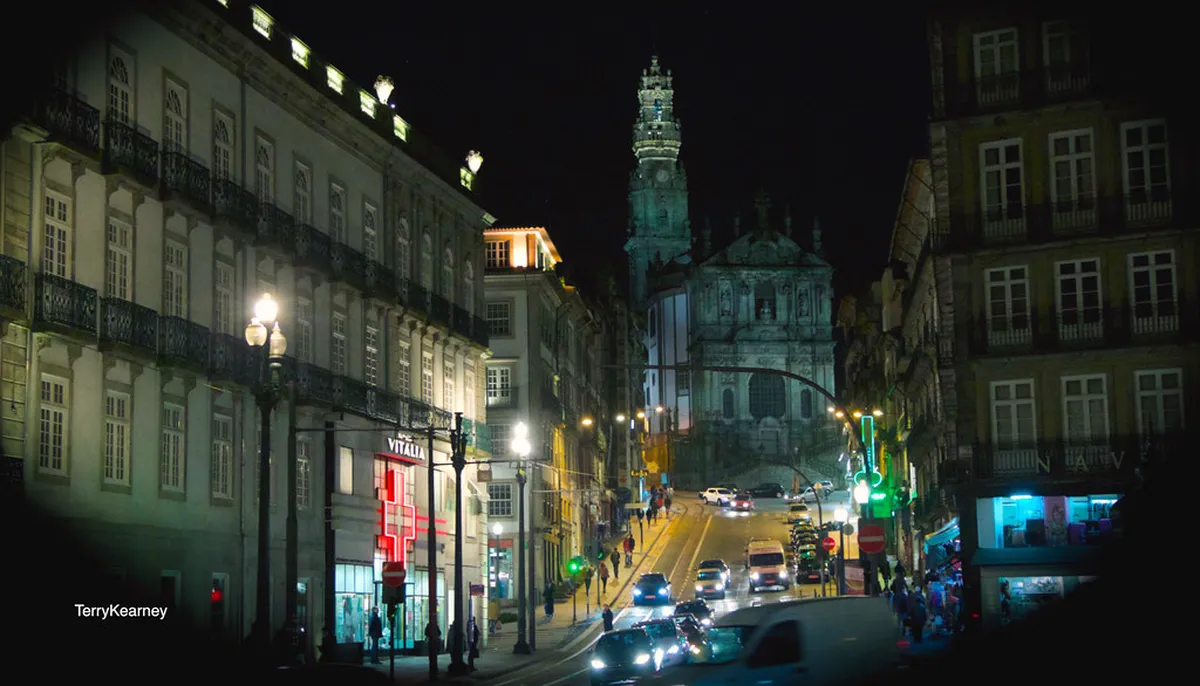
The main concert stages are set up along the Avenida da Liberdade and in the Práca da República, with smaller stages in surrounding squares. The Theatro Circo and several museums extend their opening hours until 03:00 or later with special programming. The key planning decision is which stages to prioritise — the main boulevard hosts the biggest names but also the densest crowds, while the side-street stages in the old town offer more relaxed conditions and often more interesting acts.
Public transport runs extended services and discounted fares during the event. Taking a bus or the urban train from a neighbouring town is significantly easier than driving — road closures affect the entire historic centre from Friday evening through Sunday. Pack white clothing, a portable charger, and cash for food stalls, since card readers struggle with coverage in dense crowds. Museum and monument entry during Noite Branca is free, so the Museu dos Biscaínhos and the archaeological museum are worth including in your route.
Encontros da Imagem: International Photography Festival
Encontros da Imagem is Braga's international photography festival and one of the most underrated events on its calendar. It runs across several weeks each autumn, usually September into October, with exhibitions spread across museums, galleries, and unexpected public spaces throughout the city — empty shopfronts, church vestibules, covered markets, and open courtyards all serve as exhibition venues. Entry to most exhibitions is free.
What distinguishes Encontros da Imagem from similar events in larger cities is its use of the city itself as a gallery. Works by emerging and established photographers from across the world appear in locations you would walk past without a second glance on any other visit. The festival map — available at the tourist office and at most venues — is essential for navigating the programme efficiently. Workshops and talks run alongside the exhibitions and are open to the public, usually at low or no cost.
For visitors who arrive primarily for São João or Noite Branca, Encontros da Imagem is worth planning a return trip around. The quieter pace of a photography festival in an ancient city is a genuinely different experience from the summer events — and accommodation is far easier to find and book at short notice in September and October.
Braga Natal: Christmas and New Year Traditions
The Braga Natal programme runs from late November through to early January, turning the city centre into a sequence of light installations, Christmas markets, and open-air skating rinks. The decorations along the main shopping streets are reliably excellent, and the programme includes concerts and theatre performances at various venues across the city throughout December.
One of the most distinctive local customs is the Bananeiro tradition on Christmas Eve. Locals gather at a specific shop in the city centre to eat a banana and drink Muscatel wine together before heading home for the family meal. It is a convivial, very local gathering that has become one of the city's most beloved winter rituals. If you are in Braga on 24 December, it is worth seeking out — it encapsulates the warmth of Minho social culture in a single tradition.
For food, look for Bolo Rei in any bakery from early December. This sweet, fruit-laden bread is the central pastry of the Portuguese Christmas season, and Braga's bakeries — particularly the older traditional ones in the historic centre — produce excellent versions. The Christmas market offers handmade crafts and local food products that are genuinely useful as gifts, unlike the generic merchandise found at larger European markets.
Theatro Circo: High Culture and Annual Programming
Theatro Circo is Braga's most important performing arts venue and one of the finest concert halls in Portugal. The building dates from 1915 and retains a Belle Époque interior with ornate plasterwork, a tiered horseshoe auditorium, and original detailing throughout. Its annual programme covers opera, classical music, contemporary dance, theatre, and film, running from September to June.
In 2026 the theatre's programming continues to reflect Braga's status as Portuguese Capital of Culture, a designation the city held in 2025 and whose cultural momentum has carried into the current year. The programming this season is notably more international than in previous years, with visiting companies from across Europe alongside resident Portuguese productions. Tickets sell quickly for weekend performances — check the official website as soon as dates are announced and book before you travel.
Even if you do not attend a performance, the building is worth a brief visit. Guided tours run during the day and take in the auditorium, backstage areas, and the rooftop terrace with its view over the historic centre. The tour costs around €5 and lasts approximately 45 minutes.
Regional Day Trips: Barcelos and Ponte de Lima Fairs
The towns surrounding Braga host their own fairs and festivals that are well worth building into any extended stay. Both Barcelos and Ponte de Lima are reachable by bus or car in under 45 minutes from Braga's city centre. These 10 Best Day Trips From Braga: The Ultimate Minho Guide give you access to a different register of Minho culture — quieter, more local, and less tourist-oriented than the city's flagship events.
The Barcelos market is the largest traditional market in Portugal and runs every Thursday in the Campo da República. It covers an enormous area and is best visited in the morning, when the full range of stalls is open and the crowds are manageable. This is the best place in the region to buy handmade ceramics, including the iconic Portuguese rooster. It is primarily a ceramics and produce market rather than a crafts fair — expect working pottery and fresh vegetables alongside tourist pieces.
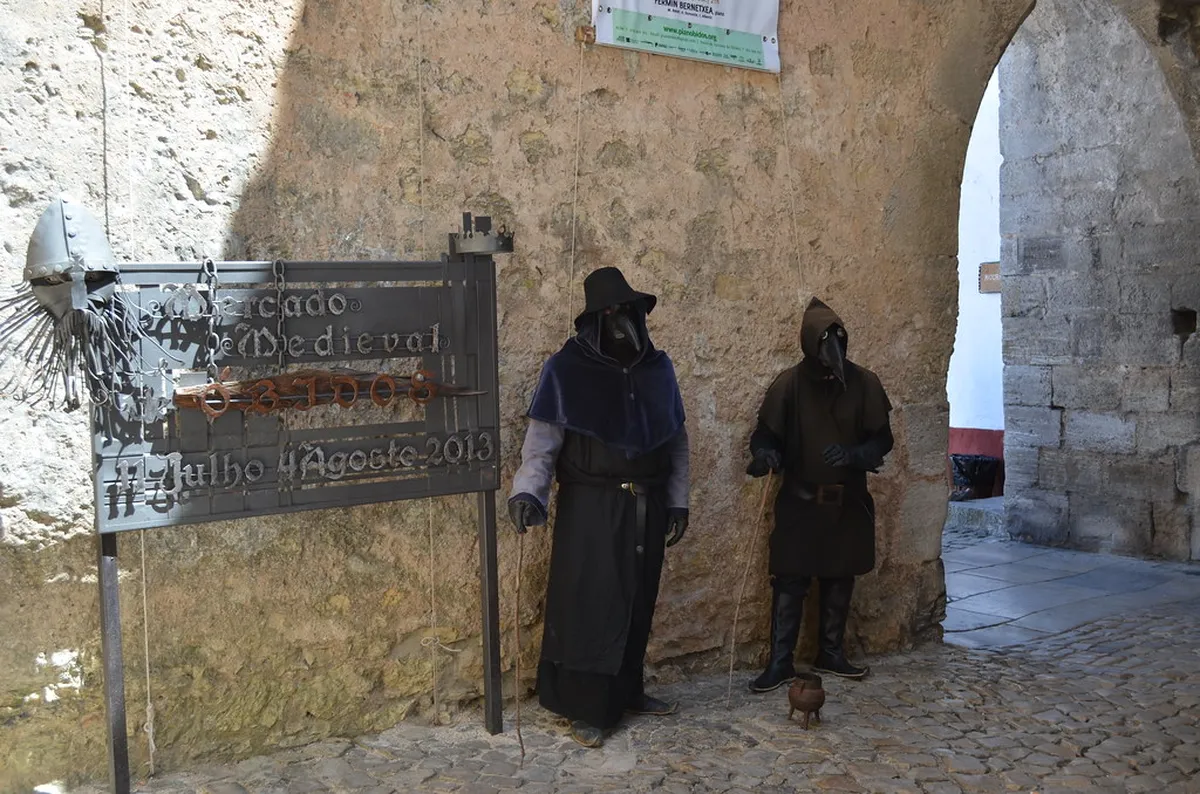
Ponte de Lima hosts a medieval festival each summer along the banks of the Lima River, with costumed performers, archery, blacksmithing demonstrations, and regional food stalls. The town's biweekly Monday market, one of the oldest in Portugal, is also worth attending — it focuses on antiques and second-hand goods and draws serious collectors alongside casual browsers. For souvenirs, Barcelos beats Ponte de Lima on ceramics; Ponte de Lima is better for antiques, linen, and handwoven textiles.
Planning Your Trip: Logistics, Transport, and Accommodation
Deciding Where to Stay in Braga: 10 Essential Planning Tips and Areas is the first logistical decision for any festival trip. A room in the historic centre is the most convenient base — it puts you within walking distance of every major venue and removes the need for late-night transport after events. That said, central accommodation books out months in advance for São João, Braga Romana, and Noite Branca. For Holy Week, book at least four months ahead.
The train from Porto is the easiest way to arrive. Urban trains run every 20–30 minutes during the day and take approximately 45 minutes; the fare is around €3.50. During major events like Noite Branca, extra services run late into the night. Braga's bus network covers the city effectively and is free or heavily discounted during some festival periods — check the TUB (Transportes Urbanos de Braga) website for event-specific service information.
For the city's biggest events, keep these practical points in mind. Wear comfortable shoes — Braga's historic centre is almost entirely cobblestone, and you will walk several kilometres during any festival day. Carry a small amount of cash, since food stalls and some smaller vendors at markets do not accept cards reliably. A portable power bank is essential for long days out when you are using navigation and checking event programmes on your phone.
Frequently Asked Questions
What is the biggest festival in Braga?
São João is the largest and most popular festival in the city. It takes place every June with massive street parties and traditional music. Thousands of people gather to celebrate with plastic hammers and fireworks.
When is the Roman festival in Braga?
Braga Romana usually occurs during the month of May each year. This four-day event transforms the city center into an ancient Roman market. You can see historical reenactments and enjoy traditional food.
Is Braga worth visiting during Holy Week?
Yes, it is one of the most significant times to experience the city's religious heritage. The processions are world-famous for their solemn beauty and historical importance. For more advice, check our 10 Essential Braga Travel Tips: The Ultimate Guide to make the most of your stay.
What happens during Noite Branca in Braga?
Noite Branca is a 48-hour cultural event where everyone wears white clothes. The city hosts free concerts, art installations, and late-night museum openings. It is a vibrant celebration of art and music.
Braga's festival calendar runs from Holy Week in spring through Christmas in winter, with no significant gap between events. The city rewards repeat visits because each festival offers a genuinely different experience — there is very little overlap between the solemnity of Semana Santa and the exuberance of São João, or between the craft focus of Braga Romana and the contemporary culture of Noite Branca. Planning your visit around one or two anchor events, then filling in with the surrounding calendar, is the most satisfying way to experience what this city consistently delivers.
See our Braga attractions guide for the broader overview.