
10 Best Guimaraes Festivals and Events (2025-2026)
Discover the best guimaraes festivals and events with our guide. Explore historical fairs, music festivals, and local traditions with expert planning tips.
On this page
10 Best Guimaraes Festivals and Events
Having walked the medieval cobblestones of Northern Portugal during the drum-heavy Nicolinas, I can attest that this city breathes through its traditions. Many travelers wonder Is Guimarães Worth Visiting? My Honest Portugal Review during the quieter months, but the answer often lies in the local calendar. The city transforms into a living stage where history and modern art collide in spectacular fashion. This guide was refreshed in June 2026 to ensure you have the most current dates for your travels.
Guimarães is often called the birthplace of Portugal, and its festivals reflect a deep pride in national identity. From the rhythmic thumping of student drums in December to the vibrant flower parades in August, there is always a reason to celebrate. Understanding the timing of these events is crucial for a successful trip, especially when considering the 10 Best Tips for Timing Your Visit to Guimarães for your interests.
Guimaraes Festivals and Events: The Full Year Calendar
The cultural heart of Guimarães beats loudest during its annual celebrations, which draw visitors from across the Minho region. Most of these events are deeply rooted in the city's historic center, a UNESCO World Heritage site that provides a stunning backdrop. You should check the official municipal events page for specific dates as they can shift slightly each year. Planning your visit around these dates requires early booking for accommodation and dining.
The following list covers the most significant gatherings in 2026, ranging from centuries-old religious processions to cutting-edge jazz performances. Each event offers a unique window into the local soul, whether through food, music, or traditional costumes. Prepare for large crowds during the summer months when the city reaches its peak energy. Local residents take these traditions seriously, so expect a high level of community participation and enthusiasm.
| Festival / Event | Dates (2026) | What Happens |
|---|---|---|
| Feira Afonsina Medieval Fair | Mid-June (4 days) | Medieval combat reenactments, period crafts, food stalls with 12th-century recipes. Castle grounds and Palace of the Dukes. |
| Manta Garden Concert Series | July (select evenings) | Indie and folk music on the lawn at Vila Flor Cultural Center gardens. Relaxed, outdoor setting. |
| Festas Gualterianas | 1–3 August | Three signature parades: Linen Parade (Friday), Battle of the Flowers (Saturday), Gualterian March (Sunday). Free to spectate. |
| Westway LAB Music Conference | April | European emerging talent showcase. Daytime professional panels; evening public showcases across the city. |
| Guimarães noc noc Art Festival | October | Open-studios event. Private homes, shops, and squares converted to free galleries. No jury, no competition. |
| Guimarães Jazz International Festival | November (2 weeks) | Over 30 years old. Headline performances at Vila Flor Cultural Center. Over 30 acts, headline tickets €15–35. |
| Festas Nicolinas | 29 November–7 December | Nine named student festivities (Números Nicolinos). Centerpiece: Pinheiro drum parade 29 Nov midnight–dawn. Free street events. |
| Holy Week Processions | Maundy Thursday & Good Friday | Torch-lit marches through historic center. Free to watch. Respectful silence required—serious spiritual events. |
| Christmas in the Historic Center | Late November–December 24 | Illuminations and daily market at Largo da Oliveira. Free viewing; mulled wine and local sweets €2–5 per item. |
| Luz d'Aço Summer Arts | Summer (warm months) | Multidisciplinary: theater, dance, visual arts in outdoor public squares. Most performances free. |
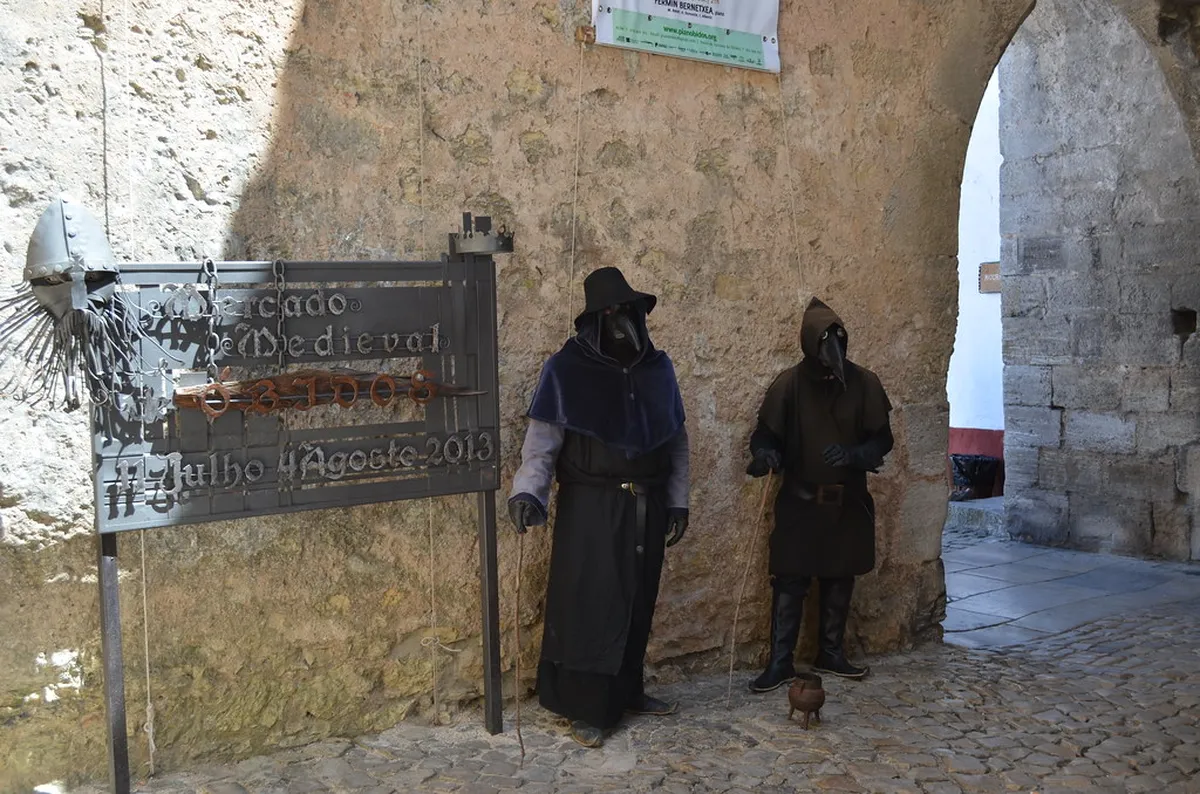
- Feira Afonsina Medieval Fair — held in June around the castle grounds and Palace of the Dukes. Free entry; visitors can watch medieval combat reenactments, browse period crafts, and eat at food stalls serving 12th-century recipes. The four-day event typically runs mid-June.
- Festas Gualterianas — the city's biggest summer festival, first weekend of August (in 2026, expect 1–3 August). Free to attend; the three signature parades are the Linen Parade, the Battle of the Flowers, and the Gualterian March.
- Manta Garden Concert Series — July evenings at the Vila Flor Cultural Center gardens. Relaxed indie and folk music on the lawn; tickets around €10 per night. Arrive an hour early for a good spot.
- Westway LAB Music Conference — April showcase for emerging European talent. Daytime industry panels are for professionals; evening showcases across the city are public and affordable (bundle passes from around €20).
- Guimarães noc noc Art Festival — October open-studios event that turns private homes, shops, and squares into free galleries. No jury, no competition — the map and signage are distributed free at the event. See past editions at the official video channel.
- Guimarães Jazz International Festival — two weeks in November at the Vila Flor Cultural Center. Over 30 years old; tickets for headline performances run €15–35. Book several months in advance as the theater fills quickly.
- Festas Nicolinas — the student festivities that run 29 November–7 December. The centerpiece drum parade (Pinheiro) begins just before midnight on November 29th and continues until dawn. All street events are free.
- Holy Week Processions — Maundy Thursday and Good Friday torch-lit marches through the historic center. Free to watch; maintain a respectful silence as these are serious spiritual events.
- Christmas in the Historic Center — illuminations and a small daily market at Largo da Oliveira from late November through December 24. Visiting the lights is free; mulled wine and local sweets cost a few euros at the stalls.
- Luz d'Aço Summer Arts — a multidisciplinary festival spanning theater, dance, and visual arts in outdoor public squares during warmer months. Most performances are free; check the local tourism office for the annual schedule.
Festas Gualterianas: What Actually Happens Each Day
The Gualterianas began as free fairs in honor of Saint Gualter in 1906 and have grown into the biggest street event in the Minho. In 2026 the main weekend falls on 1–3 August. Thousands of locals and visitors fill the city where Portugal was born to watch the three signature processions, all of which are free to spectators.
The Linen Parade (Cortejo do Linho) on Friday evening showcases traditional flax-processing crafts in costume, a nod to the textile heritage of the region. Saturday brings the Battle of the Flowers (Batalha das Flores), where elaborately decorated floats move through the city throwing petals into the crowd — arrive by 21:00 to secure a pavement spot near Largo do Toural. The weekend closes on Sunday with the Gualterian March (Marcha Gualteiriana), a solemn and melodic procession with brass bands and lanterns that ends near the castle walls.
Carnival rides and food stalls operate throughout the three days and require individual payments; budget €15–25 per person for food, drinks, and fairground attractions. The city center is closed to traffic from Friday afternoon, so use the peripheral car parks on Rua do Doutor José Sampaio and walk in. Most hotels within five blocks of Largo da Oliveira sell out by May for this weekend.
The Battle of the Flowers on Saturday evening is the most visually spectacular parade — floats toss thousands of flower petals into the crowd. Arrive by 21:00 (9 PM) at Largo do Toural to claim a good viewing spot, as the pavement fills quickly with locals and tourists.
Book restaurant tables in advance for the Gualterianas weekend (2–3 weeks ahead). Spots in main squares have hour-long wait times during peak hours. Head one street back from Largo da Oliveira for quieter, cheaper options with shorter service times.
The Nicolinas: A Day-by-Day Guide No Competitor Gives You
The Festas Nicolinas run from 29 November to 7 December and are structured around nine named events called Números Nicolinos. This format — unique to Guimarães — means the week is not a single event but a sequence of distinct rituals, each with its own location, mood, and practical demands for spectators. Most guides mention the Pinheiro drum parade; almost none explain the full structure.
The opening Pinheiro on the night of 29 November is the most famous: University of Minho students carry a pine tree through the streets to the beat of bass drums from before midnight until dawn, starting near the university campus on Rua do Castelo. Earplugs are genuinely useful — the sound level on narrow streets is well above conversation level. The Serenata on 30 November moves to Largo da Oliveira for sung poetry; it is the quietest and most atmospheric number, starting around 21:00. The Enterro da Gata (Burial of the Cat) on 3 December is a satirical procession where students mock-mourn the end of semester exams — irreverent and funny, free to watch.
The festivities close on 7 December with the Queima do Pinheiro (Burning of the Pine), where the tree from the opening night is ceremonially burned in a square near the historic center. The whole cycle is organized by the Academic Association of the University of Minho; dates are fixed (29 Nov–7 Dec) every year regardless of which days they fall on. For visitors who can only attend one night, Saturday 29 November (Pinheiro) is the crowd draw; for those who prefer atmosphere over volume, the Serenata on 30 November is the better choice.
The Pinheiro drum parade runs from just before midnight on 29 November until dawn on 30 November. If you plan to stay for the full parade, find a spot near Rua do Castelo (start point near the University of Minho campus) by 23:30. The drum sound is intense—bring earplugs if you are noise-sensitive, and wear sturdy shoes for standing on uneven cobbles for hours.
Must-See Guimaraes Attractions During Festival Season
When visiting for a festival, you should still prioritize the iconic 9 Essential Tips for Visiting Guimarães Castle as it often serves as a focal point. The castle walls offer a panoramic view of the festivities happening in the streets below. While the castle is the most famous landmark, the nearby Palace of the Dukes of Braganza offers more shade during hot August festivals. Both sites are essential stops for anyone following a old town walking guide.
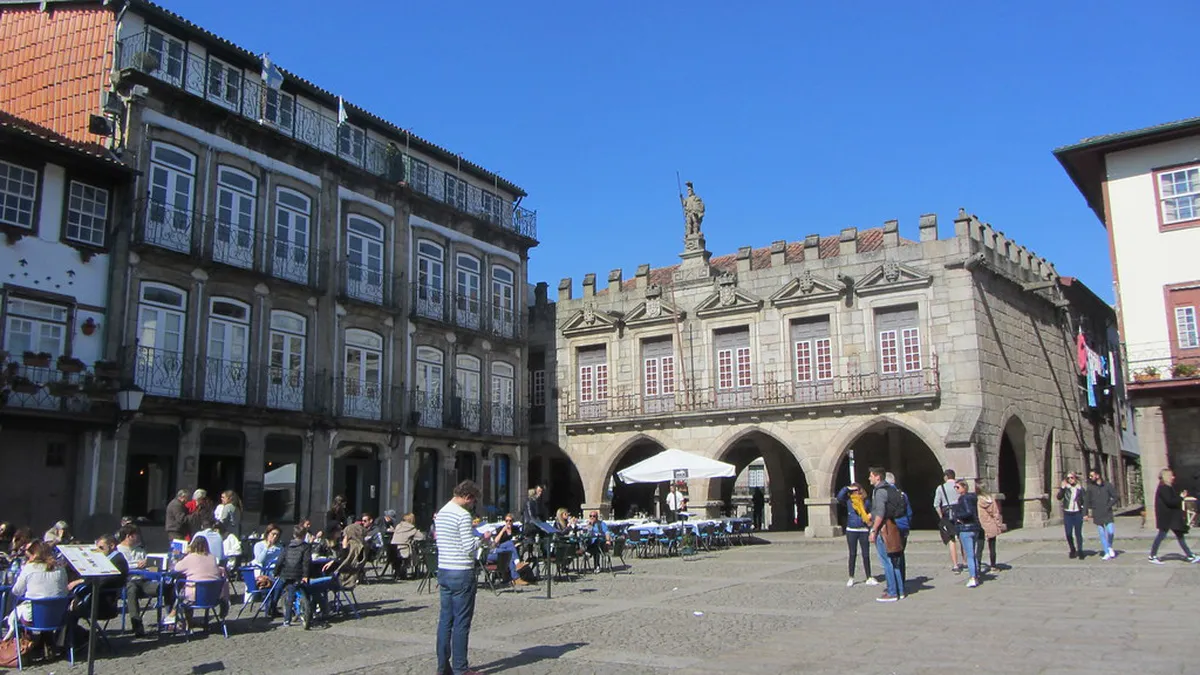
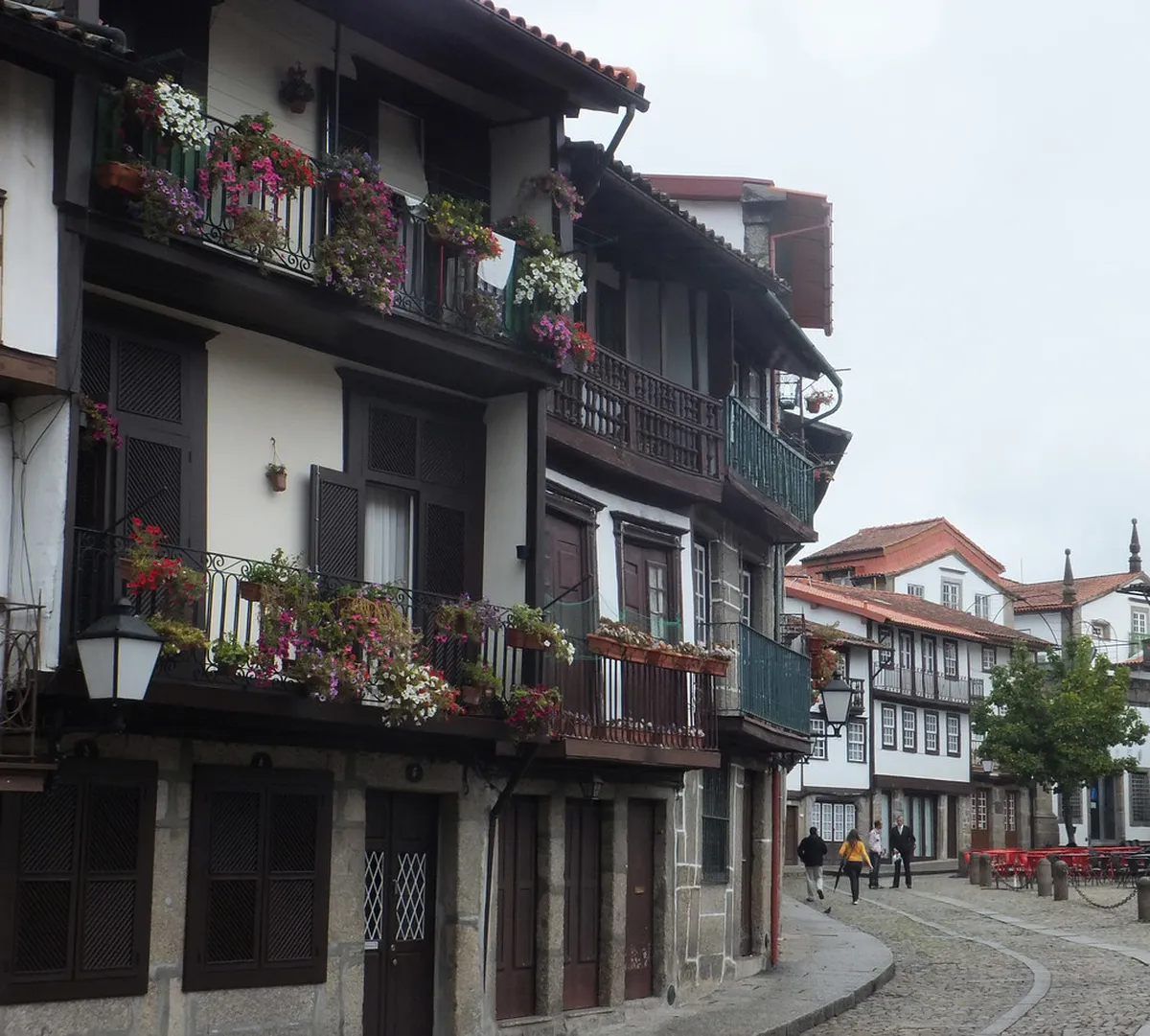
The Largo da Oliveira and Praça de Santiago squares are the beating hearts of the city's social life. During major events, these squares fill with temporary stages and outdoor seating for local restaurants. Skip the restaurants in these main squares during peak festival nights unless you have a reservation — service can slow to over an hour, and the noise makes conversation difficult anyway. The best tables are one street back, where prices are lower and the atmosphere is calmer.
For a break from the noise, the Mount Penha cable car provides a quick escape to a cooler, forested environment. The view from the top is spectacular, especially when the city is illuminated for evening celebrations. The cable car typically operates until 19:00, though hours may extend for special events — confirm at the station. A round-trip ticket costs around €8 per adult.
Parks, Gardens, and Outdoor Spots in Guimaraes
The Vila Flor Cultural Center gardens are the single best green space in the city for festival-goers. The Manta concert series and several Luz d'Aço performances happen here in summer, but even on non-event days the gardens are open and free to walk through. The landscaping is formal Portuguese style — clipped box hedges, gravel paths, and a central fountain — and the temperature under the canopy is several degrees cooler than the castle square on August afternoons.
The Jardins de Camélias (Camellia Gardens) on the southern edge of the historic center bloom in late winter and are at their best from February to April, coinciding with Holy Week. Entry is free. This is where locals go on Sunday mornings when the main squares fill with tourists, and it is worth at least 30 minutes of your time for the quiet and the scent alone.
If you have a car, the Peneda-Gerês National Park is 45 minutes north of Guimarães and offers waterfalls, granite trails, and wolf-spotting routes that provide a complete change of pace from the cobbled city. This makes a strong half-day add-on before or after an August festival weekend, when daytime city temperatures climb above 30°C and shade is scarce in the historic center.
Museums, Art, and Culture in Guimaraes
The Alberto Sampaio Museum is a must-visit for those interested in the religious history that fuels many local festivals. Located in a beautiful cloister, it houses the tunic worn by King João I at the Battle of Aljubarrota. The museum is open Tuesday through Sunday, generally from 10:00 to 18:00, with tickets priced around €5. Exploring these 10 Hidden Gems in Guimarães to Discover provides context for the traditions you see in the streets.
Contemporary art lovers should head to the Platform for Arts and Creativity, which houses the CIAJG museum (Centro Internacional das Artes José de Guimarães). This modern space contrasts sharply with the medieval surroundings and features African and pre-Columbian art collections. The building itself was once a marketplace and now stands as a symbol of the city's cultural renewal. Admission is typically free on certain Sunday mornings — check the official schedule before visiting.
The Casa da Memória de Guimarães is worth an hour for its deep-dive into local identity, identity politics, and the city's self-perception as Portugal's founding place. It is smaller and less visited than the Alberto Sampaio Museum, which means shorter queues during festival weekends. The Vila Flor Cultural Center is the primary venue for high-end theater and music throughout the year and also hosts free exhibitions in its contemporary wing.
Family-Friendly and Budget-Friendly Options in Guimaraes
The majority of Guimarães' signature festivals are free to attend as spectators. The Gualterianas, the Nicolinas street events, the noc noc art walk, and the Holy Week processions all cost nothing beyond getting to the city. For families with children, the Feira Afonsina medieval fair is the most accessible paid-entry event — the combination of costumes, jousting demonstrations, and craft stalls holds attention across age groups, and a family of four can cover the full event for under €20.
Budget accommodation is available in several hostels within 10 minutes' walk of the historic center. Prices during non-peak festival weekends (everything except Gualterianas and Nicolinas) typically run €18–30 per bed in a dorm or €60–80 for a private double. During the Gualterianas first weekend of August, prices roughly double — book four to six months ahead for the best rates.
Eating cheaply is easy outside the main squares. A lunch menu (prato do dia) at a working-men's tasca on Rua de Santa Maria or Rua do Gravador Molarinho typically costs €7–9 including soup, main, and drink. The bacalhau à Braga (salt cod with onions and potatoes) is the regional default and is almost always the best-value item on any fixed menu. Avoid the tourist menus in Largo da Oliveira, which charge €15–20 for similar food.
What's the weather like in Guimaraes?
Weather plays a significant role in how you experience Guimarães festivals and events throughout the year. August is the hottest month, with temperatures often climbing above 30°C (86°F) during the Festas Gualterianas. It is vital to stay hydrated and wear sun protection if you are attending the afternoon parades. The evenings remain warm, making it the perfect time for outdoor concerts and late-night dining.
In contrast, the winter months can be quite damp and cool, particularly during the Nicoline festivities in late November and early December. Temperatures at night can drop to 5°C (41°F), so layering is essential for staying comfortable outdoors. The rain does not stop the drumming, but it does mean you should pack a sturdy waterproof jacket and waterproof shoes — the granite cobbles become slippery when wet.
Spring and autumn offer the most temperate conditions for exploring the city's outdoor attractions and smaller fairs. June is particularly pleasant for the Feira Afonsina, with mild days (18–22°C) and cool, crisp evenings. You will find fewer crowds during these shoulder seasons, allowing for a more relaxed pace. Always carry a small umbrella, as Northern Portugal is known for its sudden, brief rain showers year-round.
How to Plan a Smooth Guimaraes Attractions Day
To make the most of your time, download the Guimarães Turismo app for real-time event updates. The Câmara Municipal de Guimarães provides excellent digital resources for navigating road closures during festivals — check the official municipal calendar before you arrive. Parking in the city center is nearly impossible during major events like the Gualterianas. Use the large peripheral car parks and walk into the historic core — it is rarely more than a 15-minute walk.
If you only have a One Day in Guimarães Itinerary Travel Guide, focus on the castle and one main square. Trying to see everything during a festival day can be overwhelming and physically exhausting. Follow some basic Guimaraes Travel Tips Travel Guide like wearing sturdy walking shoes for the uneven cobbles. The city is very walkable, but the incline toward the castle can be taxing in the midday heat.
Booking your meals in advance is the single most important tip for festival visitors. Many local favorites fill up weeks ahead of the Nicolinas or the Medieval Fair. Look for small tascas slightly outside the main squares for a more authentic and less crowded experience — these spots often serve the best traditional dishes at more reasonable prices.
All road trips from Guimaraes
If you have extra time, several excellent Day Trips From Guimaraes: 3-Day Minho Itinerary offer their own unique events. The ancient ruins of Citânia de Briteiros are just a 15-minute drive away and provide a hauntingly beautiful historical experience. You can find the exact location on Google Maps to plan your driving route. This site is best visited in the morning before the sun becomes too intense.
The neighboring city of Braga is famous for its elaborate Holy Week celebrations and the massive São João festival in June. Braga is only 25 minutes away by car or train, making it an easy addition to your Northern Portugal itinerary. Trains run frequently between the two cities and cost under €4 one-way.
Porto is also within easy reach for those looking for larger-scale music festivals. The São João festival in Porto on 23 June is one of Europe's largest street parties. Staying in Guimarães and taking the train to Porto for the day is a popular way to avoid Porto's higher hotel prices. The last train back to Guimarães usually departs around 23:00 — check the CP rail timetable before you go.
Frequently Asked Questions
Which guimaraes festivals and events options fit first-time visitors?
First-time visitors should prioritize the Festas Gualterianas in August or the Feira Afonsina in June. These events offer the most visual spectacle and a broad range of activities that showcase the city's historical and cultural identity.
How much time should you plan for guimaraes festivals and events?
You should plan at least two full days to enjoy a major festival without feeling rushed. This allows enough time to see the main processions and still visit the castle and museums at a comfortable pace.
What should travelers avoid when planning guimaraes festivals and events?
Avoid driving into the city center during festival weekends as road closures and heavy traffic are guaranteed. Additionally, do not arrive at popular events without a restaurant reservation, as wait times can exceed two hours.
Guimarães festivals and events offer a rare opportunity to see Portuguese culture in its most authentic and vibrant form. Whether you are drawn by the thunderous drums of the Nicolinas or the medieval charm of the Feira Afonsina, the city never fails to impress. By planning ahead and respecting local traditions, you will gain a much deeper appreciation for the Cradle City of Portugal.
I encourage you to step off the main tourist path and join the locals in their celebrations. The memories of a sunset concert in the Vila Flor gardens or a torch-lit procession through the medieval streets will stay with you long after you leave.
Pair this with our main Guimarães things-to-do guide to plan the rest of your visit.
 10 Essential Guimarães Restaurants to Try (2026)June 8, 2026
 Guimaraes Travel Tips Travel GuideJune 8, 2026