7 Essential Things to Do in Anjos, Lisbon
Discover why Anjos is Lisbon's coolest neighborhood with our guide to top attractions, community kitchens, indie shops, and essential safety tips.
On this page
7 Essential Things to Do in Anjos, Lisbon
Anjos is a neighborhood where traditional Portuguese life collides with one of the most genuinely multicultural communities in Western Europe. For years it sat in the shadow of more famous Lisbon districts, overlooked by guidebooks and ignored by tour operators. That era is over.
Today Anjos draws travelers who want to see the city as it actually lives — street art on century-old azulejo walls, Nepalese restaurants next to old-school tascas, fado echoing from a community hall. The grit is still there, and that is precisely the appeal.
Explore our Lisbon's essential neighborhoods to see how Anjos compares to the rest of the city's emerging districts. What you will find here goes well beyond the standard tourist circuit.
Why Anjos Is Lisbon's Most Interesting Neighborhood in 2026
In 2025, Time Out ranked Anjos among the world's coolest neighborhoods — a recognition that felt obvious to anyone who had spent an afternoon on Rua do Benformoso. The neighborhood earned that distinction not through gentrification polish but through the persistence of its residents. Artists, immigrants, longtime Lisboetas, and students share the same streets without any single group overwhelming the others.
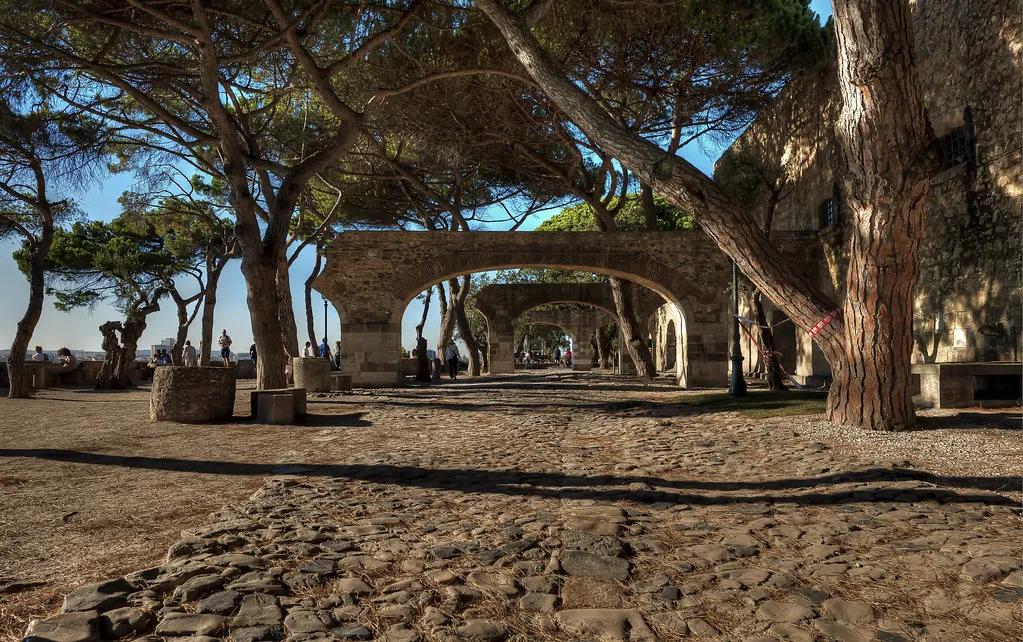
The key to understanding Anjos is its position. It sits between the hilltop drama of Graça and the Moorish roots of Mouraria, close enough to both that its character absorbs something from each. Yet it has developed its own identity, built around community institutions, bottom-up creative projects, and a food scene that outpunches its reputation. In 2026, it remains one of the few central Lisbon neighborhoods where the average meal costs under €8 and the loudest sound in the evening is still conversation rather than amplified DJs.
The transformation accelerated after the renovation of Intendente square, which sits on the neighborhood's western edge. That project seeded confidence across the wider Anjos corridor and encouraged a wave of new openings — coffee shops, concept stores, cultural spaces — that filled vacant ground floors without displacing the older economy. Both layers now coexist, and that layering is exactly what makes the area worth a full half-day.
Intendente Square: The Heart of the Anjos Corridor
Praça do Intendente Pina Manique is the geographic and symbolic anchor of the neighborhood. Twenty years ago it was one of the more troubled public spaces in the city. Today it is a wide, sun-facing square lined with painted tile façades, outdoor café tables, and the ornate Viúva Lamego tile shop — an institution operating since 1849. The square is the obvious starting point for any Anjos itinerary.
Viúva Lamego deserves a slow visit even if you have no intention of buying anything. The interior is a working showroom of Portuguese azulejo craft, with hand-painted panels covering every wall and a studio where you can watch tiles being produced. It is one of the last places in Lisbon where traditional tile manufacturing and retail happen under one roof. Entry is free.
The square itself hosts occasional markets and open-air film screenings in summer. Arrive around 17:00 on a weekday and you will find the benches full of neighborhood life — retired men playing cards, teenagers on their way home from school, café owners pulling chairs out for the golden hour. It is a free, unhurried window into the district's daily rhythm. The nearest metro station is Intendente on the Green Line, a two-minute walk away. Visit Lisboa has current event listings for the square.
The Multicultural Identity: Cape Verde, Nepal, and Beyond
Anjos has been a point of arrival for successive waves of migration since the 1960s, when workers from the former Portuguese colonies — Cape Verde, Angola, Mozambique — settled in Lisbon's central neighborhoods. Their presence shaped everything from the music in bars to the produce sold in corner shops. That Cape Verdean and lusophone African heritage is still the cultural backbone of the community, most visible in the informal social clubs and in the rhythms that drift out of windows on warm evenings.
Layered on top of that older story is a more recent Nepalese community concentrated along Rua do Benformoso. The street has earned an unofficial nickname — Little Kathmandu — and for good reason. A dozen Nepalese and South Asian restaurants operate within a few hundred metres, most serving full thali meals for €6–8 at lunch. Restaurants such as Everest, New Everest, and Himalaya have been operating for years and source ingredients from a cluster of South Asian grocers nearby. This is some of the most affordable and least-hyped ethnic food in central Lisbon, and most visitors to the city never find it.
Chinese, Bangladeshi, and Brazilian communities have added further layers, and the result is a food-shopping culture that feels closer to a mid-sized immigrant neighbourhood in London or Paris than to a southern European capital. Walking through the market stalls on a Saturday morning, you can buy dried bacalhau, fresh cassava, momos, and naan bread within the same five-minute stretch. That everyday plurality is the neighborhood's most distinctive quality and the thing competitors most consistently fail to describe in useful detail.
For context on how this multicultural identity fits Lisbon's broader history, the Wikipedia entry on Anjos provides a solid overview of the parish's demographic evolution.
Street Art and Tile Façades: Walking the Visual Layer
Anjos is one of the best free outdoor galleries in Lisbon. The street art here is not the sanitised mural-tourism you find in Mouraria or Bairro Alto — much of it emerged organically over the past decade from local artists and collectives who treated the neighborhood's vacant walls as a canvas. Several large-scale pieces along Rua dos Anjos and the side streets off Rua Morais Soares show sophisticated work: figurative murals, geometric abstracts, and political stencil art that comments directly on gentrification pressure.
The visual layer does not stop at spray paint. The district has one of the highest concentrations of original azulejo façades still intact on residential buildings, partly because property prices here lagged behind Alfama and Mouraria long enough to prevent the wholesale renovation that strips tiles off. Rua do Benformoso and the steep alleys above it are particularly rewarding for tile-spotters: look for the asymmetric geometric patterns in teal and white that date from the early twentieth century. These are not tourist-curated — they are just the walls of apartment buildings.
A practical walk: exit Anjos Metro, head north on Rua dos Anjos for three blocks, then loop east through the backstreets toward Rua Morais Soares. The circuit takes about 45 minutes at a slow pace. You do not need a guided tour, though local operators occasionally run street-art walking routes that include private studio visits if you want more context. Check with the Anjos 70 cultural space for upcoming guided walks, as they organise community tours several times per year at no fixed cost.
Where to Eat: Tascas, Community Kitchens, and Little Kathmandu
The most talked-about dining institution in Anjos is RDA — Regueirão dos Anjos — a non-profit community kitchen at Rua do Forno do Tijolo 26A. Meals here run €2.50 to €5.00 and the space prioritises social inclusion: you will eat alongside neighbours, students, and travellers at communal tables. Sunday evenings are known for a pizza social that draws a mixed crowd. It is not a restaurant in the conventional sense; it is a social project that happens to feed you very well for very little money.
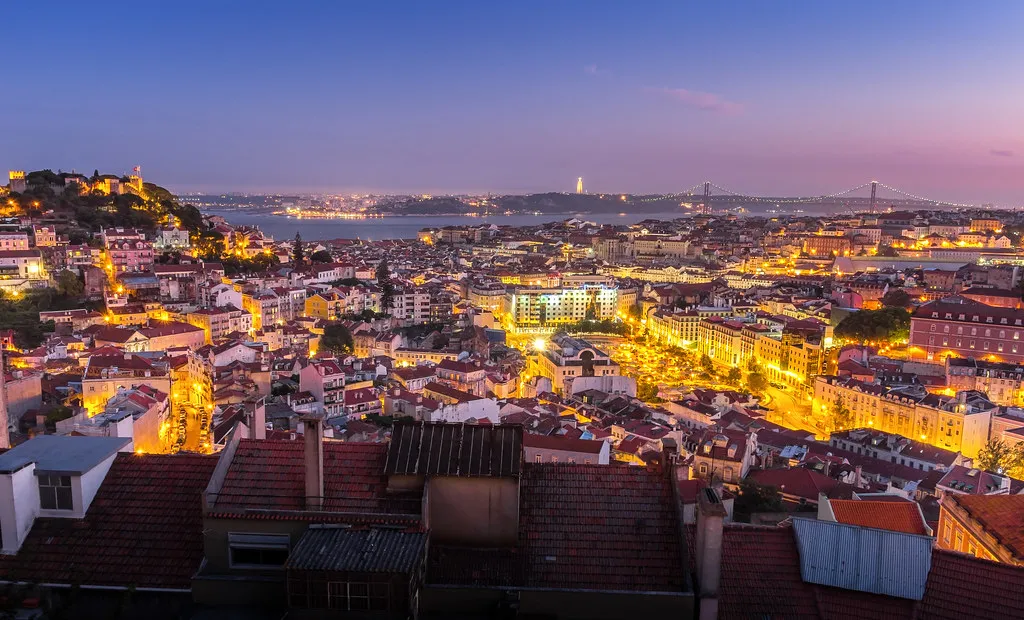
Away from RDA, the neighbourhood's tascas are the real backbone of the local food economy. Look for hand-written menus in windows offering bacalhau à brás, caldo verde, and grilled pork — full plates for €7–10 including bread and a small wine. Most of these places have been operating for decades and serve a lunch crowd of construction workers, office staff, and retirees rather than tourists. That is a reliable quality signal.
The Nepalese restaurants along Rua do Benformoso offer a different price-to-portion equation. A lunchtime thali — dal, rice, two curries, pickle — runs €6–8 at most spots. New Everest at the northern end of the street is consistently reliable, and the surrounding South Asian grocers mean you can pick up spices, tea, and snacks to take home. If you are staying in Lisbon for more than a few days, this strip alone is worth the metro trip. Our guide to the where to stay in Lisbon includes Anjos-adjacent options for travellers who want this kind of food culture on their doorstep.
The community kitchen RDA (Regueirão dos Anjos) serves full meals for €2.50–€5.00 and hosts a popular pizza social on Sunday evenings. The Nepalese restaurants along Rua do Benformoso — nicknamed "Little Kathmandu" — offer lunchtime thalis for €6–8, making this strip some of the most affordable ethnic food in central Lisbon.
Cultural Spaces: Anjos 70, the Gulbenkian, and the Galveias Library
Anjos 70, on Rua dos Anjos, is the neighbourhood's most important community cultural hub. It operates as a social enterprise occupying a former industrial space and hosts a rotating programme of flea markets, concerts, craft workshops, cinema screenings, and open studio events. Admission varies from free to around €5 depending on the event. The weekend flea market is particularly good for vintage clothing and second-hand books; arrive early for the best selection. Check their social media for the monthly programme because the schedule changes.
A short walk or metro stop away, the Calouste Gulbenkian Museum at Avenida de Berna 45A is one of the best art museums in Europe and is frequently undersold in favour of the more famous Lisbon institutions. The permanent collection spans Egyptian antiquities to French Impressionism and Islamic decorative arts — the breadth is genuinely surprising. The surrounding Gulbenkian Garden is large enough to spend an entire afternoon reading, and entry to the garden is free. The museum itself costs €10 for adults, with free entry on Sunday afternoons after 14:00. This alone makes a Sunday visit worth planning around. See the Visit Portugal listing for current Gulbenkian hours and prices.
The Galveias Palace Library on Campo Pequeno is a quieter but equally rewarding stop for those who appreciate historic interiors. The building dates from the nineteenth century and was converted into a public library while preserving much of its original architecture. It serves the local student community and is a peaceful alternative to the city's more crowded cultural attractions. From here, a ten-minute walk northeast brings you into the lower reaches of the Graça neighbourhood and its famous viewpoints.
Coffee Shops, Bars, and the Alternative Night Scene
The café scene in Anjos has developed a clear two-tier character. Old-school counter cafés — often named after their owner, operating since the 1970s, selling bifanas and galãos to a local crowd — sit alongside newer specialty coffee shops aimed at remote workers and younger visitors. Both coexist without friction, and both are worth your time at different hours. The older places are better before 09:00; the specialty shops come alive mid-morning when the laptops appear.
Concept cafés in the area frequently double as event spaces or small galleries, displaying rotating work by local artists. It is common to sit down for a cortado and find yourself looking at a photographic series or a small ceramics show. These spaces act as informal community notice boards — you will often find flyers for upcoming events at Anjos 70 or neighbourhood association meetings pinned near the door.
After dark, the neighbourhood's alternative venues are distinct from the mainstream club scene further south. Darc – Desterro hosts eclectic events ranging from experimental music nights to community theatre, with a programme that skews toward the participatory rather than the purely spectator. The bars along Rua dos Anjos and the surrounding streets tend to close earlier than those in Bairro Alto — most last orders fall around midnight or 01:00 — which makes the area better suited to an evening that ends with dinner than one that starts with it. The Mouraria neighbourhood just downhill offers later fado venues if you want to extend the night.
The Chiado district is twenty minutes away by metro and offers a sharper contrast: upmarket bars, late licences, and a very different social mix. Many visitors use Anjos as the opening act and Chiado as the main event, which is a reasonable strategy if you want the full Lisbon evening range.
Getting There, Timing, and Practical Notes for 2026
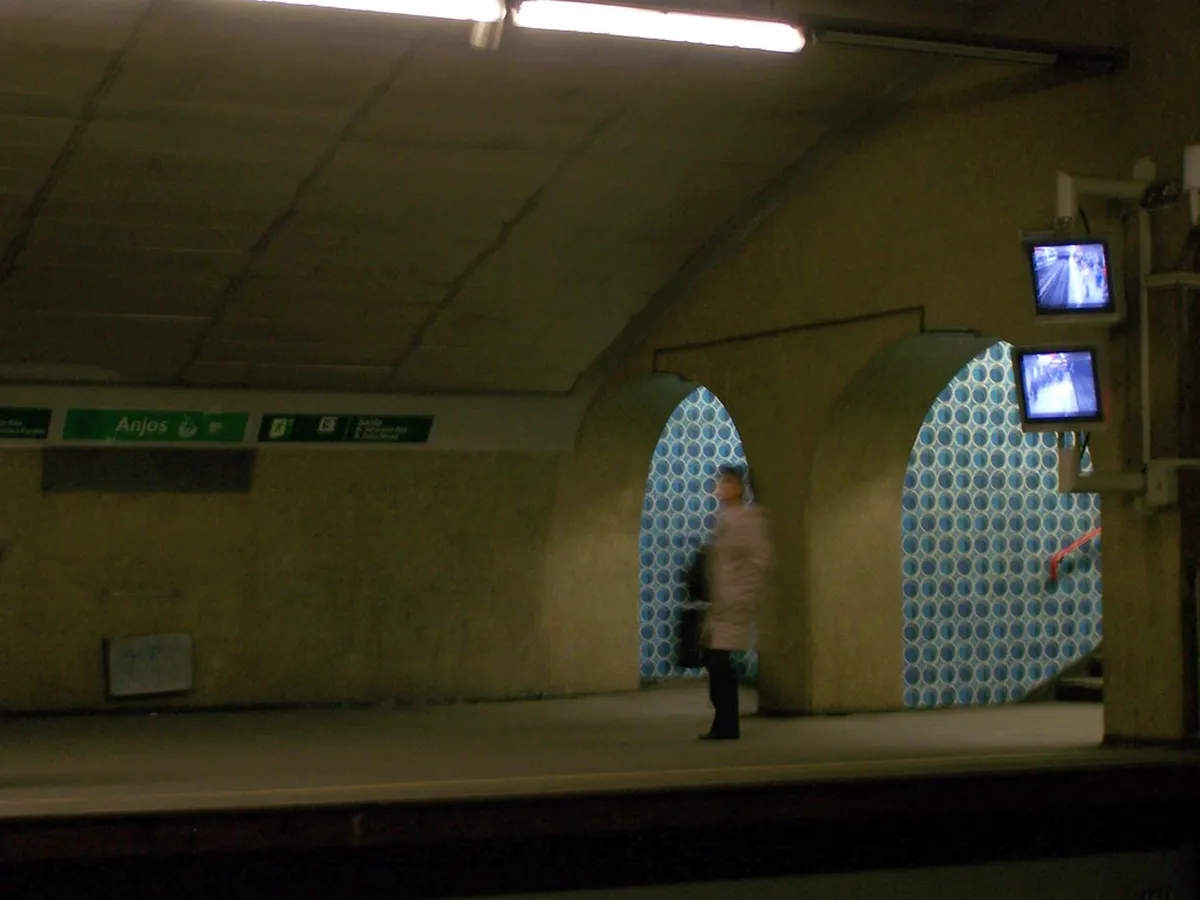
The Green Line (Linha Verde) of the Lisbon Metro is the easiest way in. The Anjos station and the adjacent Intendente station both put you in the heart of the neighbourhood within a ten-minute ride from Baixa-Chiado. Single tickets cost €1.61 in 2026; a 24-hour Zapping card loaded with credit is more economical if you plan to use the metro three or more times in a day. Trams and buses serve the area too, but the metro is faster and avoids the traffic around the Alameda corridor.
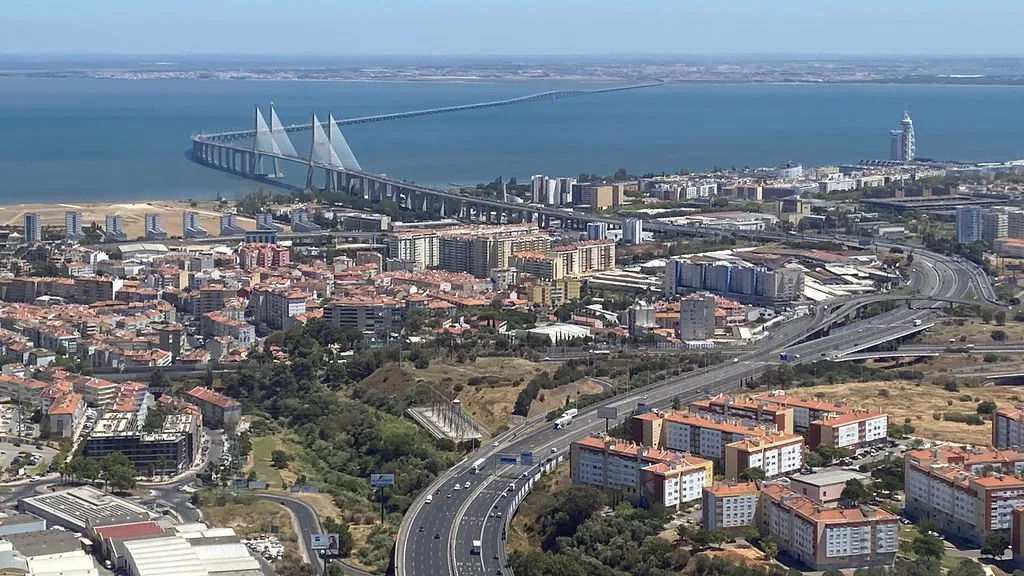
Timing matters. Weekday mornings between 09:00 and 13:00 show the neighbourhood at its most functional and least self-conscious: the market stalls are open, the tascas are setting out lunch boards, and Rua do Benformoso is busy with residents rather than visitors. Saturday mornings add the Anjos 70 flea market to that mix. Sunday afternoons are calmer but worth it for free Gulbenkian museum entry after 14:00.
Safety has improved substantially since the Intendente regeneration project. The square and main streets feel comfortable at all hours; the narrower backstreets above Rua do Benformoso are quieter at night but not problematic for attentive walkers. Apply the same common sense you would anywhere in a central city neighbourhood — keep bags close in crowded spaces and stay on lit streets after dark. The area immediately around Alfama to the south has a similar profile and similar advice applies.
A suggested half-day route: start at Intendente station at 10:00, walk the square and Viúva Lamego, loop through the backstreet tile façades toward Rua dos Anjos, stop at Anjos 70 if there is a weekend market, eat a community lunch at RDA or a thali on Rua do Benformoso, then finish at the Gulbenkian Garden with a coffee. That covers the neighbourhood's essential registers — historic, multicultural, creative, gastronomic — in around five hours without rushing.
Metro single tickets cost €1.61 in 2026; loading a Zapping card is more economical if you plan three or more trips in a day. The Gulbenkian Museum (a short metro stop away) offers free entry on Sunday afternoons after 14:00, making a Sunday visit worth planning around.
Frequently Asked Questions
Is Anjos Lisbon safe for solo travelers?
Yes, Anjos is generally safe for solo travelers today. The area has seen a major transformation, especially around Intendente square. You should follow standard city safety tips and stay in well-lit areas at night. The community is very active and welcoming to visitors.
What makes Anjos the coolest neighborhood in Lisbon?
Anjos stands out because of its multicultural atmosphere and creative community. It blends traditional Portuguese culture with modern art and indie businesses. The lack of major tourist crowds makes it feel more authentic than other districts. It offers a unique look at local life.
How much does a meal cost in Anjos community kitchens?
A meal at a community kitchen like RDA usually costs around €2.50 to €5.00. These spaces focus on affordability and social inclusion for everyone. Traditional tascas in the area also offer full meals for under €10.00. It is one of the best areas for budget dining.
How do I get to Anjos from the Lisbon city center?
You can take the Green Line Metro toward Telheiras and get off at Anjos or Intendente. The ride takes less than ten minutes from Baixa-Chiado. For more travel tips and updates, visit our Portugal travel blog today.
Anjos offers a refreshing break from the typical tourist path in Lisbon. You can experience a mix of old-world charm and modern creativity in every street.
Whether you are eating at a community kitchen or browsing indie shops, the vibe is always welcoming. It is a neighborhood that truly represents the diverse spirit of the city.
Make sure to add this area to your itinerary for a truly local experience. You will leave with a better understanding of why Lisbon is such a beloved destination.