Avenida da Liberdade Lisbon: The Ultimate Visitor's Guide
Discover Avenida da Liberdade, Lisbon's most elegant boulevard. Our guide covers luxury shopping, historic kiosks, top hotels, and must-see monuments.
On this page
Avenida da Liberdade Lisbon: The Ultimate Visitor's Guide
Avenida da Liberdade stands as the most prestigious address in the heart of Lisbon. This grand boulevard stretches 1.3 kilometres from Praça dos Restauradores in the south to Praça Marquês de Pombal in the north, and the roadway is 90 metres wide from building face to building face. Visitors often compare its tree-lined paths and upscale atmosphere to the Parisian Champs-Élysées, though the avenue has a character entirely its own. Exploring this area offers a perfect blend of high-end fashion, deep Portuguese history, and everyday Lisbon street life.
The layout divides into three distinct zones: two lanes of slow motor traffic on either side, and a broad central promenade split into two generous pedestrian walkways by a planted median. Those central walkways — shaded by jacarandas, plane trees, and palms — are where most visitors spend the bulk of their time. You will find everything from world-class designer boutiques set in ornate palaces to century-old iron kiosks where locals drink bica coffee for under two euros. This guide explores why this boulevard is a centrepiece of any Lisbon's essential neighborhoods for modern travellers.
The avenue serves as a vital artery connecting the historic centre to the modern business district. Locals and tourists alike gather here to enjoy the sophisticated pace of life. Whether you seek luxury shopping, a leisurely lunch, or a late-evening walk under the illuminated canopy, the boulevard delivers. Plan to spend at least half a day — more if you intend to explore the side streets that branch off to either side.
The History and Architecture of Lisbon's Grandest Boulevard
The origins of the avenue trace back to the post-earthquake reconstruction initiated by the Marquis of Pombal after the catastrophe of 1755. The area was first developed as the Passeio Público, a walled leisure garden reserved for the aristocracy and the wealthy merchant class. The public was largely excluded until 1836, when a royal decree opened the gardens to all citizens. Even then, the space remained quite formal — it was essentially a park with fountains, caged animals, and promenading paths.
The transformation into the wide boulevard visitors see today happened between 1879 and 1886, under engineer Ressano Garcia, who modelled the redesign on Haussmann's Paris. The walls came down, the garden expanded outward, and the central promenade took its current form. Art Nouveau, Neo-Classical, and early Modernist buildings replaced the old garden perimeter, many of which survive today with their ornate facades intact. The decision to make the road 90 metres wide was deliberate: it was meant to signal that Lisbon had arrived as a modern European capital.
One detail most visitors photograph without understanding is the calçada portuguesa — the hand-laid black basalt and white limestone pavement that covers the pedestrian promenades. The patterns range from geometric waves to full figurative compositions. What few people realise is that maintaining them depends on a rapidly shrinking guild of calceteiros, master pavement layers who train for years to cut and set each stone by hand. As of 2026, fewer than thirty certified calceteiros are active across the entire city of Lisbon, and the avenue's restoration work after utility excavations or heavy rain events is increasingly difficult to schedule. The Câmara de Lisboa has been running apprenticeship programmes to address the shortage, but demand far outstrips supply. Every section of patterned pavement you walk on represents a craft under genuine pressure to survive. Learn more about this tradition at Wikipedia's article on Calçada Portuguesa.
In 2026, the avenue remains a symbol of Lisbon's cosmopolitan identity. Renovations continue at the northern end near Marquês de Pombal, focusing on improving cycling infrastructure without disturbing the historic paving. The mix of old-world stonework and contemporary urban design creates an environment unlike any other boulevard in Southern Europe.
Top Sightseeing Highlights and Monuments
At the southern end of the avenue lies Praça dos Restauradores, a square filled with meaning. A 30-metre obelisk stands in the centre to commemorate the restoration of Portuguese independence in 1640, when the country broke from Spanish rule after sixty years of Iberian Union. The square also features the Monument to the Heroes of the Peninsular War, a bronze composition that draws visitors from the adjacent pedestrian streets of the Baixa district. The Palácio Foz on the western side of the square houses the official tourism information centre for Lisbon, a useful first stop for maps and event listings.
Walking north, you pass the Teatro Eden — a 1937 Art Deco cinema now converted into apartments, with its original glazed tile facade preserved as a listed monument. A little further on, the Teatro Tivoli BBVA has been the avenue's primary live-performance venue since 1924. It hosts concerts, stand-up comedy, and theatrical productions throughout the year. Check their programme at Visit Lisboa for current-season events when planning your trip.
The Cinema São Jorge, built in 1950 in a restrained Modernist style, is still an active cinema and a regular venue for the IndieLisboa and DocLisboa film festivals. Its main auditorium seats over a thousand people and retains the original screen, projection booth, and period seating. Catching a screening here is one of those genuinely local experiences that most visitors skip in favour of the shops.
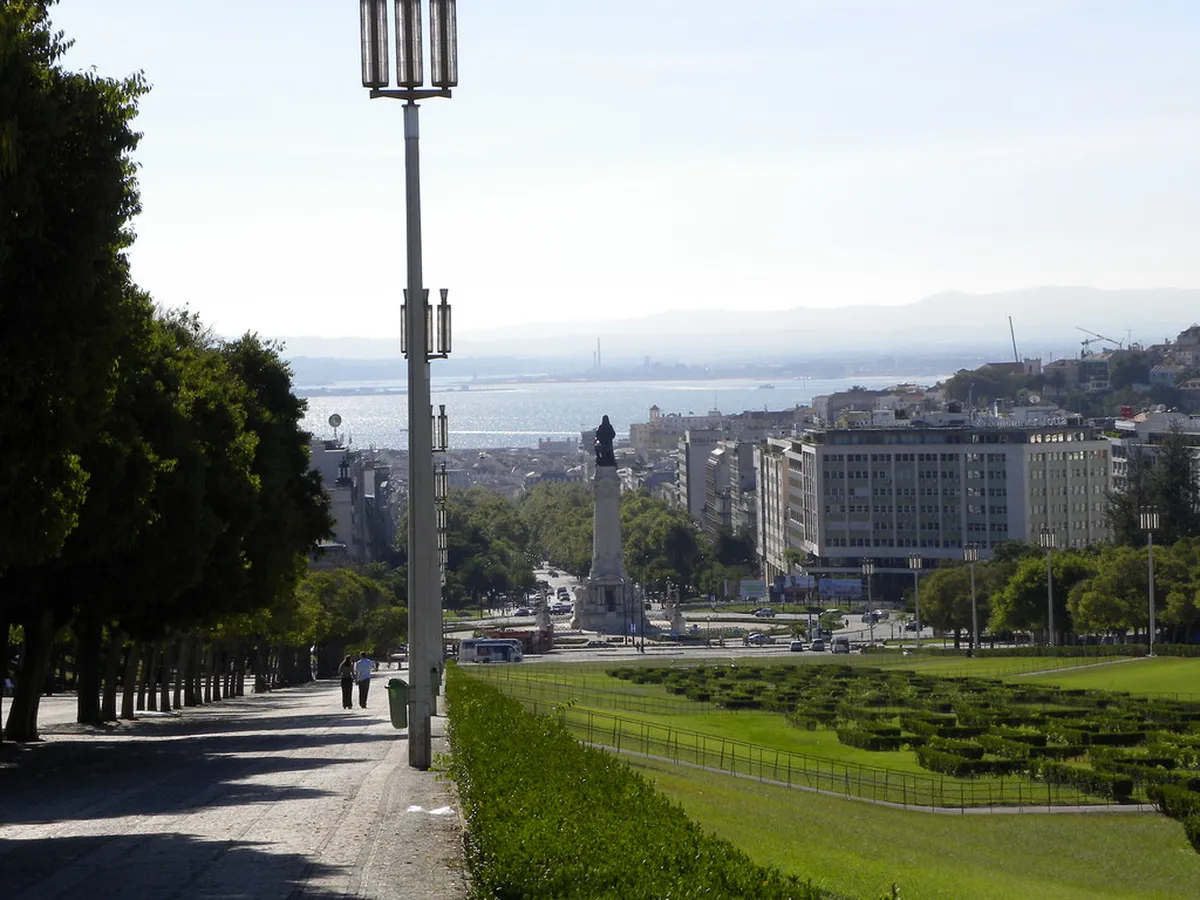
At the northern tip, the boulevard opens into Praça Marquês de Pombal. A towering column carries a statue of the Marquis himself, looking south toward the river he helped rebuild. The statue is surrounded by allegorical lions, and the circular roundabout below is one of the busiest traffic nodes in the city. From the base of the monument, the full 1.3-kilometre length of the avenue unrolls before you, which gives the best sense of the scale Ressano Garcia intended.
A Guide to Luxury Shopping and Designer Boutiques
Avenida da Liberdade is the undisputed home of luxury retail in Portugal. The street rivals the famous shopping districts of Milan and London in its brand selection, with flagship stores for Louis Vuitton, Prada, Gucci, Cartier, and Rolex occupying prime ground-floor space in the historic building stock. Louis Vuitton's Lisbon flagship sits near the Restauradores end of the avenue in a beautifully restored period building — it is one of the brand's largest Southern European stores. Prada and Gucci occupy mid-avenue positions and draw a clientele of international visitors and local fashion professionals.
The shopping experience here is deliberately calm and exclusive, far removed from the crowds of the city centre. Boutiques are spread out rather than clustered, so browsing feels unhurried. Even if you are not buying, the window displays are worth pausing for — many brands produce Lisbon-specific campaigns featuring the avenue's pavement and architecture. Burberry, Ermenegildo Zegna, and Hugo Boss maintain full-size stores along the boulevard, reflecting the breadth of the market here.
For a more local perspective, seek out Fashion Clinic and Fashion Lab, both of which carry curated mixes of international and Portuguese designers. These multi-brand boutiques are where Lisbon's fashion-conscious residents actually shop, and they offer pieces you will not find in every European city. The side street Rua Castilho, just off the mid-section of the avenue, adds another layer of independent and premium stores for those willing to explore one block east. Shopping here pairs naturally with the nearby Chiado for anyone spending a full day on retail.
Opening hours across the luxury boutiques generally run 10:00 to 19:00 Monday through Saturday, with some closing on Sunday or keeping reduced Sunday hours. Sales periods in January and July can bring discounts of 30–50 percent, and the avenue becomes noticeably busier during those weeks. Arrive early in the morning to browse without pressure from other shoppers.
Most luxury boutiques on Avenida da Liberdade keep hours of 10:00–19:00 Monday to Saturday. January and July sales can bring discounts of 30–50%, so arriving early in the morning avoids the crowds that gather during those periods.
The Feira na Avenida Weekend Market
On Sunday mornings, the central promenade of the avenue transforms into the Feira na Avenida, a market that sets up along the pedestrian median from roughly 09:00 to 14:00. Stalls sell antiques, vintage books, ceramics, prints, coins, and handmade crafts. The atmosphere is relaxed and genuinely local — this is not a tourist-curated market but a proper flea-market culture where prices are negotiable and sellers are knowledgeable collectors.
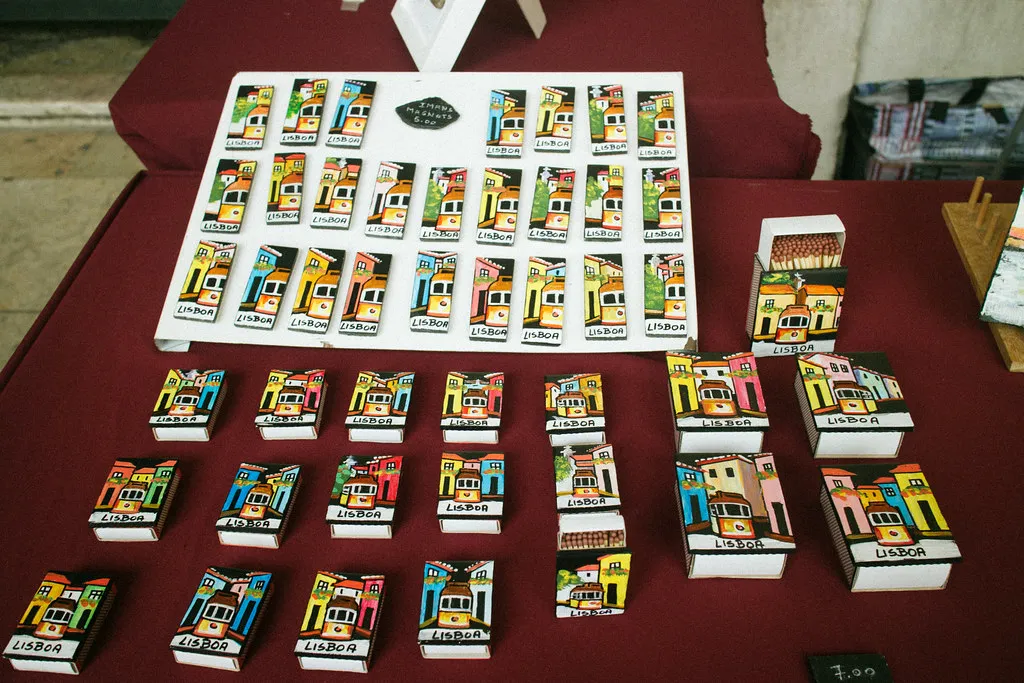
The best finds tend to be at the southern end near Restauradores, where dealers specialising in azulejo tiles, old postcards, and mid-century Portuguese furniture tend to cluster. Vintage photography, silverware, and religious art objects are also common. Arriving before 10:00 gives you the best access to quality pieces before the casual browsers arrive. Bring cash — most stalls do not accept card payments.
The market operates year-round, though summer Sundays in July and August can see reduced vendor attendance during the heat of mid-morning. On rainy Sundays, stall numbers drop significantly. If the market is a priority, check the Visit Portugal events calendar before your visit to confirm activity, particularly during public holiday weekends when some stalls relocate or pause.
Arrive at the Feira na Avenida before 10:00 to find the best pieces before casual browsers arrive. Most stalls are cash-only, so bring euros — card payments are rarely accepted at market vendors.
Where to Eat: From Garden Kiosks to Fine Dining
The avenue offers a diverse culinary landscape that caters to all budgets. The best affordable option is a slow crawl along the central promenade kiosks, which have operated here in one form or another for over a century. These iron-and-glass structures serve bica (espresso) for around €0.90, pastéis de nata for €1.50, and cold beers from late morning. Sitting at an outdoor table under the plane trees while the boutique traffic drifts past is one of the most pleasurable free activities the avenue offers.
For a more substantial stop, Versailles at Avenida da República 15A (a short walk north of Marquês de Pombal) is the café the avenue's regulars have used since 1922. The interior retains its original mirrors, chandeliers, and marble counters, and the pastry case is exceptional. It represents the old-school Lisbon café tradition at its most polished. This is a particularly good choice for a mid-morning coffee break between the monument end and the shopping district.
JNcQUOI is the avenue's most talked-about modern dining destination, combining a ground-floor deli and wine bar with a more formal upstairs restaurant. The kitchen leans on Portuguese ingredients — bacalhau preparations, Alentejo pork, Douro wines — executed with a contemporary sensibility. The space is crowded by 21:00 on weekends and reservations are essential. The deli counter is open from morning and makes a useful stop for picnic supplies to take to the promenade kiosk seating.
Dining here allows you to connect the avenue's upscale social scene with the residential character of the Príncipe Real neighbourhood, which sits one block west of the upper avenue. Rooftop terraces on several of the luxury hotels accept non-guests for drinks, and those above the Tivoli and Altis Avenida offer the best evening panoramas over the city's terracotta rooftops.
Best Hotels and Accommodations on the Avenue
Staying on the avenue places you within walking distance of almost everything in central Lisbon. The hotels here range from grand 19th-century palaces to sleek contemporary boutiques, and even the smaller properties maintain a standard of finish that justifies the premium over the city average. All the main options sit directly on or within 100 metres of the boulevard, so noise from morning traffic is a factor to consider — ask for a room facing the interior courtyard if street sound is a concern.
The Tivoli Avenida Liberdade is the most storied property on the street, open since 1933 and consistently regarded as one of the finest hotels in Portugal. Its Sky Bar on the rooftop is accessible to non-guests and remains one of the best places in the city to watch the sun go down over the Tagus hills. Rates in high season (June–September) typically run from €350 to €600 per night for a standard room. Heritage Avenida Liberdade, a few steps away in an 18th-century townhouse, offers a more intimate atmosphere with eleven rooms and a strong sense of period character. These hotels are regularly cited in recommendations for the where to stay in Lisbon.
The Valverde Hotel is a townhouse conversion mid-avenue that many travellers consider the most liveable option on the street. Its interior courtyard garden provides a level of quiet that is hard to achieve this close to a city-centre boulevard. The pool — small but genuinely usable — is a real differentiator in a neighbourhood where outdoor space is scarce. Altis Avenida overlooks Restauradores square with a strong Art Deco facade and is the most centrally located property for travellers who want to walk directly into the Baixa or Rossio.
Budget travellers should note that the avenue itself skews heavily toward the top end. More affordable accommodation appears on the parallel streets one or two blocks east or west — Rua da Glória and Rua Barata Salgueiro both have well-rated guesthouses and smaller hotels at considerably lower rates, while still giving easy pedestrian access to the boulevard's promenade.
Walkability, Side Streets, and Getting There
The avenue is designed for walking, and the full length from Restauradores to Marquês de Pombal takes about 20 to 25 minutes at a relaxed pace. The central pedestrian promenades are entirely flat — the gradient of Lisbon's famous hills is absorbed by the road lanes on either side, which climb slightly toward the north. This makes the avenue one of the most accessible stretches in a city otherwise defined by steep inclines, and it is a useful connector for visitors with limited mobility.
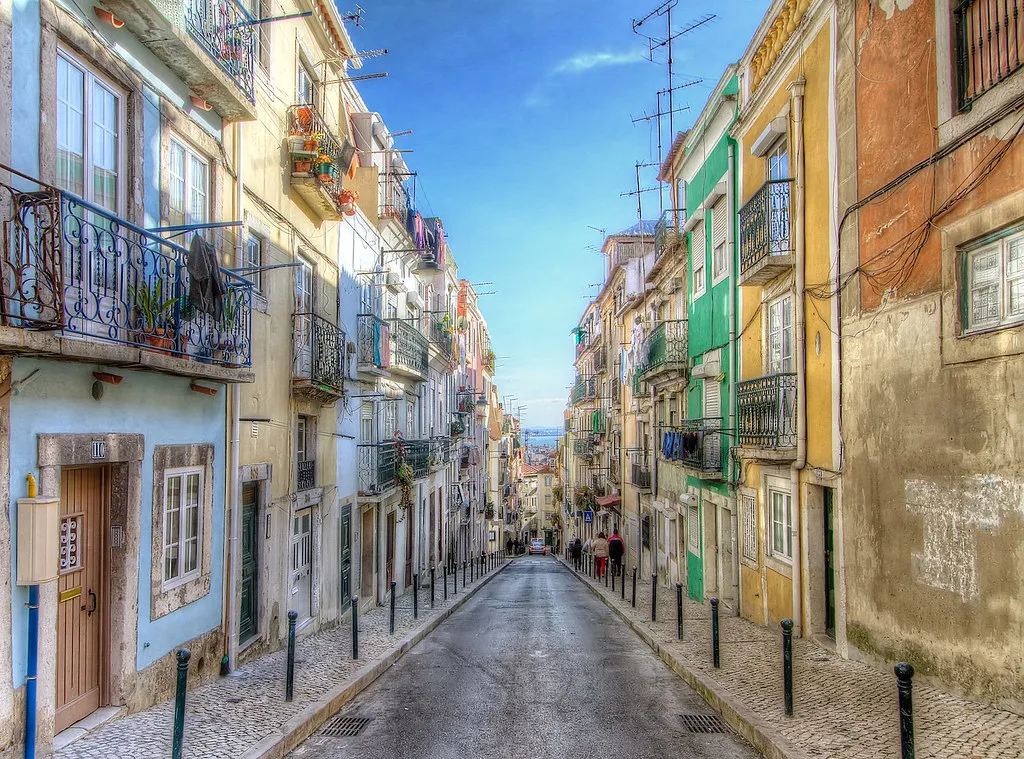
Three Lisbon Metro Blue Line stations serve the boulevard: Restauradores at the southern end, Avenida in the middle, and Marquês de Pombal at the top. Restauradores also connects to the Green Line. If you are arriving from Parque das Nações or the airport, Marquês de Pombal is the most practical entry point — from there you can walk the full length downhill to Restauradores. Buses and trams serving the avenue are numerous, though the Metro is faster and more predictable.
The side streets branching off the avenue reward short detours. Rua Barata Salgueiro to the east connects toward Marquês de Pombal and has a cluster of galleries and antique dealers. Rua Castilho, also east of the mid-avenue section, leads toward the Rato neighbourhood and several good neighbourhood restaurants that are cheaper than anything on the main street. To the west, Rua da Glória provides access to the funicular Ascensor do Lavra — the oldest in Lisbon, dating from 1884 — which climbs to the Intendente neighbourhood and the Miradouro do Torel, a quiet viewpoint with city panoramas that almost no tourists find. The funicular runs daily and costs €3.80 one way with a Viva Viagem card.
Photographers get the best results in the early morning, between 07:00 and 09:00, when the low sun rakes across the calçada patterns and the promenade is almost empty. The full perspective shot looking south from Marquês de Pombal down the tree-lined centre is the classic composition. A tripod is not needed in daytime but helps in the blue-hour shots just after sunset, when the avenue's lamp columns and hotel facades create a warm, layered glow.
For the broader overview, read our guide to the best Lisbon neighborhoods.
Frequently Asked Questions
What is the best time to visit Avenida da Liberdade?
The best time to visit is during the spring or fall for mild weather. Early mornings are ideal for photography to capture the light on the cobblestones. Weekends often feature the 'Feira na Avenida' market for antiques and local crafts.
Is Avenida da Liberdade safe for tourists at night?
Yes, the avenue is one of the safest and best-lit areas in Lisbon. It remains active late into the evening due to the many luxury hotels and high-end restaurants. Standard urban awareness is always recommended while walking.
Can I find affordable food on this luxury street?
While the street is known for fine dining, the garden kiosks offer very affordable snacks and drinks. You can enjoy a coffee or a sandwich for a few euros while sitting in the beautiful central promenade gardens.
Avenida da Liberdade is more than just a shopping destination for wealthy travellers. It is a living monument to Lisbon's resilience, history, and artistic traditions — from the hand-laid pavement maintained by a disappearing guild of masters to the grand facades that survived a century of modernisation. Every corner tells a story, and the pace of the central promenade encourages you to slow down enough to notice it.
Balance your time between the luxury boutiques and the Sunday market stalls. Take the funicular up to the Miradouro do Torel. Sit at a kiosk long enough to finish a second coffee. Whether you stay in one of the grand hotels or visit for an afternoon, the avenue reveals more the more time you give it. It remains an essential stop for anyone wanting to understand the elegant, complicated, and deeply layered side of Lisbon in 2026.
 Free Things To Do In Guimaraes Travel GuideJune 8, 2026