
12 Best Things to Do & Local Tips for Marvila, Lisbon
Discover Marvila, Lisbon's coolest industrial district. Our guide covers the best craft beer, hidden art galleries, 8 Marvila, and essential transport tips.
On this page
12 Best Things to Do & Local Tips for Marvila, Lisbon
Marvila represents the raw, industrial side of Lisbon that most tourists never see during their first visit. The neighborhood sits between the historic center and the modern Parque das Nações district along the Tagus River. Once a hub for wine warehouses and factories, it has transformed into a sanctuary for artists, brewers, and creative studios. This Lisbon neighborhood guide explores the unique blend of gritty history and contemporary culture that makes Marvila unlike any other part of the city.
Visitors often experience two distinct versions of the district depending on where they choose to walk. The gentrified riverfront near Rua do Açúcar feels polished and trendy with its new cafes and taprooms. Further inland near the train station, the area remains more rugged and less touched by recent development. Understanding this contrast is essential for anyone wanting to see the true face of this community.
A critical rule for exploring this area is to plan your arrival for the afternoon. Marvila acts like a ghost town before 14:00 as most creative spaces stay closed during the morning. Galleries and taprooms only begin to buzz with energy as the workday starts to wind down. Time your visit correctly to ensure you do not find yourself standing before many locked warehouse doors.
Understand the Marvila Vibe: Industrial Chic with Deep Roots
The atmosphere in Marvila is defined by its 19th-century manufacturing roots and its role as the primary wine storage district for the entire city. From the 1870s onward, dozens of vast armazéns — wine warehouses — lined the Tagus riverfront here, receiving barrel shipments from the Douro, Alentejo, and Setúbal. When Lisbon's industrial economy contracted in the late 20th century, those warehouses fell silent. That silence is what made the district so attractive to artists and brewers looking for affordable, large-footprint space. For historical context on Lisbon's industrial heritage, Wikipedia's entry on Marvila covers the neighborhood's origins well.
Local residents and newcomers coexist in a space that feels both traditional and experimental. Traditional tascas still serve affordable lunches right next to high-end contemporary art galleries. This social mix creates an energy that is hard to find in more touristy districts. You will see elderly neighbors chatting on benches while digital nomads work in nearby co-working warehouses.
The scale of the buildings here allows for creative projects that are impossible in the narrow streets of Alfama. Large-scale installations and a professional bouldering gym have found permanent homes in these cavernous structures. Expect to see exposed brick, rusted iron, and repurposed loading bays throughout the district. It is a place where the past is not erased but used as a foundation for something entirely new.
How to Get to Marvila from Central Lisbon
Getting to Marvila requires slightly more planning than visiting central spots like Chiado or Baixa. The most scenic route is bus 728, which runs along the riverfront and connects the historic center to the heart of the district in roughly 20 minutes. The stop at Rua do Açúcar drops you within walking distance of the main brewery and gallery cluster. Lisbon's transport authority Carris publishes real-time schedules, and Visit Lisboa keeps an updated transport page for visitors.
The Azambuja suburban train line is faster and slightly cheaper. Trains depart frequently from Santa Apolónia station and reach Marvila station in one stop, taking about five minutes. The station itself sits in a more rugged part of the district, roughly a ten-minute walk through industrial streets to reach the riverfront gallery cluster. A standard Lisbon Viva Viagem card covers both the bus and train with the same zapping system.
Ride-sharing apps are practical for groups or anyone traveling with luggage. A trip from Baixa rarely exceeds eight euros outside peak hours in 2026. Drivers can drop you at specific warehouse entrances that are genuinely difficult to find on foot the first time. Walking from Beato to the west is another excellent option that lets you watch the urban texture shift gradually from residential to industrial.
The Marvila Craft Beer Crawl: Route and Breweries
Marvila has earned its reputation as Lisbon's beer district through a high density of independent breweries, most reachable on foot within a compact area. The walkable circuit along Rua do Açúcar and Rua Fernando Palha puts three major taprooms within about 800 metres of each other. Two Crows is the most internationally recognised, known for creative recipes and a welcoming industrial taproom. Musa brings a livelier vibe with a focus on IPAs and an attached music programme. Lince operates on a smaller, more intimate scale where you can often speak directly with the brewers.
The order in which you visit matters more than most guides acknowledge. Lince keeps the earliest closing time — typically around 22:00 on weekdays — while Two Crows and Musa run later. Start your crawl at Lince first, then work westward toward Two Crows and finish at Musa. Reversing this route risks arriving at Lince to find it closed and missing its small-batch releases entirely.
Tasting flights are the most efficient way to cover a lot of ground without overdoing it. A flight of four beers runs roughly 12–15 EUR at most taprooms in 2026. The breweries frequently host new-tap Friday events, making a late-week visit worthwhile for discovering limited releases. Several taprooms also serve food designed to complement their beers, from charcuterie boards at Two Crows to creative sandwiches at Musa.
Start your brewery crawl at Lince, which closes around 22:00 on weekdays — earlier than Two Crows and Musa. Working westward from Lince ensures you catch all three taprooms while they are open.
Marvila Street Art: A Self-Guided Walk
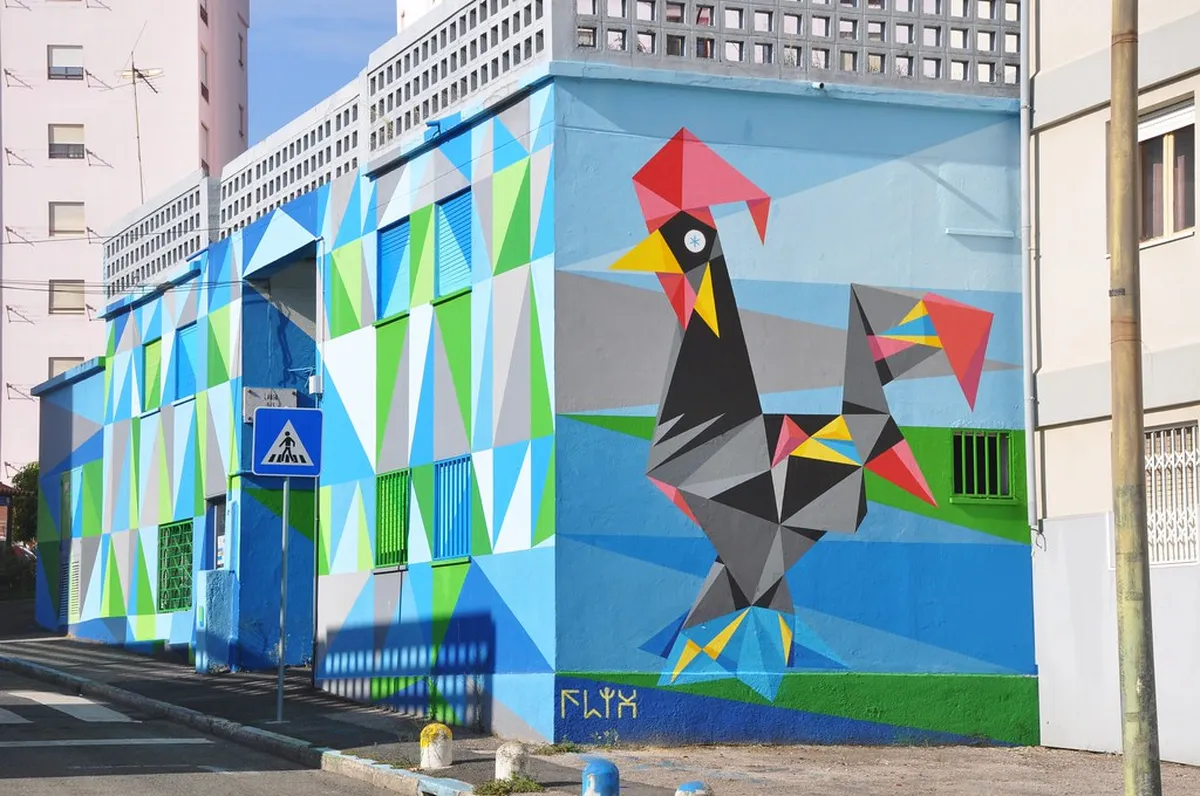
The district contains one of the highest concentrations of large-scale outdoor murals in all of Portugal. Most of the major works cluster along Rua do Açúcar, Rua Zófimo Pedroso, and the side streets between the river and the rail line. A self-guided walk starting at the Underdogs Gallery and looping back to 8 Marvila covers the bulk of the unmissable pieces in about 90 minutes. Visit Portugal's Lisbon page includes curated cultural itineraries that overlap with the Marvila art circuit.
Underdogs is the anchor institution for the entire scene. The gallery manages several of the most famous murals in the district and maintains an interior exhibition space hosting national and international urban artists. Entry to the main gallery is typically free. The staff can point you toward recently completed pieces that do not yet appear on any printed map.
The artist Vhils — whose real name is Alexandre Farto — has several signature relief carvings carved directly into building facades in the area. His technique involves chiseling away plaster layers to reveal portraits beneath, a method that uses decay as its medium. These works are embedded into walls that would otherwise be invisible to anyone not looking carefully. They are among the most technically distinctive outdoor artworks in southern Europe.
8 Marvila: The District's Biggest Cultural Complex
The opening of 8 Marvila fundamentally changed the social landscape of the district. This facility spans over 22,000 square metres and occupies a former wine warehouse on the riverfront. It functions as a multi-use complex combining padel courts, a modern gym, retail from local designers, food stalls, and a large event courtyard. The sheer scale of the building is impressive before you even step inside.
The interior design maintains the original industrial character — raw concrete, steel beams, and double-height ceilings — while adding contemporary lighting and comfortable public seating. Pop-up shops inside the complex rotate regularly and often feature Portuguese sustainable fashion and ceramics brands. The courtyard space hosts weekend markets, live music, and community events from spring through autumn.
Food stalls around the central square offer everything from traditional petiscos to international street food. Grab a drink and settle in the open area facing the river to watch the crowd on a weekend afternoon. 8 Marvila has become a primary leisure destination for locals living across the entire eastern side of the city. It captures the ambition of the neighborhood's transformation without erasing the warehouse shell that gave rise to it.
Fábrica Braço de Prata: The Original Creative Anchor
Fábrica Braço de Prata was the first major project to bring culture back to this industrial corridor and it remains one of the most authentic spaces in the district. The complex occupies a former military arms factory — braço de prata translates as "silver arm" — and now functions as a labyrinth of bookstores, concert halls, and exhibition rooms. Every room seems to offer a different experience, from jazz sessions to philosophy debates and vintage book fairs.
The on-site bookstore is one of the most distinctive in Lisbon, featuring towering shelves, cozy reading nooks, and a strong selection of architecture and art titles. Exhibitions change frequently and tend to highlight emerging local artists rather than established names. The outdoor patio is a calm space for a coffee in the afternoon, and the restaurant serves food most evenings when live music accompanies dinner.
This venue feels less polished than the newer hubs, which adds to its authentic bohemian character. Check the evening schedule for theater performances or film screenings that often run late into the night. Visiting the factory is essential for understanding the deeper roots of Marvila's arts scene before the gentrification wave arrived. It is the closest thing the district has to a community living room.
Walk the Marvila Riverside and Tagus Promenade
The Tagus riverfront in Marvila is one of Lisbon's least crowded waterfront walks and arguably its most photogenic at golden hour. The promenade stretches from the old Matinha gasworks east toward Beato, passing directly in front of the major breweries and warehouse galleries. The combination of wide river views, crumbling industrial facades, and colourful murals makes this a walk that rewards photographers willing to time it around the light.
Access is straightforward: get off bus 728 at Rua do Açúcar and head toward the water. The path is flat and easy to follow even without a map. On clear days you can see the Serra da Arrábida range across the estuary. In the early evening the river reflects the orange light that Lisbon is famous for, and the industrial silhouettes along the shore provide a backdrop unlike anything in the tourist center.
The walkable distance from the western end of the Marvila promenade to the Beato Creative Hub is approximately 1.5 kilometres. Combining both stretches in a single afternoon walk, with a stop at a taproom midway, is one of the most locally-approved ways to spend a Lisbon afternoon in 2026. The path is also well-suited to cycling via the Gira municipal bike-share network, with docking stations near 8 Marvila.
The Marvila Public Library: Architecture Worth Stopping For
The Marvila Library is a striking example of how modern public architecture can serve a community in transition. The building features clean lines, generous glazing, and a bright interior that feels deliberately welcoming rather than institutional. It has received several awards for its approach to combining civic function with open public space in a neighborhood that was historically underserved by infrastructure.
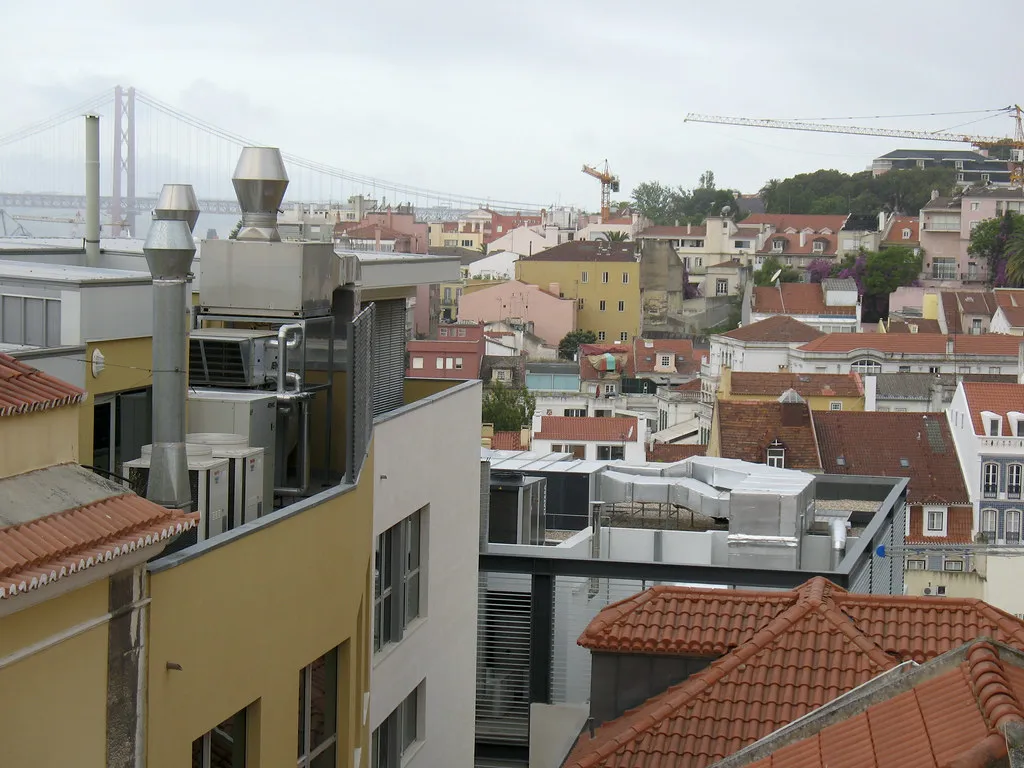
A landscaped garden and rooftop terrace provide outdoor reading and working space in warmer months. The library runs regular workshops, film screenings, and exhibitions aimed at all age groups, with particular programming for children and the elderly residents who make up a large share of Marvila's traditional population. The upper floors offer views over the industrial rooftops toward the river. Entry is free and Wi-Fi is available for visitors working remotely.
This building is easy to visit alongside the waterfront walk since it sits only a few streets inland from the main promenade. It is one of the few places in the district that opens before noon, which makes it useful if you arrive early and want somewhere calm to wait before the galleries and taprooms open. The library also stocks a small selection of Portuguese-language books about the history of eastern Lisbon neighborhoods, useful for anyone wanting more context.
Beato Creative Hub: Marvila's Neighbour Worth the Extra Walk
Most Marvila guides stop short of mentioning Beato, but the two districts are effectively continuous and the Beato Creative Hub is one of the most ambitious creative campuses in Lisbon. Occupying the 18th-century Convento do Beato, the complex combines a large events venue, co-working studios, a rooftop terrace bar, and an open garden that hosts pop-up food markets on weekend afternoons. The monastery cloisters provide an unexpected architectural contrast to the industrial warehouses a few hundred metres away.
The site regularly hosts design markets, architectural tours, and private events. The rooftop view over the Tagus is one of the best east of the city center and is largely unknown to tourists focused on the traditional miradouros of Alfama or Graça. Walk from 8 Marvila eastward along the river for about 20 minutes to arrive, or take a short ride-share. The combination of Beato and Marvila in a single afternoon is the most coherent full-day itinerary for this part of the city.
Eating in Marvila: From Secret Pizza to Community Cafes
Café com Calma is a beloved local institution that feels like a cozy living room from another era. The decor features vintage furniture, mismatched plates, and plenty of nostalgic charm. Their daily lunch menu offers traditional Portuguese dishes at around 8–10 EUR, and vegetarian options are consistently well-rated by regulars. Homemade cakes and pastries make it a strong choice for an afternoon break. Arrive early as the small space fills up quickly.
Aquele Lugar que Não Existe — "that place that doesn't exist" — requires a small amount of insider knowledge to find. The restaurant sits inside a warehouse with no external signage; look for an unmarked metal door that opens only when dinner service begins. Thin-crust wood-fired pizzas are the main draw, and the open warehouse interior supports a genuinely lively Friday evening atmosphere. Reservations are essential on weekends and should be made several days in advance.
Beyond these anchors, the district has a growing number of informal lunch spots serving the creative community that works in the surrounding studios. Many of these are unmarked or operate only on weekdays, which is part of the appeal for locals who want to eat without competing with any tourist traffic. Walking the side streets between 12:30 and 14:00 is the most reliable way to find them.
Active Pursuits: Climbing, Cycling, and Staying Overnight
Vertigo Climbing Center offers a different way to experience the neighborhood's architecture. The bouldering gym is housed in a converted warehouse with high ceilings and good natural light. It caters to both beginners and experienced climbers, and the on-site cafe has a terrace overlooking the Tagus — a strong combination after a session on the wall. Equipment rental is available at the front desk. The atmosphere is social and easy, much like the LX Factory in Alcantara.
Cycling is an underused option in this part of the city. The Gira municipal bike-share network has stations near 8 Marvila and along the waterfront, and the flat riverfront path makes for easy progress even for casual riders. A single Gira ride costs 2 EUR for 45 minutes in 2026, which is enough to cover the length of the district and reach the Beato docking station.
Choosing where to stay in Lisbon often leads travelers to the crowded center. Marvila's loft-style apartments and converted warehouse rentals offer more space and character at prices typically 20–30% lower than equivalent accommodations in Alfama. The streets are quiet at night, riverside access is immediate, and the airport is about 15 minutes by taxi. It is the practical choice for anyone staying more than two nights who wants a local base rather than a hotel corridor.
Marvila acts like a ghost town before 14:00 — most galleries and taprooms stay closed until the afternoon. If you arrive early, the Marvila Library opens in the morning and provides free Wi-Fi while you wait for the district to come alive.
See how this fits the wider city in our complete Lisbon neighborhoods guide.
Frequently Asked Questions
Is Marvila Lisbon safe for tourists to visit?
Marvila is generally safe for tourists, but it remains a rugged industrial area with some neglected spots. Stick to the main streets and the riverfront area after dark for the best experience. Like any urban district, stay aware of your surroundings and keep your belongings secure.
What is the best way to get to Marvila from downtown Lisbon?
The 728 bus is the most convenient option as it runs frequently along the riverfront. You can also take a quick train from Santa Apolónia to the Marvila station. For more travel tips, check out our guide on visiting Belem and other riverside districts.
Why is Marvila often called the Beer District?
The neighborhood earned this nickname due to the high concentration of independent craft breweries in its warehouses. Brands like Two Crows and Musa established their taprooms here, creating a walkable circuit for beer lovers. It has become the primary destination for artisanal brewing in Portugal.
Are the art galleries in Marvila free to enter?
Most contemporary art galleries in the district, including the famous Underdogs Gallery, offer free entry to their exhibitions. Some special events or workshops at Fábrica Braço de Prata might require a ticket. Always check the specific gallery's social media for current exhibition details and opening hours.
Marvila is a neighborhood in transition that offers a genuine glimpse into the future of Lisbon. It blends an industrial past — wine warehouses, arms factories, and loading docks — with a creative present built by brewers, muralists, and community institutions. Whether you come for the craft beer route, the street art walk, or simply to sit by the Tagus away from the tourist crowds, the district rewards time and curiosity.
Plan your visit for the afternoon, start the brewery crawl at Lince, and work your way west. Extend the day with a riverside walk toward Beato and end at Musa or 8 Marvila as the evening light settles over the river. For the riverfront bar and transport energy that connects Marvila to the historic center, the Cais do Sodré guide covers the western end of that same Tagus corridor. This part of Lisbon does not shout for attention. It earns it.


 7 Essential Things to Do in Anjos, LisbonMay 29, 2026