Where is Coimbra in Portugal? 10 Things to Know
Discover exactly where Coimbra is in Portugal, how to get there from Lisbon or Porto, and 10 essential tips for visiting this historic university city.
On this page
Where is Coimbra in Portugal? 10 Things to Know
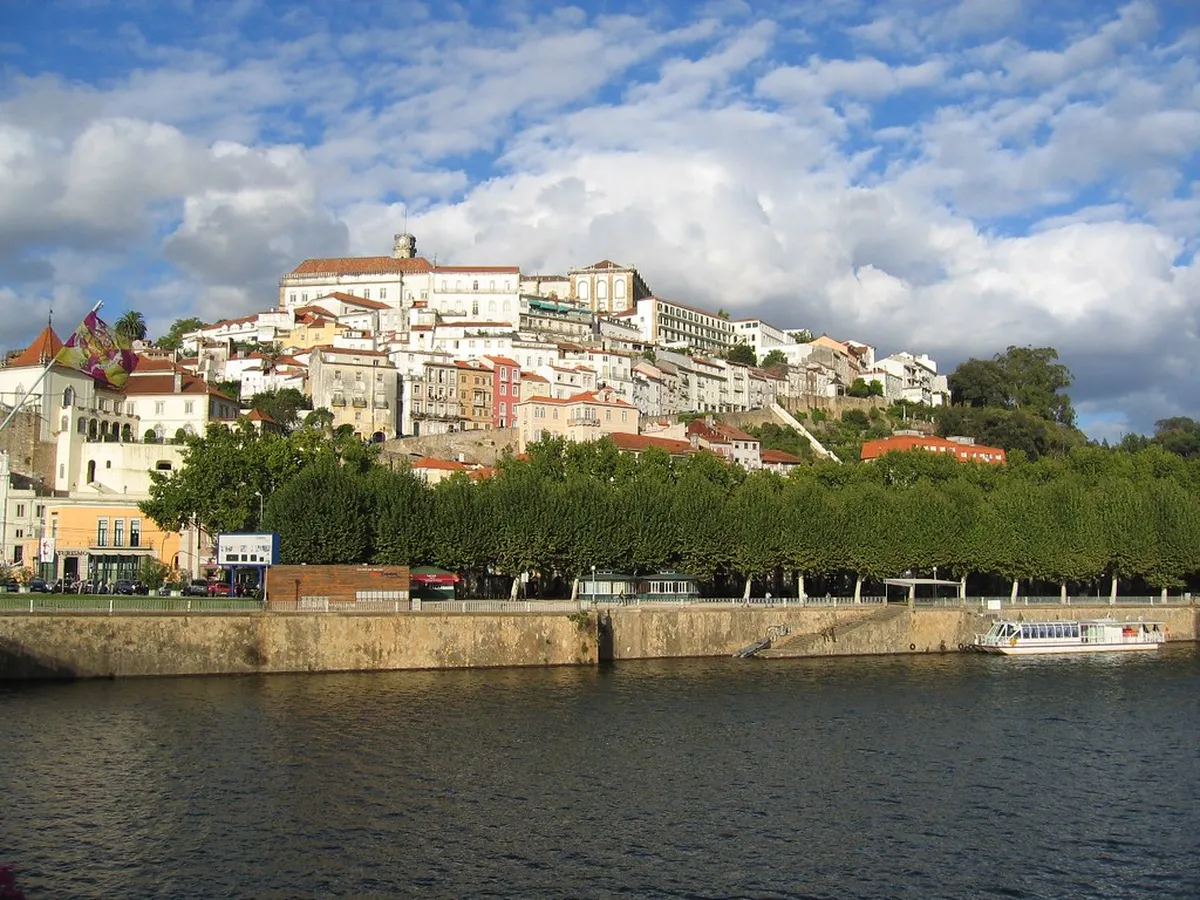
Coimbra sits in the heart of Central Portugal along the banks of the Mondego River, roughly 200 kilometers north of Lisbon and 120 kilometers south of Porto. It is the capital of the Coimbra District and one of the country's most historically significant cities. The location makes it a natural midpoint stop for anyone traveling the main north-south corridor through Portugal. Most visitors arrive expecting a quick detour and stay far longer than planned.
The city is famous for hosting one of the oldest continuously operating universities in the world, founded in 1290. That academic identity shapes everything here — the architecture, the food scene, the nightlife, and the music. Coimbra offers a cultural depth that Lisbon and Porto, for all their appeal, cannot replicate. It is Portugal's "middle child": quieter, more intellectual, and full of surprises.
Where is Coimbra? (Geographic Location)
Coimbra belongs to the Região Centro, the broad central swath of Portugal that stretches from the Atlantic coast inland to the Serra da Estrela mountains. The city rests on the banks of the Mondego, Portugal's longest river located entirely within national borders. Its hilltop historic center rises sharply from the riverbank, creating the iconic skyline dominated by the university's clock tower. The geography divides the city into two distinct zones: the Alta (upper town) clustered around the university, and the Baixa (lower town) on the flat ground near the river.
The Coimbra District serves as a regional hub for dozens of smaller towns and agricultural communities across the surrounding countryside. Important day-trip destinations are all within easy range: Fátima is about 45 minutes south, the Roman ruins at Conimbriga are 15 kilometers west, and the Atlantic coast at Figueira da Foz is only 40 kilometers away. The forest of Buçaco and the Serra da Estrela highland park are under 90 minutes by car. Few cities in Portugal sit at such a useful intersection of cultural and natural attractions.
The climate is Mediterranean with a continental influence: warm, dry summers and mild, rainy winters. Spring and autumn offer the most comfortable conditions for walking the steep cobbled streets of the old town. July and August bring genuine heat, with temperatures regularly exceeding 35°C. Visiting in late May or early June puts you in the middle of the academic festival season — one of the best times to see the city fully alive.
How to Get to Coimbra from Lisbon and Porto
The train is the most pleasant and practical way to reach Coimbra from either major city. From Lisbon, there are more than 20 daily departures from Santa Apolónia or Oriente stations, running from around 06:00 to 22:00. High-speed Alfa Pendular services take just under two hours and cost roughly €13–26 depending on how far in advance you book. Slower Intercidades trains take around three hours but stop at more intermediate stations. Check the Lisbon to Coimbra train schedule before you travel to lock in advance fares.
From Porto, services run from Campanhã station with departures every 30–60 minutes between 05:00 and 23:00. The Alfa Pendular covers the distance in 1.5 hours for €9–20; slower regional trains take up to 2.5 hours. The Porto to Coimbra train route is particularly scenic through the Douro corridor. One important detail: the main long-distance station is Coimbra-B, located a few kilometers outside the center. A short connecting train runs to Coimbra-A, right in the heart of the city — your ticket covers this connection, so do not exit at Coimbra-B unless you have accommodation nearby.
Bus is a cheaper alternative. Rede Expressos and FlixBus between them run dozens of daily departures from both cities. Lisbon to Coimbra takes around 2.5 hours by bus and costs €6–15; Porto to Coimbra is 1.5 hours for €3–10. Driving via the A1 motorway takes about two hours from Lisbon or 1.5 hours from Porto. Parking in the historic center is difficult — use the free spots near Avenida Marginal or the Parque do Choupalinho, or a paid garage in the Baixa area. Consult a Rome2Rio Coimbra Route Planner to compare real-time fares and schedules across all modes.
- Alfa Pendular from Lisbon: approximately 1h 55min, €13–26, departures all day from Oriente or Santa Apolónia
- Alfa Pendular from Porto Campanhã: approximately 1h 30min, €9–20, frequent departures from 05:00
- Rede Expressos / FlixBus from Lisbon: 2.5 hours, €6–15, multiple daily services
- Rede Expressos / FlixBus from Porto: 1.5 hours, €3–10, multiple daily services
- Car via A1: 2 hours from Lisbon, 1.5 hours from Porto; electronic tolls apply
Long-distance trains stop at Coimbra-B, not the central station. Your ticket includes the short connecting train to Coimbra-A in the city center — do not exit at Coimbra-B unless you have accommodation nearby.
A Brief History of Portugal's Former Capital
Coimbra's story begins as the Roman settlement of Aeminium, perched strategically on a hill above the Mondego River. The Romans built a cryptoporticus — an underground vaulted corridor — beneath what is now the Machado de Castro Museum, and remnants of this engineering survive in remarkable condition. After Rome fell, Visigoths and then Moors controlled the city before Christian reconquest brought it into the emerging Portuguese kingdom. Read more about Coimbra History - Britannica to trace the full arc of occupations.
Portugal's first king, Dom Afonso Henriques, chose Coimbra as his seat of power when he declared independence from the Kingdom of León in 1139. The city served as the Portuguese capital for over a century, until the court moved south to Lisbon in 1255. That royal history left a physical mark: the Old Cathedral (Sé Velha), built in the 12th century, still stands like a fortress above the lower town. The royal palace at the top of the hill later became the University, a transition that defined the city's identity for the next seven centuries.
During the Estado Novo dictatorship (1933–1974), Coimbra's university became one of Portugal's most important centers of political resistance. Students and professors organized protests against censorship and authoritarian rule, often at serious personal risk. This tradition of intellectual defiance is woven into the city's character. Walking its streets, it is impossible to miss the tension between ancient institutional authority and the perpetually young, questioning energy of the students who fill them.
The Main Attraction: University of Coimbra and Joanina Library
The University of Coimbra is the undisputed center of city life and a UNESCO World Heritage Site since 2013. Founded in 1290, it originally moved between Lisbon and Coimbra before settling here permanently in 1537. The campus occupies the entire upper hill — the Paço das Escolas (Palace of Schools) was literally a royal palace before it became a university. Check the University of Coimbra - Times Higher Education profile for its current academic standing among global institutions. A University of Coimbra visitor guide will help you navigate the ticketed areas efficiently.
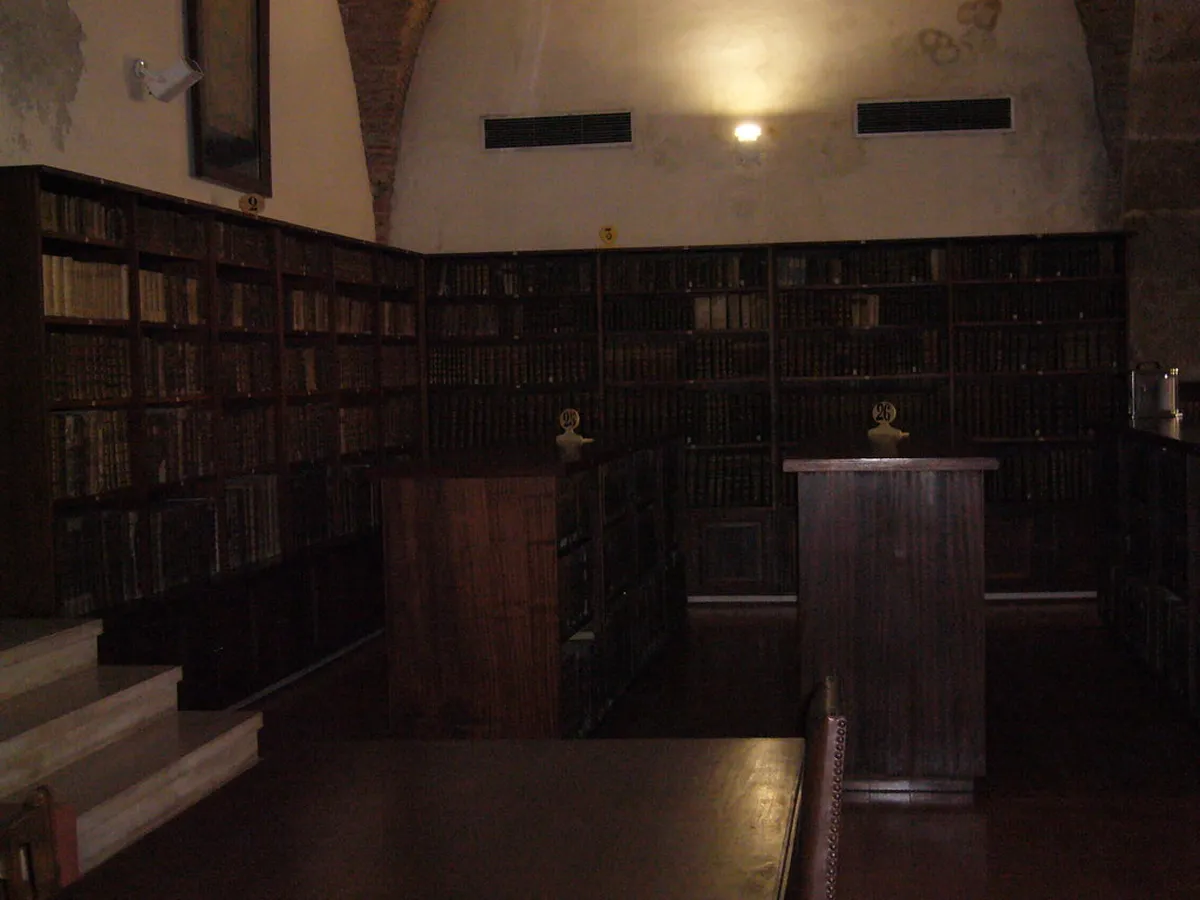
The Biblioteca Joanina — the Joanina Library — is the headline attraction within the campus. Commissioned by King João V in the early 18th century, it contains over 60,000 rare volumes in three barrel-vaulted rooms decorated with gold leaf, lacquered wood, and fresco-painted ceilings. Two practical warnings that most guides gloss over: photography is strictly forbidden inside the library at all times, and entry is managed through timed tickets with strictly limited visitor numbers per slot. If you arrive without a pre-booked ticket, you may wait for hours or be turned away entirely. Book through the university's official ticket portal at least a day in advance, especially in summer 2026.
Here is the detail that stops visitors in their tracks: a colony of small bats has lived inside the Joanina Library for centuries. The bats emerge each evening to eat the insects that would otherwise damage the ancient paper and leather bindings. Staff cover the ornate 18th-century wooden tables with leather cloths every night to protect them from droppings and clean everything each morning. The university considers them part of the conservation infrastructure — not a nuisance, but an ecological solution that has been working for three hundred years. It is the most memorable fact most visitors take home.
Photography is strictly forbidden inside the Joanina Library. Timed entry tickets sell out quickly — book through the university's official portal at least a day in advance, especially in summer 2026.
Student Culture: Repúblicas and the Queima das Fitas
No competitor guide fully explains what makes Coimbra's student culture distinct from any other university city in Europe — and it is worth spending a paragraph on it. The Repúblicas are communal student houses that have existed in Coimbra since the Middle Ages. Unlike dormitories or shared rentals, these are self-governing collectives with their own rules, traditions, and political identities. Most have been occupied continuously for decades, even centuries. You can identify them by the flags, banners, and frequently painted slogans on their facades as you walk the Alta. Residents hold weekly cultural events and sometimes parties, and the houses contribute significantly to the city's social energy during term time.
The academic uniform is also immediately visible: students wear a black cape and suit called the traje académico. This is not a tourist affectation. Students wear it during exams, formal events, and especially during the Queima das Fitas — the "Burning of the Ribbons" — a week-long festival held in late May or early June to mark the end of the academic year. Serenades fill the streets from dusk, faculties parade through the Baixa in formation, and on the final night students ceremonially burn the colored ribbons attached to their academic folders. If your trip to Coimbra falls in late May 2026, plan around this festival: the city is transformed, the Fado performances are extraordinary, and the atmosphere is impossible to find anywhere else in Portugal.
One practical note: the city's rhythm changes dramatically between term time and holidays. During weekdays when classes are in session, the streets are packed with students and the energy is palpable. On weekends and during summer break, students return to their home towns and the city becomes noticeably quieter and more tourist-facing. Both versions of Coimbra are worth experiencing, but the term-time version — especially around exam season in spring — is the one that reflects the city's true character.
Must-See Religious Sites: Santa Cruz and Santa Clara
The Santa Cruz Monastery anchors the Baixa district and is the first major religious stop for most visitors. Its ornate Manueline facade faces the Praça 8 de Maio, a lively pedestrian square with white marble paving. Inside, the monastery houses the tombs of Portugal's first two kings, Afonso Henriques and Sancho I. The quiet cloisters behind the church provide a peaceful contrast to the bustling square outside. Read the official entry on the Santa Cruz Monastery - Center of Portugal for current opening hours and ticket prices.
Across the river, two Santa Clara monasteries tell a story of adaptation and resilience. The 14th-century Santa Clara-a-Velha was repeatedly flooded by the Mondego over the centuries and eventually abandoned by its nuns in the 1670s. Excavated and opened to the public in the early 2000s, the partially submerged Gothic ruins now include a visitor center that contextualizes the archaeology. It is one of the more atmospheric historical sites in the region. Higher on the hill, Santa Clara-a-Nova was built specifically to escape the flooding. It houses the silver tomb of Queen Saint Isabel, the city's beloved patron, and offers wide views over the river valley from its upper terrace.
The Sé Velha (Old Cathedral) is another essential stop. Built in the 12th century during the reign of Afonso Henriques, it is one of the finest Romanesque buildings in Portugal and still looks like a military fortification from the outside. The interior is comparatively austere — deliberately so, as the Romanesque style prized proportion over decoration. Climbing to the upper gallery gives a close-up view of the carved capitals and a direct sightline toward the university above. The Sé Nova (New Cathedral), a short walk away, offers a Jesuit counterpoint: lighter, more theatrical, and built four centuries later.
Museums and Roman Ruins: Machado de Castro and Conimbriga
The Machado de Castro National Museum is built directly over a Roman administrative complex. Walking through the original underground cryptoporticus — the vaulted stone corridor dating to the 1st century CE — is one of the most visceral historical experiences in Central Portugal. The museum above it holds an exceptional collection of religious sculpture, gold artifacts, and decorative arts spanning multiple centuries. It is widely considered one of the most important cultural institutions in the Iberian Peninsula and is chronically undervisited relative to its quality.
Conimbriga, 15 kilometers southwest of Coimbra, is the most extensively excavated Roman settlement in Portugal. The floor mosaics are exceptional: vivid geometric and mythological scenes in stone covering entire rooms of residential villas. Plan at least two hours on site and bring sun protection, as there is very little natural shade. The onsite museum provides context for the finds not visible in the excavated area, including ceramics, coins, and personal objects.
Getting there is where travelers consistently run into problems. The Conimbriga bus — Linha 7 from Coimbra's Praça da República — runs a limited schedule and is the cheapest option at under €3 each way, but services are infrequent and the last return to the city can be as early as 18:00. A taxi from Coimbra costs roughly €20–25 each way and gives you full control over timing. Ride-sharing apps also operate in the city. If you are combining Conimbriga with the nearby village of Condeixa-a-Nova (worth a short stop for its market square), a hired taxi for a half-day makes the most sense financially and logistically.
Parks and Gardens: From Botanical Beauty to Romantic Legends
The University Botanical Garden was established in 1772 and is one of the oldest in Europe. It contains more than 1,200 plant species — including collections from former Portuguese colonies in Africa, Brazil, and Asia — spread across tiered terraces that drop down the hillside below the university. Entry to the main sections is free. The bamboo forest is particularly striking and provides welcome shade on warm afternoons. Locals use the garden as a lunch break escape, which makes it a good place to observe the city's everyday rhythms away from tourist circuits.
Quinta das Lágrimas translates as "Estate of Tears," and the name carries the weight of the city's most celebrated love story. Prince Pedro fell for Inês de Castro, his wife's lady-in-waiting. Their relationship was forbidden but the couple married secretly; Pedro's father, King Afonso IV, ordered Inês murdered in 1355. The gardens now surround a five-star hotel, but non-guests can pay a small fee — currently around €3 — to walk the grounds. The fountain said to have run red with Inês's blood is ringed by red moss that still grows there today. It is theatrical and melancholy in equal measure.
The Parque Verde do Mondego runs along both banks of the river and offers a completely different register: modern, recreational, and flat. You can rent pedal boats, walk or jog the paved riverside paths, or take a kayak onto the water. Several cafes overlook the river and are perfect for a late afternoon beer or coffee. The Pedro e Inês footbridge connects both banks and gives the best unobstructed view of the university hill. Cross it at sunset for the photograph most visitors have pinned before they arrive.
What to Eat: Finding the Best Local Tavernas
The Coimbra food scene is shaped by its large student population and its proximity to farming communities that produce exceptional raw ingredients. Chanfana is the signature dish: goat (or sometimes lamb) marinated in red wine and slow-cooked in a clay pot with garlic and herbs until falling apart. Leitão à Bairrada — crispy-skinned roast suckling pig from the Bairrada region just north of the city — is equally celebrated and often served as the centrepiece of long Sunday lunches. Bacalhau (salt cod) appears in dozens of preparations; Bacalhau à Lagareiro, baked with olive oil, garlic, and potatoes, is the most traditional local version. Check a guide to the best restaurants in Coimbra to find current top picks across price ranges.
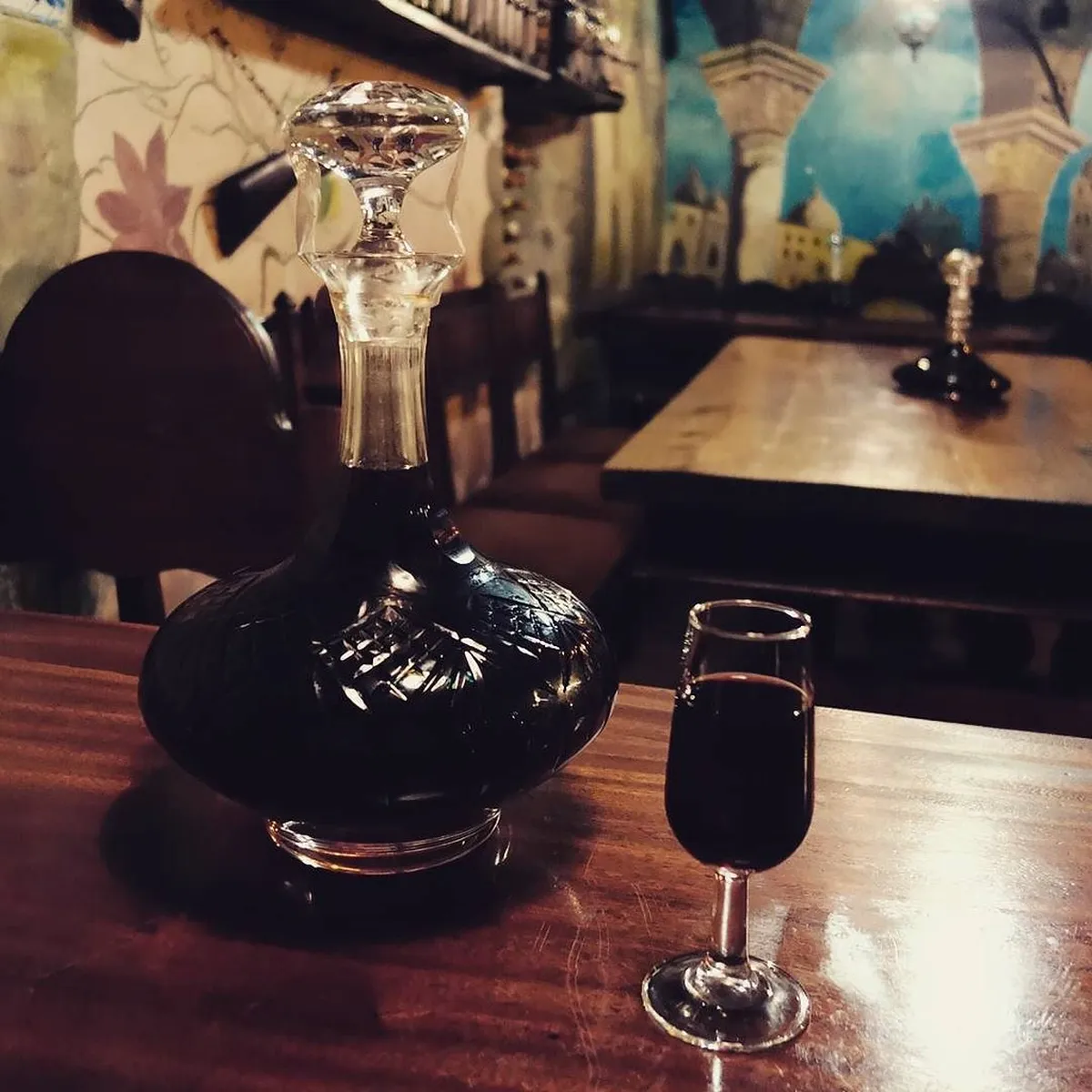
For sweets, Pastel de Tentúgal is the standout local specialty: paper-thin pastry dough wrapped around a rich egg-cream filling, baked until lightly golden. Queijadas de Coimbra — small cheesy custard pastries — are sold at bakeries throughout the Baixa. Arroz doce (rice pudding) and pudim abade de priscos (a dense, caramel-rich flan) appear on most traditional menus. Pair savory dishes with Bairrada wine — the region produces bold reds from the Baga grape and surprisingly good espumante (sparkling wine) that rarely appears on export markets. Budget tavernas in the lower town serve daily lunch menus for €7–10, aimed squarely at the student market: good food, no frills, fast service.
Experiencing Fado de Coimbra is a separate category from dining but overlaps with it in the evening. Unlike the Lisbon style, Coimbra Fado is traditionally performed only by male students and former students, with an acoustic guitar accompaniment that is softer and more introspective. Casa de Fado ao Centro in the historic center runs regular performances; the Torre de Anto houses a Fado museum where you can see instruments played by the late Carlos Paredes, widely considered the greatest Coimbra Fado guitarist. One firm etiquette rule: never applaud during or between songs. The correct appreciation is a quiet cough or low hum. Clapping is considered disrespectful in a traditional Fado setting and will mark you immediately as a tourist who has not done their research.
Where to Stay in Coimbra
The three main neighborhoods for accommodation align with the city's two-level geography. Coimbra Alta (upper town, near the university) puts you closest to the main sights but involves steep streets and stairs. Coimbra Baixa (lower town, on the north bank of the river) is flatter, more commercial, and central to bus routes. Santa Clara, across the river, is quieter and residential — a good choice if you want distance from student nightlife but easy access to the monasteries on that side.
At the luxury end, Quinta das Lágrimas is a five-star property housed in a former 14th-century palace on the Santa Clara side of the river. Rates run around €200 per night in high season and include access to a spa and pool. Solar Antigo Luxury Coimbra, in the upper town, is a small boutique hotel with a more eccentric design sensibility; some rooms have private jacuzzis and breakfast is delivered to your door. Expect around €130 per night. For midrange options, Hotel Mondego in the Baixa offers bright, comfortable rooms at roughly €110 per night. Budget travelers should look for smaller guesthouses in the Baixa district; rates of €50–70 per night are common outside peak summer weeks. Staying at least one night is strongly recommended — the city changes character completely once day-trippers leave in the late afternoon, and the student-driven evening atmosphere is genuinely distinctive.
How to Spend One Day in Coimbra
Start at the university campus as early as possible — the Joanina Library timed entry slots fill fastest and you want the first available window. Book your library ticket online before arriving. From the library, walk the Paço das Escolas courtyard, then visit St. Michael's Chapel and the Royal Palace rooms. A Coimbra old town walking guide will help you find the best descent route through the Alta's narrow lanes back toward the Baixa, passing student housing and artisan shops along the way.
Spend late morning at the Sé Velha and the surrounding medieval quarter. Lunch in the Baixa: choose a taverna on or near Rua das Azeiteiras for authentic daily menus at student prices. After lunch, cross the river to visit Santa Clara-a-Velha. If time permits, continue to Quinta das Lágrimas for a walk through the gardens. Late afternoon is perfect for the Parque Verde do Mondego and the Pedro e Inês bridge at sunset. End the day with a Fado performance — book a table at Casa de Fado ao Centro in advance, especially on weekends. For those with a car, a Coimbra to Fatima day trip is possible as an extension if you have a second day.
Most visitors find that one full day covers the major landmarks. Two days allows for Conimbriga, the Machado de Castro Museum, and the Botanical Garden at a relaxed pace. Staying two nights and spending the second evening exploring the Baixa's bars and listening to students playing guitar in the streets is the experience that most separates a genuinely memorable Coimbra visit from a rushed tick-the-boxes transit stop.
Active Travel: Cycle Tours and Road Trip Itineraries
Coimbra is the starting point for one of Portugal's most rewarding cycling routes. Heading north from the city, the riverside and railway paths through the Douro Valley offer a largely flat, spectacularly scenic corridor all the way to Porto. Several operators run supported cycling tours on this route, and the 6-day format — pedaling between wine estates and river towns — has become popular enough to book weeks in advance in summer 2026. The Mondego river paths near the city are flat and accessible for casual riders; e-bike and mountain bike rentals are available in the Baixa district for those who want to tackle the surrounding hills.
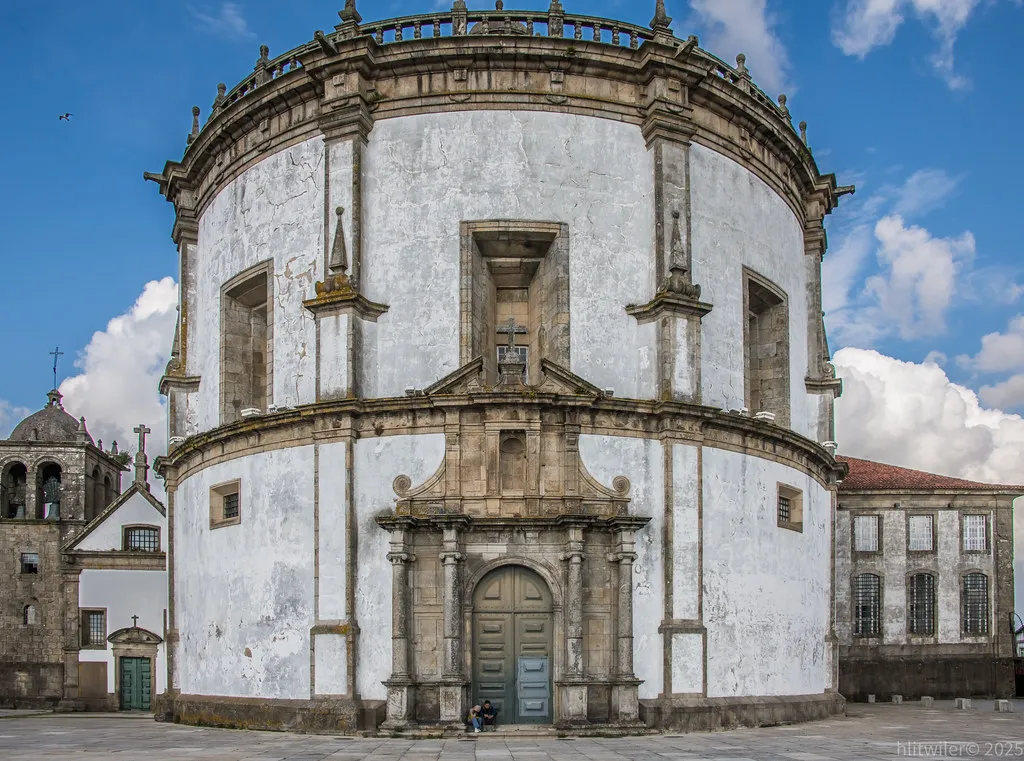
As a road trip base, Coimbra sits at a genuinely useful geographic junction. Figueira da Foz, a lively Atlantic resort town with a wide sandy beach, is 45 minutes west — a good afternoon escape from the inland heat in July or August. The schist villages of the Lousã hills are 30 minutes east and largely unknown to international tourists. Aveiro, Portugal's canal city with its colorful moliceiro boats, is 55 minutes north. For a longer excursion, Tomar — home to the extraordinary Convent of Christ, a UNESCO site built by the Knights Templar — is about 70 minutes south by car and combines well with a Coimbra base.
The Quebra-Costas stairs — the name means "back-breaker" — offer the most direct walking route between the Baixa and the university. The climb is steep and the traditional Portuguese cobbles can be slippery when wet. Wear shoes with grip. The reward at the top is immediate: a view down over the river that gives you the clearest sense of why the Romans and then the medieval kings chose this particular hill as their seat of power.
Frequently Asked Questions
Where exactly is Coimbra located in Portugal?
Coimbra is located in the central region of Portugal, roughly halfway between Lisbon and Porto. It sits on the banks of the Mondego River in the Coimbra District. This strategic location makes it an ideal stop for travelers moving between the two largest cities.
Is Coimbra closer to Lisbon or Porto?
Coimbra is significantly closer to Porto than it is to Lisbon. It is about 120 kilometers south of Porto and 200 kilometers north of Lisbon. High-speed trains connect both cities to Coimbra in under two hours. You can find more details in our Porto to Coimbra train guide.
How many days do you need in Coimbra?
Most visitors find that one full day is enough to see the major landmarks like the University and the Old Town. However, two days allow for a more relaxed pace and a trip to the nearby Roman ruins of Conimbriga. Staying longer lets you explore the surrounding central region.
Is Coimbra worth visiting on a short trip?
Yes, Coimbra is absolutely worth visiting for its unique history and the world-famous Joanina Library. It offers a distinct academic atmosphere that you won't find elsewhere in Portugal. Even a few hours spent on the university hill can be a highlight of your entire journey.
Coimbra remains a vital part of the Portuguese experience for any traveler seeking history and culture. Its central location makes it one of the most accessible and rewarding destinations in the entire country. From the ancient library to the soulful sounds of Fado, the city offers endless opportunities for discovery. Plan your visit to this historic capital to see the academic heart of Portugal for yourself.
See our Coimbra things-to-do guide for the broader overview.
For related Coimbra deep-dives, see our Lisbon To Coimbra By Train Travel Guide and Coimbra to Porto by Train: 2026 Schedule, Prices & Stations guides.