7 Things to Know About Portugal in February
Is Portugal in February worth it? Discover the best regions to visit, how to find 50% off luxury hotels, and why the almond blossoms make this the ultimate low-season trip.
On this page
7 Things to Know About Portugal in February
Portugal in February is not the easiest sell on paper. The weather is unpredictable, some resort towns are mostly shut, and the Atlantic can be grey for days at a stretch. But arrive with flexible plans and realistic expectations and you will find one of the best-value travel windows the country offers. This is the best month to visit Portugal if your priority is luxury for less and empty streets at the country's greatest monuments.
Prices for five-star hotels in Lisbon and the Algarve often fall by 50 percent compared to July. The almond trees bloom across the Algarve and the Douro Valley in late February, turning hillsides white and pink. Surfers arrive from across Europe for the peak big-wave season at Nazaré and Ericeira. And Carnival brings genuine street-level energy to cities that otherwise run at a quiet winter pace.
Weather and Temperatures Across Portugal in February
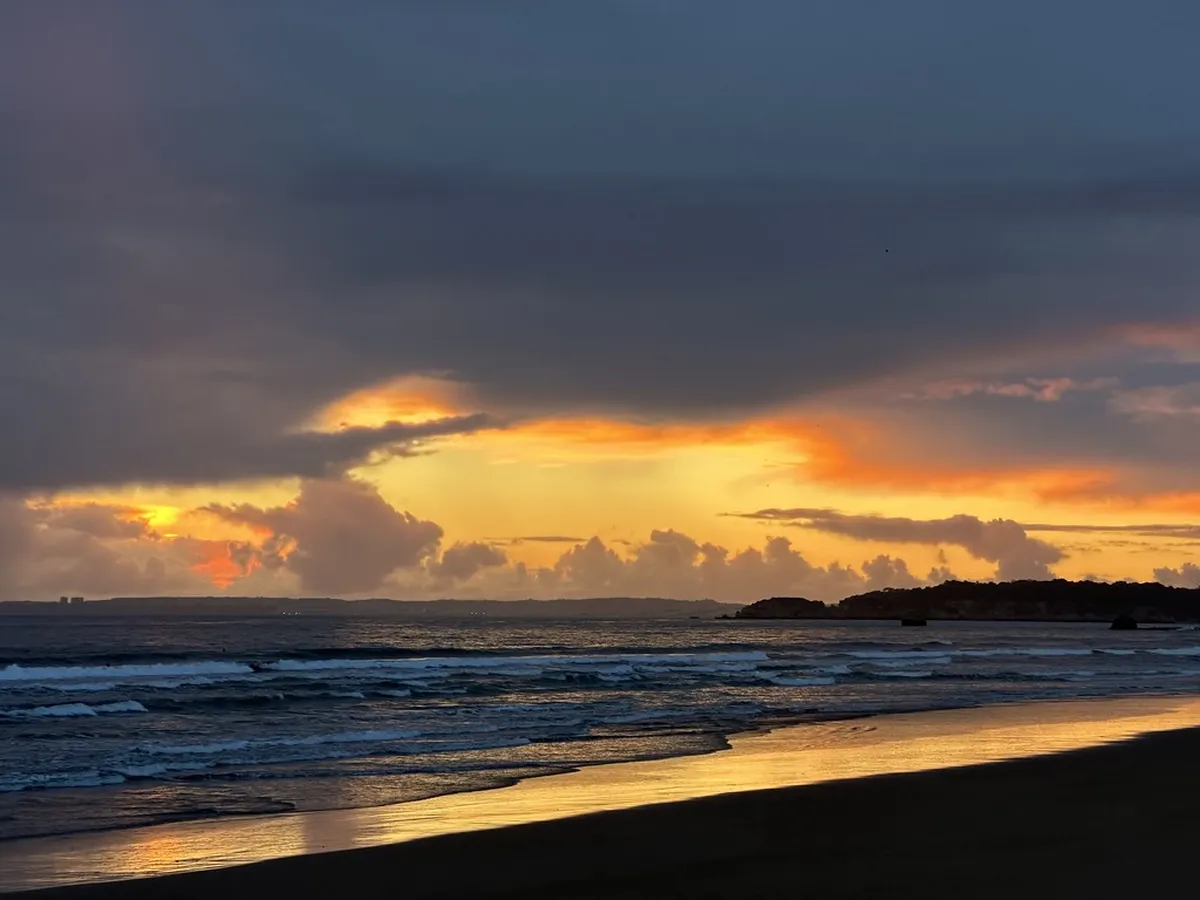
Portugal has three distinct climate zones in February and the difference between them is significant enough to shape your entire itinerary. Lisbon typically sees daytime highs around 15–16°C / 59–61°F with around 10 rainy days spread across the month. Porto is cooler and wetter, with highs of 13–14°C / 55–57°F and closer to 12 rainy days. The Algarve is reliably the warmest region, reaching 17–18°C / 63–64°F on clear days, with notably fewer rainy days than the north.
A regional quirk worth knowing in Lisbon is what the narrow streets of Alfama do to temperature perception. The stone-walled lanes stay in shadow for much of the short winter day, making 15°C feel several degrees colder. Book a south-facing room and carry a windproof mid-layer even when the forecast looks mild. Coastal winds along the Atlantic can also add a sharp bite to evenings in both Lisbon and Porto.
The short version: if the entire country is forecast to be wet, base yourself in Lisbon or Porto and lean into the indoor sights. If there is any sun, the Algarve is the most reliable bet for seeing it. Portugal's express train network means you can shift from Porto to the Algarve in roughly 5.5 hours, which makes following the weather genuinely practical.
| Region | Avg High | Avg Low | Rain Days | Best Use |
|---|---|---|---|---|
| Lisbon | 16°C / 61°F | 9°C / 48°F | ~10 | Museums, Fado, day trips |
| Porto | 14°C / 57°F | 8°C / 46°F | ~12 | Port cellars, Ribeira walks |
| Algarve (Faro) | 18°C / 64°F | 10°C / 50°F | ~6 | Hiking, golf, sunshine |
| Douro Valley | 13°C / 55°F | 5°C / 41°F | ~9 | Almond blossoms, wine estates |
Check the Portugal weather by month guide for a full seasonal comparison if you are deciding between February and March.
Crowds and Costs: The Low Season Advantage
February is the quietest full month of the Portuguese tourism calendar. The Jerónimos Monastery, Torre de Belém, and the Sintra palaces can all be visited without any queue. You can walk the cloisters of Jerónimos and hear nothing but your own footsteps. This is genuinely rare — in July those same spaces are packed with tour groups shoulder to shoulder.
The pricing gap is real and significant. Luxury hotels in Lisbon's Bairro Alto and the Algarve's resort corridors regularly discount rooms by 40–50 percent compared to peak season. A hotel that costs €350 per night in August often drops below €180 in February. Michelin-starred restaurants that require bookings weeks in advance in summer are walk-in accessible most evenings. Local waiters have time to make real recommendations rather than manage a queue.
The Number 28 tram in Lisbon is a useful indicator of the season. In summer it is so overcrowded with tourists that residents often refuse to board. In February it runs on schedule and you can nearly always find a seat. The same applies to the funiculars in Porto's historic Ribeira district. Transport is simply less stressful and the city moves at a pace that lets you actually observe it.
Budget travellers can find solid guesthouses in central Lisbon for under €60 a night. Mid-range travellers get genuine value: boutique hotels with views over the Tagus for what a central hostel costs in August. The savings free up budget for the things that genuinely matter — a good wine dinner in the Bairro Alto, a day trip to Sintra by train, or a night at a Fado house in Alfama.
Luxury hotels in Lisbon and the Algarve regularly discount rooms by 40–50 percent in February compared to peak season — a hotel costing €350 in August often drops below €180. Michelin-starred restaurants that require advance bookings in summer are usually walk-in accessible most evenings.
Highlights of Portugal in February
The almond blossoms are the most visually distinctive event of the month. The hillsides around Tavira and Silves in the eastern Algarve, and the terraced slopes of the Douro Valley near Peso da Régua, turn white and soft pink from mid-February onward. Portuguese families drive out on weekends specifically for this. If you time your trip to catch them, the landscapes look more like Japan in cherry blossom season than anything most visitors associate with winter Portugal.
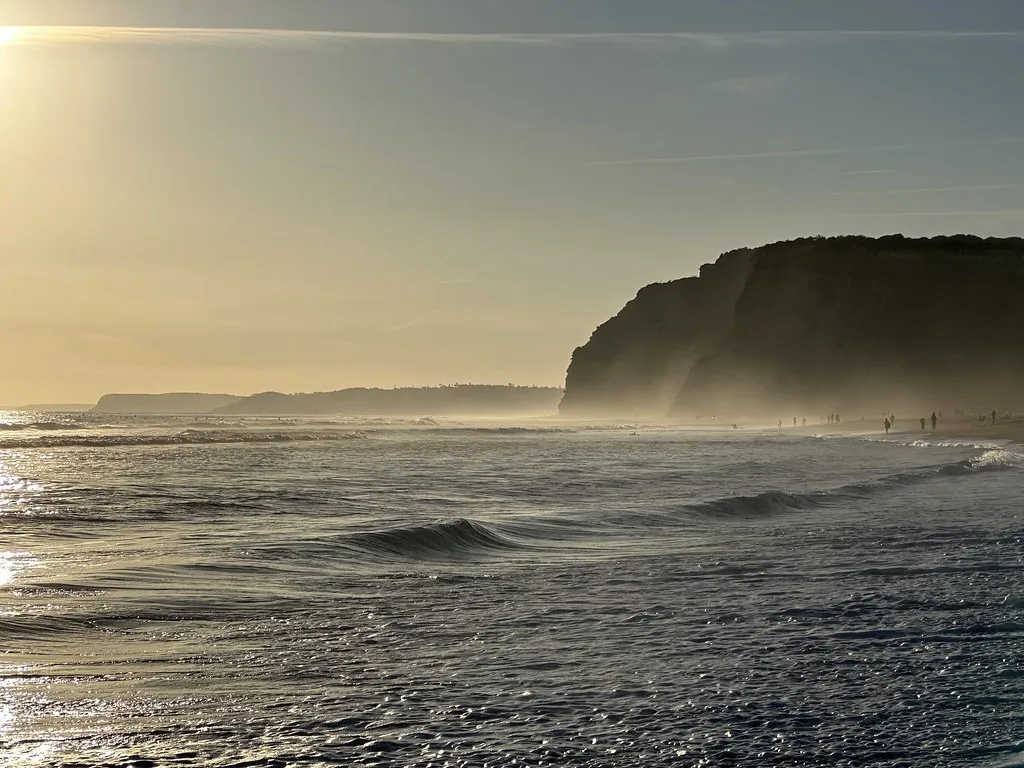
For surfers and wave-watchers, February is peak season at Nazaré. The massive underwater canyon that funnels Atlantic swells into record-breaking waves is most active between November and March. Waves of 20–30 metres are not unusual on the right swell, and watching a big-wave session from the Forte de São Miguel Arcanjo cliffs is one of the most viscerally impressive free spectacles in Europe. No ticket, no booking — just show up.
Ericeira, one hour north of Lisbon by bus, is a World Surfing Reserve — the second ever designated, after Malibu — and its consistent winter swells attract surfers of all levels. Beginners can book lessons at local surf schools operating year-round; advanced surfers target breaks like Ribeira d'Ilhas and Coxos. The town itself is quiet, affordable in February, and full of good seafood restaurants that close tables early in summer but are unhurried now.
Winter is also the best season for hearty Portuguese cooking. Caldo Verde (kale and potato soup with chouriço), Cozido à Portuguesa (slow-braised mixed meats and vegetables), and Açorda Alentejana (bread-based garlic soup) are all cold-weather staples that feel exactly right eaten by the window of a neighbourhood tasca while it rains outside. Pair any of them with a glass of Alentejo red and the low-season atmosphere becomes a genuine pleasure rather than a compromise.
Best Regions to Visit: From Lisbon to the Algarve
Lisbon is the most reliable February base for first-time visitors. The city's indoor offer is deep — the Museu Nacional do Azulejo, the Museu Nacional de Arte Antiga, the Museu do Design e da Moda, and the Calouste Gulbenkian Foundation are all world-class and blissfully uncrowded. Fado houses in Alfama run shows through the winter and you will not need a reservation most evenings. Follow a Lisbon in winter off-season guide to find the neighbourhood tascas and viewpoints that most visitors miss entirely.
The Algarve is the best choice if sunshine is your priority. Stick to the larger towns in February — Lagos, Albufeira, Faro, and Tavira all maintain restaurants, cafes, and accommodation year-round. Smaller villages like Alvor and Armação de Pêra go largely dormant and offer little to do once the beach is out of season. Read the Lagos in winter off-season guide for practical logistics on what stays open and when.
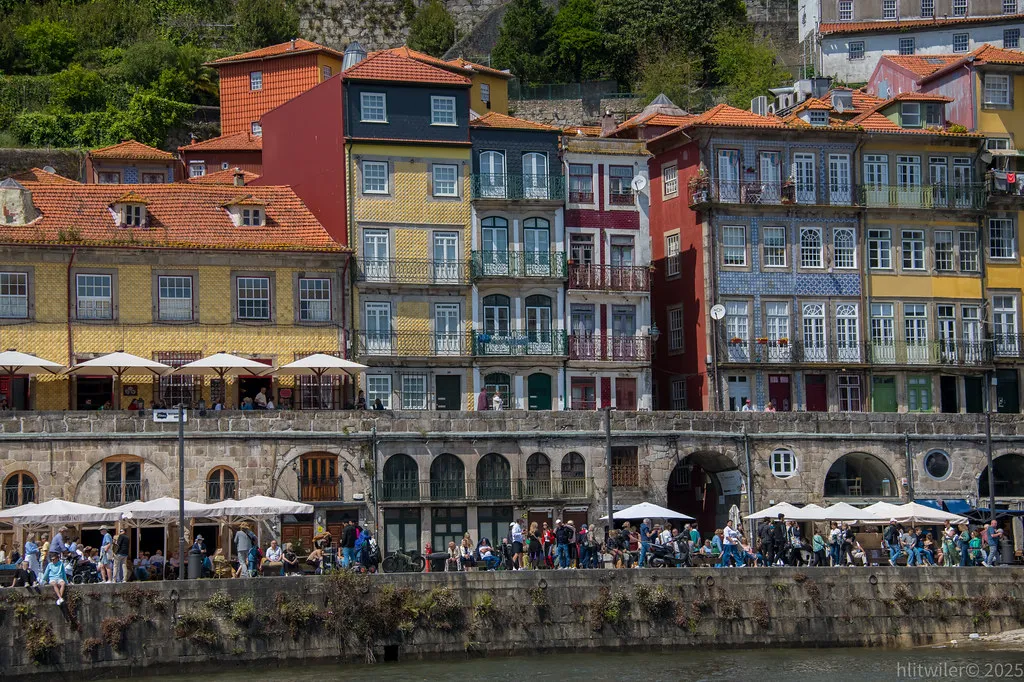
Porto has the moodiest and most atmospheric character of any Portuguese city in winter. The mist over the Douro, the azulejo-tiled facades of the Ribeira, and the Port wine cellars of Vila Nova de Gaia all feel more evocative in winter light than in flat summer sunshine. Over ten Port houses in Vila Nova de Gaia offer cellar tours year-round; Calem, Ferreira, and Real Companhia Velha are consistently well-run. Check the best time to visit Porto guide for a month-by-month breakdown.
The Douro Valley is quieter than Porto but rewards those who make the effort. The vines are bare in February but the landscape is still dramatic, and the almond trees on the terraced slopes are often at peak bloom. Luxury quinta stays are significantly cheaper than in harvest season. Driving the N222 road above Peso da Régua on a clear February morning, with mist in the valleys below and blossoms on the hillsides, is one of the finer drives in the country.
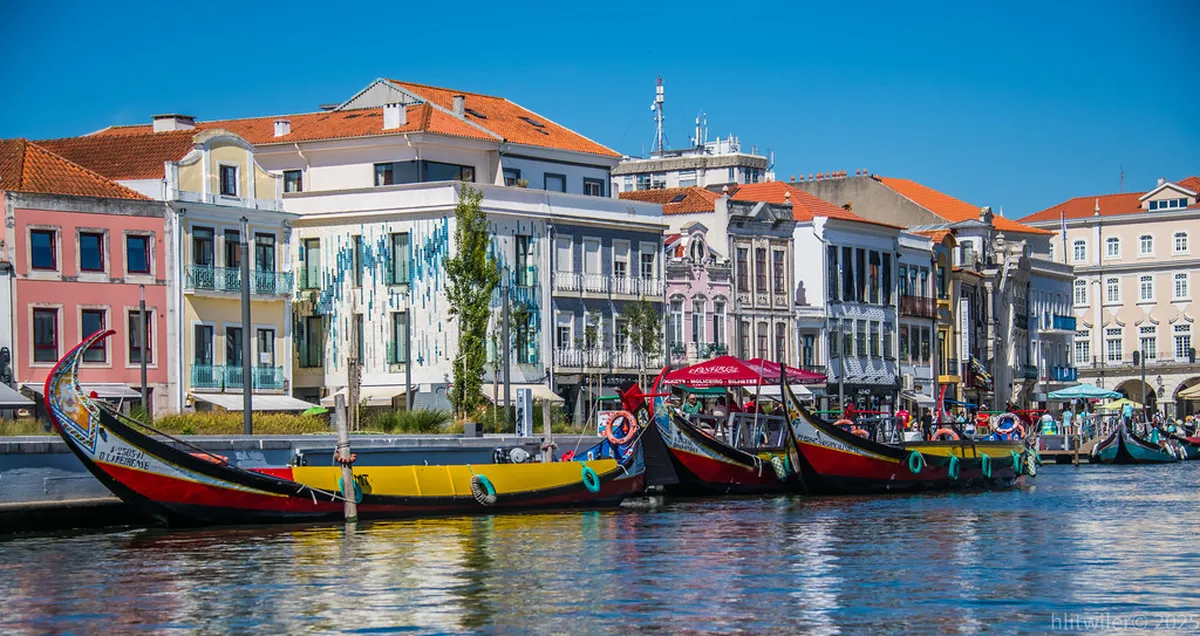
Visit Aveiro for its canal network and Art Nouveau architecture without the summer crowds. The moliceiro boat tours run year-round and feel appropriately peaceful in February. The local sweet — Ovos Moles, egg yolk and sugar in a shell-shaped wafer — is sold fresh in the market hall and makes an easy picnic lunch.
Events in February: Carnival, Valentine's Day, and Fantasporto
Carnival is the dominant event of the month and it runs nationwide in the days before Ash Wednesday. Lisbon hosts street parties and processions across the city, but the standout event is in Loulé in the eastern Algarve. Loulé's Carnival is genuinely impressive — three days of Brazilian-style parades with giant satirical floats, elaborate costumes, and samba dancers along the main boulevard. If you are in the Algarve during Carnival week, it is worth the detour. Torres Vedras, north of Lisbon, is another major venue known for sharp political satire and intense local participation. Book accommodation at least 6–8 weeks in advance for either town during Carnival.
Valentine's Day falls squarely in the Portuguese low season, which makes it one of the better value romantic weekends in Europe. Lisbon in particular is well set up for it. Boutique hotels near Rossio Square and in Bairro Alto have short-break packages and the prices remain far below what any comparable European capital charges in mid-February. A sunset boat trip on the Tagus from Terreiro do Paço, a dinner along Avenida Ribeira das Naus, and a day trip to Sintra by train from Rossio Station covers the essential romantic itinerary without any elaborate planning.
Fantasporto, Porto's International Fantasy Film Festival, runs for two weeks from the third week of February through the first week of March. The main venue is the Art Deco Rivoli Theatre in central Porto. The programme spans fantasy, horror, and science fiction, and the event draws directors and actors for Q&A screenings. If you are visiting Porto in late February, it adds a genuinely local cultural dimension to the trip.
February Hiking and Surf: The Trails and Waves Most Guides Skip
The Rota Vicentina is one of Portugal's best long-distance trails and February is arguably the finest month to walk it. The route runs 450 km through the Alentejo coast and the western Algarve, ending at Cabo de São Vicente — Europe's southwestern tip. Two main variants exist: the Fishermen's Trail (coastal cliffs and beaches) and the Historical Way (inland farms and villages). In February, the wildflowers are starting and the trail is almost completely empty. Temperatures are cool enough to walk comfortably all day without heat exhaustion. The Via Algarviana (300 km from Alcoutim to Cabo de São Vicente) covers similar terrain and is equally uncrowded. Both trails have well-signposted sections you can walk independently from 3 to 7 days without specialist equipment.
Ericeira and Peniche on the west coast produce reliable and powerful surf throughout February. Ericeira's World Surfing Reserve designation covers 4 km of coastline with breaks suited to every level. Ribeira d'Ilhas is the main competition beach and works best on a northwest swell; Coxos is a barrelling right-hander for experienced surfers only. Peniche's Supertubos, known as the Portuguese Pipeline, hosts the WSL Championship Tour in October but the wave is surfable all winter with appropriate wetsuit thickness (4/3 mm minimum in February). Several surf schools in both towns offer multi-day courses aimed at beginners and improvers, and accommodation packages with board rental are readily available at low-season rates.
Golf in the Algarve is also at its best value in February. Green fees at courses within the Vilamoura, Lagos, and Quinta do Lago corridors drop significantly during the off-peak winter window. Tee times are available without the weeks of advance booking that peak season requires. The fairways are in good condition after winter rains and the temperature is ideal for a full round without mid-afternoon heat fatigue.
What to Pack: Preparing for the Urban Canyon Chill
Packing for Portugal in February requires a layering strategy rather than a single warm coat. Daytime in the Algarve can reach 18°C in full sun while evening temperatures in Lisbon drop to 8–9°C. The most useful item you can bring is a windproof, waterproof mid-layer — not a heavy winter coat, but something that blocks Atlantic gusts and handles a sudden downpour without becoming saturated. A standard fashion umbrella is largely useless against the wind on any exposed promenade; a compact storm umbrella or waterproof hood is more practical.
The Urban Canyon effect in Alfama and the medieval lanes of Porto means shade is pervasive for much of the short winter day. Stone buildings absorb the cold and the narrow streets channel wind. What reads as 15°C on your phone weather app feels significantly colder in practice when you have been walking shaded alleys for two hours. A light merino base layer under your normal clothes makes an outsized difference and packs to almost nothing.
- Waterproof windproof outer jacket — blocks Atlantic coastal gusts and handles downpours
- Waterproof walking shoes — Portuguese limestone cobblestones are very slippery when wet
- Merino wool base layers — regulate temperature in shaded street canyons without bulk
- Warm slippers or indoor shoes — tile and stone floors in apartments and guesthouses hold cold all day
- Sunglasses — winter sun is low-angle and bright, particularly on the Algarve coast
What's Closed in Low Season
Coastal resort towns in the western Algarve go largely dormant in February. Small villages like Alvor, Armação de Pêra, and Olhos de Água may have only one or two cafes open and little else. Boat tours and dolphin-watching trips along the Algarve coast are subject to weather cancellations; confirm the day before rather than booking weeks in advance. Ferries to the Berlenga Islands off Peniche are suspended through the winter due to Atlantic swells.
Some smaller hotels in the Alentejo take annual breaks in January and February for renovation and staff holidays. Rural quintas that do not host winery tours may be closed entirely. Always confirm direct before booking accommodation more than 30 km from a major town. Water parks and outdoor seasonal attractions are universally closed until April at the earliest. If swimming matters to you, look specifically for hotels with heated indoor pools — common in four-star properties but worth confirming at three-star level.
Boat tours and dolphin-watching trips along the Algarve coast are subject to weather cancellations in February. Confirm availability the day before rather than booking weeks in advance. Ferries to the Berlenga Islands off Peniche are suspended through the winter due to Atlantic swells.
More Helpful Information for Planning Your Trip
The Portugal rainy season peaks in December and January, and February sits at the tail end of it. The north — Porto and the Minho region — gets the most rain. Plan with a contingency: if heavy rain is forecast for your northern days, the Algarve is 2.5 hours by train from Lisbon and consistently drier. Portugal's Alfa Pendular trains are fast, punctual, and bookable on the CP website; the Lisbon–Porto route takes 3 hours and runs frequently throughout the day.
The Alcobaça Monastery and the Batalha Monastery, both UNESCO sites roughly 90 minutes north of Lisbon, are among the finest Gothic buildings in Europe. In February they have almost no visitors. The sheer scale of Alcobaça's church — one of the largest in Portugal — only becomes apparent when it is empty and silent. These are easy combined day trips by bus from Lisbon or by rental car.
Local life continues without interruption through February. The neighbourhood tascas and pastelarias fill at 08:00 with regulars eating breakfast; the markets in Lisbon's Mouraria, Porto's Bolhão, and Faro's indoor Mercado Municipal all operate normally. February is when you get the Portugal that tourists rarely see — slow, local, and completely unperformed for an outside audience.
Frequently Asked Questions
Is Portugal in February a good month to visit?
Yes, February is excellent for budget travelers and those seeking peace. You will enjoy low prices and thin crowds at major sites. While it is cooler and rainier than summer, the mild days are perfect for sightseeing.
Is it warm enough to swim in Portugal in February?
No, the Atlantic Ocean is very cold in February. Water temperatures stay around 15°C / 59°F, which is too chilly for most. Stick to heated hotel pools if you want to go for a swim.
What is the weather like in the Algarve in February?
The Algarve is the warmest part of Portugal in February. Expect daytime highs of 17°C / 63°F and plenty of bright sunshine. It is much drier than the north, making it ideal for winter hiking.
Portugal in February rewards the traveller who arrives without rigid expectations. The best version of the month combines the Algarve's winter sunshine with Lisbon's deep cultural programme, and ideally catches either Carnival in Loulé or the almond blossoms in the Douro. The savings compared to peak season are real and substantial. The lack of crowds at monuments that are genuinely overwhelming in summer is reason enough on its own. Pack layers, stay flexible on location, and you will see a side of Portugal that most visitors never encounter.
 Faro Weather By Month: 8 Key Climate InsightsJune 4, 2026