10 Things to Know About Visiting Portugal in November
Discover what Portugal in November is really like. From São Martinho festivals and roasted chestnuts to big wave surfing and low-season travel deals.
On this page
10 Things to Know About Visiting Portugal in November
For most travelers, mid-May to mid-June is the best window to visit Portugal. But after a late-November visit to Lisbon in 2024, the picture looked very different. The summer crowds had vanished, leaving behind a city that felt genuinely lived-in. The light was luminous. The restaurants were half-empty and twice as good.
Visiting Portugal in November offers a different kind of magic. You trade beach days for misty mornings, cozy wine bars, and one of the country's most beloved folk traditions. The cultural calendar is more active than most people expect. This guide explains exactly what to expect from November — region by region, week by week.
Many people worry about the Portugal rainy season starting this month. It is true that the north sees more clouds and frequent showers. However, the southern Algarve often stays dry and mild well into the month. You can enjoy four-star hotels at two-star prices.
Portugal Weather in November: Regional Moods and Rain Data
The climate varies significantly between north and south. Porto typically sits between 10–17°C / 50–63°F, with around 11 wet days across the month. Atlantic depressions track inland from the northwest, but showers usually pass quickly. Mornings can be bright even after an overnight downpour.
Lisbon is milder, averaging 12–18°C / 54–64°F and around 9 rainy days. The city holds warmth well thanks to its sheltered estuaries. Check the Lisbon weather by month guide for specific day-by-day patterns. Early November is noticeably drier than the last ten days of the month. For historical climate normals going back decades, Portugal's meteorological institute (IPMA) publishes the full dataset.
Faro and the Algarve are the warmest part of mainland Portugal right now. Daytime highs regularly touch 19°C / 66°F under clear blue skies, with only 5–6 rainy days on average. You can find the full seasonal picture in the Algarve weather by month guide. Hiking the coastal trails or exploring whitewashed hill towns is genuinely comfortable in this weather.
| Region | Average High | Average Low | Avg. Rainy Days |
|---|---|---|---|
| Porto | 17°C / 63°F | 10°C / 50°F | ~11 days |
| Lisbon | 18°C / 64°F | 12°C / 54°F | ~9 days |
| Faro (Algarve) | 19°C / 66°F | 12°C / 54°F | ~6 days |
November in Portugal Is Shoulder Season — and That's the Point
November sits between the genuine low season (mid-January through early March) and the busy shoulder months of September–October. It is quiet enough to move freely through major sights, but not so empty that restaurants close or transport becomes sparse. That balance is rare in Europe in autumn.
Hotel rates in central Lisbon and Porto drop by 30–50% compared to August peaks. Boutique properties in the Bairro Alto or Ribeira neighborhoods often have availability with no advance booking required. Airlines running routes from London, Paris, and Amsterdam frequently discount fares to Lisbon and Porto after the school-holiday window closes. If you are flexible on dates, flying on a Tuesday or Wednesday in early November yields the lowest fares of the year.
Major attractions stay fully open. The Sintra palaces — Pena, Quinta da Regaleira, Monserrate — are all operating with standard hours, and you can walk straight in without queuing. That alone is worth the trip in November. The Jerónimos Monastery in Belém, which sees 90-minute waits in summer, is often empty enough to linger properly.
Hotel rates in central Lisbon and Porto drop by 30–50% compared to August peaks in November. Boutique properties in the Bairro Alto or Ribeira neighborhoods often have walk-in availability with no advance booking required.
Where to Go: Lisbon, Alentejo, and the Douro Valley
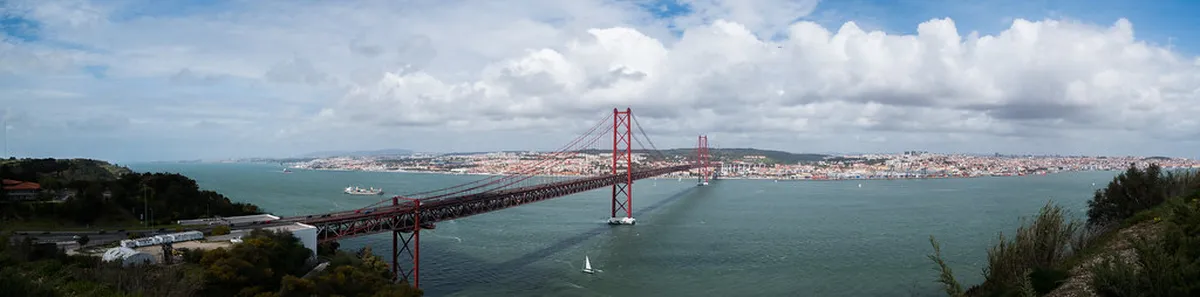
Lisbon is the strongest base for a November trip. The city's limestone streets and miradouros catch the low autumn light in a way that feels completely different from the bleached-out haze of July. Rainy afternoons are well spent inside the Jerónimos Monastery or the Calouste Gulbenkian Museum, one of the finest collections in Europe and almost always uncrowded. The Lisbon in winter guide covers the best indoor itinerary in detail.
The Douro Valley takes on a mystical quality in late autumn. The harvest is finished by mid-October, leaving behind amber and russet terraces that cling to the river gorge. Morning fog rolls in from the Atlantic and settles low over the water. Wineries in Pinhão and Régua remain open for tastings, and you will often have the lodge to yourself. This UNESCO-designated wine region has been producing port and DOC wines for over 2,000 years — November is when it shows its most photogenic face.
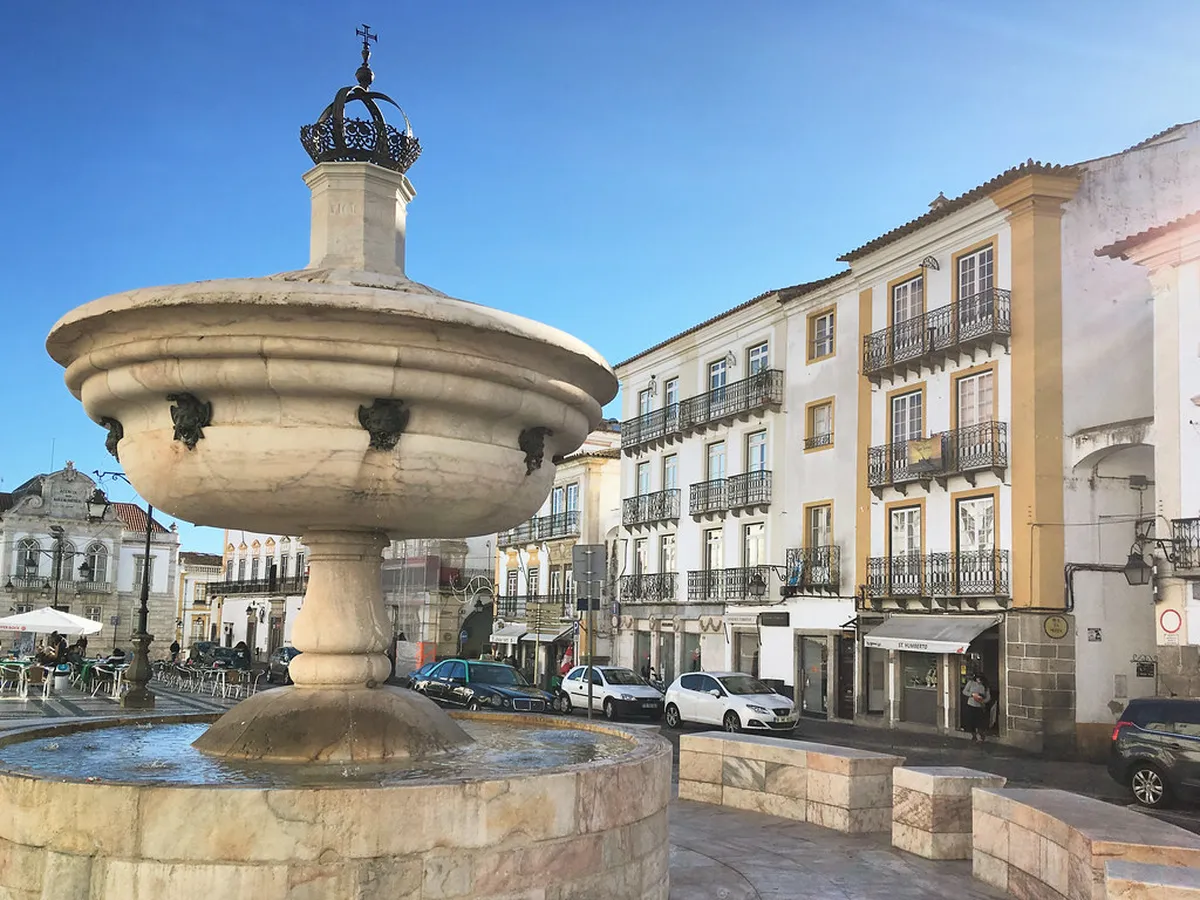
Alentejo rewards those who love rustic, unhurried Portugal. The cork forests and olive groves are mid-harvest now, and rural fairs pop up in towns like Serpa and Beja. The hilltop city of Évora — a UNESCO-protected medieval gem — is walkable and peaceful in a way that is simply impossible in summer. November is also the start of the truffle season in the Alentejo interior, and a few local restaurants quietly serve them fresh.
Top Things to Do: From Museum Days to Big Wave Surfing
November marks the opening of the big wave season in Nazaré. The Nazaré Canyon — a 5,000-metre underwater trench that funnels Atlantic swell directly toward the coast — creates the largest surfable waves on earth. World Surf League events typically run here between November and March, depending on swell timing. Watching from the cliff walk above Praia do Norte is free and extraordinary, but the waves only appear when the right Atlantic low-pressure system aligns. Check a swell forecast tool (Windguru or Magicseaweed) 48 hours before travelling; a forecast of 5 metres+ at 16–18 second period means the canyon will be firing. This is the key practical detail no travel agency mentions: without checking the forecast, you might drive two hours to see a flat, grey sea.
Indoor culture runs deep in November. The Calouste Gulbenkian Museum in Lisbon collects everything from Egyptian antiquities to Lalique glass on a single meandering floor — allow three hours. Porto's Livraria Lello bookshop, which charges a €5 entry voucher redeemable against purchases, has queues measured in minutes rather than the 40-minute crawl of peak summer. The Oceanário de Lisboa suits families and solo travelers equally well on a grey afternoon.
Hiking is excellent throughout the country this month. The Rota Vicentina along the Alentejo coast offers empty clifftop paths with Atlantic views and almost no other walkers. Day trips from Lisbon to Sintra or Setúbal reward those who pick a clear morning — the low November sun creates long shadows across the forests that photographers chase specifically at this time of year.
Events and Festivals: São Martinho, the Horse Fair, and the Porto Marathon
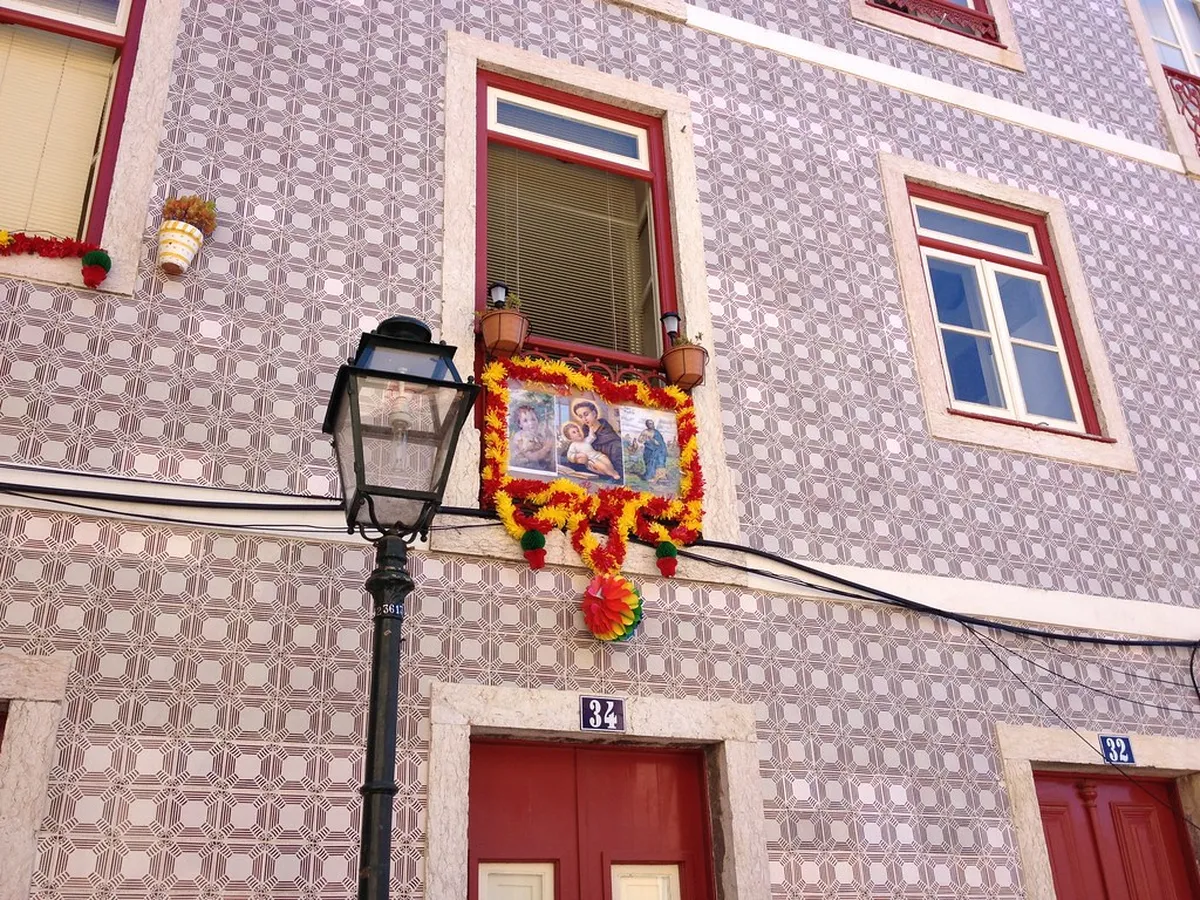
The Festa de São Martinho on November 11th is one of the most genuinely local celebrations on the Portuguese calendar. Across the country, neighborhoods gather for magustos — communal chestnut roasts over open fires or charcoal barrels. Young wine called Vinho Novo flows freely, and in rural areas you will find água-pé, a low-alcohol drink made by adding water to pressed grape skins. The most authentic magustos happen in Trás-os-Montes and the Minho, where entire villages come out into the streets on the evening of the 11th. In Lisbon, the Mouraria and Alfama neighborhoods host smaller versions that are easy to stumble into without planning.
The Porto Marathon runs in early November, starting from Parque da Cidade and looping along the Douro riverfront past the city's iconic bridges. It draws international runners and brings a festive energy to the usually quiet city. Book accommodation in Porto at least six weeks ahead if your visit overlaps with race weekend.
The Feira Nacional do Cavalo in Golegã, held across the first two weeks of November, is one of the most spectacular and least-touristed events in Portugal. Lusitano horses in full traditional dress parade through a small Ribatejo market town. Riders in 18th-century costumes perform dressage in the main square. It draws tens of thousands of Portuguese visitors but almost no foreigners — one of the most authentically Portuguese spectacles you can witness in 2026. Accommodation in Golegã books out months in advance; base yourself in Tomar or Santarém instead.
Christmas Markets: Early Holiday Magic in Lisbon and Porto
Portugal starts its Christmas season earlier than many travelers expect. By mid-November, the Rossio Christmas Market in Lisbon's central square is already open, with wooden stalls selling mulled wine, roasted chestnuts, artisan crafts, and seasonal food. The illuminations along Avenida da Liberdade are switched on before the end of the month. Evenings in the Baixa feel warm and festive even when the daytime is damp.
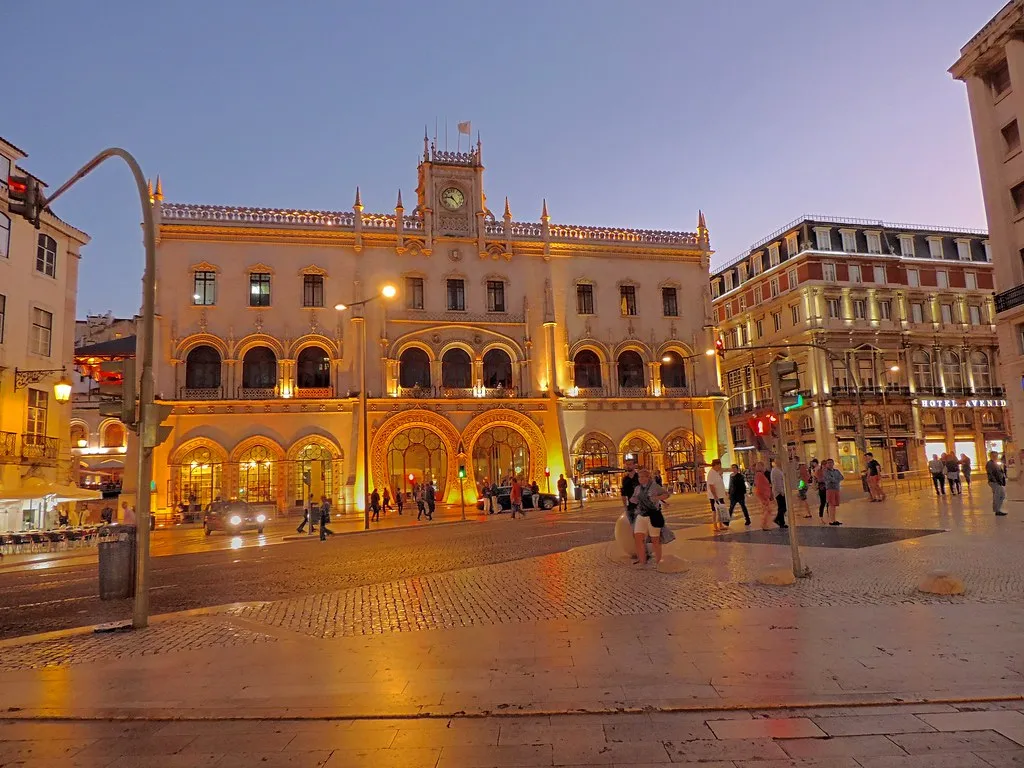
Porto's Christmas market runs along the riverfront near the Ribeira, with the Palácio de Cristal gardens hosting a separate craft and food market later in the month. Cascais and Óbidos also light up their medieval streets with holiday decorations — Óbidos in particular transforms its walled town into a chocolate festival in late November, drawing day-trippers from Lisbon. If you are visiting in the last ten days of the month, factor these markets into your evening plans; they are genuinely good and not yet the tourist crush they become in December.
Seasonal Foods: Chestnuts, New Wine, and Comfort Dishes
The scent of roasting chestnuts — castanhas — fills every city and town in November. Street vendors use traditional charcoal carts, and the paper cones are sold for €1–2 depending on the city. These are not a tourist gimmick; locals eat them as a midday snack throughout the month. Buy from a cart rather than a supermarket bag for the correct smoky flavour.
November is the primary window for Vinho Novo, the year's first young wine. Most of it is light and slightly fizzy, meant to be drunk cool alongside chestnuts rather than saved. Many tascas and tabernas display handwritten signs for água-pé in the first weeks of November — this extremely low-alcohol drink, made from water poured over exhausted grape pomace, is an agricultural tradition that has nearly disappeared outside the Minho and Douro.
Comfort food dominates the colder month. Caldo Verde, the thick kale and potato soup with a round of chouriço, is on every menu from mid-October onward and is never better than in November. Slow-cooked pork with clams (carne de porco à alentejana) is the Alentejo's answer to the season. In Porto, a bowl of tripas à moda do Porto in one of the traditional tascas near the Mercado do Bolhão will cost under €10 and keep you warm for hours.
The Algarve in November: What's Open and What Isn't
The Algarve divides sharply in November. The large seasonal resort strips — Albufeira's strip, Vilamoura Marina's clubs, most of the beach kiosks and sunbed operations — close completely after mid-October. If you base yourself in one of these resort towns expecting the full summer package, you will find a quiet, slightly eerie out-of-season village. That is not necessarily bad, but it requires knowing in advance.
The year-round towns are a different story. Faro, the regional capital, is fully operational with a lively pedestrian old town, good restaurants, and the beautiful Ria Formosa nature reserve on its doorstep. Tavira is one of the most elegant small cities in southern Portugal — its white-and-terracotta Roman bridge and Islamic-influenced architecture are best appreciated without July's crowds. Lagos keeps several restaurants and guesthouses open through winter, and the red sandstone cliffs at Ponta da Piedade are at their most dramatic when clouds roll off the Atlantic in November.
Ferries to the Berlengas Islands suspend service after October — the Atlantic crossing becomes too rough for the small passenger boats. Some rural museums outside major towns shorten their hours or close on Mondays and Tuesdays. Always check official websites before planning a remote day trip. The practical rule: stick to towns with a permanent local population rather than pure summer resorts.
Practical Travel Tips for Portugal in November
Train travel is reliable and cost-effective in November. The Alfa Pendular between Lisbon and Porto takes 2 hours 45 minutes and costs €25–35 booked a week ahead — less than the equivalent flight when you factor in transfers. Regional trains to Sintra, Cascais, and the Setúbal Peninsula run every 20–30 minutes from Lisbon's Rossio and Cais do Sodré stations. For the Douro Valley, the scenic Linha do Douro train from Porto São Bento to Pinhão (2.5 hours, under €15) offers one of the best rail journeys in southern Europe.
Driving is a good option in the Alentejo and Algarve, where public transport becomes sparse outside the main towns. Rental cars are significantly cheaper in November than in summer — expect €20–35 per day for a small automatic booked in advance. Atlantic-facing coastal roads can be wet and gusty in November; allow extra time and check forecasts before heading toward the ocean cliffs.
Restaurant reservations are rarely essential in November, except at a handful of top Lisbon tasting-menu spots. Most good local tascas have walk-in availability. Tipping is not obligatory but rounding up to the nearest euro, or leaving 5–10% for a full meal, is appreciated. Many museums in Lisbon offer free entry on Sunday mornings before 14:00 — a useful budget tool for a rainy November weekend.
The Alfa Pendular train between Lisbon and Porto takes 2 hours 45 minutes and costs €25–35 booked a week ahead — often cheaper than flying once airport transfers are factored in. The scenic Linha do Douro from Porto to Pinhão is under €15 and one of the best rail journeys in southern Europe.
What to Pack for Portugal in November
Layering logic matters more than packing weight for November. The core principle: a lightweight waterproof shell jacket plus two mid-layers (a merino base and a fleece or light sweater) gives you more range than a single heavy wool coat. You can peel off layers when the afternoon sun breaks through; you cannot make a heavy coat lighter when you step into a heated restaurant.
The cobblestone streets of Lisbon and Porto become genuinely slippery in rain. Grippy-soled ankle boots or trail runners are the correct choice — not leather-soled shoes, not flip-flops, and not a roller suitcase (the cobbles will destroy its wheels within two hours). A compact umbrella clips onto a day bag without adding meaningful weight.
- Waterproof shell jacket — handles Atlantic showers without bulk
- Merino base layer — regulates temperature across cool mornings and warm afternoons
- Light fleece or sweater — the critical middle layer when the wind picks up
- Grippy ankle boots or trail runners — cobblestones are treacherous when wet
- Compact folding umbrella — more useful than a poncho in city conditions
- Portable power bank — long photography days drain phones quickly
Final Verdict: Why November Is a Hidden Gem Month
Portugal in November is best suited to travelers who prioritize authenticity over guaranteed sunshine. Prices are at their annual low. Major sights are accessible without planning. The food calendar peaks with chestnuts, new wine, and slow-cooked comfort dishes. And events like the São Martinho magusto and the Golegã horse fair offer a window into Portuguese life that no summer visitor ever sees.

The trade-offs are real: the north can be grey and wet for stretches, some Algarve resorts feel empty, and Nazaré requires swell-watching to time correctly. But these are manageable variables, not dealbreakers. Focus your itinerary on Lisbon, the Douro, and the Algarve's year-round towns, pack the right layers, and November will be one of the most rewarding trips Portugal has to offer.
- Best for: cultural travelers, foodies, photographers, big-wave spectators, and anyone chasing low-season value
- Watch out for: closed resort towns in the Algarve, rough Atlantic swells limiting ferry access, and wetter weather in Porto after mid-month
- Ideal itinerary split: 3 nights Lisbon + 2 nights Douro Valley + 3 nights Algarve year-round town (Faro or Tavira)
Use our Portugal weather by month hub to compare other months and regions.
Frequently Asked Questions
Is Portugal still warm in November?
Portugal is mild but not hot in November. The Algarve remains the warmest region with highs around 19°C / 66°F. Lisbon stays pleasant, while the north is cooler and rainier.
Can you swim in the Algarve in November?
Swimming is generally not recommended as the Atlantic water is quite cold. Ocean temperatures drop to around 17°C / 63°F this month. Most travelers prefer walking along the cliffs instead.
Is November a good time for a wine tour in the Douro Valley?
Yes, November is excellent for wine tours if you enjoy misty, atmospheric scenery. While the harvest is over, the cellars are cozy and less crowded. You can enjoy tastings without the summer heat.
Visiting Portugal in November is a rewarding choice for the traveler who comes prepared. You will enjoy significant savings, peaceful major sights, and a cultural calendar that runs deeper than most guides suggest. The combination of seasonal food, the São Martinho festival, and the raw Atlantic drama of Nazaré makes November genuinely unlike any other month.
Pack layers, base yourself in Lisbon or a year-round Algarve town, and check the swell forecast if Nazaré is on your list. Portugal rewards those who engage with it on its own terms — and November is when those terms are most favorable.