Lisbon Weather by Month: 9 Essential Seasonal Insights
Plan your trip with our Lisbon weather by month guide. Discover average temperatures, rainfall data, and 9 essential tips for every season in Portugal's capital.
On this page
Lisbon Weather by Month: 9 Essential Seasonal Insights
Lisbon offers a Mediterranean climate with mild winters and warm, sunny summers. The shoulder months — mid-May to mid-June and September — give the best balance of good weather and manageable crowds. This guide breaks down exactly what to expect in each calendar month, from average temperatures and rainfall to festivals and packing essentials.
Lisbon sits on the Tagus River estuary, which creates distinct microclimates across its seven hills. The riverfront Baixa district often runs 2–3°C cooler and more humid than hilltop Alfama or Graça. Understanding these patterns helps you choose the right neighborhood base and the right month for your travel style. For broader seasonal context, see our best time to visit Lisbon guide.
Overview of Lisbon's Mediterranean Climate
Lisbon records over 2,800 sunshine hours a year, making it the sunniest capital city in Europe. According to Lisbon Climate Data (WeatherSpark), the Atlantic Ocean moderates temperatures so the city stays far cooler in summer than inland Iberian cities like Madrid or Seville. Even in the hottest months, extreme heat waves above 35°C are short-lived and rare near the coast.

Rainfall concentrates almost entirely in the November–February window, with July and August averaging under 6mm total. You can read more about the rainy period in our Portugal rainy season guide. Spring and fall see brief Atlantic showers that clear quickly, rarely disrupting a full day of sightseeing. Snow is effectively unknown at sea level.
The city also experiences a distinctive regional wind called the Nortada — a northerly Atlantic breeze that kicks in most afternoons during summer. It prevents Lisbon from reaching the punishing daytime highs found inland and makes the evenings genuinely comfortable. Temperatures range from around 8°C / 46°F on January nights to a peak of 30°C / 86°F on August afternoons.
Lisbon Weather by Month: Temperature and Rainfall Table
The table below summarises average highs, lows, rainfall, and daylight hours for each month. All temperature data is based on long-term climatological averages for the city centre.
| Month | Avg High | Avg Low | Rainfall | Daylight Hours | Crowd Level |
|---|---|---|---|---|---|
| January | 15°C / 59°F | 8°C / 46°F | 100mm / 3.9in | 9.5h | Very low |
| February | 16°C / 61°F | 9°C / 48°F | 85mm / 3.3in | 10.5h | Very low |
| March | 19°C / 66°F | 11°C / 52°F | 53mm / 2.1in | 12h | Low |
| April | 20°C / 68°F | 12°C / 54°F | 68mm / 2.7in | 13.5h | Moderate |
| May | 22°C / 72°F | 14°C / 57°F | 54mm / 2.1in | 14.5h | Moderate |
| June | 26°C / 79°F | 17°C / 63°F | 16mm / 0.6in | 15h | High |
| July | 28°C / 82°F | 18°C / 64°F | 4mm / 0.2in | 14.5h | Very high |
| August | 29°C / 84°F | 19°C / 66°F | 6mm / 0.2in | 13.5h | Very high |
| September | 27°C / 81°F | 18°C / 64°F | 33mm / 1.3in | 12.5h | Moderate |
| October | 23°C / 73°F | 15°C / 59°F | 100mm / 3.9in | 11h | Low-moderate |
| November | 18°C / 64°F | 12°C / 54°F | 128mm / 5.0in | 10h | Low |
| December | 15°C / 59°F | 9°C / 48°F | 127mm / 5.0in | 9h | Low-moderate |
Note that October rainfall spikes sharply — from just 33mm in September to 100mm. Travelers who assume fall stays dry through October often get caught out. Packing a compact umbrella from late September onward is wise.
Spring in Lisbon (March–May): Best for Sightseeing
Spring is the most rewarding season for walking the city. Daytime highs climb from 19°C in March to 22°C by May, and the famous Jacaranda trees explode in purple blossom along Avenida da Liberdade from late April. Crowds are lighter than in summer, queues at major monuments are manageable, and accommodation prices have not yet spiked.
March still carries a real chance of Atlantic showers — expect 53mm spread across the month, often in short bursts. April brings some of the year's best outdoor café weather, and Easter week draws visitors to Alfama's churches and processions. May is arguably the single best month to visit: warm, dry, and lively without peak-season pressure. If you plan a day trip, pair it with our weather in Sintra Portugal by season guide, as Sintra runs noticeably cooler and foggier than the capital.
One thing spring visitors underestimate is the afternoon wind. The Nortada starts to assert itself in May, and evenings at rooftop bars or miradouros can feel surprisingly cool. A light windbreaker packs flat and earns its weight every evening. Shoes with a rubber sole matter less in dry spring weather but are still the sensible choice on the limestone streets.
May is the single best month to visit Lisbon: warm at 22°C, nearly dry, and lively without peak-season pressure. The Jacaranda trees along Avenida da Liberdade are in full purple bloom from late April through May.
Summer in Lisbon (June–August): Peak Season and Beach Weather
June opens with the Festas de Santo António, Lisbon's biggest street festival. The city fills with sardine smoke, paper lanterns, and music from the 12th onward. Temperatures sit comfortably at 26°C / 79°F and rainfall almost disappears — June averages just 16mm for the month.
July and August are the hottest and driest months, with highs reaching 29–30°C. The Nortada wind is a critical planning factor here: it typically arrives between 14:00 and 15:00 each afternoon, picking up sharply along the riverfront and the higher miradouros. Mornings are calm and genuinely comfortable for hill-climbing in Alfama or Mouraria. Save beach trips to Cascais or Costa da Caparica for the afternoon when the wind makes the water refreshing rather than punishing.
August is the single busiest month. Many Lisboetas leave town for the Algarve, meaning some smaller neighbourhood restaurants close for a week or two. Book accommodation two to three months ahead for central locations. The Portugal hottest month guide has more detail on heat management strategies for August visitors. Sunscreen SPF 50+ is not optional — the angle of the Atlantic sun is stronger than northern Europeans expect.
Fall in Lisbon (September–November): Mild Days and Fewer Crowds
September is widely regarded as the optimal month to visit Lisbon. The temperature holds at 27°C / 81°F, the summer crowds evaporate after the first week, and the Atlantic sea temperature peaks at around 21°C — the warmest it reaches all year. This combination of warm water, clear skies, and emptier streets is hard to beat for a city-and-beach trip.

October cools to 23°C and rainfall increases to 100mm — a reminder that autumn is not reliably dry. The Web Summit tech conference typically takes place in early November, which fills central hotels and drives prices up sharply for that week. If you plan to visit in late October or November, check our Portugal in October shoulder season guide for exact crowd and pricing patterns. Roasted chestnut vendors appear on street corners from late October, a classic local marker that winter is approaching.
A specific safety note for November onward: the iconic Calçada Portuguesa limestone pavements become extremely slippery when wet. The polished stone in steep areas like Chiado and Bairro Alto can behave like a skating rink after a rain shower. Wear shoes with a solid rubber sole and shorten your stride going downhill. This is the single most underestimated hazard for first-time visitors arriving in the rainy season.
From late October onward, Lisbon's polished limestone pavements (Calçada Portuguesa) become dangerously slick after rain — especially on steep descents in Chiado and Bairro Alto. Rubber-soled shoes are essential, not optional.
Winter in Lisbon (December–February): Quiet Charm and Rain
Winter is the quietest and most affordable season. Temperatures rarely fall below 8°C even at night, which is dramatically milder than most European capitals. December brings festive lights, Christmas markets around Praça do Comércio, and moderate crowds boosted by holiday travelers. January and February drop to their lowest crowd and price points of the year.
Rain is the main variable. November and December each average around 127–128mm — meaning several days per week with some precipitation. That said, Lisbon rarely suffers consecutive grey weeks: the Atlantic weather system passes in cycles, and a wet morning is often followed by an afternoon of bright winter light that makes the azulejo tiles glow. Indoor anchors like the Oceanário de Lisboa (Europe's largest aquarium) and the Fundação Calouste Gulbenkian museum are well worth the rainy-day visit. If you visit now, read our full Lisbon in winter off-season guide for museum opening times, heating tips, and the best warm pastéis de nata spots.
The river adds a humidity chill that makes 12°C feel colder than it reads. Layer up rather than relying on a single thick coat — a base layer, mid-fleece, and a water-resistant outer shell covers everything from a foggy Tagus morning to a sunny lunchtime terrace. The yellow trams are significantly less crowded in winter, making Tram 28 through Alfama a far more pleasant experience than in peak season.
Best Time to Visit Lisbon for Festivals and Events
June is the undisputed festival month. The Festas dos Santos Populares run through the entire month, with Santo António (12–13 June) being the centrepiece — sardine grills in every alley, free outdoor concerts, and the famous marchas parade down Avenida da Liberdade. If you only have one chance to experience Lisbon at its most exuberant, this is the date to target.
- February/March — Carnival (Carnaval) celebrations; smaller than Rio but the Alfama street parties are genuinely local and free.
- April — Holy Week (Semana Santa) processions in the historic churches of Alfama and São Vicente.
- June 12–13 — Festa de Santo António, the city's biggest night of the year.
- June–August — NOS Alive music festival (Passeio Marítimo de Algés, usually early July); one of Europe's best lineups with headliners across rock, indie, and electronic.
- Early November — Web Summit (Altice Arena); 70,000+ tech delegates, hotel prices spike 40–60% for the week.
- December — Christmas lights on Avenida da Liberdade and open-air market at Praça do Comércio.
Budget travelers should avoid Web Summit week in November and the Santo António–NOS Alive overlap in June/July, when demand compresses supply across all central hotels. Booking two to three months ahead for any event week is the minimum. Outside those peaks, Lisbon's shoulder season (April–May, September–October) offers strong value without sacrificing good weather.
The Nortada Wind and What It Means for Your Itinerary
The Nortada is a north-to-northwest Atlantic wind that defines summer life in Lisbon in a way most visitor guides underplay. It is strongest from June through August, typically building from around 14:00 and peaking in the late afternoon at 30–40 km/h near the waterfront and exposed miradouros. By 20:00 it eases, and the evenings become still and warm.
This afternoon timing creates a natural structure for summer days. Schedule your hill-walking, Alfama exploration, or tram rides in the morning when conditions are calm and the light is soft. Head to the beach at Cascais or Costa da Caparica after lunch — the Nortada creates excellent conditions for windsurfing and kitesurfing, and the wind keeps the sand from feeling oppressively hot. The beach at Guincho, 10km west of Cascais, is one of Europe's top windsurfing spots specifically because of this consistent afternoon wind.
The Nortada also explains why Lisbon's summer feels more bearable than its temperature numbers suggest compared to Madrid, which sits 600m higher in altitude but receives no Atlantic cooling. A 28°C day in Lisbon with a sea breeze is genuinely comfortable; the same reading inland feels punishing. For beach days, plan to arrive before the wind picks up if you want flat-water swimming — or after 19:00 when it drops.
What to Pack: Navigating Lisbon's Microclimates and Cobblestones
Lisbon's terrain and microclimates make packing slightly more nuanced than a standard European city break. The temperature difference between the riverfront Baixa and the hilltop districts of Alfama or Graça can reach 3°C on a clear summer evening, and the wind exposure at viewpoints like Miradouro da Graça is far greater than in the sheltered Mouraria lanes below. See our Portugal summer packing list for a full breakdown by season.
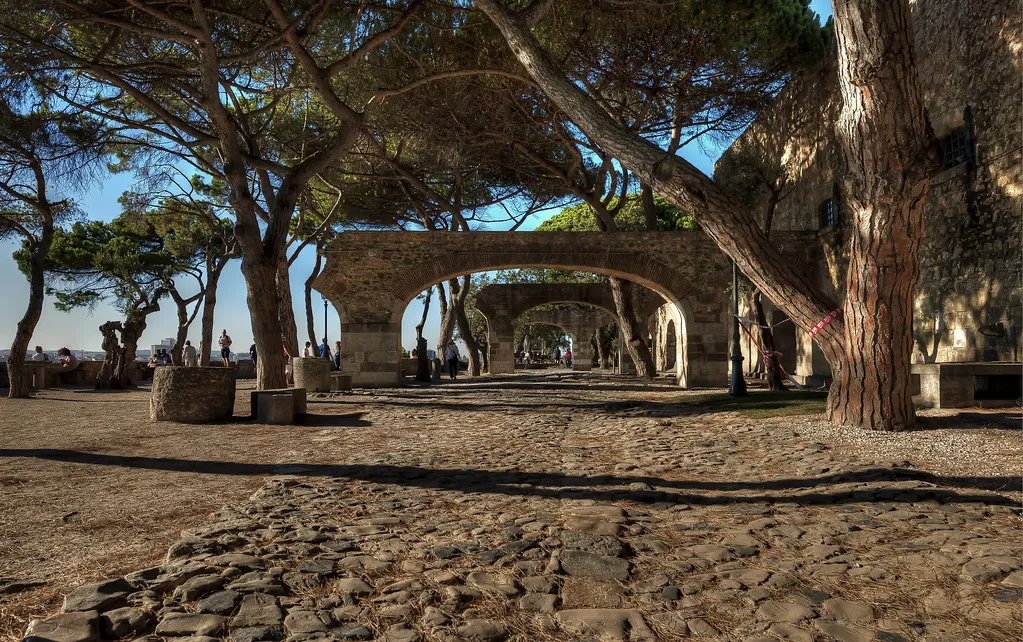
Footwear is the most important decision on any Lisbon packing list. The polished limestone Calçada Portuguesa becomes dangerously slick when wet — a smooth leather sole on a steep Chiado descent in the rain is a trip to A&E waiting to happen. Choose shoes with a solid rubber sole and a flat, grippy tread. Comfortable lace-ups or trail runners outperform sandals or heeled boots on every surface in this city.
- Rubber-soled walking shoes — non-negotiable for wet limestone streets year-round.
- Lightweight windbreaker — blocks the Nortada in summer and the damp Atlantic chill in winter.
- Compact umbrella — essential from October to March; unnecessary but harmless in summer.
- High-SPF sunscreen — the low Atlantic sun angle means strong UV exposure even in spring.
- Versatile layers — one extra mid-layer covers the riverfront-to-hilltop temperature swing in any season.
Sunglasses are worth wearing year-round. The whitewashed facades and the river surface both intensify glare, and winter sun sitting low over the Tagus is particularly blinding in the late afternoon. A compact daypack keeps your hands free for the steep staircases in Alfama — rolling luggage and cobblestones are an uncomfortable combination.
For the wider seasonal context, see our complete Portugal weather by month guide.
Frequently Asked Questions
When is the best time to visit Lisbon?
The best time is from mid-May to mid-June or September. These months offer warm weather and fewer crowds. You will enjoy sunny days without the intense summer heat.
What is the rainiest month in Lisbon?
November is typically the rainiest month in the capital. It averages around 128mm / 5 inches of rain. December and January are also quite wet and humid.
Is Lisbon too hot in the summer?
Summer highs average around 28°C / 82°F in July and August. The Nortada wind provides a cooling breeze in the evenings. It is rarely as hot as inland cities.
Does it snow in Lisbon?
Snow is extremely rare in Lisbon due to its maritime climate. Temperatures almost never drop to freezing levels near the coast. You will mostly see rain in winter.
What should I pack for Lisbon in the winter?
Pack a waterproof coat and shoes with excellent grip. The limestone streets become very slippery when wet. Bring layers for the cool, damp evenings.
Lisbon is a rewarding destination in every month, but the right timing depends on what you value most: festivals in June, warm beaches in September, budget deals in January, or spring blossoms in May. The Mediterranean climate means reliable sunshine even in winter, and the Atlantic keeps summers from turning brutal. Match your travel dates to your priorities using the monthly data above, and pack the rubber-soled shoes regardless of when you go.
 Faro Weather By Month: 8 Key Climate InsightsJune 4, 2026