
3-Day Cascais Itinerary: The Best Coastal Portugal Guide
Plan your cascais itinerary with our 3-day guide. Discover top beaches, museums, and local dining tips for a perfect Portuguese coastal escape.
On this page
3-Day Cascais Itinerary
Cascais is one of the easiest day trips from Lisbon and one of the most rewarding multi-day stays on the Portuguese coast. The train from Cais do Sodré runs every 20 minutes, costs €2.55 for a single ticket, and deposits you 40 minutes later at a station that looks more like a royal mansion than a transit hub. From there, golden beaches, 19th-century palaces, clifftop walks, and some of the freshest seafood in Portugal are all within easy walking distance.
This guide is built for 2026 and covers both audiences: visitors planning a single long day trip and those staying two or three nights to soak up the full coastal rhythm. The first sections give you the practical logistics and highlights you need to plan any length of visit. The day-by-day breakdown that follows is for those who want the full three-day experience. Most of the best moments in Cascais — Boca do Inferno at sunrise, a slow lunch near Largo Luís de Camões, cycling to Guincho — simply cannot be rushed into four hours.
Highlights of Your Day Trip to Cascais
Cascais works on several levels simultaneously, which is why it suits such a wide range of travelers. The beaches are calm and sheltered by the town's headlands — ideal for families — while the rugged clifftop walk to Boca do Inferno delivers genuine Atlantic drama. The historic center is flat and walkable, unlike the steep streets of Lisbon and Sintra, making it a realistic option even for visitors who find hills exhausting.
The four beaches closest to the center — Praia da Rainha, Praia da Ribeira, Praia da Conceição, and Praia da Duquesa — are all within 15 minutes on foot from the train station. Praia da Rainha is the smallest and most photogenic, tucked into a rocky cove; it was Queen Amélia's private beach in the 1890s and remains the one most visitors photograph first. Praia da Ribeira sits directly in the town center opposite the fishing harbor and is the local's beach of choice for a quick dip.
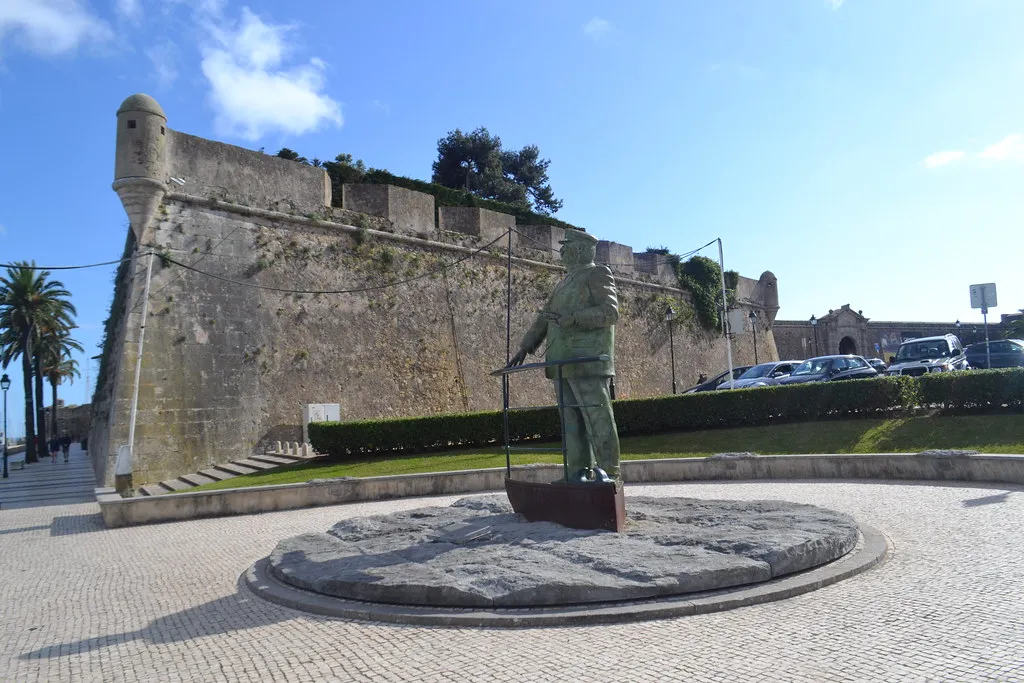
Beyond the sand, the stand-out sights are the Museu Condes de Castro Guimarães (€4, a breathtaking 19th-century villa in Marechal Carmona park), the Santa Marta Lighthouse (free entry to the grounds), the Cascais Citadel fort along the harbor, and the Casa das Histórias Paula Rego (€5), which houses some of the most striking figurative art in Portugal. None of these requires more than 30 to 45 minutes, so you can combine several in a single morning without feeling rushed. Check our full 10 Best Cascais Tourism Attractions: A Complete Travel Guide guide for admission details and current opening hours.
Getting to Cascais from Lisbon
The CP suburban train is the overwhelmingly best option for most visitors. Trains leave Cais do Sodré station (on Lisbon's green metro line) every 20 minutes throughout the day. A single ticket costs €2.55 or €5.10 return in 2026. If you are already using the Viva Viagem card for metro and tram travel in Lisbon, you can load the return fare onto the same card — no need for a second purchase. For current CP schedules and fares, check their official site before traveling. Sit on the left side of the carriage when departing Lisbon: the track hugs the Tagus estuary and then the open Atlantic coastline for most of the 40-minute journey, and the sea views from the left window are genuinely excellent.
Rideshare (Bolt or FREENOW, both cheaper than Uber in Portugal) runs around €25 to €30 one way for up to four people. This is worth considering if you are starting from somewhere other than central Lisbon, or if you want to be dropped at Boca do Inferno rather than the train station — it saves a 20-minute walk on a hot day. Driving is not recommended: parking in town is very limited, particularly in July and August, and the train drops you exactly where you want to be.
One practical tip that no competitor guide mentions consistently: consider finishing your day at Estoril station rather than returning to Cascais station. The coastal promenade (Paredão de Cascais) runs 1.7 km from Cascais through the Praia da Conceição and Praia da Duquesa beaches to Estoril, passing the famous Casino. Trains back to Lisbon stop at both Cascais and Estoril — same line, same ticket — so walking the promenade west and catching the return train from Estoril adds a beautiful seaside stretch to your day without any extra cost or backtracking.
Is Cascais the Right Day Trip for You?
If your priority is Portugal's most dramatic palace architecture, visit Sintra first — Pena Palace and the Moorish Castle are in a different category of visual spectacle. But Sintra is physically demanding (steep hills, timed-entry tickets, large crowds) and mentally tiring in a way that Cascais simply is not. Cascais is flat, relaxed, and easy to navigate. It pairs beach time with genuine cultural sights in a way that very few towns in Europe manage at this price point.
Cascais is the better choice if you have children, if one person in your group wants the beach while another wants museums, or if you want a day that feels like a holiday rather than a sightseeing marathon. It is also the right choice if the Algarve is not on your itinerary — the beaches here are calm, clean, and far more accessible from Lisbon than the southern coast. Experienced Portugal travelers who have already done Sintra should prioritize Cascais without hesitation.
Can you do both Cascais and Sintra in one day? Technically yes, but it makes a very long and tiring day. Neither town gets the attention it deserves. A dedicated tour that covers both plus Cabo da Roca is an option if you have only one spare day and serious FOMO, but our Sintra and Cascais in One Day: The Perfect Guide gives you the honest trade-offs. For most first-time visitors, one full day in Cascais is more satisfying than a rushed half-day in each.
A Suggested One-Day Tour of Cascais
Arrive by the 09:00 or 09:20 train from Cais do Sodré to beat the summer crowds at Praia da Rainha. The beach is tiny — arrive after 11:00 in July or August and you will struggle to find space to lay a towel. Spend 30 minutes there, then walk up Rua Frederico Arouca into the historic center. This is Cascais's main shopping street: tiled houses, pastelarias, and the start of the old town. Stop at Santini on Rua Direita for what many consider the best gelato in Portugal — the passionfruit and sea salt caramel flavors are particularly good — and eat it while walking toward the harbor.
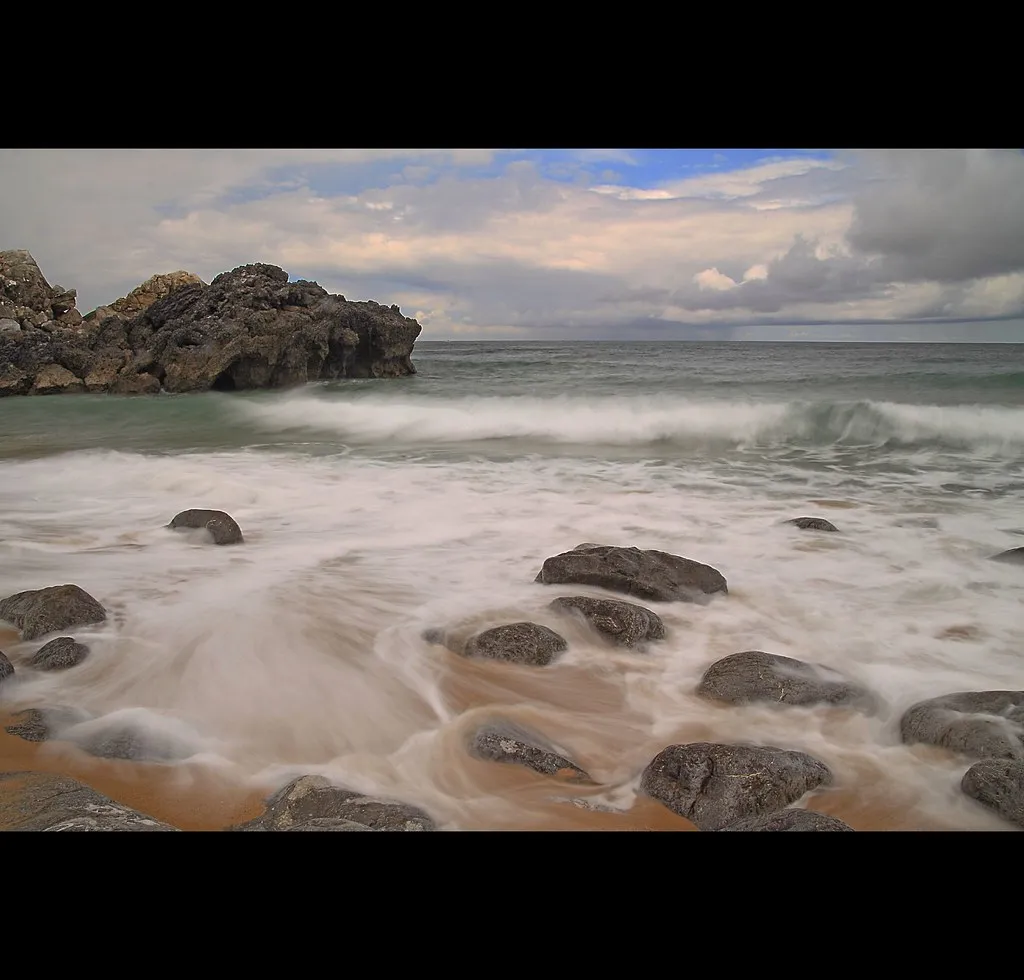
From the harbor, loop around to the Citadel fort and the Cascais Cultural Centre (€5 if you want to go inside). The Museu Condes de Castro Guimarães (€4, closed Mondays) is a 10-minute walk through Marechal Carmona park and is worth every euro — the interior is as extravagant as the exterior suggests. Continue along the coastal road to the Santa Marta Lighthouse (free, grounds always open) and then the 800-metre clifftop walk to Boca do Inferno. Even on a calm summer day the collapsed cave arch is impressive; on a winter afternoon with Atlantic swells running, it earns its name (Hell's Mouth) completely.
Head back into the center for lunch around 13:00. The streets around Largo Luís de Camões have a good mix of tascas and modern restaurants at all price points — grilled sardines run €14 to €18 for a full platter at the casual spots along Rua Visconde da Luz. After lunch, spend the afternoon on Praia da Conceição or Praia da Duquesa (both quieter than Praia da Rainha and with lounger rental available for around €20 for two chairs and an umbrella). Walk the Paredão coastal promenade to Estoril in the early evening, stop to look at the Casino, and catch the train back to Lisbon from Estoril station. Total day: roughly 10 to 11 hours, entirely on foot except the train.
Praia da Rainha fills up fast in July and August — arrive before 09:30 to secure a spot. Lounger rentals at Praia da Conceição and Praia da Duquesa cost around €20 for two chairs and an umbrella and are usually available until midday on summer weekends.
Practical Tips for Exploring Cascais
The ground surface in the historic center is almost entirely cobblestone and polished tile — both beautiful and genuinely slippery, particularly after light rain or when sandy from the beach. Wear flat, rubber-soled shoes rather than sandals with smooth soles. This is not a minor inconvenience: several visitors slip each season on the tiled stretches near the harbor. Comfortable walking shoes also make the 40-minute round trip to Boca do Inferno significantly more pleasant.
Heat is a real factor from late June through September. Carry at least one liter of water at all times — there are no water fountains on the coastal path to Boca do Inferno and the exposed clifftop section offers no shade. The Marechal Carmona park has shaded benches and is an excellent midday retreat if the temperature peaks above 30°C. Museums are air-conditioned and make good early-afternoon stops during the hottest part of the day.
English is widely spoken in Cascais — it is a heavily visited resort town and most restaurant and museum staff are comfortable with English-speaking visitors. That said, a few words of Portuguese go a long way: "obrigado/a" (thank you, masculine/feminine), "faz favor" (please/excuse me), and "quanto custa" (how much does it cost). Most importantly, never substitute Spanish — even if you speak it fluently — as this is considered quite rude in Portugal. Crowds peak in July and August; visiting in May, June, or September gives you warmer weather than April with significantly fewer people on the beaches.
There are no water fountains on the coastal path to Boca do Inferno and the clifftop section offers no shade — carry at least one liter of water before setting out. The Marechal Carmona park has shaded benches and is an excellent midday retreat if temperatures peak above 30°C.
3-Day Cascais Itinerary: Day-by-Day
For visitors staying two or three nights, the pace changes entirely. Follow our Cascais Old Town Travel Guide on your first morning to find hidden squares and neighborhood bacaro that day-trippers never reach. Museums open from 10:00 to 18:00 most days and cost €4 to €5 each; the Santa Marta Lighthouse Museum is free. We recommend hitting the Condes de Castro Guimarães right when it opens (10:00) on Day 1 before heading to the harbor.
Day 2 is for the water. Arrive at Praia da Rainha by 09:30 to claim a spot, then rotate to the larger Praia da Duquesa after lunch when families tend to leave for the afternoon nap. Local restaurants along the marina serve fresh grilled fish for €14 to €22 depending on the catch of the day; the seafood at the tascas on Rua do Poço Novo is generally cheaper than the seafront spots by €4 to €6. The Marina de Cascais itself is quieter after 16:00 and makes a very good sunset walk.
Day 3 belongs to the Atlantic coast. The walk from the train station to Boca do Inferno takes 25 minutes along the seafront; rent e-bikes (available from several shops near the Marina for around €15 to €20 for a half-day) to reach Guincho Beach, which is 9 km further west. Guincho is a wild, wind-exposed surf beach with no facilities beyond a restaurant — bring your own water and sunscreen. Bus 405 from Cascais center also reaches Guincho in 20 minutes for €2.55 if you prefer not to cycle. See the full Cascais Beaches: The Ultimate Guide to the Portuguese Riviera for tide timings and which sections are supervised by lifeguards in summer.
- Day 1: Old Town, museums, and the Boca do Inferno cliffs — 09:00 to 19:00, entirely on foot, budget €25 to €40 per person including museum entries and lunch
- Day 2: Beach hopping and Marina — 09:30 to sunset, short walks between stops, budget €30 to €50 including lounger rental and a seafood dinner
- Day 3: Boca do Inferno, Guincho, and the wild Atlantic coast — 09:30 to 17:00, bike or bus 405 for Guincho, budget €20 to €35 including transport and lunch at the Guincho restaurant
| Day | Focus | Hours | Transport | Budget per person |
|---|---|---|---|---|
| Day 1 | Old Town, museums, Boca do Inferno cliffs | 09:00–19:00 | On foot | €25–€40 |
| Day 2 | Beach hopping and Marina | 09:30–sunset | Short walks | €30–€50 |
| Day 3 | Boca do Inferno, Guincho, Atlantic coast | 09:30–17:00 | E-bike or Bus 405 (€2.55) | €20–€35 |
Where to Stay in Cascais: Best Bases
Choosing the right neighborhood depends on your transport and activity preferences. The Old Town is perfect for those who want to be near the train. You can find more details in our 10 Best Areas: Where to Stay in Cascais. Expect higher noise levels here due to the vibrant nightlife and morning deliveries.
The Marina area offers a more modern and quiet atmosphere for visitors. Luxury hotels here often feature pools and direct views of the Atlantic. We found this area best for couples looking for a romantic getaway. Walking to the main shops takes about 10 minutes from this location.
Budget travelers might prefer staying slightly inland or toward the Estoril side. The train connection makes it easy to reach the center in under five minutes. Guesthouses in these residential areas often provide a more authentic local feel. Prices typically drop by 20 percent once you move away from the shoreline. The shoulder months of May and September offer the best value — expect hotel rates to fall by 25 to 35 percent compared to peak July prices while the weather remains excellent for beaches.
Book in Advance for Cascais
Cascais is more relaxed than Lisbon, but some spots require early planning for 2026. The Museu Condes de Castro Guimarães and Paula Rego gallery do not require advance booking, but arrive early on summer weekends to avoid queues. Beach umbrella and lounger rentals at Praia da Rainha sell out by 10:30 on busy July weekends — either arrive before 09:30 or bring your own towel and use the free public beach area at the back of the cove.
Dining is the other area where a little foresight goes a long way. Top-rated seafood spots in our 14 Best Restaurants and Local Dining Tips in Cascais list need reservations. Call two to three days ahead for weekend dinner slots. Walk-ins are often possible for lunch, but expect waits of 30 minutes or more at the most popular tascas near the harbor on summer Saturdays.
Seasonal events like the Festival do Marisco de Cascais (Seafood Festival, held in August) and the jazz festival require early ticket purchases — check the Visit Cascais official site at least one month before your travel dates. Accommodation prices spike sharply in the final two weeks before peak summer weekends. Securing your room three to four months out gives you both the best prices and the widest selection of coastal-view properties.
Add an Extra Day: Coastal Extensions
If you have more time, the surrounding region offers incredible variety. A trip to Sintra is easy using our Cascais to Sintra Train: 2025 Transport Guide & Best Routes. Bus 1623 connects the two towns in about 40 minutes and costs €2.55. Leave by 08:30 to beat the heavy Sintra crowds — Pena Palace sells out its timed-entry slots well before noon in summer.

Cabo da Roca, the westernmost point of mainland Europe, is reachable by bus 1624 from Cascais in 27 minutes (€2.55). It is more a place to say you have been than somewhere to linger — everything on the headland can be seen in 20 minutes — but the lighthouse and cliff views are genuinely dramatic and worth the short detour on a clear day. Be prepared for strong winds and temperatures noticeably cooler than Cascais town, even in summer.
Surfers looking for more challenging waves should head north to Ericeira, a world surfing reserve reachable by car in about 45 minutes from Cascais. The seafood there tends to be €3 to €5 cheaper per plate than in town, and the village has a more authentically local feel than the polished resort atmosphere of Cascais. The day-trip-from-Cascais format works well: take a taxi or rental car in the morning and return by late afternoon.
Frequently Asked Questions
How do I get from Lisbon to Cascais?
Take the urban train from Cais do Sodre station in Lisbon. The journey takes 40 minutes and costs about $3. Trains run every 20 minutes daily.
What is the best time of year to visit?
Visit between May and September for the best beach weather. June and July are the busiest months for tourism. September offers warm water and fewer crowds.
Is Cascais expensive for travelers?
Cascais is pricier than rural Portugal but cheaper than major US cities. Expect to pay $15 for a casual lunch. Museums are very affordable at under $10.
Creating a cascais itinerary is the best way to ensure a relaxing trip. This town offers a unique blend of royal history and stunning natural beauty. I hope this 3-day plan helps you discover your own favorite coastal spots. If you have more time, consider exploring 3 days in Lisbon as well.
The Portuguese Riviera is waiting to welcome you with sun and seafood. Remember to pack comfortable walking shoes for those charming cobblestone streets. Safe travels as you explore one of the most beautiful corners of Europe. See our Cascais tourism attractions guide for the broader city overview. For related Cascais deep-dives, see our Sintra and Cascais in one day and best time to visit Cascais guides.
 One Day in Guimarães Itinerary Travel GuideJune 8, 2026