

Sintra and Cascais in One Day: The Perfect Guide
Plan your sintra and cascais in one day with this expert guide. Includes timed entry tips, coastal routes, and the best local spots for first-timers.
On this page
Sintra and Cascais in One Day Itinerary
Seeing Sintra and Cascais in one day is a bold travel goal — and it is absolutely achievable if you plan the order correctly. This guide is built around the standard route that works: Sintra in the morning, Cabo da Roca at midday, and Cascais in the late afternoon and evening. Follow the transport connections and you will not lose time backtracking.
Most visitors coming from Lisbon in 2026 do this trip independently rather than booking a tour. The train and bus network makes it straightforward, and going solo costs a fraction of organized group trips. That said, there are a few ticket traps and timing pitfalls that catch first-timers — this guide covers all of them.
Getting to Sintra from Lisbon
The train is the only sensible option. Driving to Sintra means competing for almost nonexistent parking near the palaces — it is not worth it. Direct trains depart from Lisbon's Rossio station and also from Oriente and Entrecampos. Rossio is the most central starting point for most visitors staying in the Baixa, Chiado, or Alfama neighborhoods.

Trains run every 10 to 30 minutes throughout the day and the journey takes 38 to 47 minutes. A single ticket costs €2.45 and you do not need to book in advance — you can buy at the machine on the day. If you are planning to visit both Sintra and Cascais, check whether the €11 24-hour Navegante pass covering both lines makes sense for your route; it can save money if you use the Cascais train line for the return leg.
Aim to board a train that gets you into Sintra station by 09:00. The circuit buses start running at 09:15 and the earlier you arrive at the first palace, the thinner the crowds. Take the train all the way to Sintra station — not Portela de Sintra, which is an intermediate stop used for the 1624 bus to Cabo da Roca.
Sintra Tours from Lisbon
If you prefer not to navigate buses independently, a guided day tour is a practical alternative. The most popular option on this route is a full-day Sintra, Cabo da Roca, and Cascais tour from Lisbon that includes transport, an English-speaking guide, and often entry to Pena Palace and Quinta da Regaleira. These tours typically run from 09:00 to 18:00 and depart from central Lisbon meeting points.
The main trade-off is flexibility. A tour locks your schedule and you will spend less time at each stop than an independent traveler who arrives early. On the other hand, you skip the ticket queues, the bus-line scramble at the station, and the effort of figuring out which bus goes where. Tours are best suited for visitors on a tight schedule, families with young children, or anyone visiting Sintra as their only day out of Lisbon.
For independent travelers, the cost difference is significant. A self-guided day costs roughly €15 to €25 in transport plus €20 to €30 in palace entry fees, versus €50 to €80 for a typical guided tour. The independent route is cheaper and gives you more time at each site — provided you plan the logistics in advance.
Getting Around Sintra
Once you step off the train, turn right and walk about 30 meters to the bus stop outside the station. This is where buses 434 and 435 depart. Do not let the tuk-tuk and taxi drivers intercept you — whatever they quote will cost several times the bus price.
Bus 434 runs a one-way loop from the station to the historic centre (Sintra Vila), then up to the Moorish Castle and Pena Palace, and back down to the station. In summer 2026 the route runs from 09:15 to 19:50; in winter from 09:30 to 18:20. Bus 435 covers a different loop that includes Quinta da Regaleira and Monserrate Palace — useful if you are swapping the Pena Palace for those sites.
A single fare is €4.10. A full-day hop-on-hop-off ticket is €15 and allows unlimited boardings. If you plan to take more than four individual rides across the circuit buses, the day pass pays off. Buy directly from the driver — not from vendors standing at the stop, who sometimes sell full-day passes without explaining that you are paying for a multi-ride pass when you only need two rides. Cash is faster; card readers on these buses can be unreliable.
Walking between sites is technically possible but not recommended for a one-day itinerary. The climb from the station to Pena Palace on foot takes 45 to 50 minutes on very steep terrain, consuming time you need for Cabo da Roca and Cascais later in the day.
A single bus fare on routes 434 and 435 costs €4.10. If you plan more than four rides across the day, the €15 unlimited hop-on-hop-off pass saves money — buy it directly from the driver with cash, as card readers can be unreliable.
Itinerary for Visiting Sintra and Cascais
The route flows west to east: arrive in Sintra, visit the hilltop palaces, then board a bus to Cabo da Roca on the Atlantic coast, and continue east along the coast to Cascais. This order avoids unnecessary doubling back and keeps the transport connections simple.
- 08:30 — Board train at Rossio station, Lisbon
- 09:10 — Arrive Sintra station, get on the first 434 bus
- 09:30 — Enter Pena Palace (first time slot, least crowded)
- 11:15 — Walk or bus to the Moorish Castle or Quinta da Regaleira (choose one)
- 12:30 — Lunch in Sintra historic centre; try a queijada or travesseiro pastry
- 13:30 — Board the 1253 bus from the main Sintra bus stop toward Cabo da Roca (45 min)
- 14:15 — Cabo da Roca: lighthouse, cliff views, westernmost point of continental Europe
- 15:00 — Board the 1624 bus from Cabo da Roca to Cascais (30 min)
- 15:30 — Cascais: Boca do Inferno cliffs, old town, Santa Marta Lighthouse
- 18:30 — Dinner in Cascais, then train back to Lisbon from Cascais station (40 min)
If you want to swap Cabo da Roca out to save time, take the 403 bus directly from Sintra to Cascais instead — the journey takes about 50 minutes and drops you in the centre of town. Cabo da Roca is worth the detour if you have never been to the westernmost tip of Europe, but it adds roughly 90 minutes to the overall day.
The optional upgrade at Sintra is Quinta da Regaleira over the Moorish Castle. The Initiation Well — a spiral staircase descending into underground tunnels and grottos — is unlike anything else in the region and takes about 90 minutes to explore properly. Budget accordingly and book entry in advance during peak season.
| Stop | Estimated Cost | Duration | Transport to Next Stop |
|---|---|---|---|
| Train Lisbon → Sintra | €2.45 | 38–47 min | — |
| Pena Palace (interior) | €17 online / €20 gate | ~1h 45min | Bus 434 (€4.10) |
| Quinta da Regaleira | €12 online | ~90 min | Walk to bus stop |
| Moorish Castle (alt.) | €12 online | ~60 min | Bus 434 (€4.10) |
| Bus Sintra → Cabo da Roca | ~€4.50 | 45 min | — |
| Bus Cabo da Roca → Cascais | ~€4.50 | 30 min | — |
| Train Cascais → Lisbon | €2.45 | 40 min | — |
Book in Advance: Essential Timed Entries
Sintra is one of the most visited destinations in Portugal and in 2026 the timed-entry system at Pena Palace is strictly enforced. You must book your timed ticket in advance at the Parques de Sintra website. Palace interior tickets cost €17 online (€20 at the gate, if available). The grounds-only ticket, which lets you view the exterior of the palace, costs €8.50 online. Buy 30 or more days ahead during summer; a week ahead is usually sufficient in the autumn and winter months.

Quinta da Regaleira also gets extremely busy between 10:00 and 14:00. Online tickets are €12 for adults and can be booked through the official website. If you are doing this trip in June, July, or August, treat both bookings as mandatory — walk-up availability is unreliable. Arriving at the gate without a ticket and being turned away is the single most common complaint from first-time visitors to Sintra.
The Moorish Castle does not require timed entry and is generally less crowded than Pena Palace. It is a good fallback option if tickets are sold out, or a deliberate choice if you prefer panoramic views over ornate interiors. Entry costs €12 online.
Arriving at Pena Palace or Quinta da Regaleira without a pre-booked timed ticket is the single most common mistake first-timers make — walk-up availability is unreliable in peak season and you risk being turned away entirely.
The Sintra Microclimate: What It Means for Your Day
Sintra sits in a range of hills that intercepts Atlantic moisture before it reaches Lisbon. The result is a distinct microclimate: it is frequently foggy or overcast in the morning even when Lisbon is sunny, and the cloud often clears by 13:00. This matters more than most guides acknowledge, because the iconic colors of Pena Palace — the yellow turrets against deep red walls — look dull and flat in fog. The palace is still worth visiting, but the photos will disappoint.
The practical implication for your itinerary: if you have flexibility on your Lisbon days, check the Sintra forecast the evening before and shift the trip by one day if heavy overcast is predicted for the morning hours. If you are committed to a fixed date, arriving at Pena Palace for the first 09:30 slot still makes sense — you beat the crowds regardless of the light — but plan a return visit to the palace exterior (the park ticket is cheaper) around 12:00 when the clouds tend to lift. Cabo da Roca is even more fog-prone and the cliff views can disappear entirely; a midday arrival improves your odds significantly.
None of the bus timetables account for weather, and no competitor guide gives you a concrete decision rule. The rule is this: before 11:00, fog is possible at both sites; after 13:00, it is usually clear. If visibility is your priority, arrive in Sintra late morning and extend your time in Cascais into the evening instead.
What to See in Cascais
Cascais is a coastal town with genuine year-round character. It was a fishing village that became the Portuguese royal family's summer residence in the 19th century, and that heritage shows in the wide promenades, well-maintained parks, and elegant old villas lining the waterfront. After a morning of hiking through Sintra's steep hills, the flat seafront walk here feels like a reward.
The main stops in the time you have are Boca do Inferno, the Cascais old town, and the Santa Marta Lighthouse. Boca do Inferno is a sea cave and blowhole about 2 km west of the train station — walk along the coastal path or take a short taxi. The noise and spray of waves forcing through the narrow rock opening is impressive in any weather. Back in the old town, the Condes de Castro Guimarães Museum occupies a turreted palace overlooking the sea and is worth a 30-minute visit. The Cascais old town itself is compact and easily walkable — look for the tiled-facade streets around Rua Frederico Arouca for the most photogenic spots.
For food, the seafood in Cascais is significantly cheaper and better than what you will find in central Lisbon. Grilled sea bass, percebes (barnacles), and cataplana stew are all worth ordering. Most restaurants along the marina are tourist-facing and overpriced; walk one block inland and prices drop by 30 to 40 percent. Check out our full guide on the 14 Best Restaurants and Local Dining Tips in Cascais for specific recommendations by neighborhood.
Where to Stay: Cascais or Sintra?
If you are doing a day trip from Lisbon, staying overnight in either town is optional. But if you want to stay, the choice comes down to atmosphere. Sintra feels magical once the day-trippers leave — the forested hills, cool air, and empty palace gardens in the early morning are a genuinely different experience. The Casa Holstein Quinta de Sao Sebastiao Sintra offers heritage-style rooms within walking distance of the village. The Sintra Marmoris Palace is a higher-end option with a strong sense of place.
Cascais is better if you want evening life. Restaurants stay open late, there are bars near the marina, and the beach is accessible within minutes of most accommodations. The Villa Cascais has excellent bay views and a central location. For a broader look at neighborhoods and budget tiers, see our guide on where to stay in Cascais.
Staying in Cascais also has a logistical advantage: the direct train line back to Lisbon's Cais do Sodré station runs until after midnight and costs €2.45 per journey. This makes Cascais a more relaxed base if you want late dinners without worrying about the last bus. Sintra's last trains back to Lisbon also run late, but the town itself goes quiet by 20:00.
Is One Day Enough?
For most first-time visitors, one day covers the essential highlights of both towns without feeling rushed — provided you limit yourself to one or two palaces in Sintra and two or three stops in Cascais. The pace is energetic but manageable. Expect 15,000 to 20,000 steps.
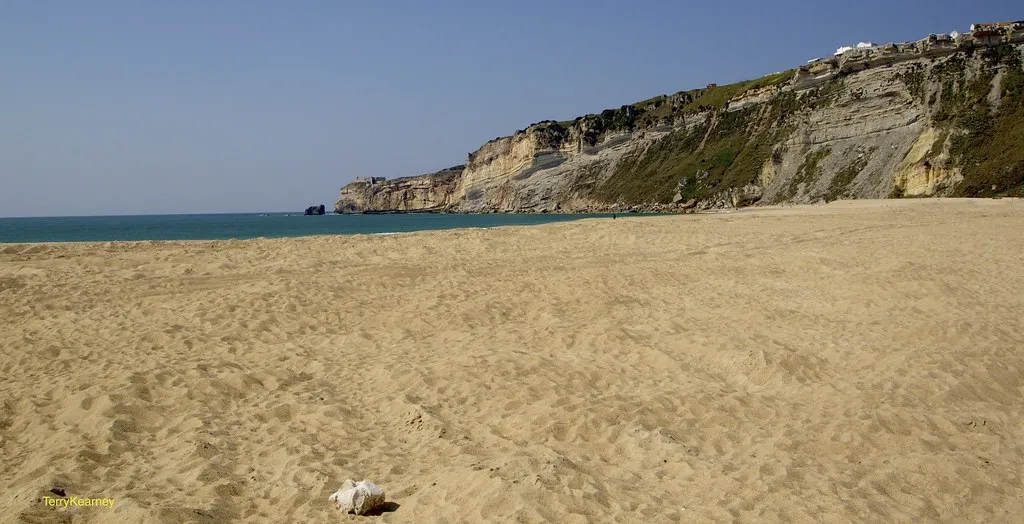
If you want to visit more than two Sintra palaces, do Monserrate alongside Quinta da Regaleira, or spend meaningful time on the beaches in Cascais, split the trip across two days. A dedicated Cascais one-day itinerary gives you the coast without the compromise of fitting it after a full morning in Sintra. For context on the comparison between the two towns as standalone day trips, our Sintra vs Cascais day trip guide lays out the trade-offs directly.
Frequently Asked Questions
How do I get from Sintra to Cascais?
Take the 1624 bus from the Sintra train station. The journey takes about 40 minutes and costs around €4.50. It is the most direct way to reach the coast.
What is the best time to start the day?
I recommend arriving in Sintra by 8:30 AM. This allows you to enter the Pena Palace at the first slot. You will avoid the largest crowds this way.
Can I use the train between the two towns?
There is no direct train between Sintra and Cascais. You must take a bus or a ride-share service. The bus is affordable and runs frequently throughout the day.
Visiting Sintra and Cascais in one day is one of the best day trips you can take from Lisbon. The route connects fairytale palace architecture with dramatic Atlantic cliffs and a relaxed coastal town in a single logical journey. Book your Pena Palace ticket early, take the first 434 bus of the morning, and let the coast handle the afternoon.
For transport logistics between the two towns, see our full Cascais to Sintra Train: 2025 Transport Guide & Best Routes. Use the Cascais one-day itinerary if you decide to give the coast a full day of its own on a return visit. For the wider city context, see our complete Cascais tourism attractions guide. For related Cascais deep-dives, see our Cascais 1-day itinerary and best time to visit Cascais guides.
 Day Trips From Guimaraes: 3-Day Minho ItineraryJune 8, 2026