
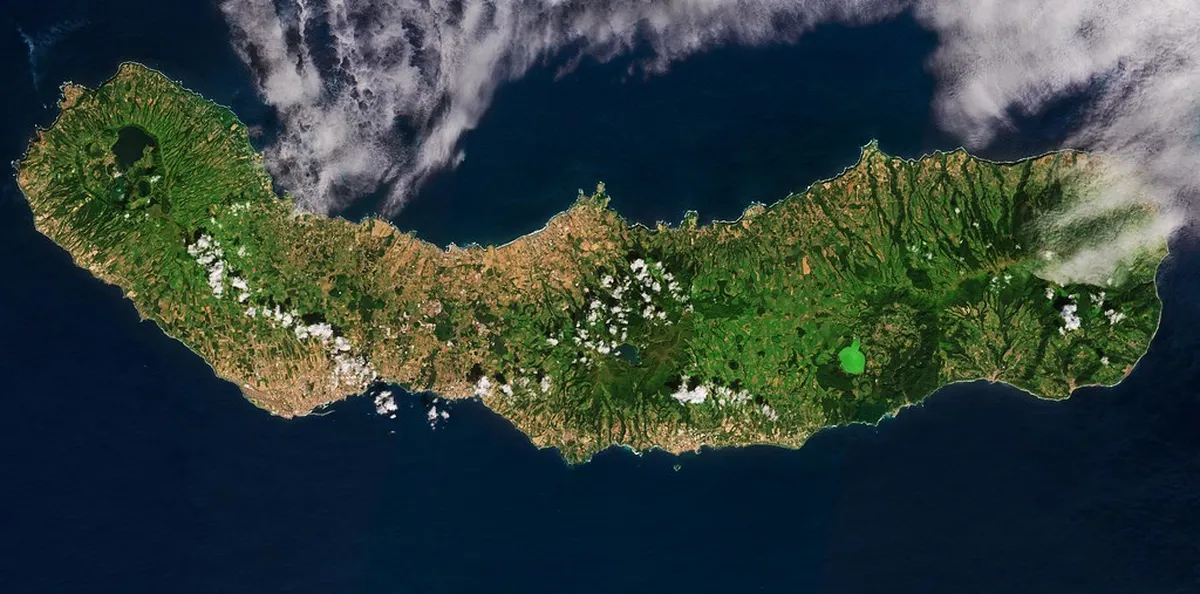
11 Best Waterfalls in the Azores (2026)
Discover the best waterfalls in the Azores, from São Miguel's thermal pools to Flores' hidden gems. Includes hiking maps, tour bookings, and swimming tips.
On this page
11 Best Waterfalls in the Azores
After visiting seven of the nine islands, our editorial team has mapped the most reliable cascades for your itinerary. The volcanic terrain of this archipelago creates dramatic drops that rival the most famous tropical destinations. According to the official regional tourism board, the islands host dozens of significant cascades accessible via lush jungle trails.
Last refreshed March 2026 after my latest scouting trip to São Miguel, this guide reflects current entry fees and trail conditions. While many falls are free to visit, some of the most popular thermal spots now require advanced booking and small fees. Planning your visit during the best time to visit the Azores ensures you see these falls at peak flow.
Whether you want a refreshing swim or a technical canyoning adventure, these eleven spots represent the very best of the islands. Each entry includes current prices in EUR, hiking difficulty, and whether swimming is permitted at the base pool.
Azores Waterfalls Tours and Canyoning
If you would rather skip the navigation and just show up, guided waterfall tours from Ponta Delgada are a solid option for São Miguel. Full-day hiking tours typically cover Salto do Prego and the Nordeste waterfalls in one loop, with hotel pickup included. Half-day canyoning tours run on Ribeira da Salga and Salto do Cabrito, with all gear provided — expect to pay €50–€80 per person in 2026.

Renting a car is the better choice for independent travelers who want to hit multiple spots in one day. Drive times across São Miguel rarely exceed 90 minutes, and most trailheads have free parking. For Flores Island specifically, a rental car is essential — the island has no reliable tour infrastructure and the waterfalls are spread across the entire western plateau.
For a more relaxed pace, boat tours in the Azores often pass coastal falls dropping into the sea. These marine excursions offer a unique view of the island's vertical geology from the Atlantic waters. You can often combine these tours with whale watching for a full day of natural wonders.
Rental Car vs. Tour: Which Works Best
On São Miguel, tours are genuinely viable for first-timers. A guided full-day costs around €60–€90, includes stops at three or four major falls, and eliminates the stress of parking on narrow volcanic roads. The tradeoff is fixed timing — you cannot linger at Caldeira Velha if the group is moving on.
A rental car from Ponta Delgada Airport typically runs €30–€50 per day in 2026 including basic insurance. That cost breaks even with a tour if you visit more than two days of waterfalls. Driving independently also lets you hit spots like Ribeira Quente and Salto da Farinha that guided tours often skip.
On Flores, skip the tour question entirely. No operator runs consistent waterfall tours on that island, and the falls are separated by 20–40 minutes of driving through the central highlands. Book a compact car at Santa Cruz das Flores Airport and use Google Maps offline — cell coverage drops in the interior valleys.
Waterfall Quick Reference: Difficulty, Swimming, and Fees
Before setting out, use this reference to match each fall to your fitness level, budget, and swim preference. Most falls are accessible year-round, though peak flow runs from October through April.
- Salto do Prego — Moderate hike, 4 km round trip. Swimming allowed in natural pool. Free.
- Salto do Cabrito — Easy walk, 1.5 km round trip. Swimming allowed. Free.
- Caldeira Velha — Easy paved trail. Thermal pool swimming. €10 adults / €5 seniors and children 7–14 / €3 walk-only. Advance booking required.
- Ribeira dos Caldeirões — Easy, paved and unpaved options. Swimming in the side pool. Free.
- Ribeira Quente — Easy, 5-minute walk. Swimming allowed in warm-water pool. Free.
- Salto da Farinha — Moderate, 5 km trekking route with 198 m elevation gain. Swimming at base. Free.
- Salto do Cagarrão — Moderate, part of the 7.6 km Faial da Terra loop trail. Swimming possible. Free.
- Ribeira da Salga — Canyoning with guides (€50–€80). Trail viewpoint free.
- Furnas Waterfall (Grena Park) — Easy walking path. Swimming not the main draw. €10 adults. Open 09:30–18:30.
- Poço do Bacalhau (Flores) — Easy, 10-minute walk from village. Swimming in 90 m pool. Free.
- Aveiro Waterfall (Santa Maria) — Easy, 10-minute walk via wooden bridge. No swimming pool. Free.
Salto do Prego (São Miguel)
Salto do Prego sits in the village of Faial da Terra on the southeastern coast of São Miguel. The trail is just under 4 km round trip and rated moderate — expect some exposed root sections and river crossings on wooden bridges. The name translates literally to "Nail Waterfall" in Portuguese, a reference to the sharp rock outcrop over which the water falls rather than any spring, despite what some sources claim.
The endpoint is a wide, shaded natural pool with the waterfall dropping into it from above. It is cold year-round (around 17–19°C), but deep enough for a proper swim. The surrounding Macaronesian laurel forest — a UNESCO-listed habitat type — makes the hike itself as rewarding as the destination.
Access is free and the trailhead has a small parking area in the village. Arrive before 09:00 in July and August to avoid the crowds that gather by mid-morning. The hike also connects to Salto do Cagarrão via the longer 7.6 km loop, making it possible to see both falls in a single morning.
Salto do Cabrito (São Miguel)
Located near Ribeira Grande in the northern part of São Miguel, Salto do Cabrito takes its name from the agile goats that once roamed the cliffs — "cabrito" means kid or young goat. The walk from the upper parking area is about 1.5 km round trip but involves a steep descent down a potholed single-lane road. Alternatively, park at the lower lot near the hydroelectric plant and reach the falls in five minutes on foot.
The waterfall is narrow but tall, cascading down the cliff face in several stages before forming a cold swimming hole at the base. It is one of the most popular canyoning spots on the island — tour groups regularly rappel down the rock face to a platform above the pool, then dive in. Watching from the pool level while they descend is entertaining in its own right.
Entry is free and the site is accessible at all hours, though the narrow access road requires careful driving. Visit on a weekday morning and you may have the swimming hole to yourself despite its proximity to Ribeira Grande.
Caldeira Velha (São Miguel)
Caldeira Velha Natural Monument sits on the northern slope of Fogo Volcano and is unlike any other waterfall experience in the archipelago. The main draw is a cascade of iron-rich thermal water that pours into a 24°C pool surrounded by giant prehistoric ferns and tropical vegetation. The warm temperature makes it comfortable to stand under even in winter, when every other pool in the Azores will test your cold tolerance.
Walk farther down the paved trail beyond the crowded hot spring pools to find the waterfall pool — it is significantly less busy and visually far more impressive. The water is only about a metre deep but clear enough to see the volcanic gravel bottom. A small geothermal museum on-site explains why the spring water has its distinctive orange tint from dissolved iron.
You must pre-book a timed entrance at the Caldeira Velha Natural Monument Official Booking site at least one day in advance if you want to swim. Walk-only admission at €3 is sometimes available on the day. Current 2026 prices: adults €10, seniors and children 7–14 €5, Azores residents free. The park is open daily 09:00–17:00; check the booking site for seasonal hours.
Caldeira Velha requires online booking at least one day ahead to swim — walk-in swim slots sell out by 09:30 on busy summer weekends. The walk-only ticket (€3) does not require advance booking and still lets you see the waterfall.
Ribeira dos Caldeirões (São Miguel)
Ribeira dos Caldeirões Natural Park sits in the Nordeste region on the northeastern tip of São Miguel, roughly 45 minutes by car from Ponta Delgada. The park is free, has no entry gates, and is open around the clock. It is consistently rated among the most photogenic spots in the entire archipelago.
Three separate waterfalls exist here at different distances from the road. The main fall sits right alongside the EN2 road and is visible from your car — it is arguably the most beautiful single waterfall on the island. A path to the right leads through a rocky gorge to a second, more secluded cascade with a swimming hole that is almost always empty. The third fall sits inside a gated section of the park with restored water mills and a small cafe; entry to that section is free and the mills explain how grain was processed using this same water flow for centuries.
The paved main path is family-friendly and wheelchair accessible as far as the first waterfall. Restrooms and a cafe are available at the park entrance. This is the best single stop for visitors who only have time for one waterfall on São Miguel.
Ribeira Quente (São Miguel)
Ribeira Quente is one of the strangest waterfall experiences in the Azores — and one that most first-timers miss entirely because the trail entrance is inside a road tunnel. Drive north from the village of Ribeira Quente on EN2-2A and look for the path entrance roughly halfway through the second tunnel. Park outside the tunnel and walk carefully along the narrow shoulder; the trail entrance is unmarked and easy to overshoot.
The waterfall itself is a short five-minute walk from the tunnel. What makes it notable is the source: the water emerges from thermal springs in the island's interior and is classified as potable despite its volcanic origin and elevated mineral content. The pool temperature is noticeably warmer than any free natural pool on the island — closer to a natural hot tub than a cold plunge.
Access is free at all times. The fall can slow to a modest trickle in late summer, so a visit in spring or autumn gives you the best combination of flow and warmth. This is the one spot where the water is comfortable to stand in without a wetsuit even in December.
The trail entrance to Ribeira Quente waterfall is inside a road tunnel on EN2-2A — it is unmarked and easy to overshoot. Park outside the tunnel and walk carefully along the narrow shoulder to find the path entrance roughly halfway through the second tunnel.
Salto da Farinha (São Miguel)
Salto da Farinha sits on the northern coast between Achadinha and Salga, and its defining feature is the view: the waterfall drops roughly 40 metres and, from the cliff-top miradouro, appears to fall directly into the Atlantic Ocean below. No other waterfall in Portugal creates this optical effect. The name comes from the cereal milling that once operated here — "farinha" means flour.
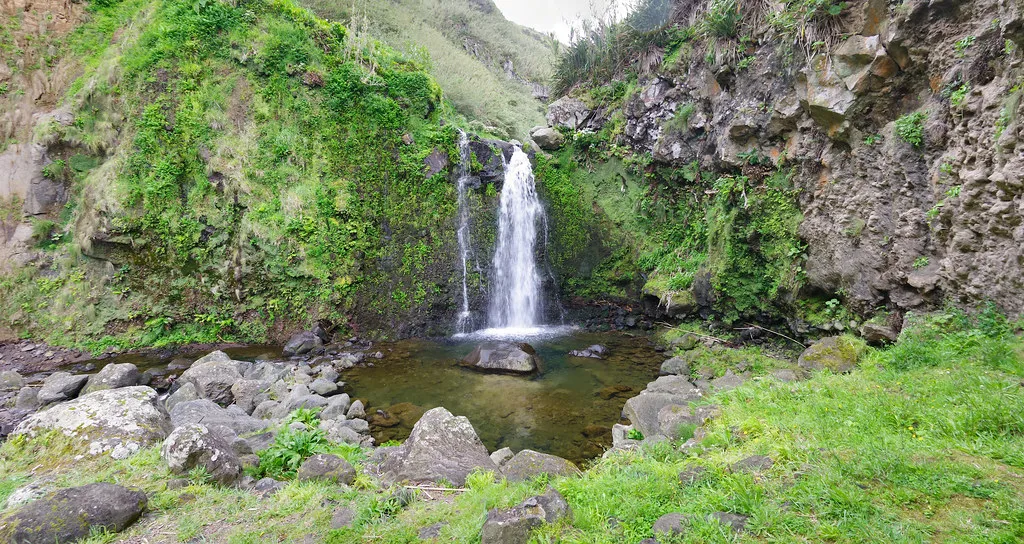
The full trekking route runs about 5 km with 198 metres of elevation gain, passing through lush vegetation and crossing a small wooden bridge before reaching the base of the falls. You can also drive to the viewpoint near the road and get the famous "infinity fall" photograph without the hike. Both the road viewpoint and the trail access are free.
Swimming at the base is possible after descending past a couple of boulders to reach the cool torrent pool. Plan the hike for the morning when the northern coast tends to be clearer; afternoon fog rolling in off the Atlantic can obscure the ocean view from the miradouro.
Salto do Cagarrão (São Miguel)
Salto do Cagarrão is on the southeastern corner of São Miguel, named after the Cory's shearwater — a large seabird — that nests on the cliffs nearby. It sits along the same 7.6 km loop trail as Salto do Prego, following the Prego river upstream through a deep narrow valley. Most guides focus exclusively on Salto do Prego, which means Cagarrão draws a fraction of the visitors.
A distinctive feature is the large tree trunk that has been lodged in the middle of the waterfall for years, giving it a slightly wild and overgrown character compared to the more polished parks. There is a swimming pool at the base that is cold but accessible. The trail from the Faial da Terra trailhead takes about 15 minutes to reach Cagarrão if you walk the shorter spur rather than the full loop.
This is the best fall for hikers who want solitude on São Miguel without leaving the island's infrastructure behind. Free access, no booking, and a trailhead with space for several cars.
Ribeira da Salga (São Miguel)
Ribeira da Salga is the premier canyoning destination on São Miguel. The canyon is located in the northeast of the island between Lomba de São Pedro and the Salga area, about 40 minutes from Ponta Delgada. The route features multiple consecutive drops using a combination of rappels, jumps, and water slides through the canyon walls.
Technical specs for the main canyoning descent: the highest abseil reaches 16 metres and the biggest jump is 8 metres. This makes it suitable for confident swimmers and adults comfortable with heights — it is not appropriate for children under 12. All reputable operators provide wetsuits, helmets, and harnesses; the water in the canyon stays cold year-round even in peak summer.
Casual hikers can view the falls from the public trail at the canyon rim at no cost. Guided canyoning tours run €50–€80 per person and last roughly three hours from the trailhead. Book at least a week ahead in July and August when tour slots fill quickly.
Furnas Waterfall and Grena Park (São Miguel)
Grena Park sits near Lagoa das Furnas and underwent a major reopening in 2019 after decades of alternating public and private ownership. The park contains four waterfalls connected by well-maintained wooden staircase paths, a small aquarium, tropical gardens, and picnic benches. Entry costs €10 per adult; the park is open 09:30–18:30 in summer months.
The honest assessment: the waterfalls themselves are pretty but not spectacular compared to the free options on the island. The added value of Grena Park is the landscaping and the family-friendly layout with proper handrails and clear signage. If you have children or elderly travelers in your group who cannot manage rougher jungle trails, Grena Park is worth the entry fee. For able-bodied adults, the free falls at Ribeira dos Caldeirões and Salto do Prego offer more dramatic scenery without the cost.
The park is a short drive from the Furnas hot spring geysers and the thermal lake, making it a natural add-on to a Furnas Valley half-day. Combine Grena Park with the fumaroles and a cozido das Furnas lunch cooked underground for a full-day itinerary in the eastern caldera.
Poço do Bacalhau (Flores Island)
Poço do Bacalhau is in Fajã Grande on the western coast of Flores — the most remote major island in the Azores and, for many hikers, the most beautiful. The waterfall drops 90 metres into a wide natural pool and is reached by a 250-metre walking path from the village parking area, taking roughly 10 minutes on foot through a corridor of blue hydrangeas and old water mills along the stream.
The late afternoon is the best time to visit. From around 16:00 in summer, the setting sun hits the waterfall directly, turning the mist into a backlit curtain of light. At that angle the green cliffs and the pool below make for some of the most photographed waterfall images in the entire Atlantic archipelago. Mornings tend to be cooler and quieter but the light falls on shadow rather than water.
Entry is free. Getting to Flores requires either a 45-minute inter-island flight from Pico or São Miguel or a ferry connection that only runs in summer. Rent a car at Santa Cruz das Flores Airport — there is no viable public transport to Fajã Grande. For Azores itinerary planning, check our São Miguel things to do guide to decide whether adding Flores to your route makes sense for your schedule.
Aveiro Waterfall (Santa Maria Island)
Santa Maria is the southernmost and sunniest island in the Azores, and its standout waterfall is the Aveiro cascade on the southeastern coast near the small village of Maia. It drops from a height of roughly 110 metres, making it one of the tallest single-drop waterfalls in the entire archipelago. A wooden bridge and a 10-minute rocky path lead from the road to the viewing area.
Unlike most Azores falls, Aveiro does not have a natural swimming pool at the base — the water disperses across flat rocks before reaching the shore. The waterfall is best visited during or just after the rainy season (November through March) when flow is heavy enough to create a proper cascade visible from the village. In July and August it can slow considerably.
Santa Maria is less visited than São Miguel and the slower pace of the island makes the waterfall visit feel genuinely off-the-beaten-path. The island is served by direct flights from Lisbon (TAP) and inter-island connections. Combine the waterfall with Santa Maria's white-sand beaches at Praia Formosa for a full-day circuit of the southeastern coast.
Azores Waterfalls: the Other Islands
Beyond São Miguel, Flores, and Santa Maria, two other islands have waterfalls worth noting. São Jorge has Cascata da Cruzal on its eastern end, visible right off the main road — a roadside stop that takes no more than 10 minutes and costs nothing. São Jorge's dramatic fajãs (cliff-bottom coastal flats) also create seasonal falls along the north coast after heavy rain, though these are not reliably flowing in summer.
On Flores, the Cascata da Ribeira do Ferreiro on the west coast is often cited as a highlight equal to Poço do Bacalhau. It is less accessible than Poço do Bacalhau but rewards the effort with a wider curtain of water and a more isolated setting. Graciosa, Terceira, Pico, and Faial all have smaller seasonal cascades, but none are significant enough to anchor a waterfall-specific itinerary.
Travelers looking for a comprehensive experience should check our guide to 15 Best Azores Tourist Attractions: 2026 Travel Guide for more ideas beyond waterfalls. Island-hopping between São Miguel, Flores, and Santa Maria covers the three best waterfall islands and remains manageable within a 10–14 day trip.
Practical Tips for Visiting Azores Waterfalls
Proper footwear is the most important piece of gear for anyone exploring these muddy jungle trails. Waterproof hiking shoes with good grip prevent slips on the mossy rocks near the base of the falls. Pack a lightweight rain jacket even if the sky looks clear at the trailhead — weather patterns in the mid-Atlantic change within minutes at altitude. For detailed trail maps and waypoint data for all major falls, consult the official Azores trails portal.
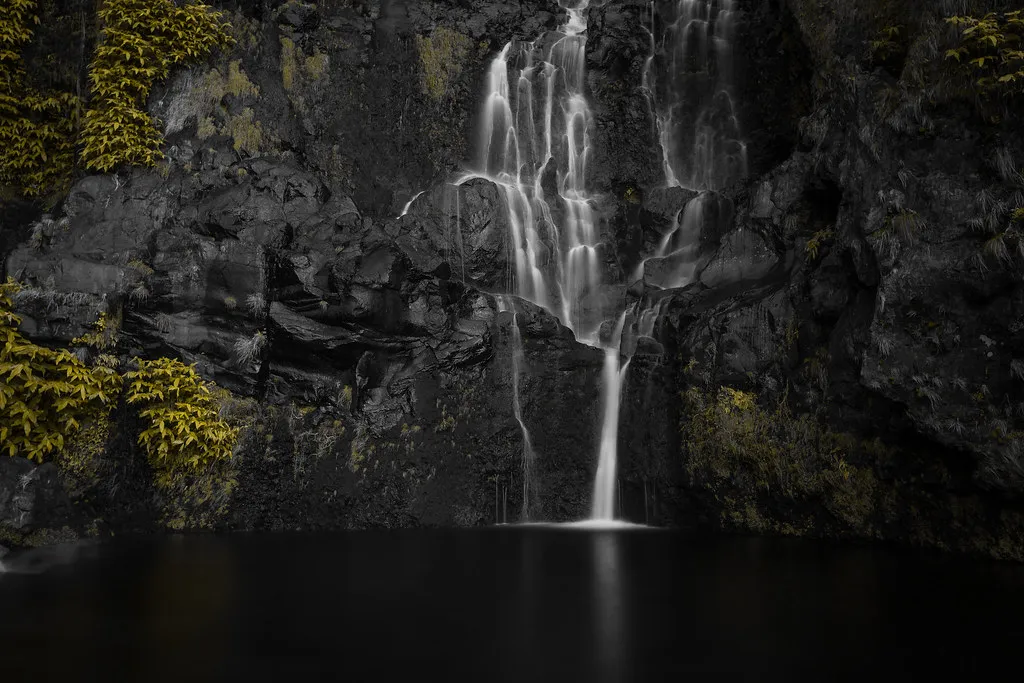
Peak waterfall flow runs from late October through early April when rainfall is heaviest. Summer visitors (July–August) should prioritize the thermal falls at Caldeira Velha and Ribeira Quente over the purely rain-fed cascades like Salto da Farinha, which can thin to a trickle by August. Spring (March–May) gives you the best balance: strong flow, moderate crowds, and pleasant hiking temperatures around 18–22°C.
For thermal sites like Caldeira Velha, book online the day before — walk-in availability disappears by 09:30 on busy summer weekends. If you are traveling on a budget, check our tips for the Azores On A Budget: 8 Essential Cost-Saving Tips to save on entry fees. The majority of the best waterfalls in the Azores — Salto do Prego, Salto do Cabrito, Ribeira dos Caldeirões, and Ribeira Quente — are completely free.
Frequently Asked Questions
Can you swim at any of the Azores waterfalls?
Many waterfalls allow swimming, though the water remains quite cold year-round. Salto do Prego and Poço do Bacalhau are popular for their deep, natural pools. Always check for safety signs regarding slippery rocks before entering.
Do you have to pay to see the waterfalls on Sao Miguel?
Most waterfalls on São Miguel are free to access, including Salto do Cabrito and Ribeira dos Caldeirões. However, managed sites like Caldeira Velha and Grena Park require an entry fee. These paid parks usually offer better facilities like restrooms and cafes.
What is the best time of year to see waterfalls in the Azores?
The best flow occurs between late autumn and early spring when rainfall is more frequent. During the peak summer months of July and August, some smaller falls may dry up completely. Plan a spring visit for the best balance of weather and water volume.
The waterfalls of the Azores offer a diverse range of experiences from relaxing thermal soaks to intense canyoning adventures. By following this guide, you can find the perfect balance between famous landmarks and secluded hidden gems. The natural beauty of these islands is fragile, so please remember to stay on marked trails and carry out all trash.
Whether you are exploring the lush corners of São Miguel or the dramatic cliffs of Flores, these cascades will be a highlight. Pack your hiking boots and a sense of adventure for a journey through one of Europe's most stunning archipelagos. We hope this 2026 guide helps you discover the magic of the Azorean wilderness on your next trip.
 Azores On A Budget: 8 Essential Cost-Saving TipsMay 17, 2026
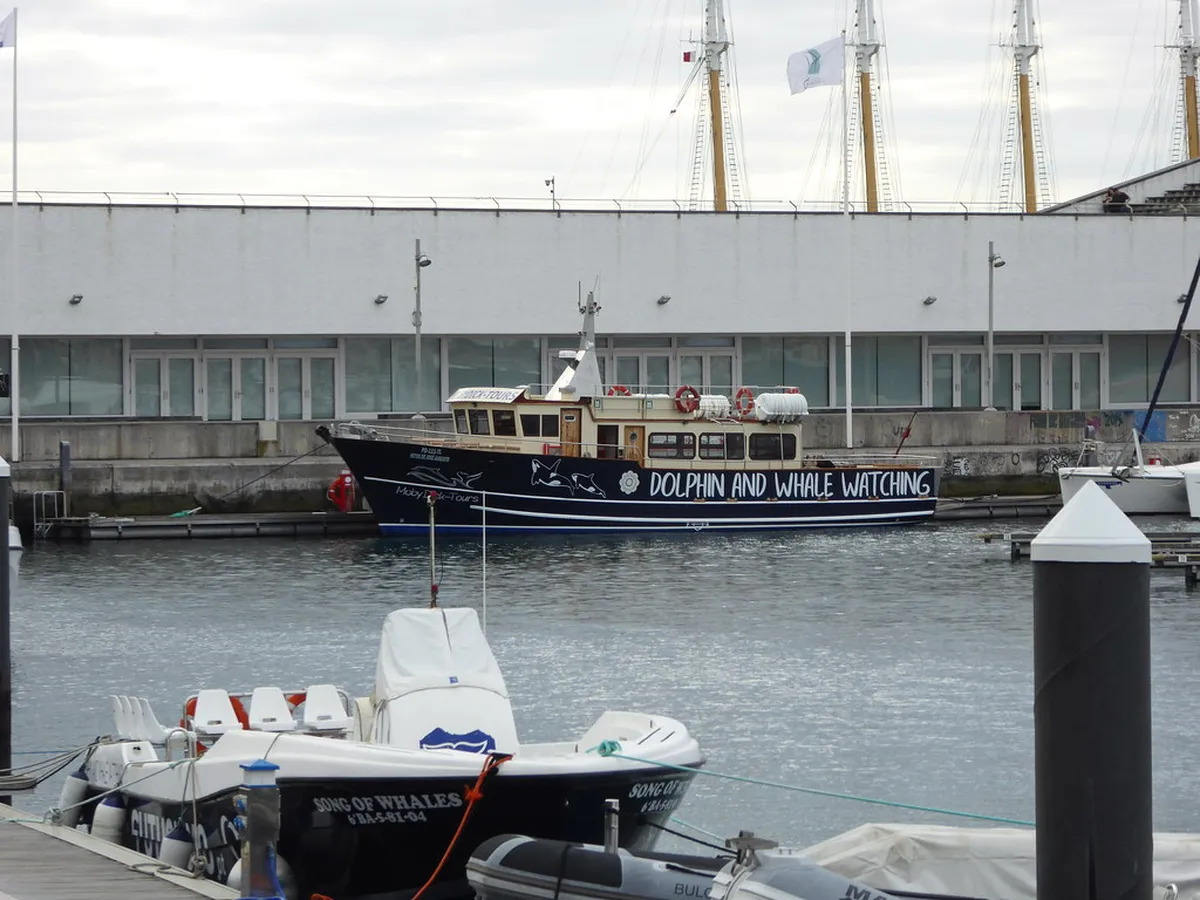 10 Best Boat Tours in the Azores for 2026May 17, 2026
 8 Essential Things to Know About Boca do InfernoMay 17, 2026