7 Best Spa Hotels in the Douro Valley for a Wellness Retreat (2025)
Discover the 7 best spa hotels in the Douro Valley. From the luxury of Six Senses to the eco-friendly Octant Douro, find your Portuguese wellness escape.
On this page
7 Best Spa Hotels in the Douro Valley
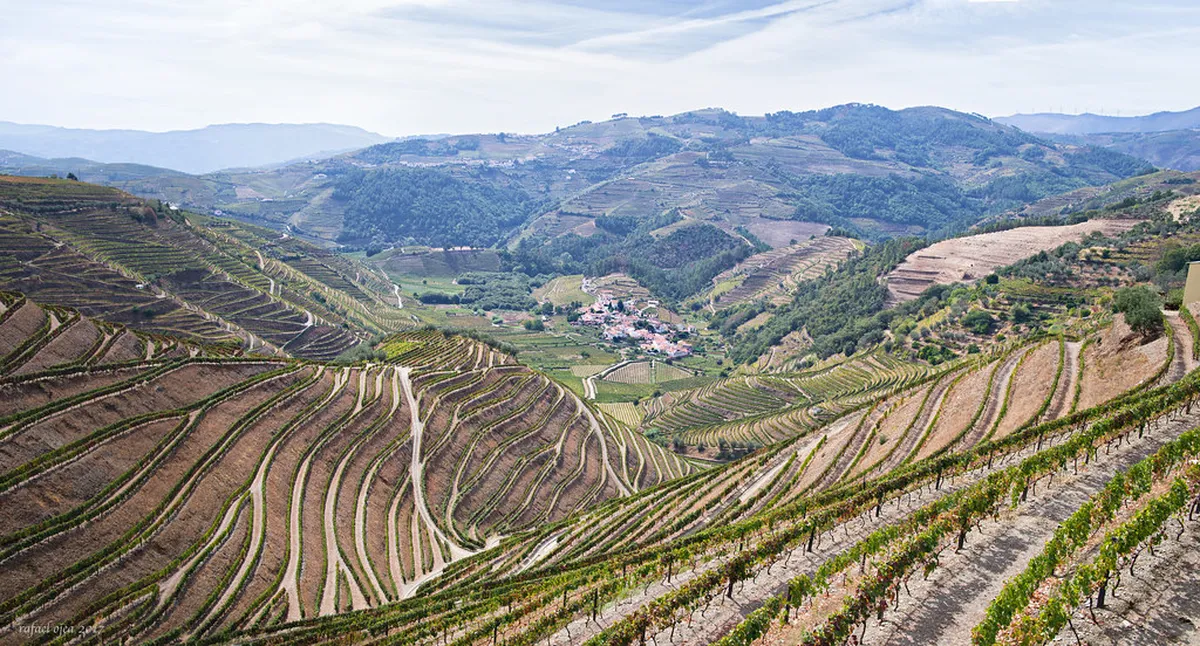
The Douro Valley is a UNESCO World Heritage site where terraced vineyards drop to the river in steps that look carved by hand — because they were. That landscape, combined with a dry continental microclimate and centuries of winemaking tradition, creates ideal conditions for one specific kind of travel: a serious wellness retreat. After multiple stays across the valley over the past three years, our editors have reviewed and re-ranked the region's dedicated spa properties for 2026, separating those with genuine therapeutic circuits from hotels that put a sauna in a basement and call it a spa.
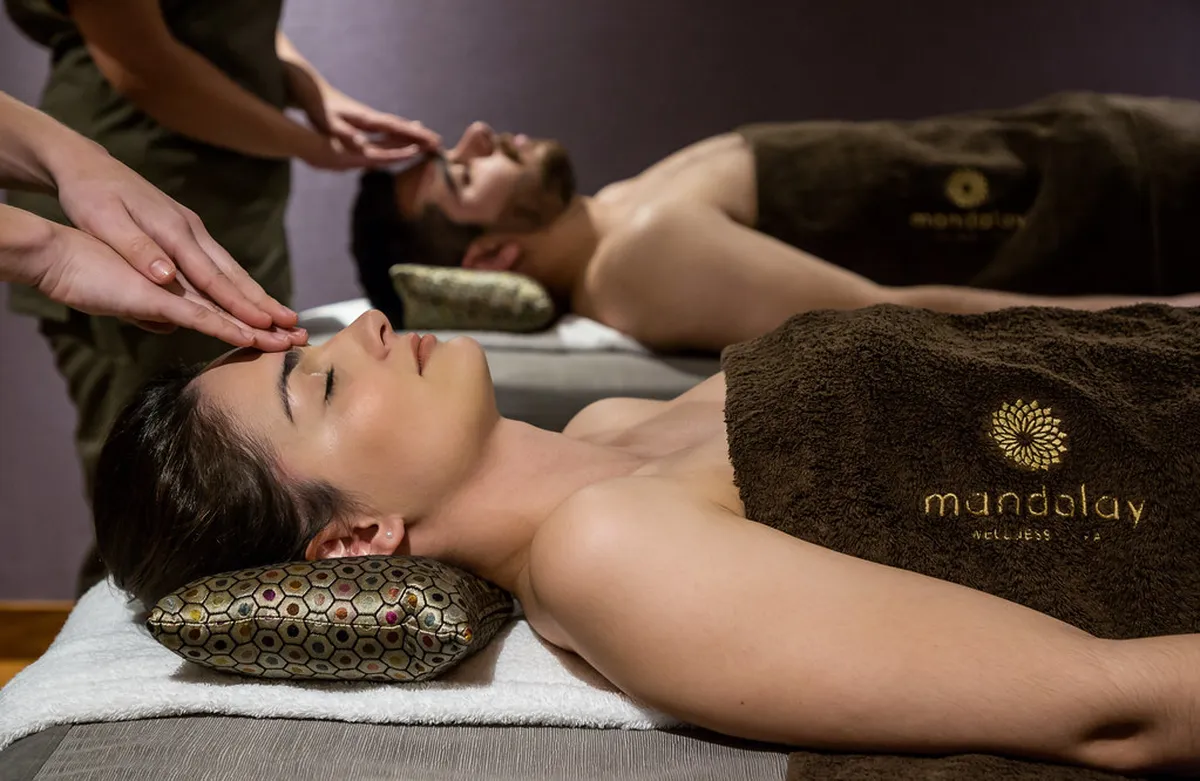
Finding a quality douro spa means looking past infinity-pool photography. The properties that deliver actual results combine hydrotherapy circuits, vinotherapy treatments using Douro-grown grape byproducts, and staff trained in specific modalities. This guide covers what each of the seven best properties offers, what a thermal circuit visit actually costs in EUR, when to book, and what no other guide bothers to tell you about altitude and recovery in this part of Portugal.
Why the Douro Valley for Wellness
Most spa destinations in Europe separate the wellness experience from the surrounding landscape. A city hotel spa could be in any basement in any city. The Douro is different because the environment is inseparable from the treatment. Properties here use thermal spring water drawn from the schist bedrock. The air at river level carries low humidity year-round, which makes heated rooms feel less oppressive than coastal equivalents. According to Portugal's official wellness spa guide, the country's thermal properties benefit from distinct regional microclimates. Pine and eucalyptus forests on the upper terraces provide the backdrop for guided outdoor sessions.
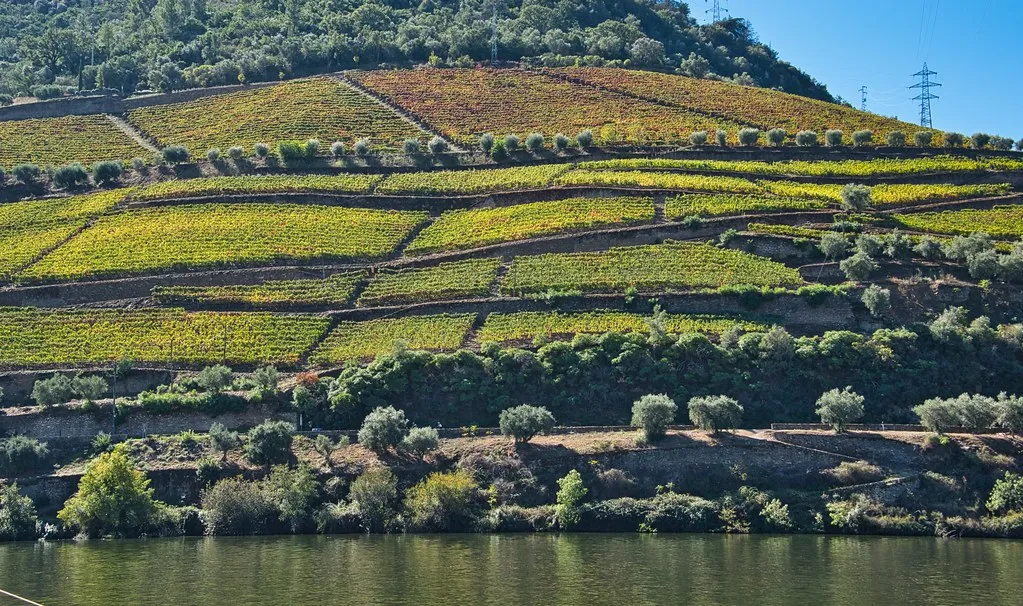
The region also produces one of the densest concentrations of polyphenol-rich grape material in the world. Touriga Nacional and Tinta Roriz grape skins and seeds, the byproducts of port and Douro DOC wine production, are harvested by several spas on-site and used directly in treatments. This is not a marketing claim — the antioxidant concentration in Douro grape seeds is measurably higher than in varieties grown in lower-altitude, higher-yield appellations. That matters when you are paying for a vinotherapy session.
The valley also falls within a short drive or train ride of Porto, making it accessible as a multi-day escape without long-haul travel. Most top Douro Valley attractions are concentrated between Peso da Régua and Pinhão, and several of the best spa properties sit within that corridor or just beyond it. Planning a combined wine and wellness itinerary is straightforward once you know which properties offer both.
What a Thermal Circuit Actually Involves
Many visitors arrive at a Douro spa expecting a massage and leave having used a fraction of what they paid for. A full thermal circuit is a structured progression through different water temperatures and pressures, and it is the core offering of every serious property on this list. Understanding the sequence makes the visit dramatically more effective.
A standard circuit begins in a warm hydromassage pool at around 36–38°C, where pressurized jets target the lower back and shoulders. After fifteen to twenty minutes, guests move to a dry sauna at 80–90°C for eight to twelve minutes, then a cold plunge or cold shower at 14–16°C. That contrast cycle is repeated two or three times. Between cycles, a relaxation room with heated loungers allows the body to regulate. The full circuit typically takes ninety minutes to two hours and costs between €25 and €50 as a standalone access fee, separate from any booked treatment.
Most properties require you to shower before entering any pool. Bring a swimsuit, sandals, and a hair tie if relevant — some pools require caps. Several of the hotels on this list include circuit access in an overnight room rate; day-pass guests pay separately. Always ask explicitly whether your booking includes thermal circuit access or only a specific treatment room.
A full Douro thermal circuit takes 90 minutes to 2 hours and costs €25–€50 as a standalone day-pass fee, separate from any treatment booking. Always ask whether thermal circuit access is included in your room rate before booking.
7 Best Spa Hotels in the Douro Valley
The following properties have been selected for the quality of their spa infrastructure, not merely their overall hotel rating. A beautiful hotel with a single massage room and a hot tub does not appear on this list. Each of these seven properties operates a real thermal circuit, employs trained spa therapists, and offers standalone access for day visitors or packages for overnight guests.
1. Six Senses Douro Valley
Six Senses operates the most comprehensive wellness facility in the valley, housed in a 19th-century manor house near Lamego. The spa covers 2,135 square metres across two floors and includes ten treatment rooms, an indoor lap pool with programmable water jets, a hamam, a vitality pool, a snow cave, and an Alchemy Bar where guests blend their own herbal products. The facility is open daily from 09:00 to 21:00. Individual treatments range from approximately €150 to €300 per session depending on duration and modality.
The Six Senses programming goes beyond standard spa menus. The property offers multi-day biohacking protocols, sleep optimization consultations, and guided forest bathing through their private woodland trails. The Alchemy Bar sessions — where a practitioner guides you through making custom balms using valley herbs and grape extracts — are included in some packages and bookable as standalone workshops for around €45. This is the right choice for travelers who want a structured, outcome-focused wellness program rather than a relaxation-only stay.
Overnight room rates at Six Senses start around €450 per night and include thermal circuit access. Day spa packages for non-guests are available but limited in number — book at least two weeks ahead in peak season. The property sits on the N222 road near Samodães, approximately 1.5 hours by car from Porto.
2. Octant Douro
Octant Douro in Castelo de Paiva is the most architecturally striking property on this list. The building is a contemporary structure that uses glass and steel to frame uninterrupted views of the Douro river from nearly every spa space. The panoramic sauna — a glass-walled room cantilevered over the hillside — is unique in Portugal. The indoor pool runs at a consistent 30°C and uses salt filtration rather than chlorine, which is easier on skin during multi-session stays.
The property's wellness philosophy is deliberately low-intervention. Treatment menus focus on massage and body work rather than technology-led protocols. Octant uses SUBTLE certified organic products from Portugal, and staff are trained in lymphatic drainage and deep tissue work. Spa access for non-guests costs approximately €40 to €60 for a half-day session. The on-site Raiva restaurant serves organic, regionally sourced food, making it a logical post-treatment lunch stop.
Octant Douro is the best option for travelers who prioritize ecological credentials alongside quality. The hotel holds certification for sustainable construction and operations. It is also the most accessible of the seven properties from Porto — about 50 minutes by car along the A29 motorway, significantly shorter than the drive to Lamego or Pinhão.
3. Douro Royal Valley Hotel & Spa
Located in Baião, the Douro Royal Valley Hotel offers a clean, contemporary spa on the north bank of the river. The rooftop infinity pool is the hotel's signature image, but the more useful facility is the indoor thermal circuit directly below it: hydromassage pool, Finnish sauna, Turkish bath, and two pressure-shower stations. The circuit is open daily from 10:00 to 20:00 and costs €35 for day visitors outside peak season.
Standard massage treatments start at around €75 per hour. The property also offers a specific vinotherapy menu developed in partnership with local quintas — a grape-seed exfoliation followed by a warming Touriga Nacional wrap costs approximately €110 and takes ninety minutes. Floor-to-ceiling windows in the indoor pool area mean you get vineyard views even when the weather pushes you inside, which happens frequently in winter and early spring.
The Douro Royal Valley is better suited to couples and small groups than solo travelers, largely because the package pricing favors double occupancy. However, the weekday day-pass rate offers strong value. Avoid Saturday afternoons in July and August — the spa fills with weekend leisure guests and the circuit feels crowded. A Tuesday or Wednesday morning is the optimal visit window.
4. Douro Palace Hotel Resort & Spa
The Douro Palace near Santa Cruz do Douro occupies a restored 18th-century manor house with formal gardens. The spa aesthetic is more classical than the modern properties on this list — marble surfaces, arched doorways, and a warm amber lighting scheme. The facility includes a dry sauna, a hammam, a large indoor pool, and four treatment rooms. Operating hours are daily from 09:00 to 20:00.
Multi-day wellness packages here start at around €220 for two nights with spa access and one treatment included. The hammam is one of the better examples in the valley — fully tiled, properly humidified, and maintained at a consistent 42°C rather than the underpowered versions common in converted historic buildings. The property also operates a small hydrotherapy tub with targeted pressure jets specifically designed for lower-back and joint treatment, which distinguishes it from competitors offering only general hydromassage.
Arriving by the Douro train line to Mosteirô station is feasible and scenic. The hotel arranges transfers from the station for guests; day-pass visitors should confirm this in advance, as the station is 4 kilometres from the property and there is no local taxi service. The N108 road to the hotel has tight bends — allow extra time and do not attempt it after dark without GPS guidance.
5. Lamego Hotel & Life
Lamego Hotel & Life occupies a thoughtfully renovated property within walking distance of Lamego's historic centre and the famous Nossa Senhora dos Remédios sanctuary staircase. The spa combines a modern aquatic circuit with access to a private orchard where outdoor treatments are available in warmer months. The indoor circuit — hydromassage pool, Finnish sauna, steam room, and relaxation deck — is compact but well maintained and open from 10:00 to 20:00 daily.
The hotel's signature treatment is a citrus body scrub that uses lemons grown in the property's own garden. At €65 for forty-five minutes, it is among the most affordable distinctive treatments on this list. Spa access is included for overnight guests; day-pass pricing is approximately €30 for circuit-only access. The location in Lamego town means you can combine a spa morning with a visit to the Douro Museum or a walk up the 686-step baroque staircase before or after your session.
Lamego Hotel & Life is the strongest option for travelers who want wellness alongside cultural sightseeing rather than an isolated resort experience. It is particularly well suited to solo travelers and couples on a moderate budget. Lamego itself is underrated as a Douro base — it sits 12 kilometres from the river but offers far better restaurant variety and hotel value than the properties directly on the water.
6. Douro Cister Hotel Resort
Set near the Monastery of Salzedas in the quietest stretch of the valley interior, the Douro Cister Hotel Resort offers the most meditative environment on this list. The monastery itself dates to the 12th century and is within a short walk of the hotel grounds. The spa uses natural spring water sourced from the property's own well, which has a higher mineral content than municipal-sourced water — a tangible difference during hydrotherapy sessions. Facilities are open daily from 10:00 to 19:00.
Treatment pricing here is the most accessible of any property on this list: basic massage sessions start at €55, and hydrotherapy access alone costs €25 for day visitors. The spring water pool is the facility's strongest asset — slightly mineralised and maintained at 34°C, it feels distinctly different from the standard heated pools of more commercial properties. The spa is small by comparison to Six Senses or Douro Royal Valley, but the silence of the surrounding countryside makes concentration easier during treatments.
After your session, the walk to the Salzedas monastery ruins takes about twenty minutes and passes through vine terraces at their most atmospheric in autumn and early spring. There is no public transport to this area — a rental car or private transfer is essential. The property is approximately 25 kilometres south of Lamego via the M533 road.
7. Douro Scala Hotel
The Douro Scala in Mesão Frio is the entry point to the valley from Porto, sitting at the western end of the Douro DOC wine region. The spa occupies the lower level of a restored manor house and features a heated indoor pool, a Finnish sauna, a steam room, and a terrace that looks directly over vine rows descending to the river. Hours are 09:00 to 20:00 daily, and vinotherapy treatments using local grape-seed oil are available from €90.
The sunset terrace is frequently cited in guest reviews as the spa's best feature — sessions timed to finish around 19:30 in summer allow guests to use the terrace in the last hour of daylight. The property's proximity to Mesão Frio town means good restaurant options within a five-minute drive, which matters for self-catering wellness travelers who want to control their diet alongside spa treatments. Day-pass access to the circuit costs approximately €35.
Douro Scala is the most practical choice for travelers combining a Douro spa stay with a Porto city break. The drive from Porto is approximately 80 minutes, and the hotel's location means you can visit on the way out of the valley rather than making a dedicated detour. That said, the circuit is smaller than the mid-list properties, and the treatment menu is less specialized than Six Senses or Douro Cister.
| Spa Hotel | Location | Drive from Porto | Day Pass (circuit) | Overnight from (per person) |
|---|---|---|---|---|
| Six Senses Douro Valley | Samodães, near Lamego | ~1.5 hours | Limited (book ahead) | ~€450/night (incl. circuit) |
| Octant Douro | Castelo de Paiva | ~50 minutes | €40–€60 (half-day) | On request |
| Douro Royal Valley | Baião | ~1 hour | €35 (off-peak) | ~€140/person (2-night pkg) |
| Douro Palace | Santa Cruz do Douro | ~1.5 hours | Daily 09:00–20:00 | ~€110/person (2-night pkg) |
| Lamego Hotel & Life | Lamego town | ~1.5 hours | ~€30 (circuit only) | Moderate budget |
| Douro Cister | Near Salzedas Monastery | ~2 hours | €25 | Budget-friendly |
| Douro Scala | Mesão Frio | ~80 minutes | ~€35 | On request |
Vinotherapy: What It Actually Does and Which Spas Do It Well
Vinotherapy is the umbrella term for treatments that use grape-derived ingredients — seeds, skins, pulp, and marc — as the active element. It is ubiquitous in Douro spa marketing, but the quality varies considerably. The active compounds are resveratrol and oligomeric proanthocyanidins (OPCs), both potent antioxidants found in high concentrations in Douro red grape varieties. Scientific research confirms OPCs' antioxidant properties, and the clinical evidence for topical antioxidant benefits is modest but genuine — OPCs reduce oxidative stress markers in skin tissue when applied correctly.
The key word is correctly. For grape-seed oil or extract to penetrate the skin barrier effectively, the treatment sequence matters. The best Douro spas begin a vinotherapy session with fifteen minutes in a warm hydromassage pool at 37–38°C, which opens pores and increases surface circulation. The grape-seed exfoliation or wrap is then applied at room temperature — not in a steam room, where the compounds degrade — and left for twenty to thirty minutes before a lukewarm rinse. Properties that skip the pre-heating step or rush this sequence reduce the treatment to an expensive body scrub.
Six Senses and Douro Cister are the two properties on this list that follow the full protocol consistently. Six Senses sources some ingredients from their on-site garden; Douro Cister uses marc from the harvest of the Salzedas estate adjacent to the hotel. Douro Royal Valley and Douro Scala offer competent vinotherapy menus but use imported standardized products rather than estate-sourced material. If you are specifically booking for vinotherapy rather than general spa access, Six Senses or Douro Cister represent better value for the premium you will pay.
Altitude, River Level, and What It Means for Your Recovery
No competitor article on Douro spa hotels addresses this, but it affects your experience meaningfully. The valley properties on this list sit at very different altitudes. Octant Douro and Douro Scala are at or near river level, around 50–80 metres above sea level. Six Senses and Douro Cister sit considerably higher, between 250 and 450 metres, in the interior schist hills. The air quality, humidity, and temperature differential between heated facilities and the outdoor environment are all different at these elevations.

At river level, summer temperatures in July and August regularly reach 38–40°C, and the humidity is higher. Outdoor terraces and post-treatment relaxation areas can feel oppressive rather than restorative. The contrast between a cold plunge and the outdoor air is less dramatic. At altitude, even in summer, evenings cool to 18–22°C, the air is drier, and the transition from a 90°C sauna to the outdoor terrace delivers a sharp, invigorating contrast that many guests describe as the best part of a highland spa session.
For winter visits, the altitude differential works in the opposite direction. River-level properties stay milder, with morning fog that hangs in the valley until midday and creates an atmospheric backdrop for outdoor treatments. Highland properties can see temperatures below 5°C in January, which makes outdoor walking less practical but intensifies the appeal of indoor steam and pool facilities. If you are planning a winter wellness break specifically for indoor hydrotherapy, Douro Cister and Six Senses are better positioned than the river-level properties.
Day Passes vs. Overnight Stays: Costs and What Is Worth It
Every property on this list accepts day visitors for spa access, but the economics differ significantly from an overnight package. A standalone day pass to the thermal circuit costs between €25 and €65 depending on the property, season, and what is included. Add one treatment — a sixty-minute massage or a vinotherapy session — and you are typically spending €100 to €160 total. That is viable for a single-day excursion from Porto but means you are paying premium prices for limited time.
Overnight spa packages change the calculation. Two nights with spa access included, breakfast, and one treatment per person generally runs €280 to €450 per person depending on the property tier. At Six Senses the per-person rate is higher, but the package includes unlimited thermal circuit use, an Alchemy Bar session, and access to programming like the forest bathing walks. On a per-experience basis, the overnight package delivers better value than day-pass stacking if you plan to use the facilities for more than a single session per day.
There is a third option worth knowing about: some properties offer half-board spa packages mid-week that are priced significantly lower than weekend rates. Douro Royal Valley, Douro Palace, and Lamego Hotel & Life all have mid-week pricing that can run 20–35% below their published weekend rates. Contacting properties directly by phone or email to ask about current mid-week packages sometimes unlocks rates not visible on the main booking platforms. This is worth fifteen minutes of effort if your travel dates are flexible.
Mid-week day passes and overnight packages at Douro Royal Valley, Douro Palace, and Lamego Hotel & Life can run 20–35% cheaper than weekend rates. Contact properties directly by phone or email for unpublished mid-week deals.
Getting There and Planning Your Arrival
Porto is the practical base for reaching every property on this list. The city is 80 to 150 kilometres from the properties depending on location, and travel time by car ranges from 50 minutes for Octant Douro to 2 hours for Douro Cister. The Douro train line from Porto Campanhã station follows the river from Peso da Régua through to the Côa valley and is one of the most scenic rail journeys in Europe. For properties near Régua or west of it, the train is a realistic option; for those further into the interior like Douro Cister or Six Senses, a car or pre-arranged transfer is necessary.
Renting a car from Porto airport provides the most flexibility across all seven properties. The N222 river road is beautiful but narrow — leave more time than Google Maps suggests, particularly around the switchback sections between Peso da Régua and Pinhão. Ubers are available in Régua town but unreliable in the more remote valley areas. If you plan to visit more than one property across a multi-day stay, a rental car is essentially mandatory. Several of the highland properties have road conditions that require a car with reasonable ground clearance — not necessarily a 4WD, but not a low-slung city vehicle either.
Always book spa treatments and day passes 48 to 72 hours in advance during July, August, and September. The valley receives heavy tourist traffic during harvest season, and spa slots fill quickly. January through March offers the quietest conditions, lowest prices, and the sharpest contrast between the heated indoor facilities and the cold, misty outdoor landscape — which is precisely what makes a Douro Valley winter spa visit memorable rather than merely comfortable.
What to Avoid
River cruise boats frequently market onboard "spa" services, but these almost universally consist of a single massage room without any hydrotherapy infrastructure. There is no thermal circuit, no heated pool, and no cold contrast facility on a Douro river boat. If genuine wellness is your goal, skip the cruise spa and book a day pass at any property on this list instead. The land-based facilities are categorically superior and generally cheaper per treatment hour.
Be cautious of hotels that charge €50 or more for spa access and then reveal an outdoor pool that is unheated, a sauna at the wrong temperature, or a steam room closed for maintenance. Check recent reviews specifically mentioning facility condition — not overall hotel reviews, which tend to be dominated by room and service comments. A sauna that is not reaching 80°C and a steam room operating below 40°C are common maintenance failures in properties that lack dedicated spa management staff.
Avoid booking during the Douro harvest in late September without reserving treatments well in advance. The valley fills with wine tourists, spa staff are sometimes assigned to event hosting, and the relaxed atmosphere that makes a wellness retreat worthwhile becomes harder to find. The same valley, visited two weeks earlier in early September or two weeks later in mid-October, will feel entirely different — and treatment availability will be considerably better.
Frequently Asked Questions
Which Douro spa is best for a high-end luxury experience?
The Six Senses Douro Valley is the premier choice for luxury wellness. It offers a massive 23,000-square-foot spa, an Alchemy Bar, and world-class practitioners. For more details on costs, check our guide to Six Senses Douro Valley prices.
Can I visit a Douro spa for the day without staying at the hotel?
Yes, many properties like Octant Douro and Douro Royal Valley offer day passes. These typically cost between $40 and $70 and include access to the thermal circuits and pools. Always call ahead to ensure they have capacity for non-guests.
What is the best time of year for a wellness retreat in the Douro Valley?
Spring (March to May) and late autumn (October to November) offer the best balance of mild weather and tranquility. Winter is also excellent for enjoying heated indoor facilities while the valley is quiet. Avoid the harvest season in September if you want a peaceful atmosphere.
The Douro Valley has earned its place among Europe's serious wellness destinations, not because of marketing but because the physical environment — the climate, the schist terraces, the grape-derived ingredients, the isolation from urban noise — genuinely supports deep recovery. The seven properties on this list represent the full range from internationally branded luxury to quiet monastery-adjacent retreat. Whether you book a full week at Six Senses or a single afternoon day pass at Douro Cister, the valley will do its part. The decision is how much structured programming you want around the landscape's natural advantages.
Book treatments in advance, confirm whether your package includes thermal circuit access, check the altitude and seasonal conditions of your chosen property, and allow more drive time than you expect on valley roads. A well-planned Douro spa visit is one of the most restorative two to three days available within a short flight of most of Europe. See our Douro Valley tourism guide for complementary activities to build around your wellness stay.
For related Douro Valley guides, see our Six Senses Douro Valley Review and Six Senses Douro Valley Review articles.
 10 Best Restaurants in Coimbra (2026)May 26, 2026