
7 Essential Stops in the Douro Valley Baião Guide
Plan your trip with our Douro Valley Baião guide. Discover the Castle of Arnoia, Valongo viewpoint, local Vinho Verde quintas, and essential transport tips.
On this page
7 Essential Stops in the Douro Valley Baião Guide
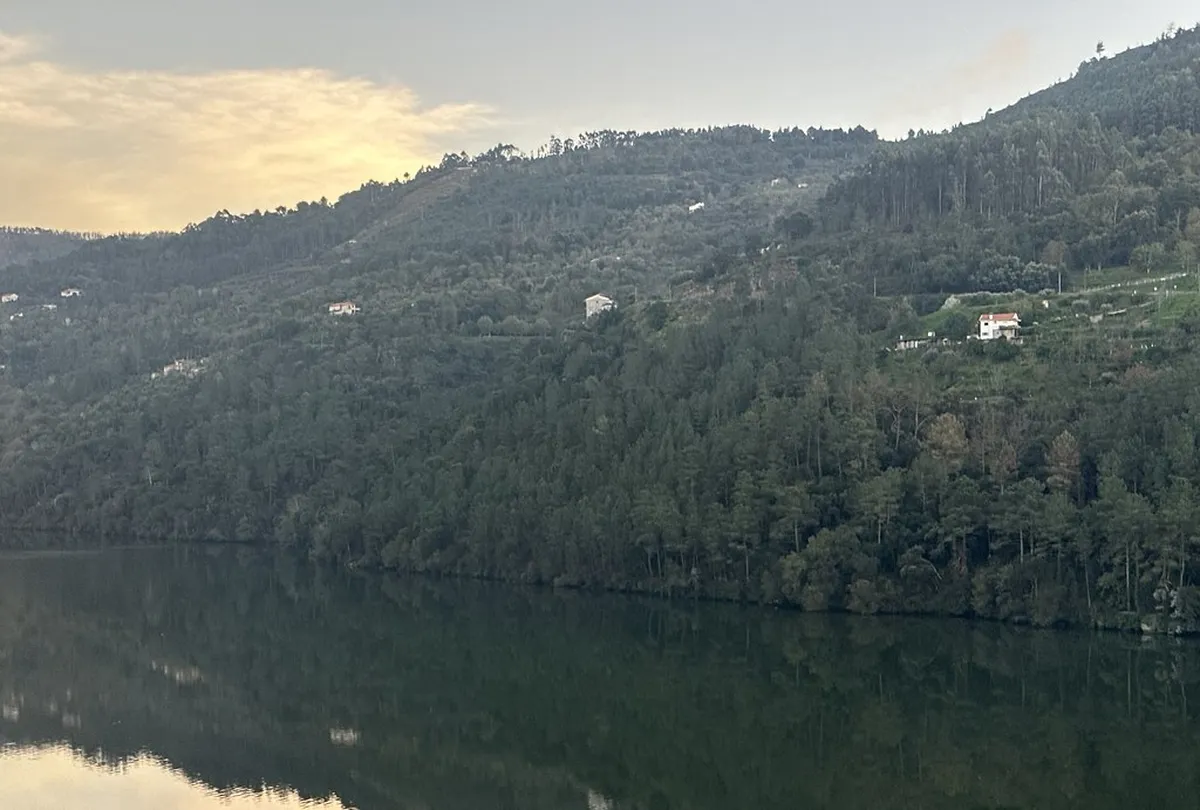
Baião sits on the lush right bank of the Douro River in North Portugal.
This region offers a peaceful alternative to the crowded tourist hubs further east.
Travelers often call this area the Green Douro because of its dense forests and granite mountains.
Explore more Douro Valley tourism attractions to see how Baião fits into your broader Portugal trip.
Introduction to the Baião Region of the Douro Valley
Baião serves as a natural bridge between the coastal Minho region and the inland river valley. The landscape here differs significantly from the terraced vineyards of Pinhão or Peso da Régua. You will find sprawling oak forests and rugged granite peaks that create a cooler, fresher atmosphere. Altitude villages sit above 600 m, which means summer temperatures stay 4–6°C lower than the scorched eastern Douro.
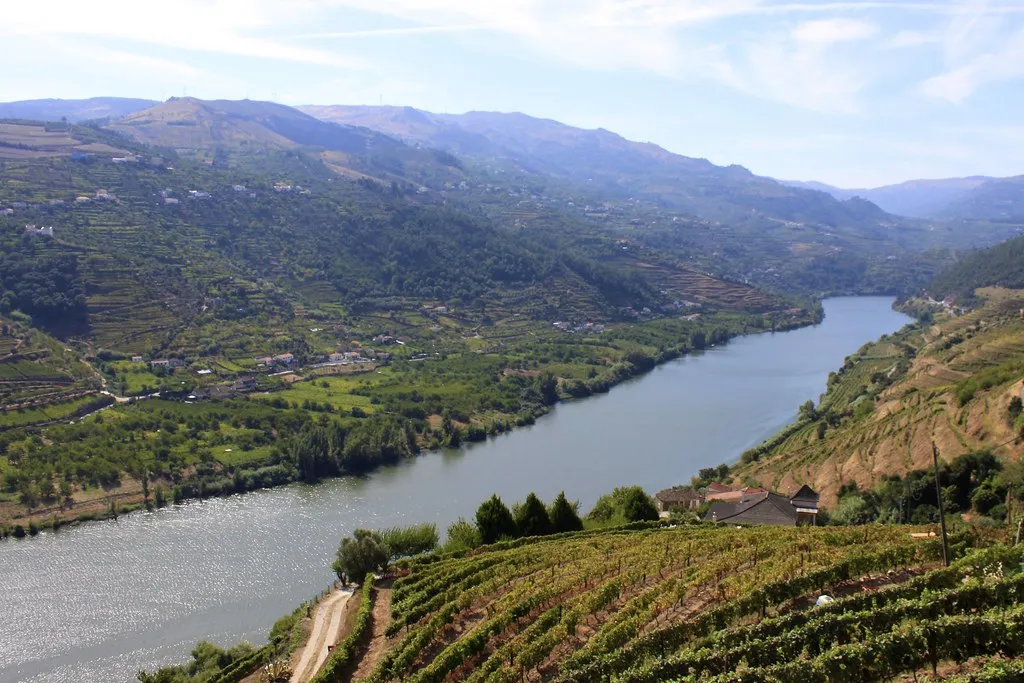
The municipality covers around 174 km² and holds roughly 19,000 residents spread across 21 parishes. Visitors can enjoy quiet villages where traditional stone houses still line the narrow streets. You will likely encounter more locals than tourists while exploring the hidden corners of the valley. This authenticity makes it a top choice for slow travel enthusiasts who want a break from organised wine-tour buses.
Top 7 Must-Visit Attractions in Baião
The historical depth of this region is visible in its ancient stone monuments and medieval ruins. Architecture lovers will appreciate the heavy influence of the Romanesque style across the local churches. You can find detailed architectural maps on the Rota do Românico Official Site for your self-guided tour. These sites offer a glimpse into the early foundations of the Portuguese nation.
The Castle of Arnoia is the most dramatic landmark in the municipality. The ruin crowns a rocky hilltop above the village of Arnoia and requires a steep 15-minute climb from the car park. Entry is free and the site is unstaffed, so you can explore at your own pace year-round. From the battlements you get a clear 180-degree sweep of the Douro gorge below.
The Church of São Cristóvão de Ovil is one of three Baião structures on the Rota do Românico circuit. Built in the 12th century, it retains its original granite portal and a bell tower that has barely changed in 800 years. The key is available from the neighbouring house — just knock and a caretaker will let you in. Admission to Rota do Românico churches is free with a quick registration at the official site.
The Scenic Viewpoint of Valongo do Douro overlooks a wide bend in the river from a low stone wall along the N211 road. Arrive between 19:00 and 20:30 in summer for the best light. The Quinta do Covelo wine estate produces one of the region's benchmark Avesso whites from old vines on terraced schist slopes. Quinta de Santa Teresa specialises in organic viticulture and asks visitors to book at least 48 hours ahead for tastings. The Eça de Queiroz Foundation at the Tormes estate holds the personal library of Portugal's most celebrated 19th-century novelist and runs guided cultural tours Tuesday through Sunday, 10:00–17:00, for around €5 per person. The river beaches of the Douro, including Praia Fluvial de Ribadouro, offer calm swimming water, basic changing facilities, and riverside cafes that stay open from mid-June through September.
Hiking the Serra da Aboboreira
The Serra da Aboboreira plateau rises to 973 m above sea level and forms the high spine of the Baião municipality. Three marked trails cross the mountain, ranging from a 6 km loop around the prehistoric burial mounds near Aboboreira village to a 14 km traverse that descends toward the Douro riverbank. Trail maps are available at the Baião municipal tourism office on Rua Direita and can be downloaded from the Câmara Municipal de Baião website free of charge.
The plateau is scattered with ancient mamoas — megalithic burial mounds dating back to around 3000 BC — which makes the hike double as an archaeology excursion. Most are unmarked and lie just metres off the trail. Early morning starts between 07:00 and 08:00 are wise in July and August when exposed sections of the trail heat up quickly. Sturdy footwear is essential because the granite paths become slippery after rain.
The views from the summit on a clear day extend north to the Lima Valley and east along the Douro corridor. In spring, the entire hillside turns purple with wild heather from late March through May. Experienced hikers can combine the Serra da Aboboreira route with a descent to the Romanesque churches below, turning a half-day walk into a full day of sightseeing without backtracking.
Start Serra da Aboboreira hikes between 07:00 and 08:00 in July and August — exposed granite sections heat up quickly by mid-morning. Trail maps are available free of charge at the Baião municipal tourism office on Rua Direita.
Caldas de Aregos: The Thermal Spa Town in Baião's Orbit
Caldas de Aregos sits on the south bank of the Douro in the neighbouring Resende municipality, roughly 12 km by road from Baião village. In practice, every Douro Valley itinerary that includes Baião passes through or near Aregos, and most quintas in the area treat it as part of the same destination cluster. The thermal waters here are sulphurous and reach temperatures of around 37°C, traditionally prescribed for respiratory and rheumatic conditions.
The Termas de Caldas de Aregos complex opened its most recent spa pavilion in 2019. Day-access packages in 2026 start at €25 for two hours in the thermal pools, with full treatment programmes available by appointment. The small riverside promenade next to the spa is one of the calmest stretches of the Douro you will find, flanked by weeping willows and backed by the low cliffs that frame the valley here.
The Aregos train station on the Linha do Douro sits right beside the spa, which means you can combine a train journey from Porto with a thermal session in a single day without needing a car. This is probably the most underrated one-day itinerary available from Porto and it costs under €30 all-in including the return train fare.
Baião's DOC Avesso Wine: What Makes It Different
Baião is the only municipality in Portugal with a named-place DOC tied to a single grape variety. The Avesso Baião DOC, recognised within the broader Vinho Verde appellation, requires that wines carry the Baião place name only if they are made exclusively from Avesso grapes grown within the demarcated zone. This is a meaningful distinction: Avesso grown in adjacent municipalities can be labelled Vinho Verde but not Vinho Verde Baião.
Avesso from Baião tastes nothing like the light, slightly sparkling Vinho Verde most international visitors expect. The wines are full-bodied for a Portuguese white, with 12–13.5% alcohol, strong mineral tension from the granite and schist soils, and a saline finish that intensifies with two or three years of bottle age. They pair especially well with grilled river trout (truta do rio) and the local cured meats rather than the delicate seafood often paired with lighter Vinho Verdes.
Quinta do Covelo and Quinta de Santa Teresa are the two estates most frequently cited in wine press reviews. Quinta Valadonas is a smaller producer worth seeking out if you prefer a more textural, skin-contact style. Most quintas charge between €8 and €15 for a structured tasting of three or four wines and will ship bottles internationally if you buy a case.
Quinta de Santa Teresa specialises in organic viticulture and requires bookings at least 48 hours ahead for tastings. Quinta do Covelo wines pair especially well with grilled river trout — a pairing you can often enjoy on the estate itself.
Where to Stay: Best Hotels and Quintas in Baião
Accommodation in Baião centres on restored manor houses and working wine estates. These properties offer a deeper connection to the land than standard city hotels. You can wake up to views of the morning mist rolling over the granite peaks, and many quintas provide farm-to-table dinner using produce from the estate. Budget an extra €15–30 per person if you opt into the dinner service, which is usually served communally at a single long table.
Solar de Ribadouro is the most-reviewed property in the area, a 17th-century manor converted into a rural tourism house with six rooms priced between €90 and €140 per night including breakfast. Casa de Pascoaes, a literary house in the Amarante area just north of Baião, attracts visitors interested in Portuguese poetry but needs a car to reach Baião's main sites from there.
If you prefer modern amenities, boutique hotels near the riverbanks generally offer rooms from €80 per night and some feature pools overlooking the Douro. Staying near the Mosteirô or Aregos train stations is wise if you are traveling without a car. This allows you to explore things to do in Douro Valley at a steady pace without the pressure of driving mountain roads after a wine tasting.
Getting There: Transport Options from Porto
Reaching Baião from Porto is a scenic journey whether you choose the road or the rails. Driving allows you to navigate the N222, consistently ranked among Europe's most scenic driving roads. The trip from Porto centre takes roughly 75 minutes depending on your specific destination within the municipality. Having a car is essential if you plan to visit the remote Romanesque churches or the Serra da Aboboreira trailheads, which have no public transport links.
The Linha do Douro train is the most relaxed option and is itself worth doing as an attraction. Depart from Porto Campanhã — trains from São Bento require a change at Ermesinde — and ride southeast along the river for around 80 minutes to Mosteirô station. In 2026 standard return fares from Porto Campanhã to Mosteirô are approximately €7.60 on CP's website. Most local quintas can arrange a shuttle pick-up from the station if you call 24 hours ahead.
A third option gaining popularity in 2026 is the Douro River cruise from Porto, which stops at various Douro-line stations and lets passengers disembark for a few hours before reboarding. This suits visitors who want a taste of Baião without committing to an overnight stay. Check operators such as Douro Azul or Barca Nova for departure schedules and pricing from around €75 for a day cruise with lunch.
Best Time to Visit for Wine and Scenery
Spring is arguably the most beautiful season to visit the Green Douro. The hillsides erupt in wildflowers from late March, the oak forests turn a brilliant shade of emerald, and temperatures in April and May sit comfortably between 16°C and 22°C. Serra da Aboboreira trails are at their best before the summer heat sets in. Popular viewpoints are significantly quieter than in July and August.
Autumn brings the excitement of harvest season. Unlike the Port wine regions where picking runs through October, Baião's Avesso grape harvest typically falls in the third week of September. Many quintas open their doors to visitors during the harvest, and a few offer a half-day picking experience for €20–30 per person including lunch. Witnessing traditional foot-treading (when estates still practise it) is a memory that stays with every traveler.
Winter visits are underrated. The valley turns a moody grey-green, the river mist sits low until mid-morning, and every local restaurant is running at full warmth and friendliness with no tourist competition for tables. The thermal spa at Caldas de Aregos is busiest from October through February, which tells you something about how residents themselves use the region in the colder months.
Local Gastronomy: What to Eat in Baião
The food in Baião is hearty and reflects the mountainous terrain of the region. Roasted lamb, known locally as anho assado, is the star of most Sunday lunches. It is traditionally cooked in a wood-fired oven and served with savory rice and roasted potatoes. This dish pairs perfectly with the high-acid mineral character of a local Avesso white.
River trout (truta do rio) is the weekday staple at most village restaurants, typically grilled over charcoal with olive oil and garlic. The Douro at Baião is cold and fast enough above the Carrapatelo dam to support healthy trout populations, and several restaurants source their fish directly from local producers. Expect to pay €10–14 for a full trout plate with sides at a local tasca.
The Avesso grape is the pride of Baião and produces a style of Vinho Verde unlike the light spritzy versions found elsewhere. You should also try the biscoito de Baião for a sweet treat after your meal. These lemon-scented shortbread cookies have been a local staple for generations and are sold in cellophane bags at petrol stations, bakeries, and the municipal market on Saturday mornings.
A Perfect 1-Day Baião Travel Itinerary
Start your morning at 09:00 with a visit to the Castle of Arnoia to beat the midday heat. The climb from the village takes about 15 minutes and the panoramic views of the valley below are worth the effort. Drive from there to the Church of São Cristóvão de Ovil — it is roughly 8 km by road — to admire the Romanesque portal and bell tower. This combination provides a strong introduction to the medieval history of the area before most day-trippers have even parked.
Spend the middle of the day at a local quinta for a long lunch and a wine tasting from 12:30. Quinta do Covelo or Quinta de Santa Teresa are the most visited choices for experiencing the Avesso grape at its best. Allow two hours for the experience, including the vineyard walk most estates offer. Book your tasting slot at least a day ahead, especially between May and October.
Drive up to the Serra da Aboboreira in the late afternoon for a short walk among the megalithic mounds, then finish at the Valongo do Douro viewpoint to watch the sunset over the river from around 20:00 in summer. This plan covers nature, history, and wine without any rushed driving. If you have a second day, the thermal spa at Caldas de Aregos and the Eça de Queiroz Foundation at Tormes are natural additions.
Frequently Asked Questions
What is the best way to get to Baião from Porto?
The best way is by car via the A4 or the scenic N222 road for maximum flexibility. Alternatively, you can take the Douro Line train to Mosteirô station. Check out the Portugal Wander blog for more transport tips in the north.
Is Baião worth visiting compared to Pinhão?
Yes, Baião is worth visiting if you prefer fewer crowds and green, forested landscapes. It offers a unique focus on Vinho Verde and Romanesque architecture. Pinhão is better for Port wine enthusiasts, while Baião suits those seeking peace and quiet.
Can you visit wineries in Baião?
You can visit several prestigious estates that specialize in the Avesso grape variety. Most quintas require an advance booking for tours and tastings. These wineries provide a more intimate experience than the larger estates in the central Douro region.
How much time do you need in the Baião region?
A full day is enough to see the main highlights like the castle and a winery. However, staying for two nights allows you to explore the river beaches and hiking trails. A slower pace helps you truly appreciate the local gastronomy and atmosphere.
Baião remains a hidden gem that offers a different perspective on the famous Douro Valley.
From its medieval castles to its crisp white wines, the region rewards those who venture off the beaten path.
Plan your visit to experience the authentic charm of the Green Douro this year.
Your journey through North Portugal will be much richer for including this tranquil destination.
Pair this with our broader Douro Valley tourism attractions guide for the full regional overview.
 Guimaraes Travel Tips Travel GuideJune 8, 2026
 How To Get To Guimaraes Travel GuideJune 8, 2026