Things to Do in the Douro Valley: A Complete Travel Guide
Discover the best things to do in the Douro Valley, from world-class wineries and river cruises to scenic drives and historic villages. Plan your perfect trip today.
On this page
Things to Do in the Douro Valley
The Douro Valley is one of the oldest and most beautiful wine regions in the world, and it rewards every type of traveler — not just wine drinkers.
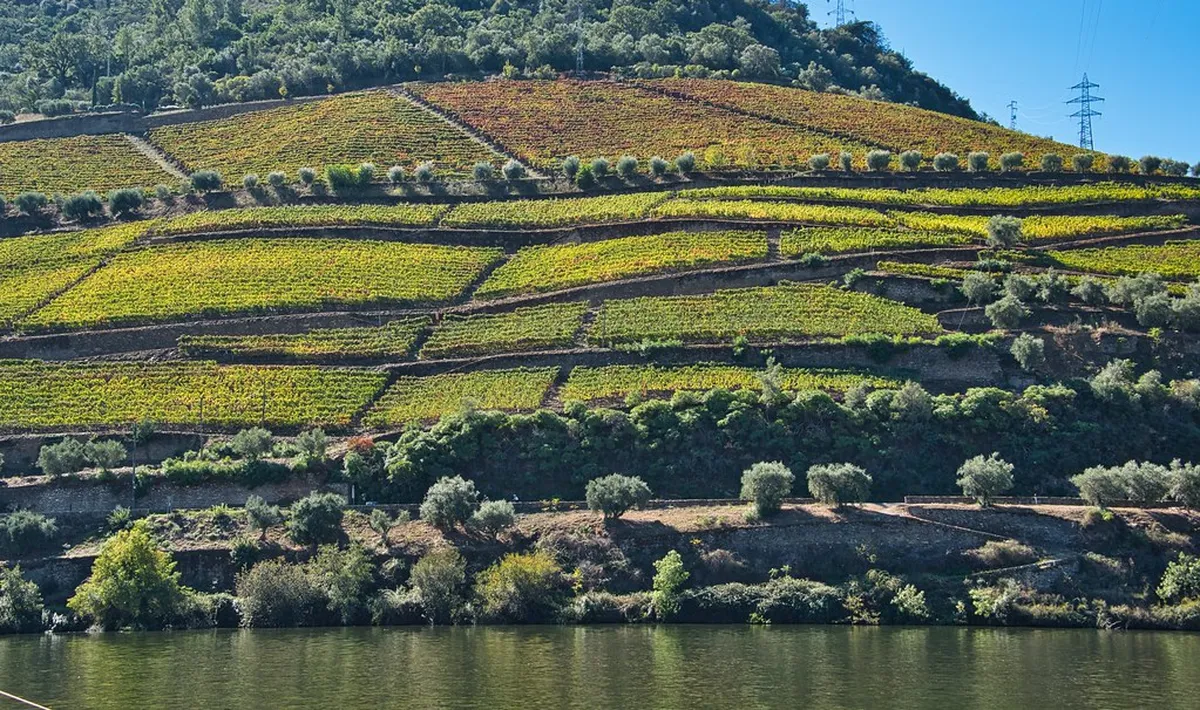
This UNESCO World Heritage site stretches along the Douro River from Porto to the Spanish border, covering more than 600 square kilometers of terraced hillsides, ancient quintas, and quiet schist villages.
Whether you have two days or a full week, the valley offers a dense mix of outdoor adventure, cultural history, and genuinely excellent food and wine.
This guide covers the full range of things to do in the Douro Valley, organized so you can plan a trip that matches your interests and travel style.
What Is the Douro Valley?
The Douro Valley follows the Douro River for roughly 250 kilometers from the city of Porto eastward to the Spanish border at Miranda do Douro. The region was officially demarcated in 1756, making it the world's first legally defined wine region — a full century before Bordeaux or Burgundy received similar recognition. The entire landscape is protected as a UNESCO World Heritage wine region, recognized for its cultural and historical significance.
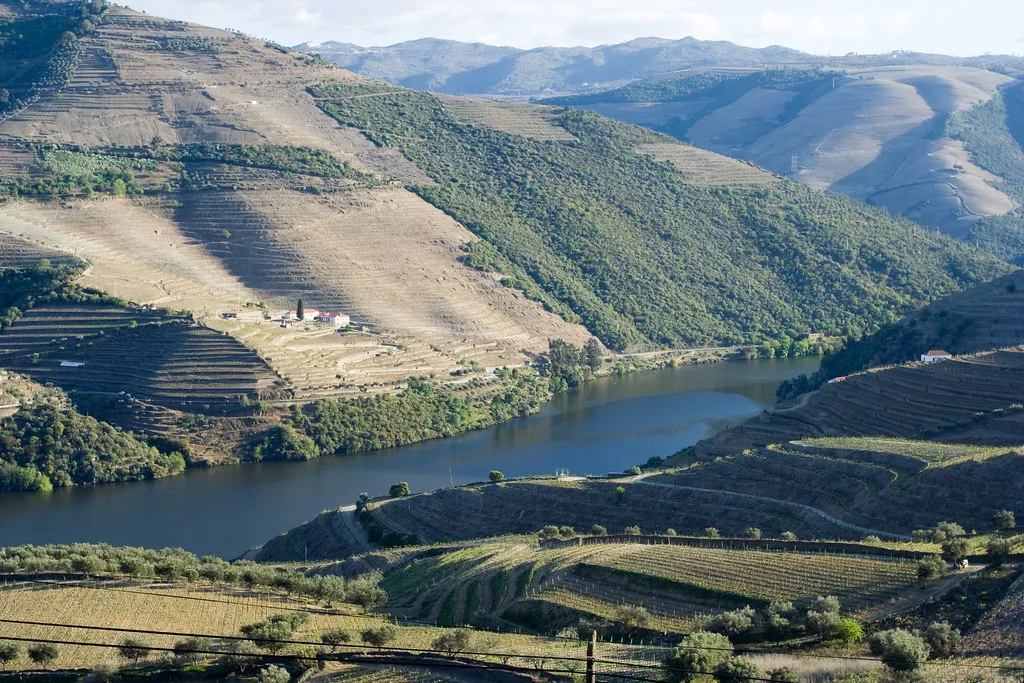
The landscape is defined by dramatic stone terraces carved into mountainsides of schist and granite. These terraces, built over centuries of manual labor, allow vines to root into thin rocky soil that retains daytime heat and releases it slowly overnight — a key factor in the concentration of flavor that makes Douro wines distinctive.
The valley divides into three official sub-regions. Baixo Corgo, the westernmost area, receives the most rainfall and is cooler. Cima Corgo, centered on Pinhão, is where most famous quintas are located. Douro Superior, the vast eastern stretch toward the Spanish border, is hotter, drier, and far less visited — which is exactly why it appeals to travelers looking to escape crowds.
Wine Tasting and Quinta Visits
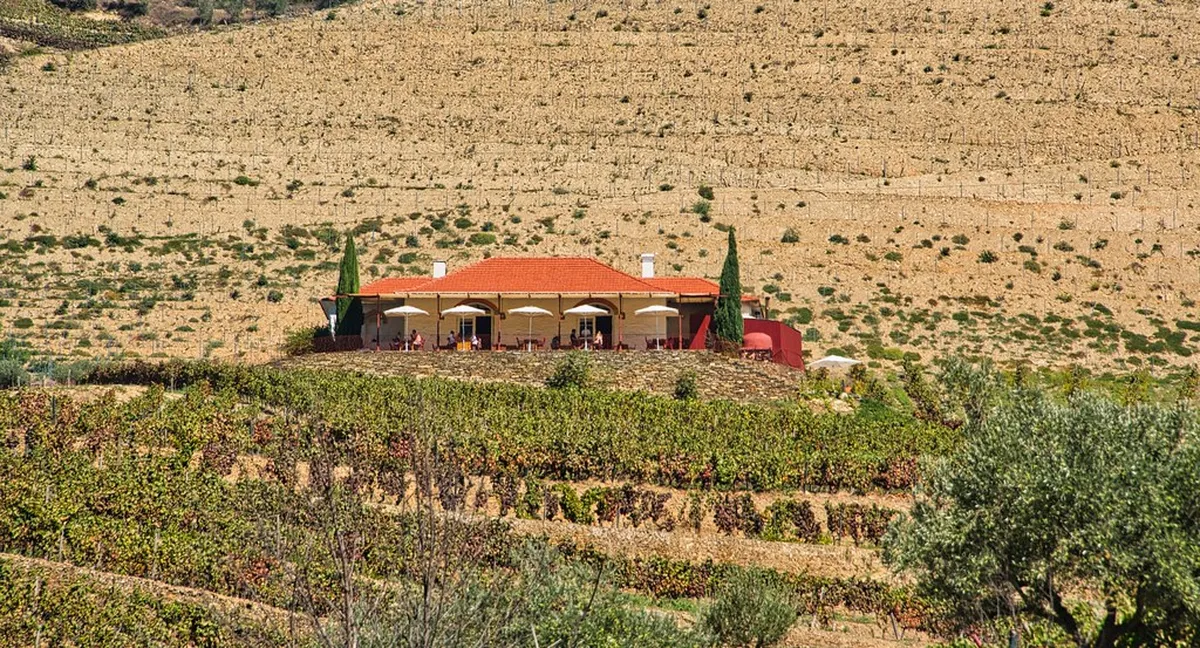
Visiting a quinta — a wine estate — is the central activity for most travelers, and the range of experiences on offer has expanded significantly in recent years. Many estates now combine cellar tours with vineyard walks, harvest participation in autumn, and sit-down lunches paired with their wines. Booking ahead is essential from June through October, and especially so during the September–October harvest.
Quinta do Bomfim, located directly next to Pinhão station, is one of the most accessible and historically significant estates in the valley. Tours cost around €20 per person and include a tasting of four wines with river views from the terrace. Quinta do Tedo near Folgosa is a smaller boutique estate that focuses on organic production and offers exceptional vineyard-to-glass storytelling for around €15 per tasting.
If you want to taste without committing to a formal tour, the wine bars along the riverside in Pinhão and Peso da Régua let you order by the glass. Look for Tawny ports aged 10, 20, or 30 years — older Tawnies develop a nutty, dried-fruit complexity that younger rubies lack. White Port served cold with tonic water and a slice of lemon is the local aperitif of choice and costs about €4–6 in most village cafes.
Quinta visits are very popular from June through October — booking ahead is essential, especially during the September–October harvest. Entry-level tastings at well-known estates like Quinta do Bomfim start around €15–20 per person.
River Cruises and Water Activities
Seeing the valley from the water gives you perspectives that no viewpoint or road can replicate. The terraces appear in full from river level — you can trace individual vine rows climbing hundreds of meters up the hillsides. Traditional rabelo boats, the flat-bottomed vessels that once carried wine barrels downstream to Porto, now operate as tour boats on the Douro.
Full-day cruises depart from Peso da Régua and stop at selected quintas for tastings before returning. Half-day options from Pinhão focus on the tight S-bend section of river between Pinhão and Tua, which is arguably the most scenic stretch in the entire valley. Prices for full-day cruises run €60–€90 per person including wine; half-day options start around €35.
Active travelers can rent kayaks in Pinhão to paddle the quieter tributaries at their own pace. The Rio Tua, which joins the Douro at Tua village, offers calm flatwater with no motorboat traffic and dramatic canyon walls on both sides. Guided kayak day trips covering 15–20 kilometers with transport back to the start cost around €45 per person and require no prior paddling experience. For detailed information on Port wine styles and production, visit the Port Wine Institute, which offers resources on the region's winemaking heritage.
The Historic Train and Pinhão Station
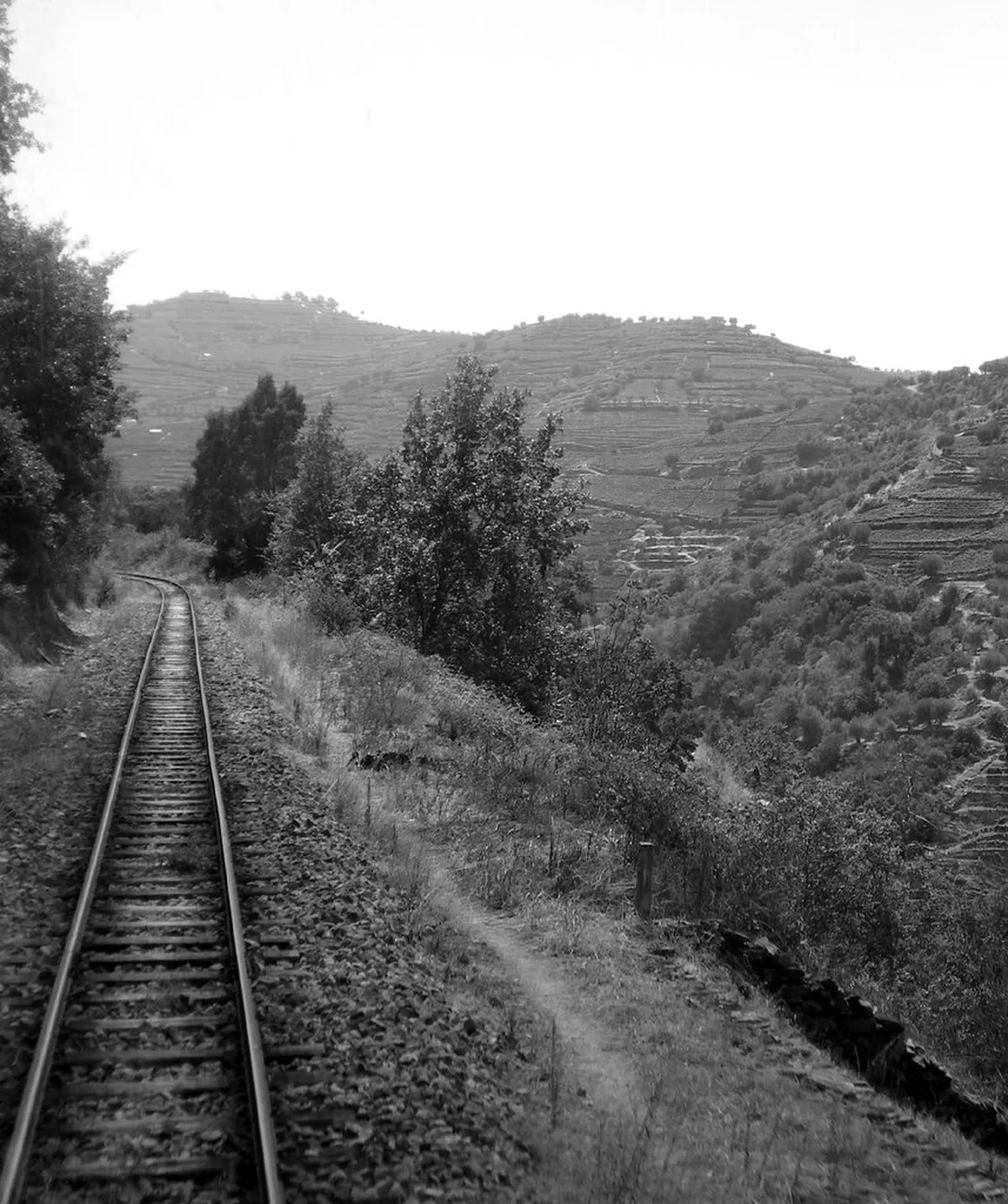
The Linha do Douro railway is one of the great scenic train journeys in Europe and an affordable way to see the valley without a car. The full route from Porto Campanhã to Pocinho takes just over three hours and hugs the riverbank for the final two-thirds of the journey. Sit on the right side of the train when heading east — the river views open up shortly after Livração station and get progressively more dramatic as you approach Pinhão.
Pinhão station itself is worth stopping for even if you don't plan to take the train. The platforms are lined with 24 azulejo tile panels depicting scenes of the Douro harvest and village life. Installed in 1937, these blue-and-white panels are among the finest examples of narrative tile art in Portugal and draw visitors who have no interest in wine at all.
In summer, CP (Comboios de Portugal) runs a heritage steam train on selected weekends between Régua and Tua. Tickets sell out weeks in advance and cost around €30 return. The carriages are original 1920s rolling stock with wooden interiors, and the journey includes a stop at a quinta for a short tasting. Check the CP website in early 2026 for confirmed dates and booking.
Scenic Drives and Viewpoints
The N222 between Peso da Régua and Pinhão has been called one of the best road trips in Europe, and the claim holds up. The road follows the river's southern bank for 26 kilometers, passing through vineyards, small wine estates with roadside tasting signs, and riverside villages. The drive is best in the late afternoon when the light falls directly on the northern terraces across the water.
Casal de Loivos, a village perched above Pinhão on the northern bank, offers the valley's most photographed view — the full S-bend of the river with stacked terraces on both sides. The miradouro is signposted from the village center and has a small free car park. Arrive before 09:00 or after 17:00 in summer to avoid the tour buses that stop here mid-morning.
São Leonardo de Galafura, on the road between Régua and Mesão Frio, gives a different perspective: you look down the valley toward Porto rather than across it. The viewpoint is quieter than Casal de Loivos and has a cafe serving coffee and pastéis de nata. Both viewpoints are free to access and reachable in a standard rental car, though the roads are narrow and winding in sections.
Lamego and the Valley's Historic Towns
Lamego sits about 10 kilometers south of Régua and is the most historically significant town in the valley. Its defining landmark is the baroque staircase of Nossa Senhora dos Remédios — 686 granite steps zigzagging up a pine-covered hillside to an 18th-century sanctuary. The climb takes about 20 minutes and rewards you with views over the entire town and the valley beyond. Entry is free. The Lamego municipality website provides up-to-date information on festivals, museums, and local services.
The town also has a cathedral dating to the 12th century, a regional museum housed in a former bishop's palace, and a thriving local market. Lamego is known for presunto (cured ham) and bola de Lamego, a local bread stuffed with smoked meats — both are sold in delis along Rua da Olaria. The town is undervisited relative to Pinhão and Régua, which means better prices, less crowded restaurants, and a more authentic sense of local life.
Peso da Régua, the valley's main transport hub, is worth half a day on its own. The Museu do Douro on the waterfront covers the history of the river, the wine trade, and the communities built around it. Admission is €6. The museum's rooftop terrace is one of the better free viewpoints in the Cima Corgo area.
Hiking and Outdoor Activities
The valley has a growing network of marked trails, and many quintas now offer vineyard walks as standalone activities separate from the wine tastings. These trails pass through the working rows of vines, cross stone walls, and often end at elevated terraces with river views. The schist soil underfoot — dark, flaky, and sharp — gives you a direct tactile understanding of what makes this landscape unusual.
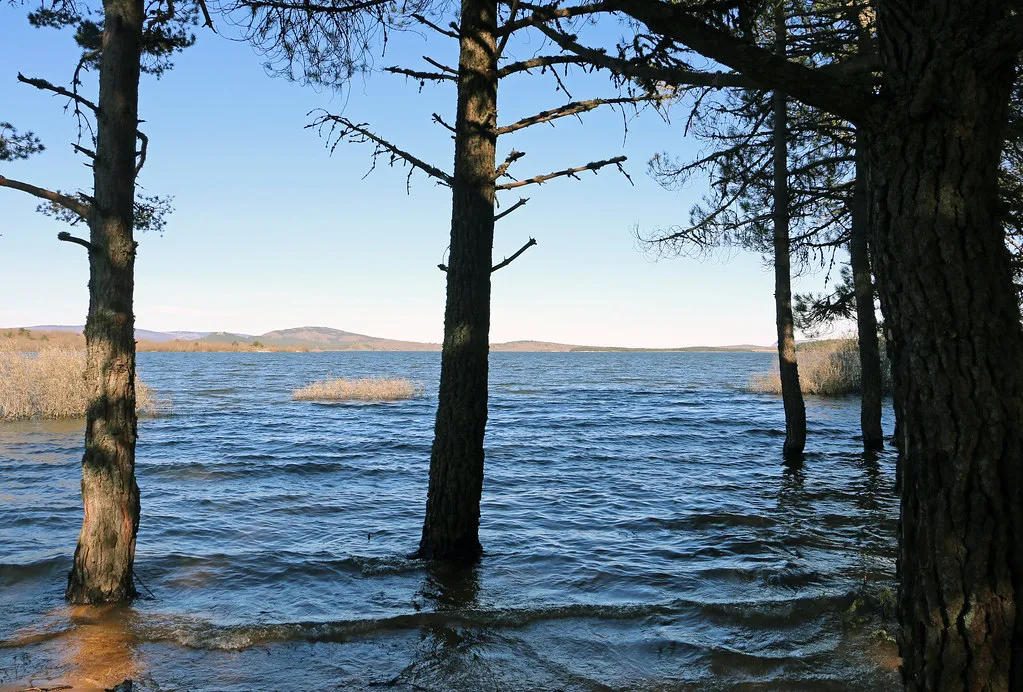
For longer hikes, the Douro Internacional Natural Park near the Spanish border is the least-visited and most dramatic corner of the region. Deep granite canyons cut through a plateau landscape that looks nothing like the terraced wine country to the west. Black storks, Egyptian vultures, and Bonelli's eagles nest in the canyon walls — this is serious birdwatching territory with well-maintained trails and almost no crowds.
The PR1 trail from Pinhão to Casal de Loivos takes about 2.5 hours one-way, climbing 400 meters through vineyards before arriving at the famous viewpoint. The descent back into Pinhão follows a different route through schist hamlets. Bring water, sun protection, and sturdy shoes — the terrain is loose in places and there is no shade on the upper sections between June and September.
Food and Local Eating in the Douro
The Douro Valley has a distinct food culture that most visitors discover only by accident. The local cuisine is based on the same principles as the landscape — slow, concentrated, and built from simple raw materials. Bacalhau à Braga (salted cod with onions and olive oil), roasted kid goat, and wood-oven lamb are the dominant dishes in village restaurants, and portions are large by any standard.
Look for tasca-style restaurants rather than tourist menus near the waterfront. In Pinhão, the restaurant at Casa de Casal de Loivos is worth the drive up the hill for Sunday lunch. In Régua, O Maleiro on Rua dos Camilos is a longtime local favorite with an €11 set menu that changes daily. Reservation is advisable for dinner in summer.
The valley produces olive oil, almonds, and chestnuts alongside wine, and these appear in local desserts. Dom Rodrigo (a regional sweet made from egg yolks and almond) originated in Lamego and is sold in most pastelarias in the town. Regional cheeses — particularly the firm, sheep's milk Queijo de Ovelha from the Douro Superior — pair extremely well with older Tawny ports and are rarely mentioned in mainstream travel coverage.
The Schist Villages: A Quieter Side of the Douro
Most "things to do in the Douro Valley" guides focus entirely on the river corridor between Régua and Pinhão. But roughly 30 kilometers north and south of the river, a network of schist villages (aldeias do xisto) offers an almost entirely different experience. These stone settlements — built entirely from the dark layered rock that defines the region — have no tourist infrastructure, and that is precisely their appeal.
Freixo de Espada à Cinta, in the far northeast near the Spanish border, is one of the best-preserved medieval villages in northern Portugal. Its Manuelino-style church tower and network of cobbled lanes are largely unchanged since the 15th century. There are two small guesthouses and a handful of restaurants; accommodation costs around €50–70 per night. It takes about an hour and a half to drive from Pinhão, but the road through the Douro Superior sub-region is spectacular in its own right.
Closer to the main tourist trail, Ucanha — a tiny village near Tarouca — has a fortified medieval bridge and a riverside setting that feels completely removed from the winery-and-cruise circuit. It takes about 25 minutes to drive from Lamego and adds almost no time to a loop through the southern valley. Most visitors to Lamego never make the detour, which means you will almost certainly have it to yourself.
How to Get Around the Region
A rental car gives you the most flexibility for reaching viewpoints, schist villages, and remote quintas, but the roads are narrow and mountain sections require confidence with winding single-lane driving. Book a small car — large vehicles struggle on the upper roads above Pinhão. Parking in Pinhão village center is free on the riverside and fills up by 10:00 in summer.
The Linha do Douro train from Porto Campanhã reaches Régua in about 1 hour 50 minutes and Pinhão in about 2 hours 20 minutes. Trains run roughly every two hours during the day. From Pinhão station, the most popular quintas are within a 15-minute walk along the river road. For more remote spots, local taxis are available in both Régua and Pinhão — agree a fixed price before departure rather than running the meter.
Organized day tours from Porto have become the dominant way most visitors see the valley. A typical package includes a boat cruise, a quinta visit, and lunch for €80–€120 per person. They are efficient but limit you to the main circuit. If you have flexibility, spending at least one night in the valley changes the experience entirely — you get early mornings and late evenings in the vineyards when the light and the quiet are at their best. Our Douro Valley tourism attractions guide covers the full range of organized experiences available in 2026.
Where to Stay
Peso da Régua has the widest range of hotels and is the easiest base for day trips by train or car. The town lacks the charm of Pinhão but compensates with better restaurant variety, a riverside promenade, and straightforward parking. Mid-range hotels here cost €80–€130 per night in high season.
Pinhão is the better base for wine-focused travelers. Several quintas on the edge of town rent rooms — waking up surrounded by vineyards is a genuinely different experience from a town hotel, and some estates include breakfast in the vineyard. Boutique accommodation in Pinhão typically costs €100–€180 per night. Book at least six weeks ahead for September and October.
Staying in a converted farmhouse in the Baião district on the valley's western fringe, covered in our Douro Valley Baião guide, suits travelers who want easy access to both the Douro and the Gerês highlands without committing to the main tourist strip. Baião is about 45 minutes by car from Régua and significantly less expensive than the Pinhão area.
Best Time to Visit the Douro Valley
The harvest window from mid-September through mid-October is the most atmospheric time to visit. Quinta teams are working at full pace, the air smells of fermenting must, and many estates open their doors to visitors in ways they don't during the rest of the year. The valley is busy during harvest, particularly on weekends, so book accommodation and quinta visits well in advance.
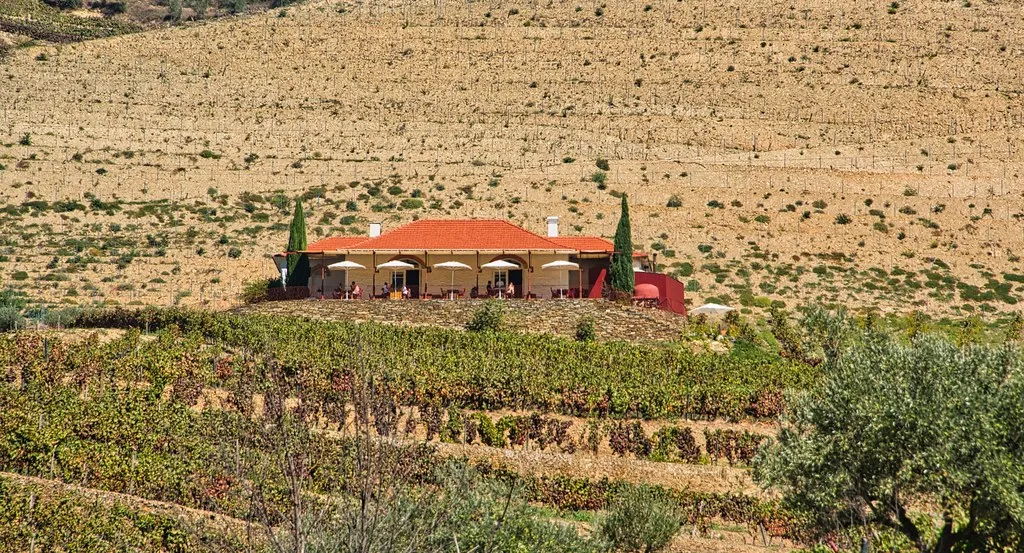
Spring — April through early June — is the second-best period. Temperatures are mild (18–24°C), wildflowers cover the uncultivated hillsides, and the tourist crowds are significantly lighter than in summer or autumn. The vines are putting on new growth, which gives the landscape a vivid green color that photographs very differently from the dusty-gold summer palette.
Midsummer (July–August) is the least comfortable time to visit. Temperatures regularly exceed 40°C in the Douro Superior and stay above 35°C even in the Cima Corgo area. Outdoor activities become impractical between 11:00 and 17:00. If summer is your only option, focus on early morning hikes, river-based activities, and air-conditioned quinta cellars during the hottest hours of the day. Winter is quiet, cold, and wet, but some travelers find the dormant vineyard landscape and the lack of crowds worth it — accommodation prices drop by 40–50%.
Spring (April to early June) offers mild temperatures of 18–24°C, far lighter crowds than summer, and vivid green vine growth on the terraces. It's the most underrated time to visit the Douro Valley.
Frequently Asked Questions
Is the Douro Valley worth visiting if I don't drink wine?
Yes, the region is worth visiting for the incredible scenery and history alone. You can enjoy river cruises, visit the Pinhão train station, or explore the historic town of Lamego. The landscape is a UNESCO site that appeals to photographers and nature lovers alike.
How many days do you need in the Douro Valley?
Two to three days is the ideal amount of time to see the main highlights. This allows you to visit several wineries, take a boat cruise, and drive the scenic N222 road. A longer stay lets you explore hidden gems like the Côa Valley.
Can you visit the Douro Valley without a car?
You can easily visit the region using the Linha do Douro train from Porto. Many top wineries in Pinhão are within walking distance of the station. For more remote spots, you can hire local taxis or join organized boat tours from Régua.
The Douro Valley rewards travelers who slow down. A rushed day trip from Porto will give you the headline views, but two or three nights in the valley — waking up to mist on the terraces, eating dinner in a village tasca, walking through a quinta before the tour buses arrive — is a categorically different experience.
Use the train to reach the main hub at Pinhão, rent a car for a day to reach the viewpoints and schist villages, and book at least one quinta visit in advance. The rest can be improvised, because the valley is small enough that happy accidents are easy to find.
For a complete set of itineraries and attraction details, visit the 10 Best Douro Valley Tourism Attractions page on this site.