Douro Cruises: The Ultimate 3-Day River Itinerary
Plan douro cruises with top picks, neighborhood context, timing tips, and practical booking advice for a smoother trip through Portugal.
On this page
The Best 3-Day Douro Cruises Itinerary
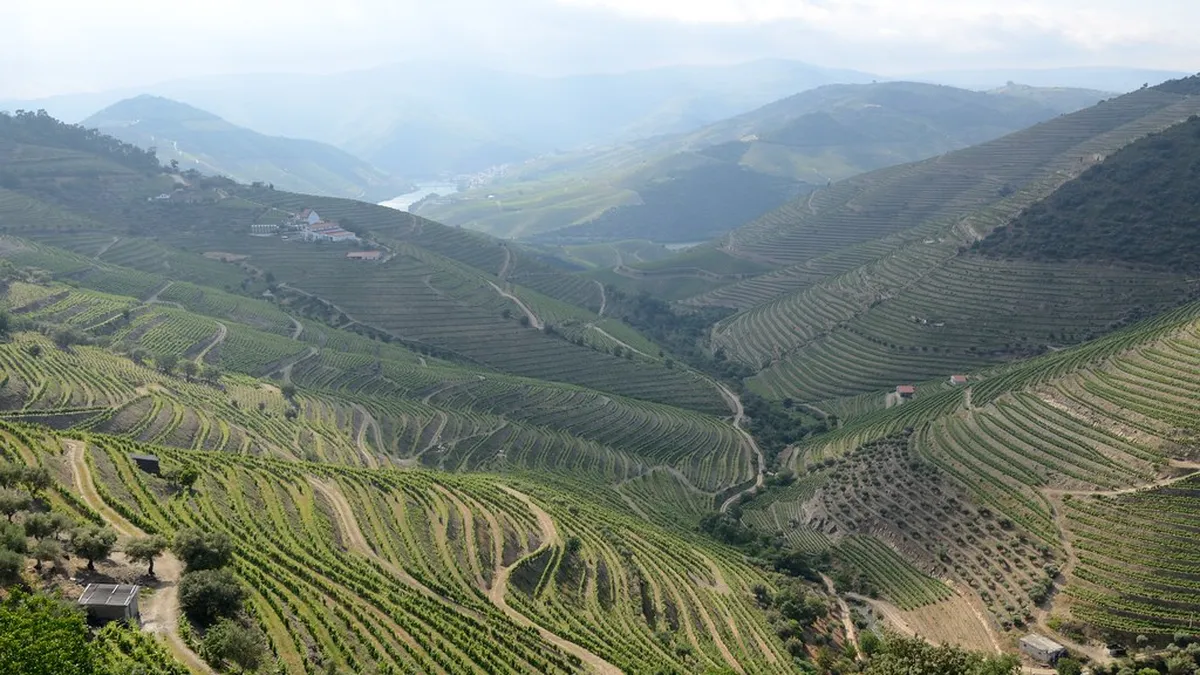
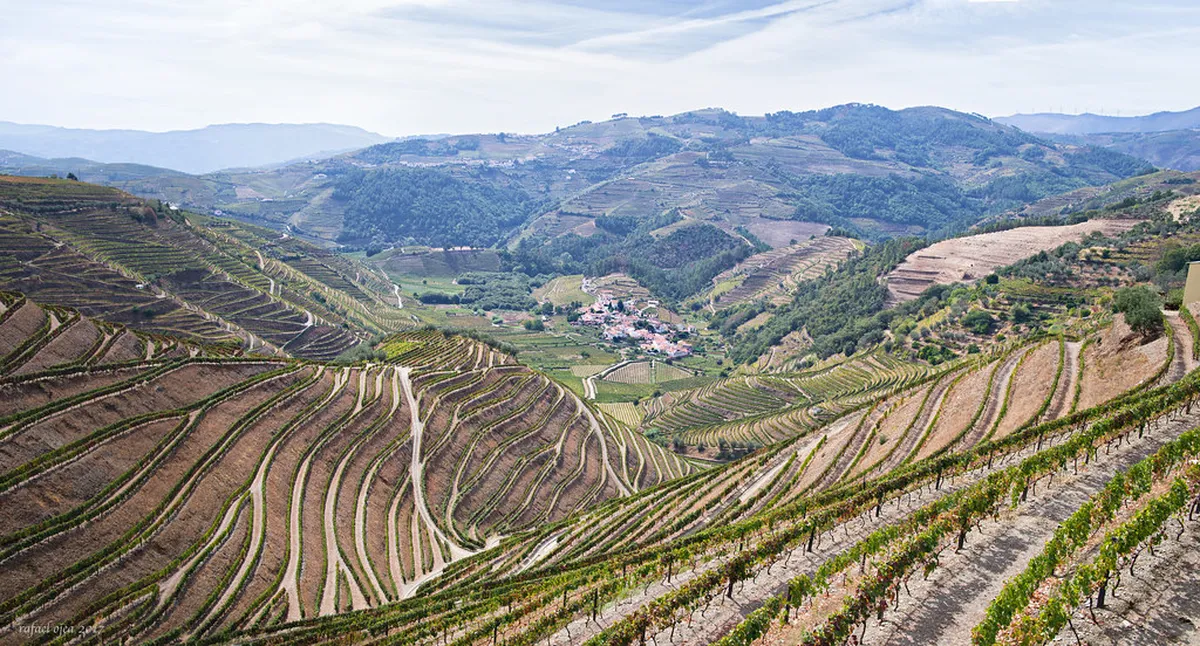
The Douro River flows through the oldest demarcated wine region in the world, a status Portugal secured in 1756. The terraced schist hillsides, the deep blue water, and the slow rhythm of life between quintas make this one of Europe's most rewarding river journeys. This 3-day plan helps first-timers choose the right type of cruise, understand the route, and arrive fully prepared.
This guide covers everything from cruise type and pricing to the river's famous locks and the best shore excursions. You can find broader destination context on our Portugal travel blog for your full trip plan.
Types of Douro River Cruise
The single most important decision is which format suits your budget and travel style. There are three main options: day trips from Porto, multi-day hotel ships, and smaller boutique vessels that carry 20–40 passengers. Each delivers a completely different experience of the same river.
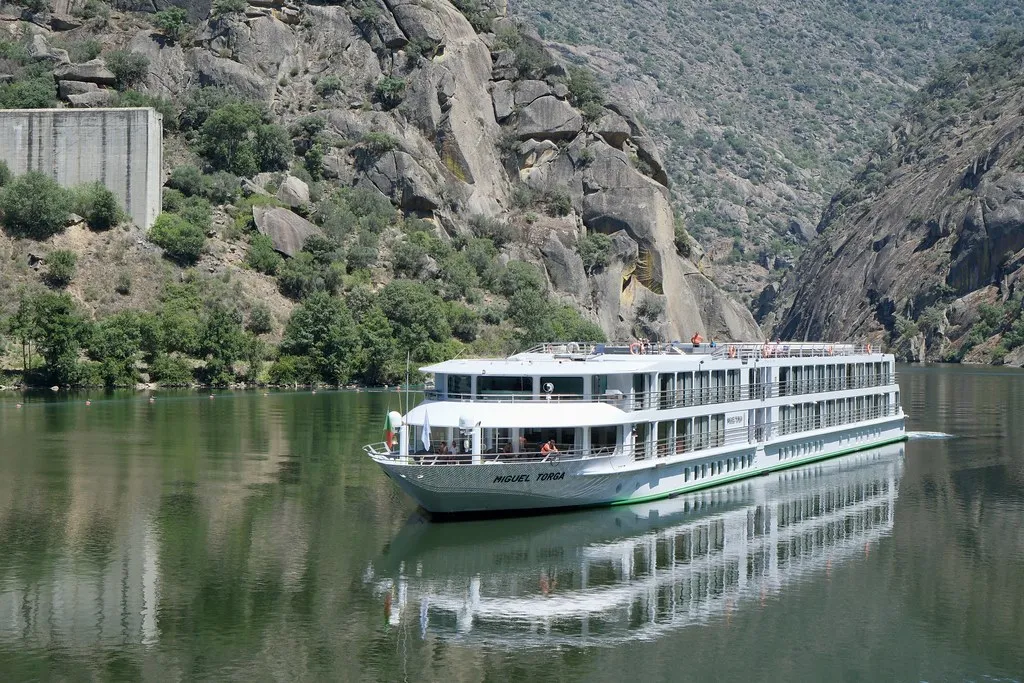
Day trips run from the Cais de Gaia or Ribeira waterfront in Porto and typically sail as far as Régua or Pinhão, returning the same evening. Prices start around €70–€100 per person and include one wine tasting stop. These are ideal if you have limited time or prefer to sleep ashore.
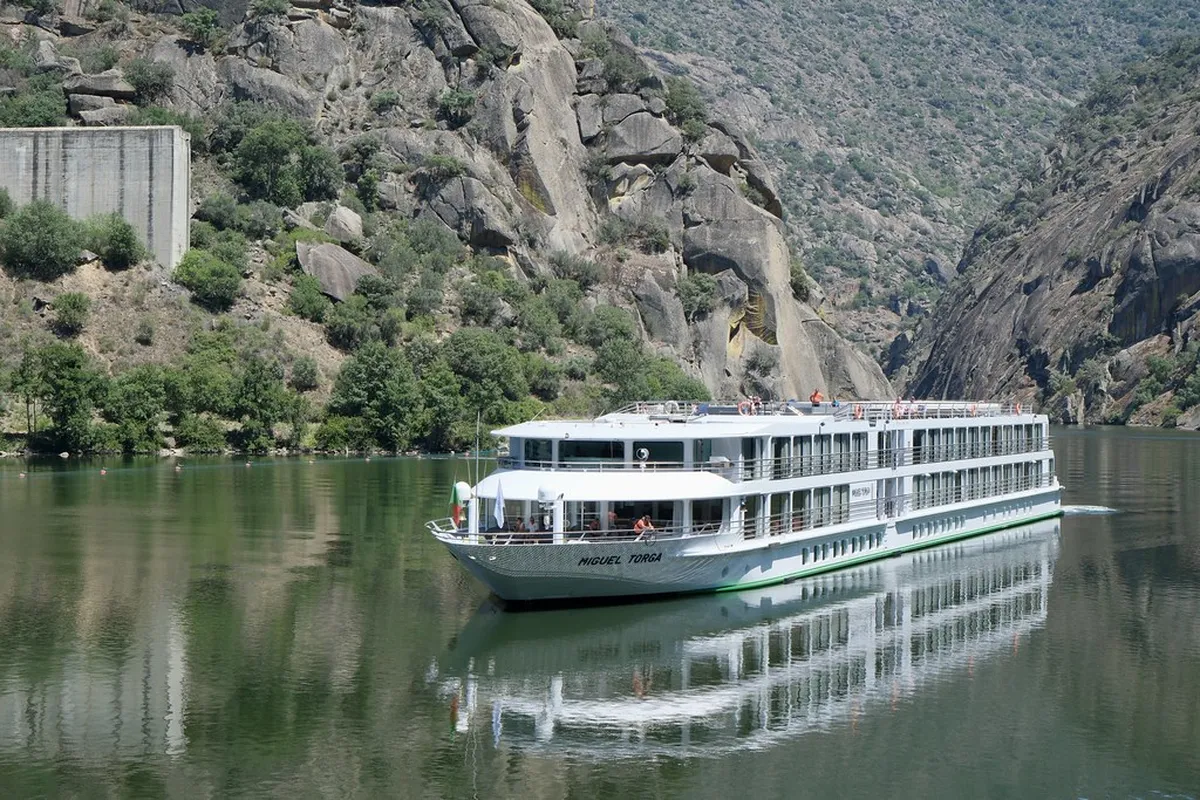
Multi-day hotel ships — operated by lines such as Viking River Cruises and AmaWaterways — carry 100–130 passengers and include meals, guided excursions, and open bar. Prices range from €2,000 to €4,500 per person for a 7-night cruise, or €800–€1,800 for a 3-night segment. You unpack once and wake up in a new village each day.
Boutique and private charters sit between those two poles. Companies like Douro Azul and Barca Douro operate smaller vessels with 20–50 passengers, offering more flexibility on stops. These are worth considering if you want a slower pace and more personalized attention from the crew.
Best Time to Cruise the Douro
The season runs from March to November. Spring (April–May) brings lush green terraces, wildflowers on the slopes, and cooler temperatures that make sun-deck time genuinely pleasant. Autumn (September–October) is the most popular window because the grape harvest — the Vindima — fills the valley with activity, music at the quintas, and the smell of fermenting wine.
Summer (June–August) is the hottest and busiest period. Temperatures in the upper Douro Superior regularly exceed 40°C, so shade on the sun deck becomes essential. Book at least six months ahead for any summer sailing because cabins and shore-excursion slots sell out fast.
Winter sailings (December–February) are rare and sometimes cancelled. Low river levels after dry summers — or sudden flooding after heavy rain — can ground the fleet entirely. If you have a fixed travel window in winter, buy full travel insurance and confirm with your operator that the route is navigable before you fly.
The grape harvest (Vindima) runs from mid-September to mid-October and is the most popular time to cruise the Douro — quintas host music and wine events along the riverbanks. Book cabins at least six months ahead for autumn sailings.
The Five Locks: What to Expect on Board
The Douro has five major navigation locks between Porto and the Spanish border at Barca d'Alva: Crestuma-Lever, Carrapatelo, Régua, Valeira, and Pocinho. Each transit takes 20–40 minutes. The locks operate daily from 08:00 to 20:00, and this schedule is the single biggest constraint on cruise timing — the captain must plan each day's departure to reach each lock before the gates close.
The Carrapatelo lock, between Crestuma and Régua, is the deepest in Portugal at 35 metres — roughly the height of a ten-storey building. When you enter the chamber the walls close in on both sides and the water drains or rises around you in complete silence apart from the gurgling. It is the most dramatic moment of the entire journey. Most passengers crowd the bow rail for this transit.
The Valeira lock, just upstream of Pinhão, is historically significant: its construction in 1976 submerged the rapids that made this section of the river unnavigable for centuries. A small plaque on the lock wall marks the waterline of the old village of Valeira that now sits beneath the reservoir. The crew will point it out if you ask.
Understanding the lock schedule also explains why multi-day itineraries do not always match the map distances you might expect. A ship that leaves Pinhão at 09:00 is timing its arrival at Valeira for a mid-morning transit slot — not because the distance requires it, but because missing a lock window can delay the entire day's plan by several hours.
Day-by-Day: 3-Day Douro Itinerary
This schedule applies to a multi-day hotel ship departing Porto. Day-trip timings differ because the boat returns the same evening. All times are local (Western European Time, UTC+1 in winter / UTC+2 in summer).
- Day 1 — Porto to Régua: Embarkation at Cais de Gaia around 17:00 on the evening before sailing, or 08:00 on the day of departure. The ship transits Crestuma-Lever and Carrapatelo locks during the morning. Lunch is served on board as the ship passes Entre-os-Rios and Baião. Arrival in Régua (Peso da Régua) by late afternoon. Evening shore time includes the Douro Museum (€6 entry, open until 18:00) and the azulejo-tiled Régua railway station.
- Day 2 — Régua to Pinhão: Early departure around 09:00 to transit the Régua lock and reach Pinhão by mid-morning. Shore excursions split between a quinta wine tasting (€15–€25 per person, book in advance) and the hilltop village of Casal de Loivos with sweeping valley views. The Pinhão railway station tiles are worth a 20-minute stop. Evening sailing or mooring at Pinhão dock.
- Day 3 — Pinhão to Barca d'Alva and return: Early transit through Valeira lock at 08:30, arriving in the remote Douro Superior by midday. Barca d'Alva is the last Portuguese port before the Spanish border. An optional excursion to the Côa Valley Archaeological Park (€10–€20 entry, closed Mondays) covers thousands of Palaeolithic engravings on open rock faces. Return sailing begins in the afternoon; hotel-ship passengers fly home from Porto the following morning.
If you are doing a day trip rather than a multi-day cruise, the standard route goes from Porto to Pinhão and back, covering approximately 150 km round trip and taking 10–11 hours. Lunch and one wine tasting stop are typically included in the ticket price.
| Day | Route | Key Shore Stop | Departure Time | Shore Excursion Cost |
|---|---|---|---|---|
| Day 1 | Porto → Régua | Régua — Douro Museum & azulejo station | 08:00 or 17:00 prev. evening | €6 (museum entry) |
| Day 2 | Régua → Pinhão | Quinta wine tasting + Casal de Loivos viewpoint | 09:00 | €15–€25 (quinta tasting) |
| Day 3 | Pinhão → Barca d'Alva → Porto | Côa Valley Archaeological Park | 08:30 (Valeira lock transit) | €10–€20 (park entry) |
Shore Excursions: Wine Estates and Villages
The Douro's quintas are the real draw once you step off the boat. Quinta do Crasto, Quinta da Roêda (owned by Croft), and Quinta do Vallado are three estates within easy reach of Pinhão that offer public tastings. Most require a reservation at least two weeks in advance during harvest season. A standard tasting flight of three wines costs €15–€20; a full harvest lunch can reach €60 per person but is a genuine event.
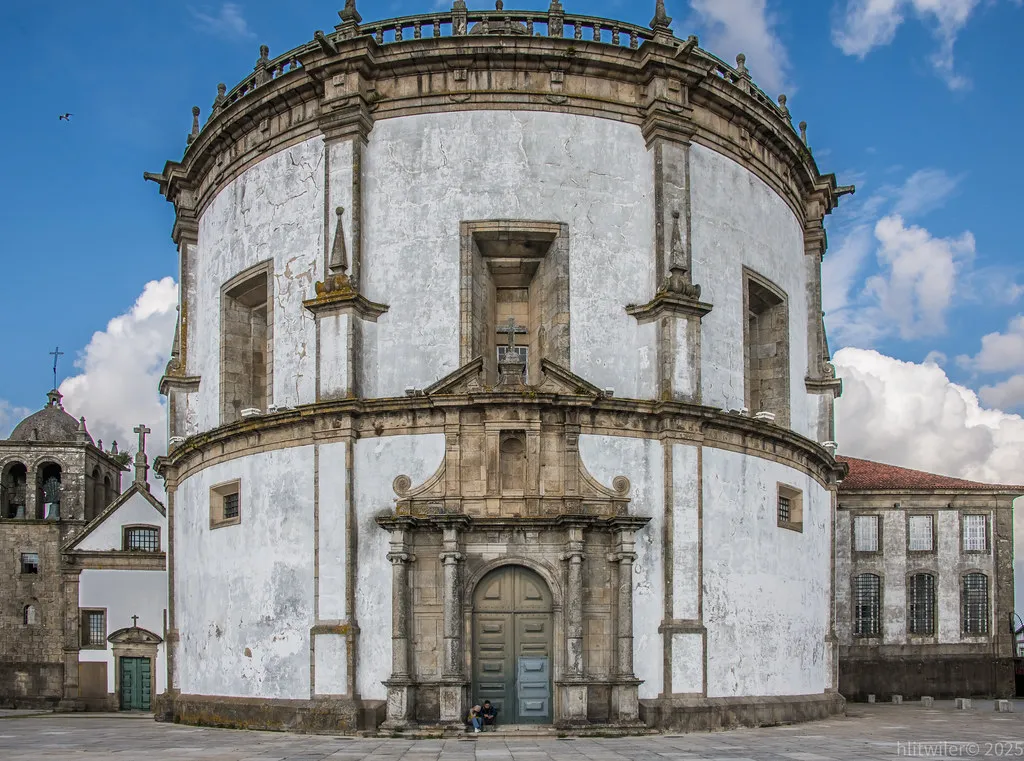
Lamego sits 13 km south of Régua and is the most common bus excursion from the boat. The Sanctuary of Our Lady of Remedies is reached by climbing 686 granite steps up a baroque staircase with fountain terraces at each landing. The view from the top justifies the climb. Most cruise operators include this excursion on Day 1 as an afternoon option.
The Côa Valley Archaeological Park in the Douro Superior is less visited but genuinely surprising. Over 1,000 Palaeolithic engravings of horses, aurochs, and ibex are carved into open schist outcrops along the Côa river. You access the main sites (Canada do Inferno, Penascosa, Fariseu) by 4WD vehicle with a park guide. Tours run daily from 09:00 and cost €10–€20 per person. Book at the official park site or through your cruise operator.
Getting to Porto and Starting Your Cruise
Almost all Douro cruises embark and disembark in Porto. The Francisco Sá Carneiro Airport is 20 minutes from the Ribeira waterfront by metro (Line E, direction Estádio do Dragão, then transfer to Line D). A taxi or rideshare from the airport costs €25–€35. Many hotel ships offer a complimentary airport transfer if you arrive on embarkation day — confirm this with your operator when booking.
If you are travelling from Lisbon, the Alfa Pendular train takes 2h45 to 3h15 between Lisboa Oriente and Porto Campanhã. Tickets cost €30–€50 depending on the class and booking window. Book at least a week ahead on the CP website. From Porto Campanhã, a taxi to the cruise pier at Cais de Gaia takes around 10 minutes and costs €10–€15.
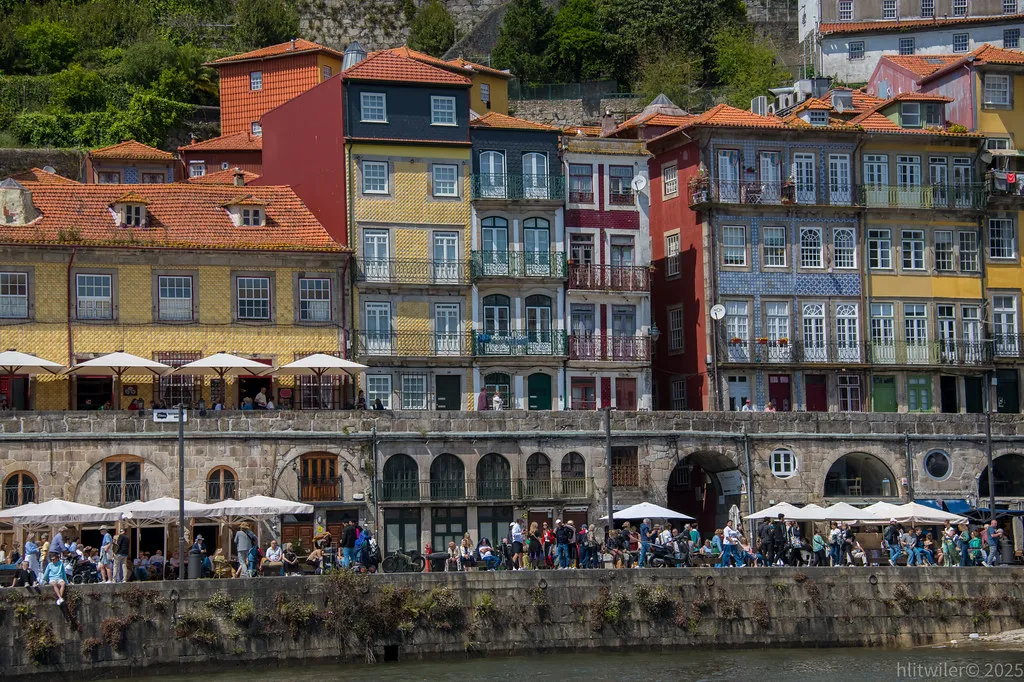
Arriving in Porto a day early is worth it. The Ribeira district, Vila Nova de Gaia wine cellars, and the viewpoints from Miradouro da Serra do Pilar all help calibrate your expectations before the ship departs. You can also use the time to check in at your cruise terminal, confirm luggage arrangements, and collect any pre-booked shore excursion tickets.
Choosing Your Ship and What Is Included
The key comparison point across cruise lines is what the base fare actually covers. Viking and AmaWaterways both include shore excursions, on-board meals, and house wine and beer with lunch and dinner. Gratuities are additional (typically €12–€15 per passenger per day). Premium lines like Tauck include all gratuities, premium drinks, and private touring in the headline price — which makes their higher headline fare look more competitive once you add up the extras on other lines.
Budget operators and day-cruise companies often charge separately for wine, excursions, and transport from the airport. Read the inclusions list carefully before comparing prices. A day trip at €85 that includes a wine tasting and lunch is genuinely better value than one at €70 that charges €20 for lunch and €15 for the tasting.
Cabin position matters on hotel ships. Mid-ship cabins on the middle deck experience the least motion and are furthest from both the engine room aft and the anchor noise at the bow. French balcony cabins — a full-width sliding glass door that opens to a waist-high railing — are worth the upgrade over a fixed porthole, especially for early-morning lock transits when the scenery changes quickly.
Reserve Tickets Early: Book in Advance
Popular river cruises sell out several months before peak season. Book multi-day hotel ships at least six months ahead for the best cabin selection. Day trips on popular operators like Douro Azul and Cruzeiros Douro can be booked closer to departure via Cruzeiros-Douro.pt, but during the harvest season (mid-September to mid-October) even day trips fill a week or more in advance.
Wine tastings at famous estates require separate reservations. Contact quintas at least two weeks before arrival; during autumn, four to six weeks is safer. The most-requested estates — Quinta da Roêda, Quinta do Crasto, and Quinta do Vallado — handle group bookings via email and typically respond within 48 hours.
For a shorter introduction to the river, the Douro Azul 1-day cruise is a reliable option that operates year-round on a fixed schedule. Always check current sailing schedules directly with the operator, as river levels and maintenance windows can alter departure dates without notice. Purchase travel insurance that covers cruise cancellation if you are travelling outside the peak April–October window.
Winter sailings (December–February) can be cancelled without much notice due to low river levels or flooding. Always confirm navigability with your operator before flying, and purchase travel insurance that covers cruise cancellation.
Frequently Asked Questions
Which is the Best Douro River Cruise for first-timers?
Viking and AmaWaterways are top choices for first-time visitors to Portugal. These lines provide all-inclusive service and excellent guided tours. I recommend booking at least six months ahead for the best cabin selection.
How much time should you plan for douro cruises?
A three-day itinerary covers the main highlights of the valley perfectly. Longer seven-day cruises allow for deeper exploration of the Spanish border. Most travelers find that three days on the water is the ideal length.
What should travelers avoid when planning douro cruises?
Avoid booking cabins near the back of the ship to minimize engine noise. Do not wait until you arrive in Porto to book your wine tastings. Many popular quintas fill up weeks in advance during the summer months.
Cruising the Douro River is the most relaxing way to see Portugal. The combination of historic towns, ancient locks, and lush vineyards creates an atmosphere that is hard to replicate anywhere else in Europe. This 3-day itinerary gives you a framework — adjust the pace, the cruise type, and the shore stops to match your own travel style.
Book early, pack sunscreen and layers, and leave at least one afternoon unscheduled for whatever the river puts in front of you. The golden water of the Douro has a way of making any plan feel exactly right.
Pair this with our broader Douro Valley tourism attractions guide for the full regional overview.