Six Senses Douro Valley Review: Is This Luxury Retreat Worth It?
Discover if Six Senses Douro Valley is worth the stay. Our review covers the world-class spa, vineyard rooms, dining at Vale de Abraão, and essential travel tips.
On this page
Six Senses Douro Valley Review
Yes, Six Senses Douro Valley is worth the price for travelers seeking a world-class wellness retreat. If you find the high cost prohibitive, The Yeatman in Porto is a more accessible luxury alternative. I visited the property in late September to experience the famous grape harvest season firsthand. All pricing and logistics in this review reflect 2026 rates.
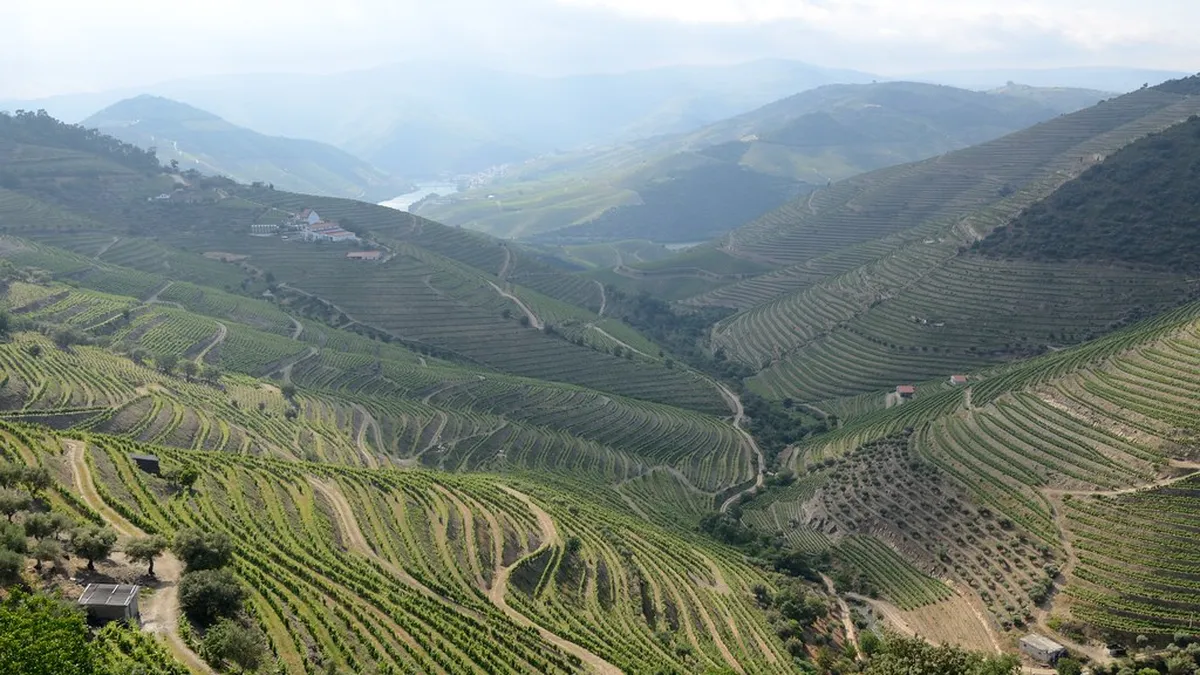
This resort sets a high standard for hospitality in northern Portugal. The property sits within a renovated 19th-century manor house overlooking the winding Douro River, and the blend of historic architecture with a modern sustainability philosophy creates something genuinely difficult to replicate. Whether you are here for the wine or the wellness, the experience feels tailored to your stay rather than templated.
This review covers rooms, the spa programs, dining, what to do beyond the property gates, and the honest trade-offs — so you can decide before booking rather than after.
Fast Facts for Six Senses Douro Valley
Nightly rates for a standard room range from roughly €850 to €1,400 depending on the season. Suites and private pool villas exceed €2,300 per night during peak summer. Check-in begins at 15:00 and check-out is at 12:00. The resort stays open year-round, though some outdoor dining venues operate only from May to October.
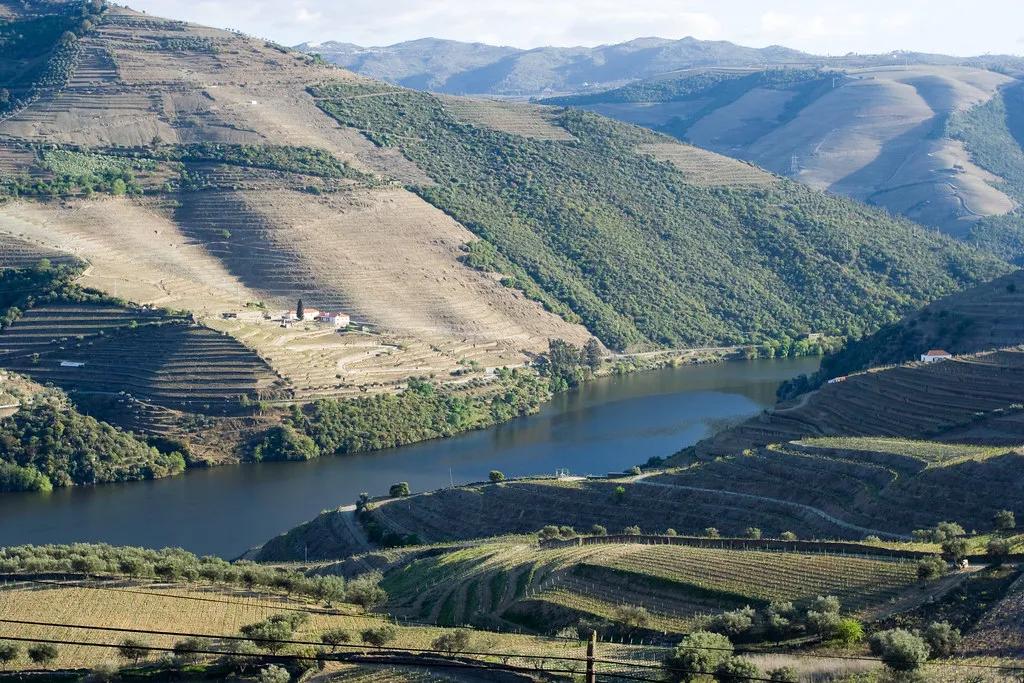
The Six Senses Spa opens daily from 10:00 to 20:00. The gym and indoor pool are accessible around the clock. Book spa treatments at least two weeks ahead — popular slots fill early, especially during harvest season in September and October. The property holds 71 guest rooms spread across the manor house and vineyard wings.
Guests can review detailed Six Senses Douro Valley Prices: A Complete Cost Guide before booking. The resort offers half-board packages that bundle breakfast and a daily spa credit, which often represents better value than paying à la carte. Free Wi-Fi covers the entire property, including vineyard walking trails. Valet parking is complimentary.
- Located in Samodães, near Lamego, in the UNESCO World Heritage Douro Valley
- 71 rooms across the manor house and vineyard wings
- Pet-friendly options available on request
- Kids' club operates seasonally (June to September)
Location and Getting There
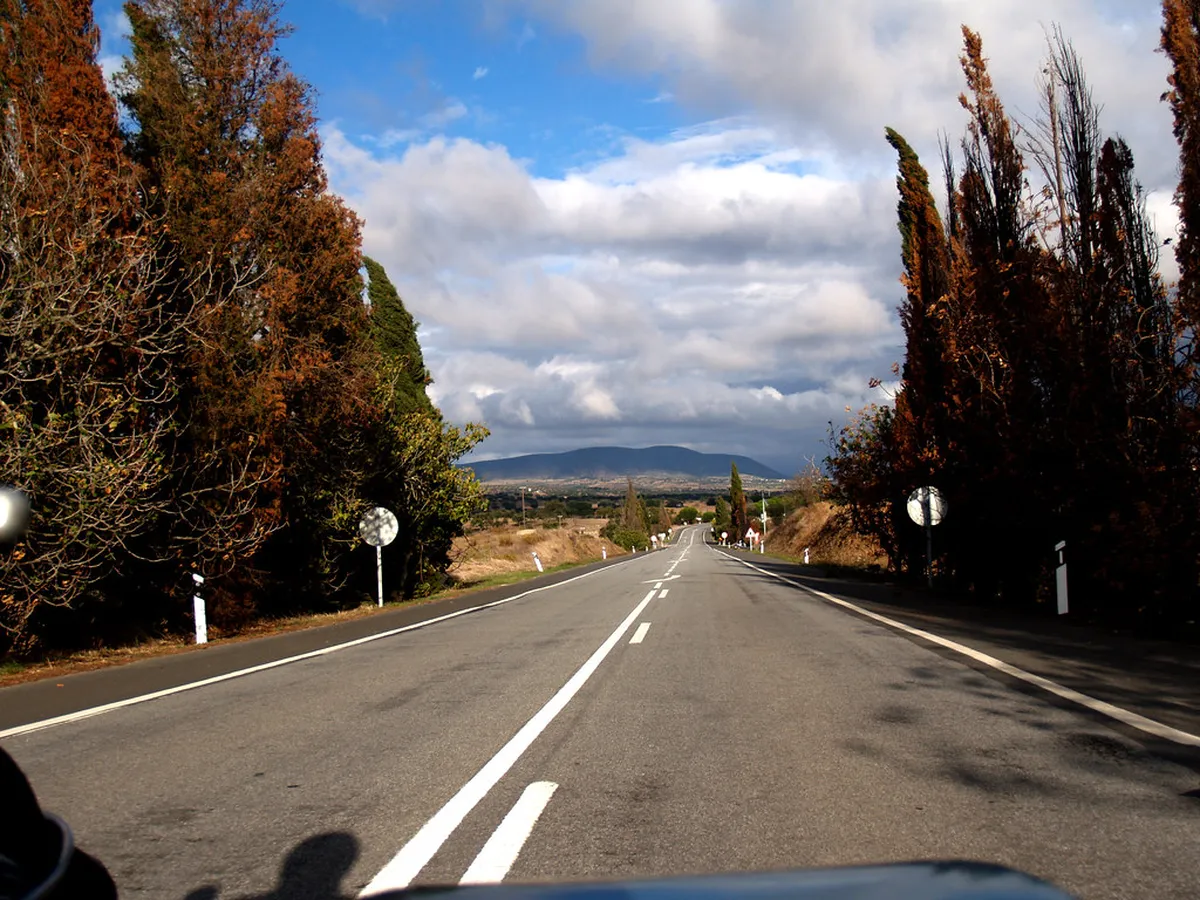
The resort sits in Samodães, about 125 km east of Porto. Most guests fly into Porto Airport (OPO) and arrange a private transfer, which takes roughly 90 minutes on the A4 and A24 motorways. Driving from Lisbon takes approximately three and a half hours. The roads in the final stretch narrow considerably, so a compact car handles better than a large SUV.
The nearest train station is Peso da Régua (Régua), served by direct trains from Porto Campanhã. The scenic Douro line journey takes about two hours and is a worthwhile experience in itself. From Régua station it is a 15-minute taxi ride to the hotel. Pre-book the taxi before you arrive — local drivers at the station are limited, and Uber coverage is unreliable this far into the valley.
Renting a car at Porto Airport gives the most flexibility for exploring nearby 10 Best Douro Valley Tourism Attractions between spa sessions. The VisitPortugal official site offers additional regional planning tools. The hotel also runs a scheduled shuttle from Porto on certain days — confirm directly with the reservation team when you book. Helicopter transfers are available for those who want to skip road travel entirely.
Accommodation: Rooms, Suites, and Villas
The resort divides between the historic manor house and a newer vineyard wing. Manor house rooms feature high ceilings, exposed stone detailing, and 19th-century architectural character. Vineyard wing rooms have a contemporary feel with large floor-to-ceiling windows angled toward the river terraces. We preferred the vineyard rooms for natural light and a sense of openness, though the manor rooms have more personality.
Every room comes with an in-room tablet to manage lighting, temperature, blackout shades, and room service. Beds use organic cotton linens and the mattresses sit above average for a hotel of any tier. The vineyard pool villas add a private plunge pool and are the most-requested category — book at least three months out for peak season or harvest weeks. Bathrooms stock large-format sustainable toiletries made from local herbs and citrus.
One practical detail: lower-level rooms in the vineyard wing can have partially obstructed views because of mature vine canopy. If a clear river panorama matters to you, request an upper-floor vineyard room or a rooftop suite when you reserve. Housekeeping services the room twice daily and is thorough without being intrusive.
The Spa and Wellness Programs
The Six Senses Spa is frequently listed among the best hotel spas in Europe. It contains ten treatment rooms, a heated indoor lap pool with water jets, a Himalayan salt room, and a sauna circuit that uses locally foraged botanicals rather than generic eucalyptus. The official Six Senses property provides full details on spa treatments and wellness programming. The relaxation lounge overlooks forest on three sides and feels genuinely removed from the rest of the resort.
What separates Six Senses from other luxury spas is its structured wellness programming. The Sleep Program is one of the most requested: guests meet with a sleep specialist, wear a tracking device for the first night, and receive a protocol tailored to their sleep architecture — lighting schedules, pre-sleep nutrition, breath-work sequences, and a follow-up consultation. This is particularly useful for travelers crossing multiple time zones or for those whose careers mean chronic sleep debt. It is not a gimmick; guests report measurable shifts by night three of a four-night stay.
Beyond sleep, the spa runs a Biohacking menu that includes cryotherapy, IV vitamin drips (bookable with advance notice), and a DNA-based nutrition consultation available as a multi-day add-on. Day guests from outside the hotel are not admitted, which keeps the spa uncrowded. The Alchemy Bar lets you formulate your own body scrub or facial serum from raw ingredients — sea salt, local olive oil, dried lavender — under staff guidance. Budget 60 to 90 minutes for this if wellness is a priority.
The gym is well-equipped with free weights, cable machines, and Technogym cardio equipment. Daily yoga sessions run at 07:30 and 18:00 in the outdoor pavilion from May to October, and indoors in the heated studio the rest of the year. Pilates reformer sessions require advance booking and carry an additional fee of around €50 per session.
Book spa treatments at least two weeks in advance — popular time slots fill quickly, especially during harvest season in September and October. The Sleep Program requires a minimum two-night stay to complete its protocol effectively.
Activities and Excursions Beyond the Property
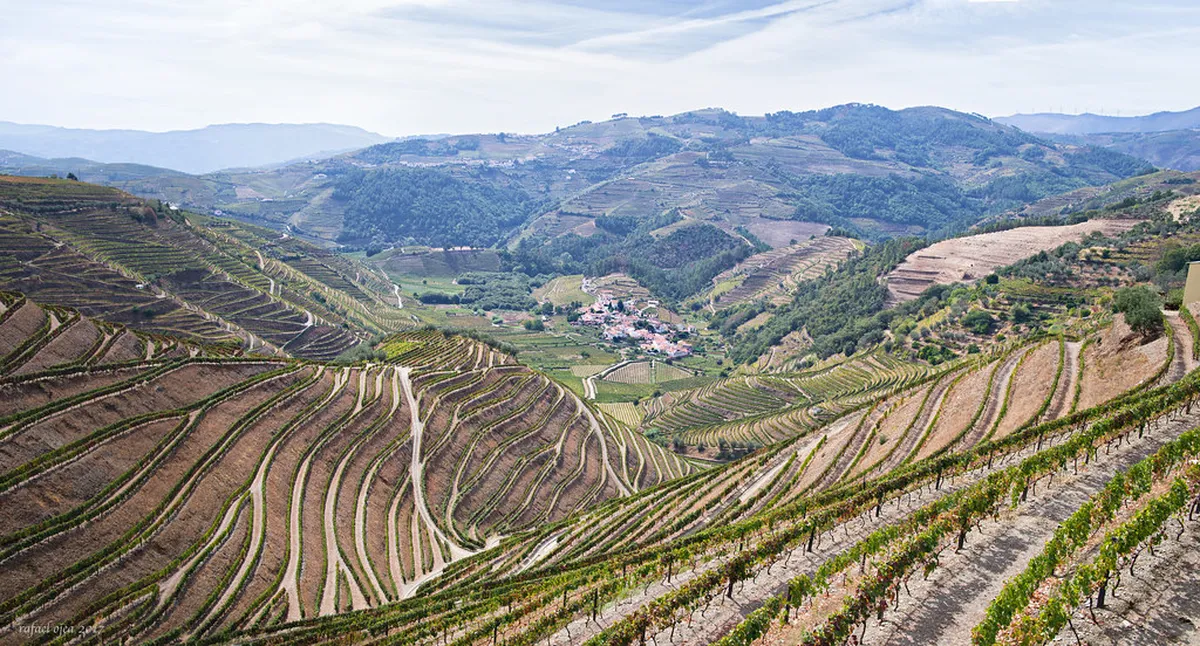
The resort organizes a full excursion calendar that changes by season. The Douro River boat cruise is the most popular option: a two-hour guided cruise departs from Régua pier and passes through the famous terraced vineyards and schist villages. The hotel arranges a private schooner for groups; solo travelers and couples can join a shared boat. Departures run in the morning to avoid afternoon glare on the water.

Wine tours at local quintas (estate wineries) are bookable through the concierge. Quinta do Crasto, Quinta do Vale Meão, and Ramos Pinto are all within a 30-minute drive and offer cellar tours followed by seated tastings. During September and early October the harvest is active at several estates, and guests can arrange to join foot-treading sessions — a memorable experience that requires advance coordination through the hotel at least two weeks out.
For a different pace, the historic town of Lamego is 12 km away and worth a half-day. The Sanctuary of Nossa Senhora dos Remédios sits at the top of a 686-step baroque staircase and offers sweeping valley views from the top. Lamego cathedral and its 12th-century foundations are also worth the detour. The hotel provides a house car service for day trips, though a rental car gives you more flexibility if you want to combine multiple stops. More ideas for the surrounding area are covered in our guide to 10 Best Douro Valley Tourism Attractions.
The Douro historical train runs a scenic tourist service between Régua and Tua on certain dates, passing tunnels and river bridges that are inaccessible by road. Tickets sell out weeks ahead during the harvest season. The hotel concierge can book on your behalf if you confirm the dates at reservation time rather than after arrival.
Dining: Food and Drink at Six Senses
The Vale de Abraão Restaurant is the main dining room and focuses on regional flavors built around the resort's own organic kitchen garden. The menu rotates seasonally: autumn brings rabbit, wild mushrooms, and chestnuts; spring and summer lean toward grilled fish, stone-fruit gazpachos, and herb-forward vegetable plates. We particularly liked the wood-fired lamb and the house-made sheep's cheese board. Breakfast is a broad spread of homemade granolas, fresh-pressed juices, local honeys, and traditional Portuguese pastries.
The Wine Library is the social center of the property. Guests use a pre-loaded credit card with an Enomatic wine preservation system to pour rare Port wines and Douro reds by the glass. The selection includes vintages from estates not widely distributed outside Portugal — this is a genuinely useful way to calibrate your palate before buying bottles to take home. Main courses at dinner start around €42 and the wine spend adds up quickly, so a half-board package tends to soften the bill.
For lighter meals, the Quinta Bar and Lounge serves tapas-style plates and cocktails through the afternoon. In summer, the outdoor Summer Garden serves dinner under vine-covered pergolas — reserve early because it is the most atmospheric option on warm evenings and fills by 20:00. Non-alcoholic options across all venues are well-developed, which is worth noting for guests on wellness programs who are avoiding alcohol.
Best Time to Visit and Seasonal Considerations
May, June, and October are the best months to visit for a balance of pleasant weather, manageable crowds, and full resort operations. Temperatures in the valley in May and June sit between 18°C and 26°C, comfortable for both outdoor activities and river cruises. October brings the tail end of harvest, dramatic golden vine colors, and cooler evenings that make the spa circuits more appealing.
September is the peak harvest month and many guests specifically target it for the winery experience. Foot-treading sessions, harvest lunches at quintas, and the smell of fermenting grapes define the visit in a way no other month can replicate. The trade-off: September is the hardest month to book. Rooms sell out months in advance and rates sit at the upper end of the price range. Confirm your booking no later than June for a September stay.
July and August are the hottest months in the valley, with temperatures frequently exceeding 35°C inland. Outdoor walking and cycling tours are uncomfortable midday. The pool and spa become the primary daytime activities and the resort is at full capacity, which reduces the sense of privacy that makes the property special. Winter (November to February) brings quiet, lower rates, and misty mornings over the river that are photogenic and peaceful — the downside is that outdoor pools and some restaurant venues close.
If you are targeting September for the grape harvest experience, rooms sell out months in advance at peak prices. Confirm your booking no later than June to secure availability and avoid paying last-minute premiums.
Honest Trade-offs
The remote location is the most significant practical constraint. You are largely dependent on the hotel for meals and evening entertainment, which can feel limiting after day four if you are a city-oriented traveler. The on-site dining is excellent but the lack of variety does become noticeable on a longer stay. The pool bar service slows considerably when the property is at full occupancy.
The steep terrain is a real barrier for guests with mobility issues. Golf carts are available on request and the staff are helpful about routing, but uneven stone paths between the manor house and vineyard wing are not fully wheelchair-accessible. If mobility is a concern, ask the reservations team specifically about accessible room categories before booking.
The high nightly rate creates high expectations across every touchpoint. The property mostly meets them — the spa, the food, and the room quality justify the spend for the right traveler. Where it occasionally falls short is in minor operational details: a slow bar response when the hotel is full, or a guest services desk that can take time to action requests. These are small gaps relative to the overall experience, but worth knowing if you are comparing against a smaller boutique property where the owner is on-site.
- World-class spa with structured wellness programs unique to Six Senses
- Outstanding Douro Valley views from vineyard wing rooms
- Organic garden-to-table dining with a rotating seasonal menu
- Wine Library Enomatic system for rare Douro and Port tastings
- Remote location limits independent evening dining options
- Rates rank among the highest in Portugal; wine and treatment costs add up fast
- Steep paths present accessibility challenges despite golf cart availability
Final Verdict: Is Six Senses Douro Valley Worth It?
Yes — for luxury travelers who prioritize wellness programming, wine culture, and a landscape that is genuinely hard to find elsewhere in Europe. It is best suited for couples on a honeymoon or anniversary trip, solo travelers doing a deliberate digital detox, and anyone whose primary goal is a serious spa stay rather than sightseeing throughput. If you want a walkable base with easy restaurant variety, look at The Yeatman in Vila Nova de Gaia instead.

Staying overnight rather than treating this as a day visit makes a fundamental difference to what you get out of it. The early morning mist over the river, the quiet hours in the spa before 11:00, and the slow pace of an evening tasting in the Wine Library only reveal themselves when you are not watching the clock for a return transfer. A minimum of three nights lets the wellness programs take hold and gives you time for at least one off-property excursion. Four nights is the sweet spot for most guests.
For more on what to do in the surrounding region, our guide to 10 Best Douro Valley Tourism Attractions covers day trips, quintas, and village walks. The broader PortugalWander blog has further coverage of travel through northern Portugal if you are planning a longer trip.
Frequently Asked Questions
Is Six Senses Douro Valley worth the price?
Yes, for travelers who value world-class spa facilities and sustainable luxury. The high price includes exceptional service, organic dining, and access to a UNESCO-listed landscape. It is a premier destination for a wellness-focused retreat.
How do you get to Six Senses Douro Valley from Porto?
The easiest way is a 90-minute private transfer or rental car. You can also take a train from Porto to Regua station, followed by a 15-minute taxi ride. Be sure to pre-book taxis from the station.
What is the best room at Six Senses Douro Valley?
The Vineyard Rooftop Suites offer the best combination of space and panoramic river views. For those who prefer historic charm, the Manor House rooms provide high ceilings and classic Portuguese architecture. Book early for pool villas.
Six Senses Douro Valley remains a top-tier choice for luxury travelers in Portugal. The spa quality, the landscape, and the food are genuinely strong. The cost is significant and the location demands commitment to a slower pace — plan accordingly and you will leave with one of the more memorable hotel stays in Europe.