

7-Day Azores Itinerary: The Ultimate One-Week Guide
Plan the perfect 7-day Azores itinerary with our guide. Includes São Miguel highlights, car rental advice, and local secrets for first-timers.
On this page
7-Day Azores Itinerary
This azores 7 day itinerary is built for first-time visitors who want the best of volcanic landscapes, thermal waters, and Atlantic coastline. One week is the right amount of time — long enough to go deep, short enough that you won't burn out. The guide focuses on São Miguel, the archipelago's largest and most accessible island, with a separate multi-island option for travelers who want more variety.
Prepare for unpredictable weather even in summer. Download the SpotAzores app before you fly and check its live webcam feeds every morning before leaving your accommodation. That single habit will save you hours of driving toward fogged-out crater viewpoints.
Why Visit the Azores?
The Azores are a Portuguese autonomous territory of nine volcanic islands sitting in the middle of the North Atlantic, roughly 1,400 km west of Lisbon. They earned the nickname "the Hawaii of Europe" for good reason: calderas filled with twin-coloured lakes, hot springs heated by active volcanic vents, lush green hillsides, and dramatic black-rock coastlines all exist within a two-hour drive of one another. For official information on activities and travel planning, check Visit Azores, the regional tourism authority.

The islands are genuinely affordable by European standards. A sit-down seafood lunch rarely exceeds €15 per person. Most hiking trails are free. The thermal pools charge €3 to €10 entry. Direct flights from Boston, New York, and Toronto to Ponta Delgada (PDL) have become common since 2018, which removed the mainland connection most travelers used to need.
In 2026 the islands are more visited than they were five years ago, but they still feel remote. You will not find resort strips or souvenir trap streets here. Villages look the same as they did a century ago, the food is rooted in the land, and most miradouros (viewpoints) are quiet on weekday mornings.
Which Islands to Visit in One Week?
The honest answer for most first-timers is São Miguel only. The island is large enough to fill seven days without repetition, and skipping inter-island logistics means you spend more time at viewpoints and less time at check-in desks. All competitors in the SERP acknowledge this: one island done properly beats three islands done poorly.
If variety matters more than depth, a three-island week is doable. A practical split is three nights on São Miguel, two on Pico, and two on Terceira. SATA / Azores Airlines operates turboprop flights between all islands; booking the legs as a multi-city trip on the SATA website saves around 20–30% versus booking them separately. Note that Terceira's main town, Angra do Heroísmo, is a UNESCO World Heritage Site with a distinct baroque streetscape — it rewards the detour.
Pico is the right choice if hiking or wine is your priority. The island's dominant volcano, Mount Pico (2,351 m), is Portugal's highest peak. The UNESCO-listed lava-rock vineyards in the Lajido area produce a crisp, mineral white wine that pairs with the local smoked sausage. Ferry connections between Pico and neighbouring Faial take 30 minutes, so you can add a half-day on a third island without an extra flight.
Terceira is the right choice if you want history alongside nature. Angra do Heroísmo is a UNESCO World Heritage Site with 16th-century fortifications, pastel-coloured churches, and a vibrant local food scene. The Algar do Carvão lava tube — a hollow volcanic chimney open to visitors — is one of the few places like it in the world.
Logistics: Getting There and Getting Around
Ponta Delgada (PDL) is the main gateway for São Miguel. Direct flights operate from Lisbon (90 min), Porto (90 min), London Gatwick (3 h), Boston (5 h), and Toronto (5.5 h). Budget carriers including Ryanair and easyJet serve the Lisbon route; SATA and TAP cover North American routes. Book at least 10–12 weeks ahead for summer travel; Azores flights fill faster than most comparable European island destinations.
A rental car is non-negotiable. Public buses exist but run infrequently and do not reach most viewpoints. Expect to pay €40–€70 per day for a compact car with full insurance. Automatic transmissions are less common than manual, so book early on platforms like DiscoverCars or Europcar if you need one. Do a separate rental on each island if you island-hop — taking a car on the ferry is possible but logistically awkward for most routes.
Driving on São Miguel is straightforward. Roads are well-maintained two-lane tarmac for most of the island, though the Nordeste coast has stretches of tight hairpins. Fill up in Ribeira Grande or Ponta Delgada before heading to the northeast; stations in Nordeste are sparse. Parking at major viewpoints is free but fills by 10:00 on clear summer mornings — arrive before 09:00 or after 15:00.
7-Day São Miguel Itinerary
Before each morning, check the SpotAzores webcams at spotazores.com. The cameras mounted at Sete Cidades, Lagoa do Fogo, and Miradouro do Pico da Barrosa update every few minutes. If a viewpoint is fogged in, swap the high-altitude stop with a coastal or valley activity and return to the crater later in the day — conditions often clear by mid-afternoon. This is the single most useful habit for navigating Azorean weather.
| Day | Focus | Key Stops | Approx. Cost |
|---|---|---|---|
| Day 1 | West Coast Volcanics | Sete Cidades, Mosteiros, Ponta da Ferraria | €3–€10 (sea pool) |
| Day 2 | Central Peaks & Thermal Pools | Lagoa do Fogo, Caldeira Velha, Ribeira Grande | €6 (Caldeira Velha) |
| Day 3 | Furnas Thermal Valley | Lagoa das Furnas, Terra Nostra Garden, Poça da Dona Beija | €18–€22 lunch + €10 + €8 |
| Day 4 | Tea Plantations & North Coast | Gorreana Tea Factory, Santa Iria viewpoint, Porto Formoso | Free entry |
| Day 5 | Wild East & Waterfalls | Arnel Lighthouse, Ribeira dos Caldeirões, Nordeste coast | Free |
| Day 6 | Ocean & Islets | Whale watching, Vila Franca do Campo islet | €40–€60 (tours) |
| Day 7 | City & Departure | Arruda Pineapple Plantation, Ponta Delgada waterfront | Free–low |
Day 1 — West Coast Volcanic Classics. Head to Sete Cidades by 09:00. Start at Miradouro da Vista do Rei for the twin-lake panorama, then drop to Boca do Inferno for a different angle. In the afternoon, drive to Mosteiros for the dark-sand beach and basalt rock pools. End the evening at Ponta da Ferraria — check the local tide table before you go. The volcanic sea pool is only comfortable at low tide, when warm vent water and cold Atlantic swell mix to roughly 28°C. At mid or high tide the cold water dominates and the experience is unpleasant.
Day 2 — Central Peaks and Thermal Pools. Lagoa do Fogo sits at 570 m altitude and clouds in without warning. If the webcam shows clear skies, drive up the EN1-1A and hike the crater rim trail (45 min round trip). The seasonal shuttle from Ribeira Grande costs about €5 each way and removes the parking scramble. Afternoon: Caldeira Velha thermal reserve, 15 minutes south. The waterfall pool here is 35°C and costs €6 entry. Evening: dinner in Ribeira Grande — the town's old quarter has good seafood restaurants at half the price of Ponta Delgada.
Day 3 — Furnas Thermal Valley. Arrive at Lagoa das Furnas by 12:30. This is the time when restaurant staff pull the traditional Cozido das Furnas stew from the volcanic earth beside the lake — the pots go in the night before and slow-cook in geothermal heat for 6–8 hours. You cannot see the extraction if you arrive late. A Cozido lunch at one of the Furnas restaurants costs around €18–€22 per person. In the afternoon, walk Terra Nostra Botanical Garden (open daily 10:00–18:00, €10 entry including thermal pool access). Bring an old swimsuit — the iron-rich water stains fabric permanently. End the evening at Poça da Dona Beija outdoor thermal pools (open until 23:00 on weekends, €8).
Arrive at Lagoa das Furnas by 12:30 to watch the Cozido das Furnas pots being pulled from the volcanic earth — this is the only window of the day. Terra Nostra Botanical Garden entry (€10) includes access to the famous iron-rich thermal pool, so bring a dark swimsuit you don't mind staining.
Day 4 — Tea Plantations and North Coast. Drive to Gorreana Tea Factory on the north coast — the oldest tea plantation in Europe and one of the only two operating tea estates on the continent. Entry is free, and you can walk through the tea fields and watch the processing machinery. Pair it with the Santa Iria viewpoint 20 minutes east, which looks straight down into the Atlantic on a clear day. Evening: fresh grilled limpets (lapas) in Porto Formoso, a working fishing village the tour groups skip.
Day 5 — Wild East and Waterfalls. Start at the Arnel Lighthouse on the northeast tip at 08:00 for sunrise. The Nordeste municipality feels like a separate island from the tourist west — quiet, deeply green, and almost traffic-free on weekday mornings. Stop at Ribeira dos Caldeirões Natural Park (free entry) for multiple waterfalls within a 20-minute trail loop. If you want more: Rota dos Lajedos, a coastal walking path between Nordeste and Achadinha, is a serious half-day hike with sea views the entire way.
Day 6 — Ocean Adventures and Islets. Book a whale watching tour from the Ponta Delgada marina, departing 09:00. Sperm whales, common dolphins, and Risso's dolphins are regularly spotted year-round; blue whales pass through in spring. In the afternoon, take the boat to Vila Franca do Campo islet — a submerged volcanic crater rim 1.5 km offshore with a protected snorkelling lagoon inside. Access is capped at 400 visitors daily; buy tickets online at least two weeks ahead in summer.
Day 7 — City, Pineapples, and Departure. The Arruda Pineapple Plantation (open Mon–Sat 10:00–12:00 and 14:00–17:00) is 15 minutes from the airport. These greenhouse-grown pineapples take 18 months to produce a single fruit; the plantation has operated since 1864. Spend your final afternoon at the Ponta Delgada waterfront — the black-and-white basalt Portas da Cidade gates, the 16th-century Church of São Sebastião, and the covered market (Mercado da Graça) are all within a 10-minute walk of each other.
7-Day Multi-Island Itinerary
This version works best if you book your inter-island flights before anything else. Flight availability between islands is limited — SATA runs one or two turboprop connections per day on many routes — and the schedule drives the itinerary, not the other way around. Check SATA's website and Google Flights with flexible dates until you find a sequence that gives you arrival times before noon on each island.
A workable split for 2026: Days 1–3 on São Miguel (covering Sete Cidades and Furnas as the non-negotiable highlights), Day 4 morning flight to Pico (PDL to PIX, about 45 min), Days 4–5 on Pico, Day 5 evening or Day 6 morning SATA hop to Terceira (PIX to TER, 35 min), Days 6–7 on Terceira. Fly home from Lajes (TER), which has direct connections to Lisbon and Porto.
On Pico, prioritise the UNESCO lava-rock vineyard trail (Vinhas da Criação Velha), the Lajido wine cellar visits, and a sunset view of Mount Pico from the coast road. If you have the fitness and a permit, the mountain summit attempt requires a 06:00 start and takes 7–8 hours round trip. On Terceira, spend a morning in Angra do Heroísmo (World Heritage street grid, São João Baptista fortress) and an afternoon at Algar do Carvão lava tube (open May–October, guided visits every 30 min, €7 entry).
Best Time to Visit and Weather
The Azores sit in the path of Atlantic weather systems year-round, which means rain is possible in any month. The driest and warmest window is late June through September, when temperatures average 22–26°C and multi-day fog events are less common at the high craters. July and August bring the most visitors and the least availability for car rentals, whale watching slots, and the Vila Franca islet tickets.
May and October are the sweet spot for independent travelers. Prices drop 15–25% versus peak summer, the volcanic hills are at their most vivid green (spring rains), and whale watching success rates remain high — blue whales and fin whales are common in May in particular. The trade-off is more frequent fog at Sete Cidades and Lagoa do Fogo, which is why the SpotAzores webcam check becomes even more critical in shoulder season.
Winter travel is possible but niche. Many thermal pools and viewpoint facilities have reduced hours from November through March. The ocean is rougher, which affects whale watching and islet access. Locals know the islands best in winter and some argue January is the most authentic time to visit — the towns return to their own rhythm and prices are the lowest of the year. Pack a waterproof shell regardless of when you go.
Packing List and Practical Tips
The Azores require layers. A clear morning at the coast can turn into cold horizontal rain at Lagoa do Fogo within two hours. Pack a waterproof shell, a mid-layer fleece, and a base layer for every hiking day. Trail shoes with ankle support handle the uneven volcanic rock better than trail runners. Sandals work on the beaches and in town.
For hot springs visits, bring two swimsuits. The iron and sulphur content in the thermal pools at Terra Nostra and Caldeira Velha will permanently stain light-coloured fabric. Keep one dark swimsuit dedicated to pool use. Bring a dry bag or zip-lock bags to protect your phone when swimming in sea pools like Ferraria, where the Atlantic spray is constant.
Practical extras worth packing: a headlamp for early sunrise hikes to Nordeste, a reusable water bottle (the island tap water is clean), reef-safe sunscreen (marine reserve rules at Vila Franca), and a small day pack for crater hikes. Download offline maps via Google Maps or Maps.me for the Nordeste region, where mobile data coverage drops. SpotAzores live webcams are free and essential for monitoring real-time weather at viewpoints — install the app before you board your flight.
The Vila Franca do Campo islet is capped at 400 visitors per day — book tickets online at least two weeks ahead in summer. Also bring reef-safe sunscreen, as the islet sits within a protected marine reserve where standard chemical sunscreens are restricted.
A note on budget planning: a 7-day trip for one person typically runs €800–€1,300 all-in, excluding the transatlantic flight. This covers a mid-range rental car, guesthouse accommodation averaging €70–€110 per night, three meals per day, and the main paid attractions. Azores budget tips can push this lower, particularly if you choose Furnas or Ribeira Grande as your base instead of central Ponta Delgada. For accommodation options across the island, our guide on Where To Stay In Azores: 11 Best Areas & Planning Tips covers each base's trade-offs in detail.
What to Do When the Craters Are Fogged In
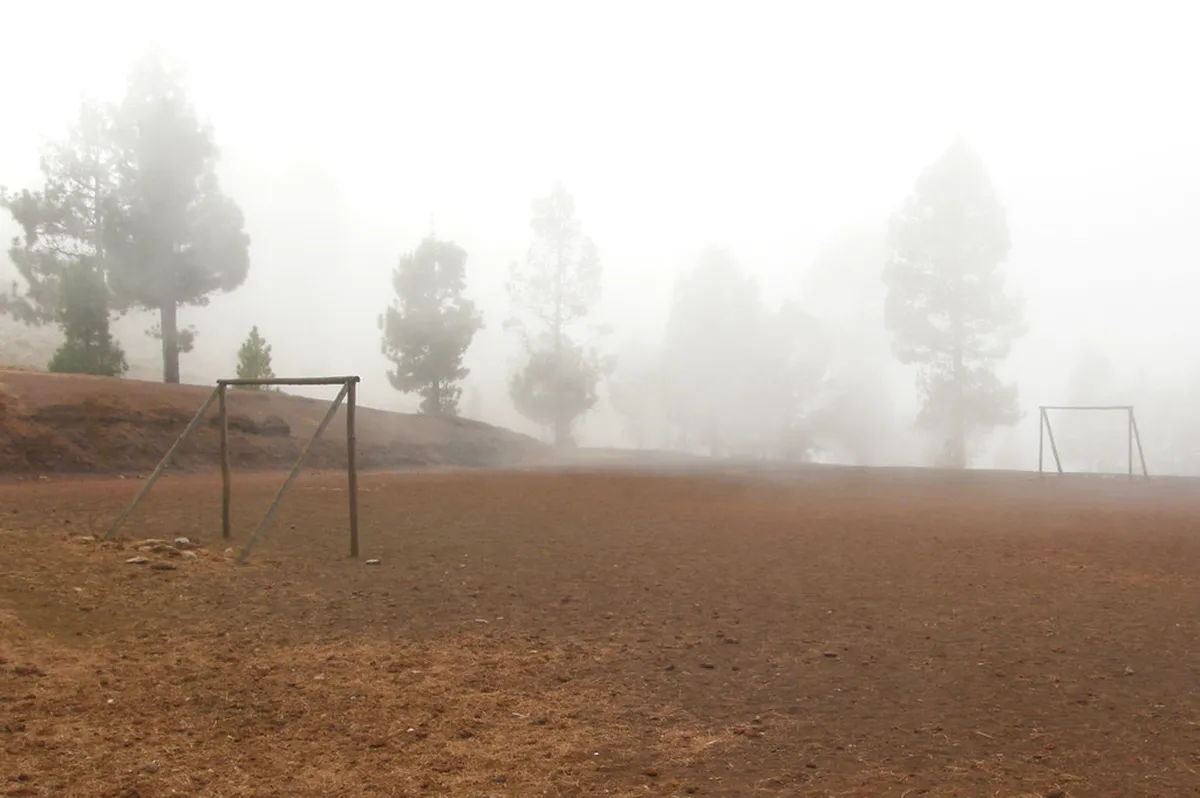
Every traveler doing a week in the Azores will face at least one morning where the SpotAzores cameras show nothing but white cloud at Sete Cidades and Lagoa do Fogo. The mistake is to drive up anyway hoping it clears — it often doesn't, and you waste three hours on a mountain road staring at mist from 10 metres away.
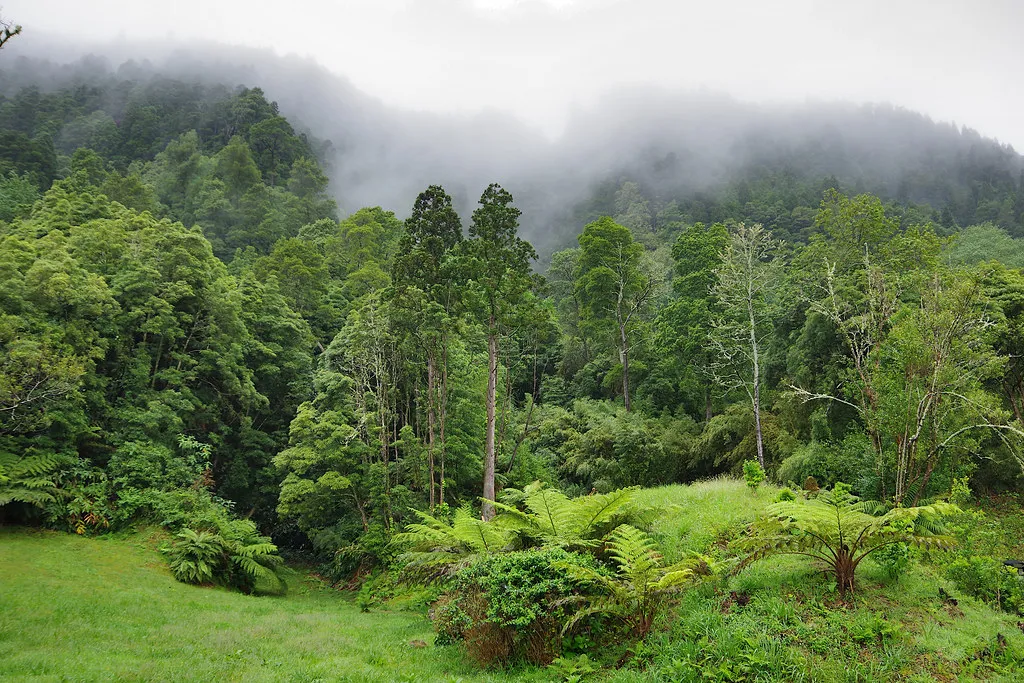
The fog-day pivot plan: move all coastal and valley activities to this day instead. The São Miguel coast at sea level is usually clear when the highlands are clouded. Good fog-day swaps include the Sete Cidades lakeshore walk (down in the caldera, not at the rim), the Mosteiros beach, the Ponta Delgada historic centre, any Furnas valley activity (the fumaroles are at low elevation), or the Gorreana tea fields. Check the cameras again at 14:00 — fog at Azorean viewpoints frequently burns off by mid-afternoon, leaving you a 2–3 hour window to reach the lookout and catch clear views before sunset.
This pivot approach is the practical application of the SpotAzores tool that most guides mention in passing but never operationalise. Build two or three of your itinerary days as flexible slots — activities that work at sea level — so you have ready substitutes without replanning your entire week from scratch.
Frequently Asked Questions
Do you need a car to get around the Azores?
Yes, a car is essential for exploring the islands efficiently. Public buses are infrequent and do not reach many top viewpoints. Expect to pay $45-$70 daily for a rental.
What is the best month to visit the Azores?
June through September offers the best weather for hiking and whale watching. July and August are the driest but also the most crowded months. May and October are great for fewer crowds.
Is the Azores expensive to visit?
The Azores are relatively affordable compared to mainland Europe. Meals usually cost $12-$20, and many natural attractions are free or under $10. Car rentals are the largest expense.
Following this azores 7 day itinerary ensures you see the best of the archipelago. From the steaming fumaroles of Furnas to the blue lakes of Sete Cidades, adventure awaits. Remember to pack layers and always check the webcams before you start your day. The islands offer a rare blend of wild nature and traditional Portuguese charm.
Whether you soak in thermal baths or hike volcanic peaks, the Azores will impress. I hope this guide helps you plan an unforgettable week in the middle of the Atlantic. Safe travels as you explore the stunning landscapes of São Miguel and beyond.
See our Azores tourist attractions guide for the broader archipelago overview.
 Aveiro Itinerary: The Best 2-Day Travel GuideJune 8, 2026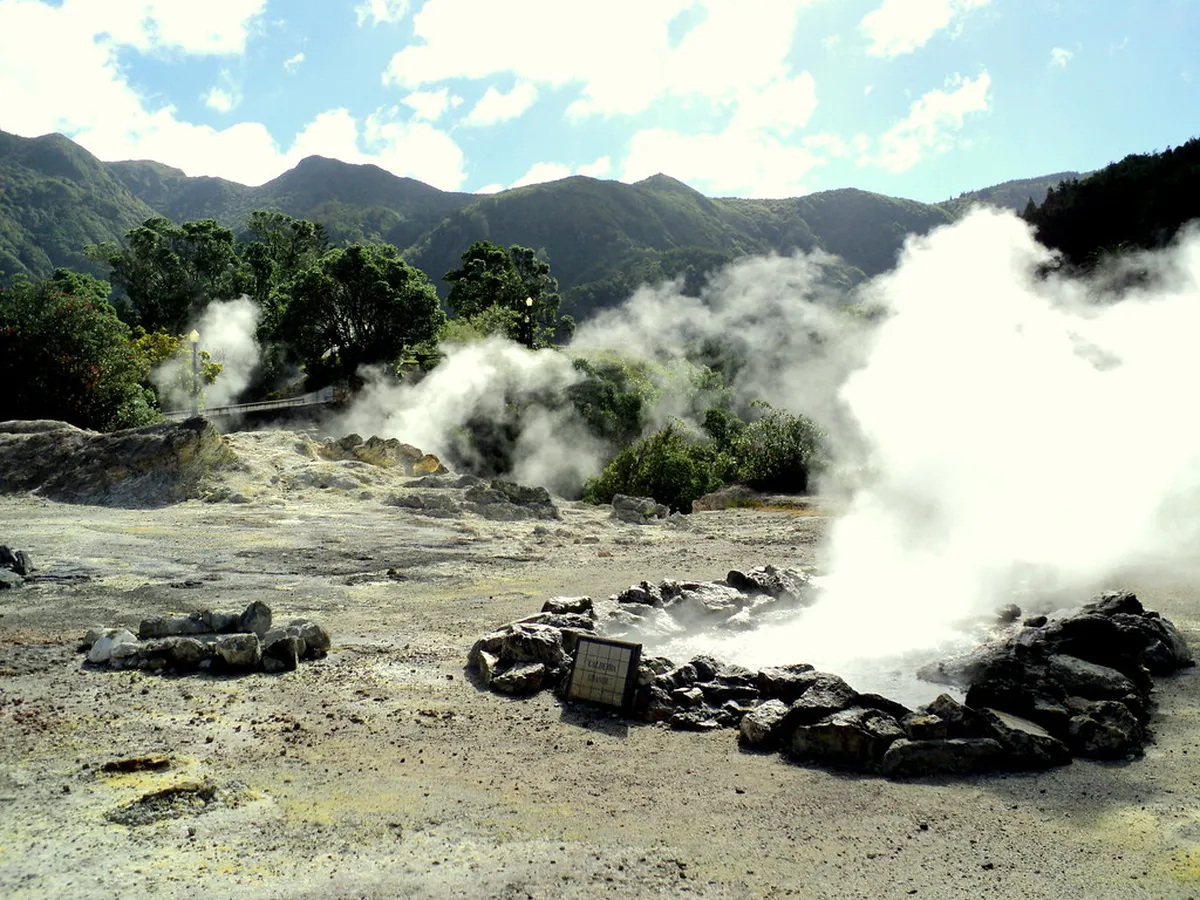
 Madeira Itinerary 5 Days Travel GuideMay 17, 2026