Pico Vineyards UNESCO World Heritage Guide
Explore the Landscape of the Pico Island Vineyard Culture. Discover the history of volcanic wine, the basalt currais, and tips for visiting this UNESCO site.
On this page
Pico Vineyards UNESCO World Heritage Guide
Pico Island features a landscape unlike any other wine region in the world. The pico vineyards unesco site showcases human tenacity against harsh volcanic conditions. Travelers visiting the Azores will find thousands of small stone plots protecting precious vines.
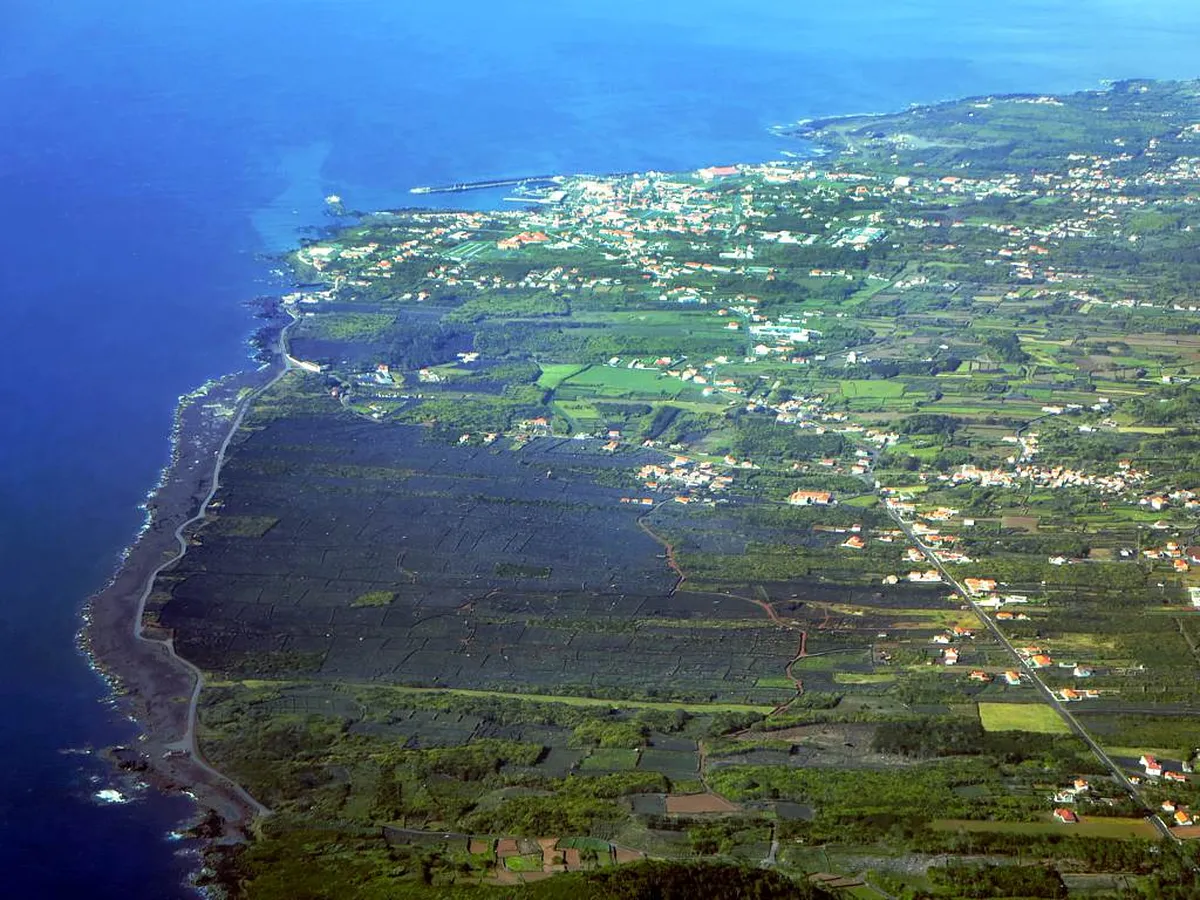
These black basalt walls create a stunning contrast against the green leaves and blue Atlantic Ocean. Visitors can walk through ancient paths that have remained unchanged for centuries. This guide covers the history, the stone architecture, the wines themselves, and practical tips for visiting this unique heritage site in 2026.
The History of Pico Island Vineyard Culture (UNESCO)
The Landscape of the Pico Island Vineyard Culture became a protected site in 2004. This designation recognizes the incredible effort required to grow grapes in solid volcanic rock. You can find more details on the official UNESCO World Heritage List regarding its outstanding universal value.
The first vines arrived on Pico around 1450, brought by a Franciscan friar named Frei Gigante. He carried the first Verdelho rootstocks to the island, planting them in the south near his home in a place now called Silveiras — named after the brambles he used to shelter the young plants. It was not until later centuries that cultivation spread west toward Madalena, where the UNESCO-classified landscape sits today.
Pico is geologically the youngest island of the Azores. Its basaltic rock has not had time to degenerate into conventional soil, which meant early settlers faced an agricultural puzzle with no easy answer. The local farmers, known as Picarotos, devised their solution over generations: they imported earth from the neighboring island of Faial by small sailboat, paying around 50 reis for every 40 liters, and poured it into the cracks of the lava field to create planting pockets. They then inserted each vine cutting at a low angle so it would grow along the ground rather than upright, staying closer to the heat radiating off the black rock.
By the 18th and 19th centuries, the vineyards covered a vast stretch of the western coastline. The wine became the backbone of the local economy and a product recognized across Europe. If you are planning your trip to the Azores, Pico should be a top priority.
The first vines arrived on Pico around 1450, making the vineyard culture over 500 years old. The UNESCO designation was granted in 2004, recognizing the outstanding universal value of this volcanic wine landscape.
The Architecture of Wine: Understanding Currais and Stone Walls
The defining feature of this landscape is the network of stone-walled plots called currais. These enclosures are built from dry-stacked basalt rocks pulled directly from the volcanic ground. Their purpose is to protect the delicate vines from the salty Atlantic winds, while funneling warmth and moisture toward the plants within.
Each small plot acts as a private microclimate. The dark stones absorb solar heat during the day and radiate it back to the vines at night, helping the fruit reach the sugar levels needed for quality wine. Smaller divisions within the fields are called curraletas. The walls are deliberately porous — gaps between the stones let controlled amounts of sea breeze and salt through, and it is this balance between protection and exposure that gives Pico wine its saline mineral character.
The scale of the currais network is hard to grasp at ground level. Estimates put the total combined length of all stone walls at a distance sufficient to circle the globe twice. Enologist António Maçanita, one of the founders of the Azores Wine Company, describes the planting philosophy with a saying that has become well-known among local winemakers: vineyards on Pico should always be placed "where you can hear the singing of the crab" — meaning as close to the sea as possible, to maximize sunshine hours and capture the salt that becomes part of the wine's identity.
Exploring these labyrinths is one of the best things to do on Pico for photography lovers. The geometry of the black stones creates endless patterns that shift with the sunlight. Wear sturdy walking shoes because the ground between the walls is often uneven and rocky.
The best time to visit the vineyards is September during the vindimas (harvest), when local families pick grapes entirely by hand inside the currais. Sunrise at Lajido da Criação Velha, when mist fills the stone labyrinths, is especially worth an early start.
Must-Visit Locations: Lajido da Criação Velha and Santa Luzia
Two main areas provide the best access to the UNESCO-recognized landscapes. Lajido da Criação Velha is the most photographed spot, famous for its iconic red-domed windmill — the Moinho do Frade — standing against the dark volcanic backdrop. Marked walking trails run approximately 7 kilometers through the heart of the stone walls, where vines hug the warm basalt at knee height. The coastal road alongside gives easy parking and a clear starting point.
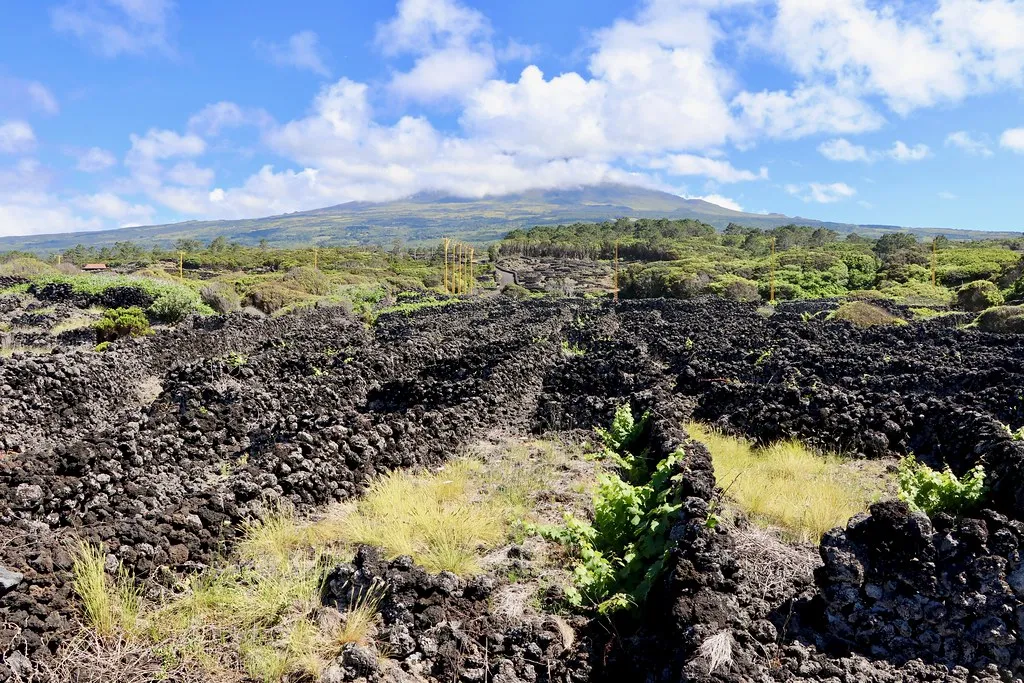
Many visitors combine a vineyard walk at Criação Velha with a hike up Mount Pico for a full day on the island. The mountain looms directly behind the vineyards, providing one of the most photogenic backdrops in the Azores. Sunrise here, when the mist sits between the walls and the volcano, is worth an early alarm call.
Lajido de Santa Luzia offers a quieter and more historically layered experience. The trails here cover roughly 10 kilometers of rocky paths, passing manor houses, small chapels, and the main Interpretation Centre for the UNESCO site. Santa Luzia tends to draw fewer day-trippers than Criação Velha, which makes it the better choice if you want to walk without crowds.
Check out the Visit Portugal Pico Guide for updated trail maps of both zones. The two sites sit about 15 kilometers apart along the coast road, so renting a car lets you cover both in a single afternoon. Allow at least two hours at each location to absorb the scale of the landscape at a relaxed pace.
The Volcanic Terroir: Why Pico Wine Is Unique
The volcanic soil of Pico provides a mineral intensity that is hard to find elsewhere. Lava rock releases potash, magnesium, silica, and iron into the small pockets of earth, and these minerals transfer directly into the grapes. The Verdelho variety thrives here, producing crisp, dry, and aromatic white wines with a subtle salinity that reflects the proximity to the ocean.
Pico wine once enjoyed a prestigious reputation among the royal courts of Europe. Historical records confirm that bottles were regularly exported to the Russian Imperial Court during the 18th century, where the wine was prized for its golden color and its ability to survive long sea voyages without spoiling. Today, the Official Pico Wine Cooperative continues this legacy, and their "Lajido" label — named directly after the heritage landscape — has become the flagship white for modern producers.
The full range of wines from Pico goes beyond Verdelho. The island also produces vinho de cheiro, a fragrant wine with a distinctive strawberry-like aroma popular at local feast-day tables, as well as fortified VLQPRD wines, the sweeter Angélica, and several table reds. Most restaurants and grocery stores on Pico stock the complete range, so tasting broadly is easy without booking a formal tour.
The best place to understand the full history of this wine culture is the Wine Museum in Madalena, housed in a former Carmelite convent near the town center. The collection includes antique tools, copper stills, and large fermentation vats. Outside, a grove of dragon trees frames an old stone wine press that has survived intact for centuries, making the museum grounds as scenic as the exhibits inside. If you are island hopping in the Azores, the museum is a half-hour stop that adds real context to everything you see in the vineyards.
Beyond the Vines: Windmills, Rilheiras, and Built Heritage
The UNESCO site encompasses far more than vines and currais. Look closely at the basalt ground as you walk the coastal trails and you will notice rilheiras — deep parallel grooves worn into the rock by the wheels of ox carts. For centuries these routes carried grape harvests and full wine barrels from the interior plots down to the harbors. The ruts are still clearly legible in many places, running in straight lines toward the sea.
At the small coves and harbors along the coast you can spot rola-pipas, stone ramps cut into the rock face and smoothed by generations of use. Workers rolled heavy wine barrels down these ramps directly onto transport boats headed to Faial. These ramps are easy to miss — they blend into the shoreline — but they represent the final link in a supply chain that connected Pico's volcanic fields to European dining tables.
The red-domed windmills are the most visible built element of the heritage zone. Originally used for milling grain rather than wine production, they served as navigation landmarks for sailors approaching the low volcanic coast. Several have been restored and are now open for views across the entire vineyard mosaic.
The manor houses, or solares, found in villages like Madalena and Santa Luzia reflect the prosperity the wine trade generated in the 18th century. Most feature the classic Azorean black-and-white volcanic stone facades. Many include private chapels, large adegas, and warehouses that originally stored barrels before shipment. The endemic Laurel forests of the Macaronesian region also border sections of the UNESCO zone, adding a natural heritage layer to the built one.
Planning Your Visit: Tasting Rooms and Interpretation Centers
Start your journey at the Visit Azores Interpretation Centre in Santa Luzia. The center provides exhibits on the geology, agricultural history, and UNESCO designation of the vineyard landscape. Entry costs approximately 3 EUR and gives you a printed trail map — a useful tool before walking into the stone labyrinth for the first time.

The best time to visit for the fullest experience is September, when the vindimas (harvest) takes place. Local families still pick grapes entirely by hand inside the currais, and it is common to see small groups working the narrow plots in the early morning. Consulting the best time to visit the Azores guide is useful for planning around the harvest season and avoiding peak-summer crowds.
Many adegas offer guided tastings where you can work through the different grape varieties and wine styles in one session. Book in advance during July and August, when tour groups fill the popular cellars quickly. Ask specifically for a tasting that includes vinho de cheiro alongside the standard Verdelho — most cellars carry it but pour it only on request.
- Interpretation Centre, Santa Luzia — entry around 3 EUR; open daily except public holidays; trail maps provided at the desk.
- Wine Museum, Madalena — former Carmelite convent; dragon tree courtyard; collection of historic tools and vats; check local listings for 2026 opening times.
- Lajido da Criação Velha — free access; 7 km trail; best photographed at sunrise when mist fills the stone labyrinths.
- Lajido de Santa Luzia — free access; 10 km trail; quieter than Criação Velha; rocky paths require sturdy footwear.
- Getting there — no public bus connects the two Lajidos; rent a car in Madalena for the most flexible itinerary.
Follow a 7-day Azores itinerary to build enough time around Pico. The island is large, and combining the Lajidos, the Wine Museum, and a whale watching excursion from Lajes do Pico makes for a well-rounded two-day visit. Always check the weather before heading out, as the coastal paths can be slippery in wet conditions.
Frequently Asked Questions
Why are the Pico vineyards a UNESCO World Heritage site?
They were designated in 2004 because they represent an outstanding example of traditional human land use. The site showcases the transformation of a rugged volcanic landscape into a productive agricultural area through ingenious stone-wall construction. These methods have been preserved for over 500 years.
What is the best way to see the Pico vineyards?
Walking the trails in Lajido da Criação Velha offers the most immersive experience. You can also take a boat tour around the coast to see the scale of the walls from the sea. Renting a car allows you to visit both major UNESCO zones in one day.
What kind of wine is Pico famous for?
Pico is most famous for its Verdelho wine, which is a dry and mineral-rich white wine. It also produces fortified wines and 'vinho de cheiro,' which has a distinct strawberry aroma. The volcanic soil gives all these wines a unique character that is highly sought after by collectors.
Are there guided tours of the UNESCO vineyard landscape?
Yes, many local operators offer guided walking tours that explain the history and geology in detail. Most tours include a visit to a traditional cellar for a tasting session. You can also visit the Interpretation Centre in Santa Luzia for a self-guided educational experience.
The pico vineyards unesco landscape is a testament to human spirit and ingenuity. Walking through the basalt labyrinths provides a deep connection to the island's history. It remains one of the most significant cultural sites in the entire Azores archipelago.
Whether you are a wine lover or a history buff, Pico offers something truly special. Plan your visit carefully to enjoy the tastes and sights of this volcanic wonder. The memory of the black walls against the Atlantic blue will stay with you forever.
Use our Azores tourist attractions hub to plan the rest of your trip.