8 Essential Things to Know About Whale Watching in the Azores
Plan your Azores whale watching trip with this guide to the best islands (Sao Miguel vs. Pico), peak seasons for blue whales, and choosing between zodiacs or catamarans.
On this page
8 Essential Things to Know About Whale Watching in the Azores
The Azores archipelago sits in the middle of the Atlantic Ocean as one of the world's premier whale watching destinations. Over 25 cetacean species pass through or reside in these nutrient-rich waters, from massive blue whales on their spring migration to resident sperm whales that stay year-round. No other Atlantic destination matches this combination of deep-water habitat, species diversity, and the island's unique land-based sighting system.
Planning a successful trip means understanding which months favor which species, picking the right island for your travel style, and knowing what to expect when Atlantic weather turns rough. This guide covers all of it — seasonality, island comparisons, boat types, responsible wildlife etiquette, and the cultural history that makes whale watching here unlike anywhere else.
Why the Azores is a World-Class Whale Sanctuary
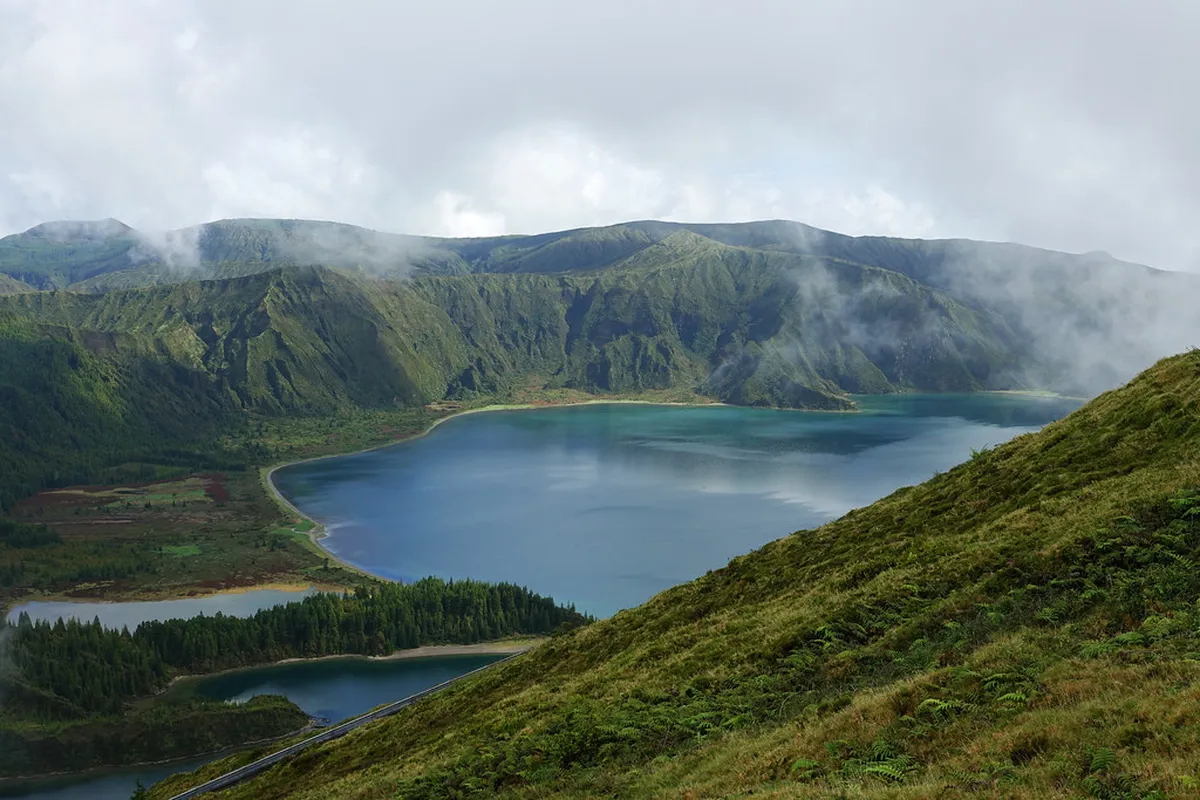
The deep volcanic seamounts surrounding the Azores create an upwelling of cold, nutrient-dense water that supports an enormous food chain. Krill, squid, and schooling fish concentrate in these currents, drawing both migratory baleen whales and permanent residents like sperm whales. This geological accident of location — nine islands perched above the Mid-Atlantic Ridge — is why the Azores consistently ranks alongside the Canary Islands and Iceland as a top-tier cetacean hotspot.

One feature that genuinely sets the Azores apart is the "Vigia" system. Land-based lookouts, stationed in stone towers built on clifftops, scan the ocean with high-powered binoculars and radio coordinates directly to boat captains in real time. This method, inherited from the whaling era, dramatically reduces search time and keeps boats from disturbing animals unnecessarily. When conditions are good, sighting rates run above 90% on most commercial tours from Pico and São Miguel.
The archipelago is formally protected under Portuguese and EU marine legislation. The waters around all nine islands function as a conservation area, and operators must hold licences that are renewed based on compliance with cetacean welfare regulations. This regulatory framework means you are very unlikely to encounter operators who chase or harass animals — a genuine concern in less-managed destinations.
Best Time for Whale Watching (Seasonal Calendar)
The single most important planning decision is timing, because different months favor entirely different species. April and May are the peak window for large baleen whales — blue, fin, and sei — which pass through on their northward migration from equatorial wintering grounds to Arctic feeding grounds. The Azores sits directly on this migration corridor, and the plankton blooms that peak between mid-March and mid-June provide the "refueling stop" that keeps these giants in the area. Book trips to Pico during this window if blue whales are your priority.
Summer shifts the character of sightings entirely. Baleen whales move on, but resident sperm whales become easier to find in June, July, and August. Dolphin encounters peak in summer too — common dolphins, bottlenose, and Atlantic spotted dolphins are present in large numbers. Seas are calmer from June through September, which matters a great deal for anyone prone to motion sickness. Consult 10 Essential Tips for the Best Time to Visit the Azores guides for full weather and travel-cost context around these months.
Autumn and winter still produce sperm whale sightings, since female sperm whales are resident year-round. However, Atlantic swells grow significantly from October onward, and cancellations become more common. If you are visiting in low season, book your boat trip for the first full day of your stay so you have time to reschedule around weather. The table below shows approximate sighting probability by month for the five most sought species, based on long-term operator records.
- Blue whale — peak March to June (highest in April–May); rare July to February
- Fin whale — peak March to June; occasional sightings in other months
- Sei whale — April to June; less predictable than blue or fin
- Sperm whale — present year-round; June, July, and August offer the highest encounter rates around Pico (roughly 80–90% of trips)
- Common and bottlenose dolphins — year-round, near-guaranteed on most tours regardless of season
April and May are the peak window for blue, fin, and sei whales on their northward migration. If you want blue whales specifically, these two months offer the highest probability — book your trip to Pico for this window and schedule the boat tour early in your stay to allow a weather reschedule.
Top Islands for Whale Watching: Sao Miguel vs. Pico vs. Faial
São Miguel is the logical starting point for most visitors because it has the main international airport and the widest range of tour operators. Tours depart from two ports: Ponta Delgada in the south and Vila Franca do Campo about 20 kilometres to the east. Vila Franca do Campo tends to see fewer crowds and some operators consider its position slightly better for spring baleen whale sightings. If you are combining whale watching with the rest of 10 Best Sao Miguel Azores Things to Do, it is perfectly convenient.
Pico Island is the specialist choice, particularly for blue whale encounters in spring. Its position in the Central Group places it closer to the deep Atlantic channels where large baleen whales travel. The island has a long cultural connection to the sea — Mount Pico dominates the skyline at 2,351 metres, and the local whale-watching industry grew directly out of its former whaling tradition. Operators like CW Azores run multi-day packages specifically targeting the spring migration. Pair your trip with other activities in our Pico island Azores guide since there is much to do on shore between boat departures.
Faial sits just a short ferry ride from Pico and shares access to the same productive channel between the Central Group islands. Tours from the port of Horta frequently encounter sperm whales and dolphins in the sheltered waters of that inter-island corridor. Faial is a quieter base than São Miguel and suits travelers who want to combine whale watching with Faial island things to do and the famous marina at Horta. The trade-off is fewer tour operators and fewer departure options if weather cancels a trip.
Baleen Whales in the Azores: Blue and Fin Giants
Blue whales are the largest animals on Earth and their appearance near the islands is the most prized sighting in Azorean whale watching. Adults around the Azores typically reach 24–28 metres — slightly smaller than their southern hemisphere counterparts — and weigh up to 150 tonnes. Their most recognisable field mark is the blow: a tall, narrow column of spray that can rise 9 to 12 metres and is visible from kilometres away on a clear day. Blue whales generally travel alone or in mother-calf pairs, and they spend most of their time below the surface, so patience is essential.
Fin whales are the second-largest species and often appear alongside blue whales during the spring migration. A useful identification detail: fin whales have asymmetric jaw pigmentation, with a distinctive white patch on the right lower jaw that is absent on the left. Sei whales also pass through during April and May, identified by their tall, sickle-shaped dorsal fin. When a blue and a fin whale surface near each other — which does happen — the size difference is immediately obvious and gives an extraordinary sense of scale.
Humpback whales appear less frequently in the Azores than in Atlantic destinations further north, but they are encountered. They are immediately recognisable from their long white pectoral fins and their tendency toward acrobatic surface behaviour. Occasionally, rare species like North Atlantic right whales and Bryde's whales pass through, making the Azores one of the few places in the Atlantic where multiple large baleen species are possible in a single week-long stay.
Toothed Whales and Dolphins: Resident Species
Sperm whales are the flagship resident species and are present in Azorean waters every month of the year. What most visitors do not realise is that the gender split matters for trip planning: female sperm whales — along with their calves — form nursery groups that remain in the archipelago permanently. Male sperm whales, which are considerably larger, migrate north to Norwegian and Arctic waters and only return to the Azores to breed. In practice, the sperm whales you see on a typical tour are almost exclusively females and young animals. June through August gives the highest encounter rates on Pico, running at roughly 80–90% of departures.

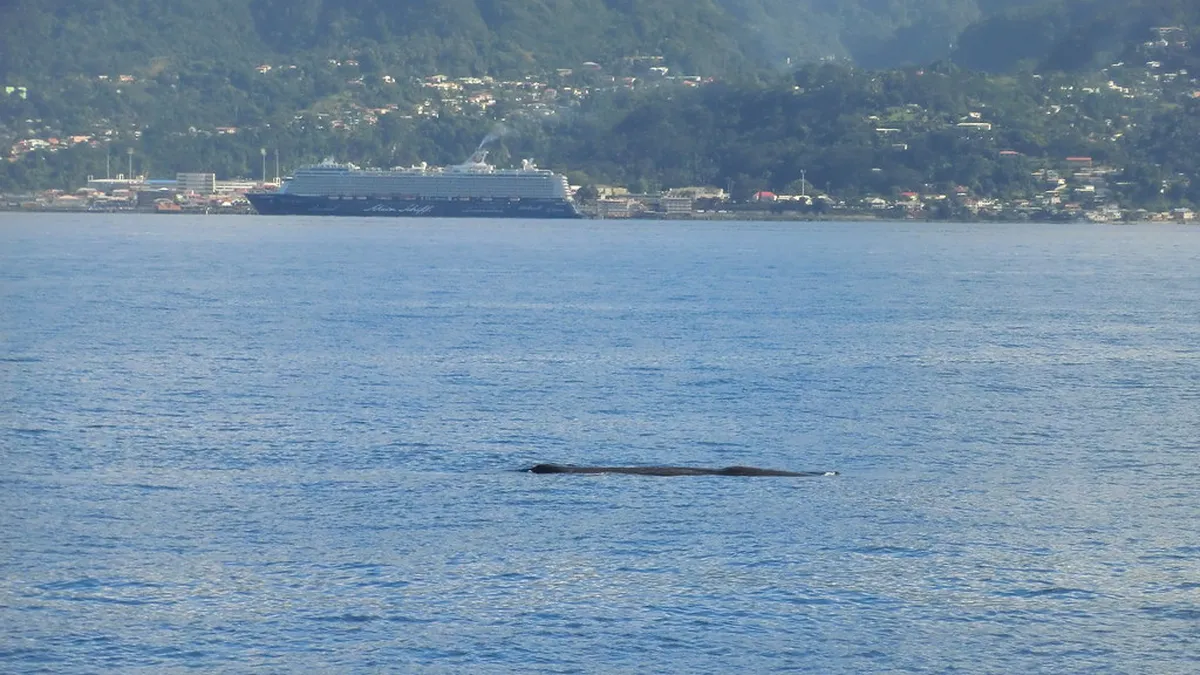
Sperm whales are the world's deepest-diving mammals, capable of descending to around 2,500 metres to hunt giant squid. They surface to breathe in predictable cycles: 10 to 15 minutes at the surface followed by dives of 40 to 60 minutes. Their bushy, forward-angled blow is one of the most distinctive identification features in cetacean watching. Watching one raise its flukes before a deep dive — the triangular tail lifting clear of the water — is the defining image of Azorean wildlife tourism.
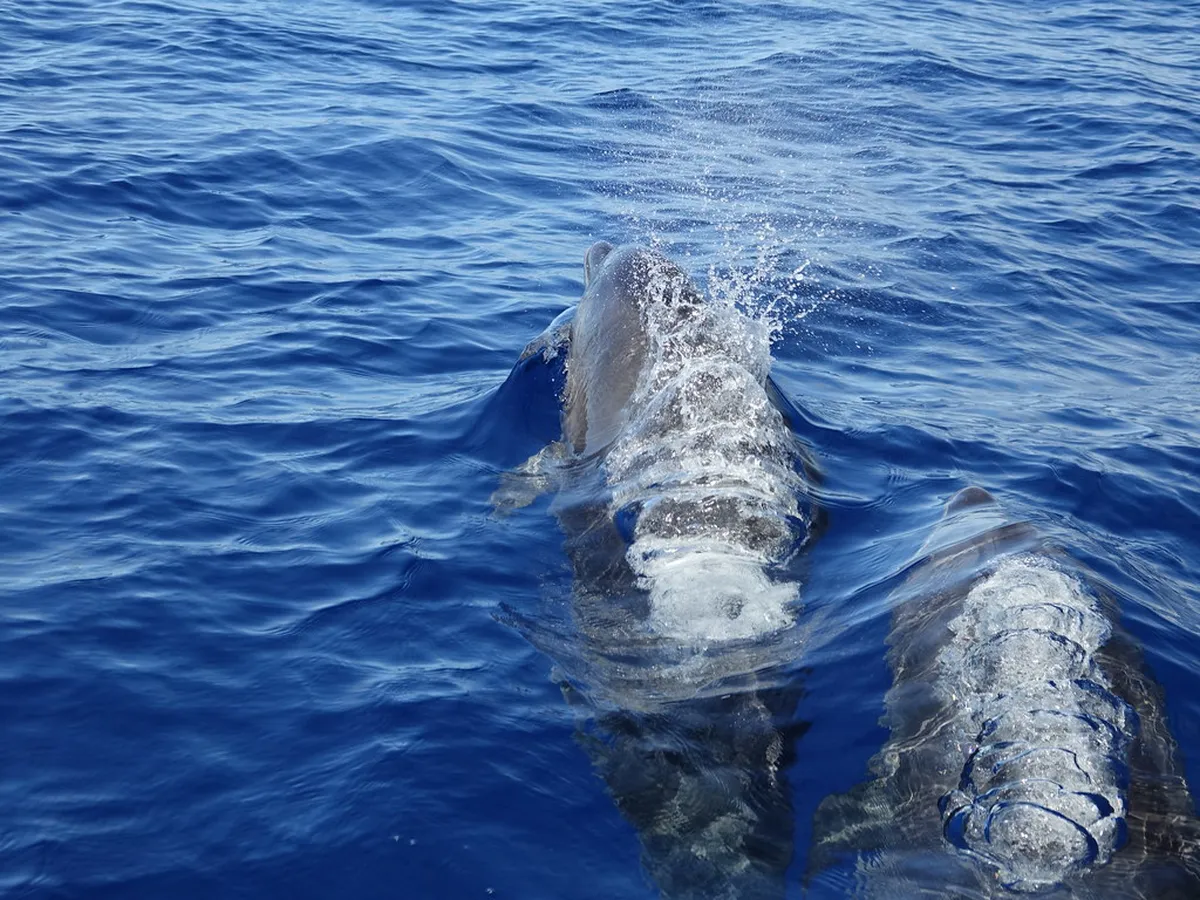
Dolphins are practically guaranteed on any tour regardless of season. Common dolphins and bottlenose dolphins regularly ride bow waves and approach boats closely. Atlantic spotted dolphins arrive in large numbers when surface water temperatures warm in summer. Risso's dolphins are also resident; they are recognisable by their scarred pale skin and tend to move slowly near the surface without approaching boats. Cuvier's beaked whales occasionally appear and are among the deepest divers of all mammals, reaching nearly 3,000 metres according to recent tracking data from the region.
Choosing Your Boat: Zodiac vs. Catamaran
The boat type you choose shapes the entire experience. Zodiacs — rigid inflatable boats that seat 10 to 12 passengers — sit low to the water and travel fast. This means you reach sighting coordinates from the Vigia quickly, and you are physically close to the ocean surface when a whale or dolphin appears beside the hull. The trade-off is instability on Atlantic swells. There is no toilet, no shelter, and nowhere to put a large bag. If you board a zodiac in choppy conditions, some passengers will get wet. Operators like Futurismo on São Miguel offer both types — their staff can advise which vessel is departing that day based on sea state.
Catamarans carry 30 to 60 passengers, have onboard toilets, covered seating, and an elevated observation deck. The higher vantage point is actually an advantage for spotting blows at distance — experienced photographers often prefer catamarans for this reason, despite the conventional wisdom that zodiacs put you closer to the animals. Catamarans also manage rough seas better, making them the sensible choice for families with children, anyone with limited mobility, and anyone who is uncertain about sea sickness. Speed is lower than a zodiac, so reaching distant sightings takes longer.
One practical note on sea sickness: the Atlantic around the Azores is genuinely rough on many days, even in summer. If you have any history of motion sickness, take medication at least one hour before departure — prescription Scopolamine patches or over-the-counter Dramamine both work well. Standing at the rear of the boat tends to reduce symptoms. Most operators also offer a free second trip if no whales are sighted. Look into the 10 Best Boat Tours in the Azores for 2026 for a broader comparison of multi-day and combined island excursions.
Responsible Whale Watching: Distance Rules and What to Expect
The Azores operates under Regional Decree 10/2011/A, which sets legally enforceable minimum approach distances for whale watching vessels. Boats must remain at least 50 metres from any cetacean under normal conditions; this increases to 100 metres for mother-calf pairs. Only two boats may be present near any single animal simultaneously, and boats must not position themselves in the animal's path. These rules apply to all licensed operators, and enforcement is real — fines for violations are substantial. This legal framework is stricter than what you will find in many competing destinations and it directly benefits the quality of your experience, since unstressed animals behave more naturally.
In practice, what this means on board: do not pressure guides to get closer, do not shout when whales surface, and keep camera flashes switched off. Operators routinely explain these guidelines before departure. Most vessels carry a marine biologist who acts as guide and enforcer simultaneously. The MONICET database, maintained by the University of the Azores, logs cetacean sightings from every licensed tour — your trip contributes to the research record, which is used to track species distribution and population trends across the archipelago. Organizations like Ocean Wise track whale sightings globally and work to prevent ship collisions with marine mammals in migrating waters.
Set realistic expectations. Even with the Vigia system and high historical success rates, whales are wild animals. You may travel 10 kilometres offshore and spend an hour watching a sperm whale surface between dives — most of the time seeing only its back and blow. Binoculars with a zoom of at least 8x and a camera with a telephoto lens of 200mm or more will give you a far more satisfying experience than a smartphone. A waterproof bag for your gear is not optional on a zodiac trip.
Under Regional Decree 10/2011/A, boats must stay at least 50 metres from any cetacean and 100 metres from mother-calf pairs — and only two boats may be near a single animal at a time. Do not pressure guides to move closer; violations carry significant fines and can disrupt the animals' natural behaviour.
Practical Tips for a Smooth Boat Trip
Book your whale watching tour for the first or second day of your stay, not the last. This gives you flexibility to reschedule if the operator cancels due to weather or sea conditions. Most reputable companies cancel when wave heights exceed around 2 metres, and they typically offer an alternative date or a full refund. Early morning departures — usually 08:00 to 09:00 — tend to have calmer seas and better light for photography; afternoon departures work in summer but can be choppier.
Dress in layers even if the forecast looks warm. Temperatures drop noticeably offshore, and spray adds to the chill. Quick-drying trousers, a base layer, and a wind and waterproof outer shell cover almost all conditions. Apply sunscreen before boarding, since reflected sunlight off the water causes burns even on overcast days. Polarized sunglasses cut the glare and make it significantly easier to spot blows and surfacing animals.
If you are on a zodiac, leave large bags at your accommodation. There is nowhere to store them and they become a hazard in rough seas. A small, zippered crossbody bag or a dry-bag is all you need. On both boat types, listen carefully to the safety briefing — it covers emergency procedures that matter given how far offshore boats travel. Most tours last between two and three hours; full-day tours that combine whale watching with a stop at a volcanic islet, such as Ilhéu de Vila Franca do Campo near São Miguel, are worth considering if you have the time.
From Hunting to Heritage: The History of Whaling in the Azores
The Azores hunted sperm whales commercially from the early 19th century through 1987, when the last whaling station on Pico closed. At its peak, Azorean whaling employed hundreds of families across multiple islands and supplied spermaceti oil used globally in cosmetics, lubricants, and lighting. Hunters used small open wooden boats called canoas and hand-thrown harpoons — a technique virtually unchanged from American whaling of the same era. The physical danger involved was enormous, and loss of life at sea was a regular part of island life.
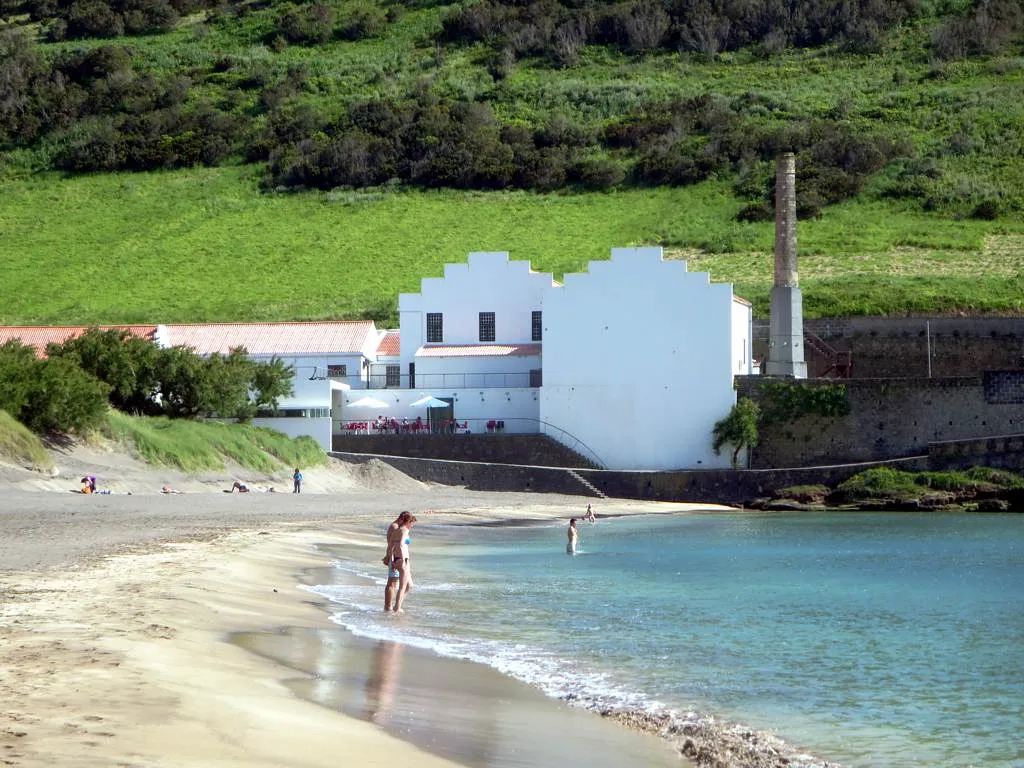
The transition to conservation was not instant. When whaling ended, former lookouts — the very men who once guided hunting boats to kills — began guiding tourist boats to sightings instead. Their Vigia skills transferred directly. Today, the Museu dos Baleeiros in Lajes do Pico preserves the canoas, harpoons, and personal testimonies of the last generation of hunters. Visiting Lajes Do Pico Whale Museum: Complete Visitor Guide before your boat trip gives the whole experience a different dimension. You come out understanding that the man in the Vigia tower you relied on to find your whale was trained by someone who once killed them.
Each August, Pico holds the Semana dos Baleeiros (Whalers' Week), a festival centred on rowing races using the original canoas. It is one of the most distinctive cultural events in the archipelago and runs alongside exhibitions and film screenings about the whaling era. The festival begins on the last Sunday of August. If your 2026 travel dates align with it, combining the festival with a whale watching trip makes for an unusually complete visit — you see the same animals that shaped this culture, through the eyes of a community that has made peace with what it once did to them.
Frequently Asked Questions
When is the best time to see blue whales in the Azores?
The best time to see blue whales is during their spring migration from March to June. April and May typically offer the highest probability of sightings as they move north. These giants are rarely seen during the late summer or winter months.
Which island is better for whale watching: Sao Miguel or Pico?
Sao Miguel is better for accessibility and variety of tour types, while Pico offers a more traditional experience. Pico is often preferred by enthusiasts because of its deep whaling history. Both islands have high sighting rates throughout the peak season.
Is a zodiac or catamaran better for whale watching?
A zodiac is better for speed and getting close-up photos at water level. A catamaran is better for families and those who suffer from sea sickness. Your choice depends on your comfort level with rough Atlantic waves.
What species of whales can you see in the Azores year-round?
Sperm whales are the most famous year-round residents in the Azores. You can also see common dolphins, bottlenose dolphins, and Risso's dolphins during any month. Check our Azores 7-day itinerary to plan your wildlife stops.
How does the 'Vigia' system work in the Azores?
The Vigia system uses land-based lookouts stationed in coastal towers. These experts use powerful binoculars to spot blows and splashes far out at sea. They radio the boat captains to guide them directly to the animals' location.
Whale watching in the Azores in 2026 remains one of the most accessible and high-probability wildlife experiences in the Atlantic. The combination of deep-water habitat, the Vigia sighting system, strict regulatory oversight, and year-round sperm whale residency means this is not a "maybe" destination — it is a place where the encounter genuinely happens most of the time. Choose your island based on your target species, pick your boat type based on your tolerance for rough seas, and book early in your trip to give yourself room to reschedule around weather.
Pair this with our broader Azores tourist attractions guide for the full archipelago overview.