Horta Marina Faial Azores: The Ultimate Guide for Travelers
Discover Horta Marina in Faial, Azores. Explore the famous wall paintings, visit Peter Café Sport, and get essential sailing facilities and weather tips.
On this page
Horta Marina Faial Azores
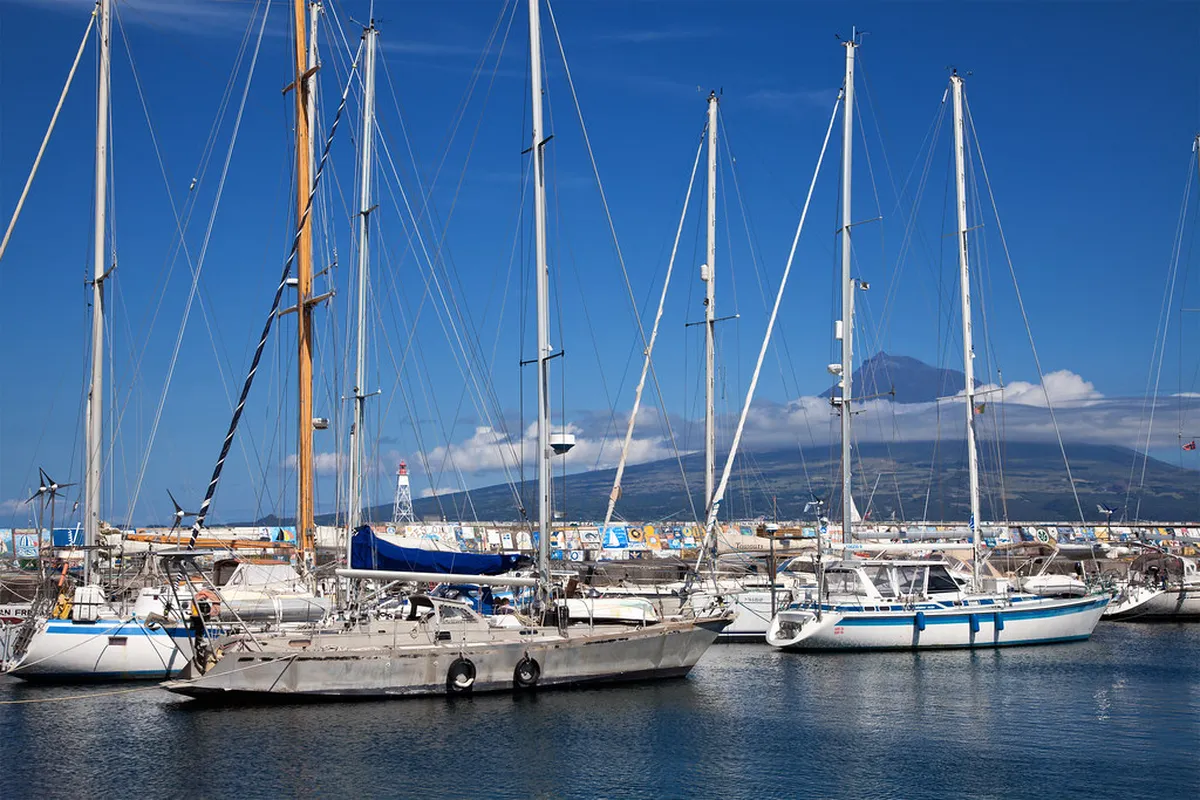
Horta Marina is the fourth most visited recreational marina in the world and the undisputed hub of Atlantic sailing. Positioned on the southeast coast of Faial Island, it sits at the crossroads of transatlantic routes between the Americas and Europe, making it an almost mandatory stopover for bluewater yachts. Visitors who arrive by plane find the harbor equally rewarding — the combination of colorful wall murals, legendary café culture, and views across to the volcanic cone of Pico is unlike anything else in Portugal. Exploring the marina is the natural starting point for anyone discovering the best 14 Essential Tips and Things to Do in Faial Island Azores during their stay.
The History and Legend of Horta Marina
Horta has served as a port of call for centuries, sheltering merchant vessels, explorer ships, and modern yachts alike. The city's maritime vocation is so deep that it earned the nickname the "City of Sailors" long before the first concrete berths were poured. The modern Marina da Horta was formally inaugurated in 1986, bringing professional infrastructure to a harbor that had operated informally for generations. That upgrade transformed Horta from a basic anchorage into one of the most organised bluewater marinas in the Atlantic.
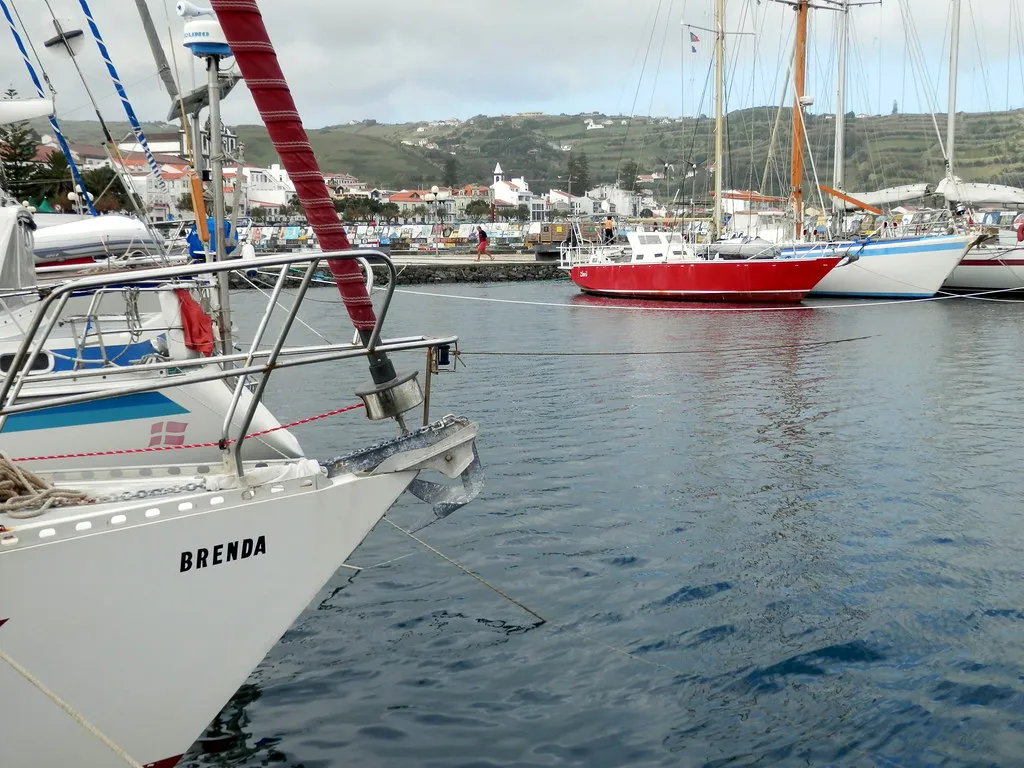
The marina holds the European Blue Flag continuously since 1987 — one of the longest unbroken records in Portuguese marinas. The flag signals environmental standards, water quality, and safety management that crews from every corner of the world have come to rely on. International regattas cemented Horta's global reputation throughout the 1990s and 2000s, and the calendar of racing events remains busy in 2026. Arriving crews encounter a living maritime culture rather than a simple transit stop.
Legend insists that a sailor who leaves a painting on the marina wall will return safely from the sea. Nobody knows who started the tradition, but one early crew left a simple souvenir on the breakwater and others followed. The wall is now a continuous open-air archive of voyages, hull designs, and nationalities. That legend, earnestly believed by many experienced bluewater sailors, is what gives Horta Marina its atmosphere of communal purpose.
Essential Facilities and Port Information
Marina da Horta lies 50 metres from the city centre of Horta, making reprovisioning quick on foot. The facility holds its Blue Flag certification and is managed by Portos dos Açores. Technical details for passage planning are available on the Official Portos dos Açores — Marina da Horta website. The marina monitors VHF channels 10 and 16; call on channel 16 when approaching and switch to channel 10 once contact is established with the harbour master.
The marina offers around 240 visitor berths with power (220 V) and water piped to each pontoon. Maximum draft accepted at the main visitor quay is 5.0 metres. Fuel is available on the quay. Free Wi-Fi covers the pontoon areas. Laundry facilities, clean showers, and a chandlery are within the marina complex. Security staff patrol around the clock, which matters when a crew needs to leave a vessel unattended for sightseeing.
- Berths: approximately 240 visitor spaces
- Maximum draft: 5.0 metres
- VHF: call on channel 16, working channel 10
- Power: 220 V connections at all berths
- Fuel: diesel and petrol available on the quay
- Blue Flag certification: held continuously since 1987
Demand peaks during the May–June transatlantic arrival window and again in August for the racing season. Contacting the harbour master by VHF or email several days in advance is strongly recommended during those months. Out of season — October through March — the marina is much quieter and berths are easy to find, though some services reduce their hours.
The marina monitors VHF channels 10 and 16 — call on channel 16 when approaching and switch to channel 10 once contact is established with the harbour master. Maximum draft accepted at the main visitor quay is 5.0 metres.
The Open-Air Art Gallery: Marina Wall Paintings
The tradition of painting the marina walls began as a simple superstition among transatlantic sailors but has grown into one of the most remarkable outdoor galleries in the world. Thousands of individual artworks cover almost every inch of the breakwater and jetty walls, each one a record of a successful ocean crossing. Boat names, flag combinations, hull silhouettes, and handwritten dates form a dense mosaic that is still expanding in 2026.
For sailors who want to add their own mark, the process is straightforward but requires a little planning. Dedicated marine paint in small tins is available from the hardware stores on Rua Serpa Pinto and at a few chandleries near the marina. Water-based exterior paint also works and cleans up more easily aboard. The best approach is to sketch your design on paper first, transfer the outline to the wall with chalk, then fill it in — damp wall surfaces are common in the mornings so afternoon is the preferred time to paint.
Finding an empty patch of wall has become genuinely difficult. The southern face of the main breakwater retains the oldest and most photographed pieces; the inner jetty walls and the newer concrete sections to the north still have gaps. Arriving crews often walk the entire wall on their first morning to scout a suitable spot. Once painted, works are left in place as long as weathering allows — a painting from the 1990s and a painting from last month sit side by side without hierarchy.
Non-sailors find the wall equally compelling. Exploring it is a highlight of many Island Hopping Azores Guide: Routes, Ferries & Flights itineraries. A slow walk from the marina entrance to the far end of the breakwater takes about forty minutes and covers a century of maritime history.
Peter Café Sport: The Heart of Horta's Sailing Culture
Peter Café Sport is more than the most famous bar in the Azores — it functions simultaneously as a sailors' post office, a currency exchange, a scrimshaw museum, and a community notice board for the ocean-crossing community. The café has operated for over a century on the same corner near the marina entrance, and its role in the sailing world is genuinely functional rather than merely symbolic. Crews bound for the Mediterranean list the Peter's address when they need to receive mail mid-ocean.
The upper floor houses the Scrimshaw Museum, a collection of intricate carvings on whale bone and teeth that reflects Faial's deep historical connection to whaling. Entry is free with a drink purchase at the bar. The café staff provide local weather summaries and can advise on conditions in the Faial Channel. Currency exchange rates at Peter's are reasonable for a convenience service, which matters when a crew arrives after weeks at sea with foreign cash and no time to find a bank.
The drink most associated with Peter's is a gin and tonic, though the rum selection is extensive. Prices are moderate given the global fame of the venue — a gin and tonic runs approximately €4–5. The atmosphere on a summer evening, when crews from a dozen different countries share tables, represents the cosmopolitan spirit that defines Horta better than any brochure. It is also one of the reliable spots in Horta to book a 8 Essential Things to Know About Whale Watching in the Azores excursion during the peak season.
The upper floor of Peter Café Sport houses a free Scrimshaw Museum — a collection of intricate carvings on whale bone and teeth. Entry is free with a drink purchase at the bar, and the café staff can also provide local weather summaries for the Faial Channel.
Arriving Sailors: Customs and Check-In Procedures
No competitor guide covers this in detail, but it is the first practical question every transatlantic crew asks. Horta is a port of entry for Portugal and therefore the European Union. Non-EU yachts arriving directly from outside the Schengen Area must follow a specific sequence: fly the yellow Q flag from the starboard spreader on approach, call the harbour master on VHF 16 before entering the marina, and proceed directly to the designated customs quay without going ashore.

Once docked, the crew must report to the SEF (Serviço de Estrangeiros e Fronteiras — border police) office located in the marina building. Opening hours are typically 09:00–17:00 on weekdays; crews arriving outside those hours should remain aboard until the office opens the following morning. EU citizens arriving from EU ports complete a simplified check-in with only the harbour master. Customs clearance for the vessel itself is handled through the Alfândega (customs office), which also has a presence in the marina complex.
Practical details that save time: carry four copies of the crew list (full name, passport number, nationality, date of birth) and four copies of the ship's papers. The harbour master's office can photocopy documents for a small fee. Health regulations for vessels arriving from non-EU ports require presenting a Maritime Declaration of Health — the harbour master's team will request this on first contact. Once cleared, the Q flag comes down and the crew is free to explore the island.
Practical Tips for Visiting Horta Marina
The marina is located right in the centre of Horta, making it easy to explore on foot. Visitors can find the exact coordinates using the Google Maps Location — Marina da Horta for navigation. Parking is available nearby for those who choose to rent a car to see the rest of Faial. Walking from the docks to the main shopping street takes less than five minutes.
Dining options near the water are excellent. Genuíno's restaurant is the standout choice for seafood — the owner, Genuíno Marques, is the first Portuguese sailor to circumnavigate the world solo, twice, aboard his boat "Hemingway." The dining room reflects his voyages with nautical décor and views over Porto Pim Bay. Reservations are essential during the summer peak and advisable from late April onward in 2026. Early evening — around 19:00 — is the ideal time to arrive at the harbor to catch the sunset over the masts before dinner.
The racing season brings specific busy periods worth knowing: the ARC Europe rally typically passes through Horta in May–June, while the Ceuta-Horta race, OCC Azores Pursuit Race, and La Route des Hortensias arrive at various points from June through September. If you want the marina at its most animated, aim for early June. If you prefer quieter access to berths and the wall paintings, early May or October work well. The ferry terminal at the southern end of the marina connects to Pico Island — crossings take about 30 minutes and run several times daily.
Nearby Attractions in Horta City
Porto Pim Bay is a short walk south from the marina and offers a sheltered sandy beach. The area was once the centre of Faial's whaling industry, and the Porto Pim Whaling Station now operates as a museum documenting that history. The calm waters are suitable for swimming from June through September. The old fortifications around the bay were built to protect Horta from Atlantic pirates and are worth exploring for their views alone.
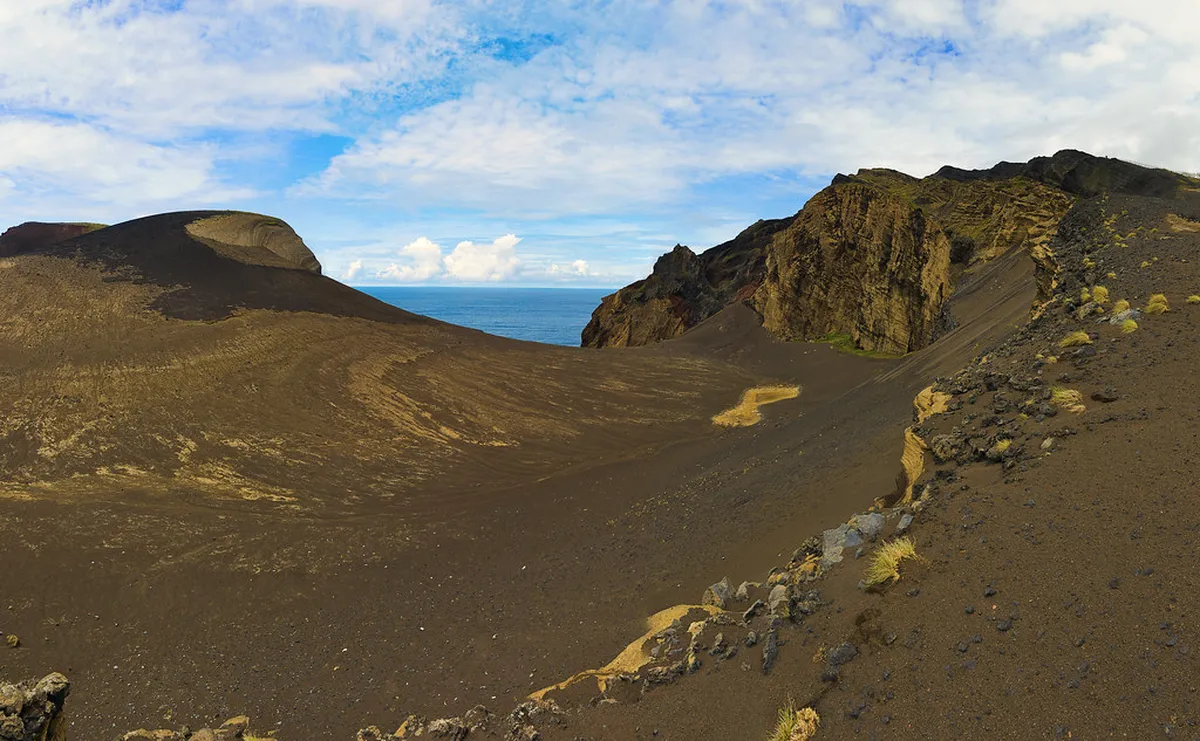
A trip to the Capelinhos Volcano Faial: Complete Visitor Guide & History is essential for anyone spending more than a day in Horta. The 1957–58 eruption added two square kilometres to the western tip of Faial and left a lunar landscape that remains largely untouched. The underground interpretation centre beneath the old lighthouse explains the eruption in detail and its effect on the island's population. The drive from the marina takes approximately 25 minutes through the village of Praia do Norte.
Monte da Guia, the volcanic headland immediately south of Porto Pim Bay, provides the best panoramic view of the marina and the Faial Channel. The 30-minute walk to the summit is moderately steep. From the top you see the full arc of Horta, Pico's cone rising across the water, and on clear days the outline of São Jorge to the northeast. Photography from here at golden hour — roughly 20:00 in summer — is exceptional.
Weather and Sailing Conditions in the Faial Channel
The Faial Channel between Horta and Pico Island presents specific navigation challenges that go beyond ordinary coastal sailing. Tidal currents are strong: the flood tide runs to the north, while the ebb pulls hard back into the bay. Sailors who underestimate the ebb current on a light-wind day can find themselves set significantly off course during the approach to the marina entrance. The main entrance bearing is approximately 285° along the Boa Viagem line through Igreja do Carmo, maintained until the harbour lights align.
Wind behaviour in the channel is complicated by the mass of Pico Island, whose summit at 2,351 metres creates wind shadows and channelling effects at low to moderate wind speeds. Gusts can accelerate suddenly through the northern end of the channel when southwest winds dominate. The lighthouse of Boa Viagem on the Horta breakwater is the primary reference mark for nighttime approaches. Vessels arriving in reduced visibility should proceed slowly and maintain a continuous watch on VHF 16.
The marina interior is well sheltered once past the main breakwater. Spring (April–June) and autumn (September–October) offer the most stable conditions for passage work. Winter storms can produce swells that affect the entrance and occasionally close the port to traffic for 24–48 hours. Always confirm current port status with the harbour master before a scheduled arrival, particularly between November and March.
Connecting to Other Azorean Islands
Horta is the natural hub for exploring the central group of the Azores. Pico Island is 30 minutes by ferry, Pico Marina itself reachable under sail in under an hour on a fair day. The range of 14 Best Things to Do on Pico Island, Azores — climbing the volcano, wine-tasting in the UNESCO-listed vineyards, or diving in crystal-clear water — makes the crossing worthwhile for any traveler. Charter companies in Horta offer bareboat and skippered boats for multi-island hops across the central and eastern groups.
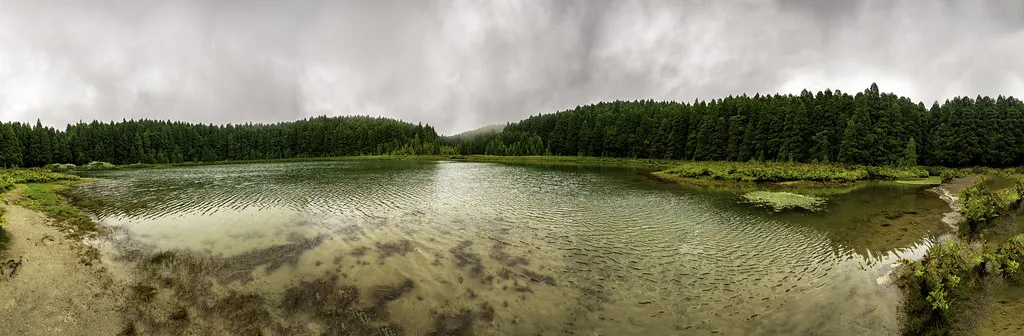
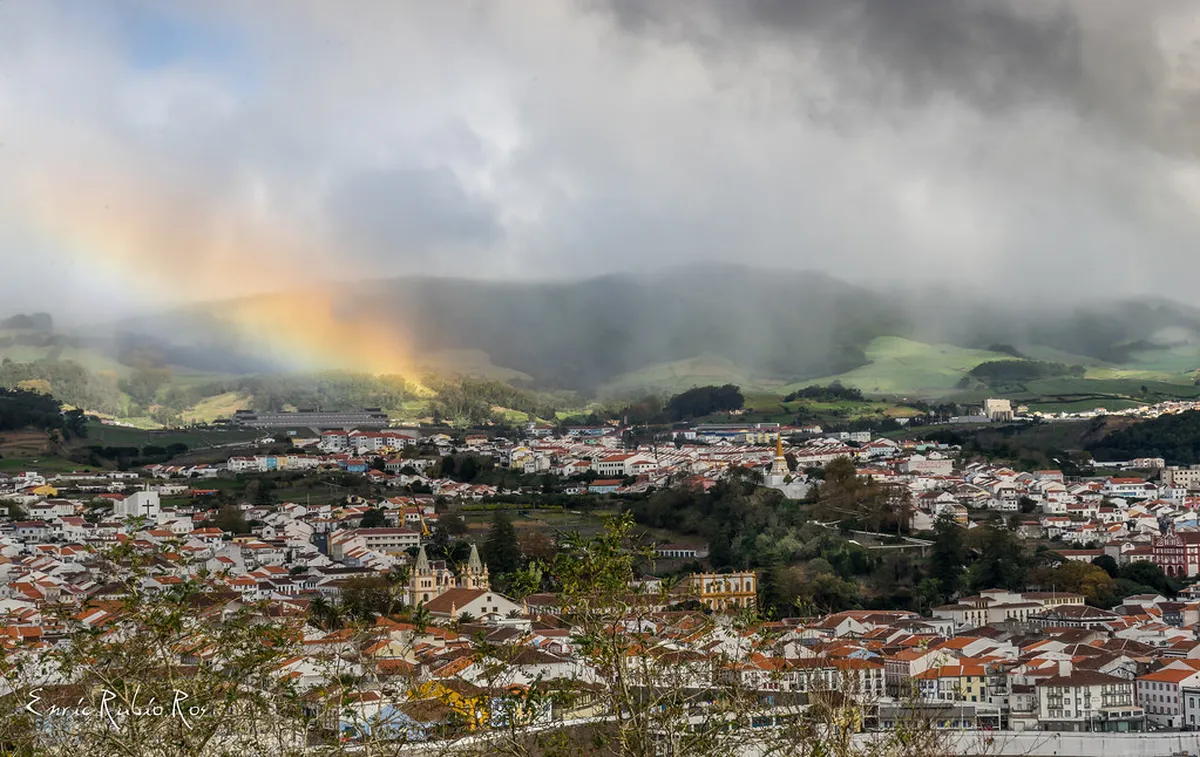
For island-hopping by ferry, SATA (the regional ferry operator) connects Faial to Pico, São Jorge, and Terceira from the ferry terminal at the southern end of the marina. Terceira's Angra do Heroísmo marina is about 68 nautical miles to the east under sail; by fast ferry it is a daytrip. More details on Terceira's sights are in the 12 Best Things to Do in Terceira Azores guide. For those continuing east, Ponta Delgada marina on São Miguel sits 150 nautical miles away and marks the gateway to the eastern group. Horta's central position in the archipelago makes it the most logical base for a multi-island itinerary in 2026.
Frequently Asked Questions
Why do sailors paint the walls at Horta Marina?
Sailors paint the walls because of a long-standing superstition that leaving a mark ensures a safe voyage across the Atlantic. This tradition has created a massive open-air gallery featuring thousands of colorful ship logos and names from around the world. You can see many of these during 15 Best Azores Tourist Attractions: 2026 Travel Guide tours.
Is Peter Café Sport actually a post office?
While not an official government branch, Peter Café Sport has functioned as an informal post office for sailors for decades. Crews use the café address to receive mail and packages while they are in transit across the ocean. The staff manages this service with great care for the maritime community.
What is the best time of year to visit Horta Marina?
The best time to visit is between May and September when the weather is mild and the marina is full of yachts. This period coincides with the peak sailing season and various local festivals. You will experience the most vibrant cosmopolitan atmosphere during these warm summer months.
How many berths are available at Marina da Horta?
The marina currently offers approximately 240 visitor berths for vessels of various sizes. It can accommodate yachts with a maximum draft of up to five metres in certain sections. Demand is very high during the spring transatlantic crossing season, so early contact with the harbour master is advised.
Horta Marina is one of those rare places where the function of a port and the soul of a destination are the same thing. Whether you arrive by sea after weeks offshore or by plane for a week on Faial, the harbor draws you in with equal force. The painted walls, the clinking glasses at Peter's, and the silhouette of Pico across the channel make Horta one of the most memorable stops in all of Portugal. Plan carefully, check conditions, and leave your mark — in paint or in memory.
 Porto To Aveiro By Train Travel GuideJune 8, 2026