
Lisbon Trams Guide: All Routes Beyond Tram 28 (2026)
Plan lisbon trams guide all routes with top picks, neighborhood context, timing tips, and practical booking advice for a smoother trip.
On this page
Lisbon Trams Guide All Routes
Lisbon's yellow trams are more than just a way to get around the hilly Portuguese capital.
They represent a living piece of urban history that connects modern travelers to the city's traditional neighborhoods and scenic viewpoints.
This lisbon trams guide all routes covers every active line in 2026 — fares, timetables, vehicle types, and the neighborhoods each route serves — so you can board with confidence.
For a broader overview of getting around, the Lisbon transport guide explains how trams fit alongside the metro, buses, and ferries.
Overview of Lisbon's Trams
Lisbon operates six tram routes, all run by Carris, the municipal transport company. The network splits into two distinct vehicle types: the historic Remodelado trams and the modern Siemens Articulado trams. Each type serves a different purpose, and knowing the difference before you arrive saves confusion at the stop.
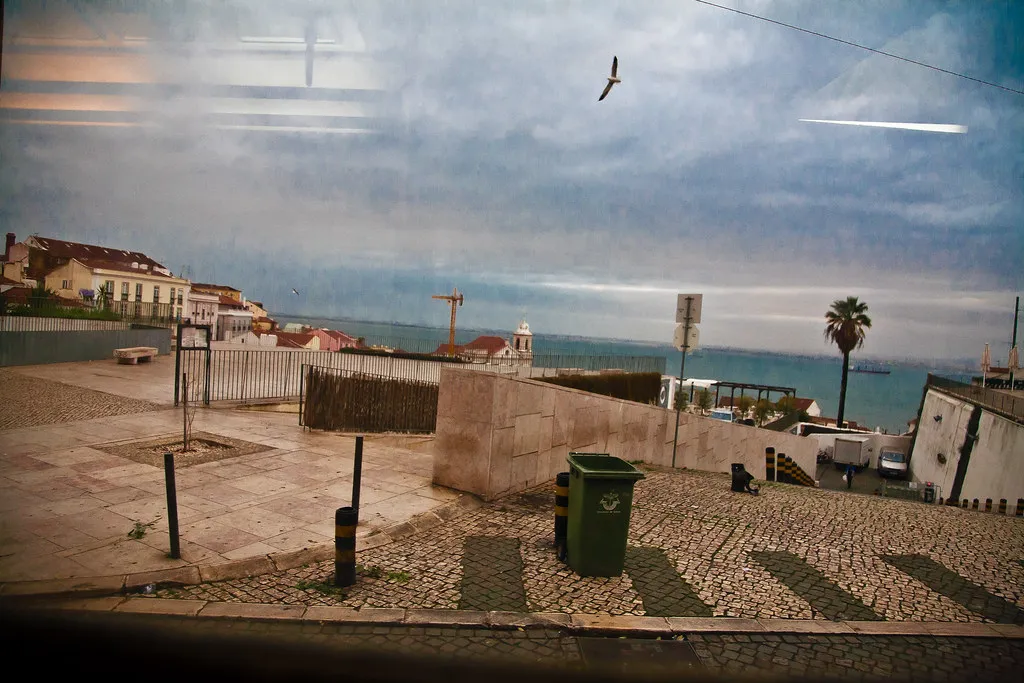
The Remodelado trams are the iconic narrow yellow cars that rattle through the medieval street grid of Alfama, Mouraria, and Chiado. They were originally built in the 1930s and were refurbished in the 1990s with new engines, brakes, and electronics — hence the name "Remodelado" (remodelled). The streets of Alfama are too steep and narrow for any other vehicle, so these single-carriage cars remain the only practical option. The tram tracks here are among the steepest in the world, and the carriages clear ancient overhanging buildings by centimetres at the tightest corners.
The Articulado trams are the large, modern articulated vehicles that operate only on the E15 route along the flat riverfront. They carry significantly more passengers and are far more accessible for travelers with pushchairs or mobility needs. Tickets on the Articulado are purchased from on-board machines — bring exact change, as the machines do not give notes back. The Remodelado routes sell tickets directly from the driver at the front.
All six routes accept the rechargeable Viva Viagem card, which reduces the per-journey cost significantly compared to buying a single ticket on board. A single ticket purchased from the driver or on-board machine costs €3.30 in 2026. Loading the card with credit (Zapping) or buying a 24-hour pass is almost always cheaper for anyone planning more than two trips in a day.
E28: The Classic Route Through Alfama and Chiado
The E28 runs from Martim Moniz in the east to Campo de Ourique (Prazeres) in the west, passing through the Graça, Alfama, Baixa, Chiado, and Estrela districts. It is the most famous tram route in Lisbon and one of the most photographed in Europe. The full end-to-end journey takes approximately one hour, making it a genuine low-cost city tour.
Key stops worth noting: Largo das Portas do Sol is the best point to alight for the São Jorge Castle and the viewpoint over the rooftops of Alfama. The Sé Cathedral is directly on the route in Alfama. Chiado is the midpoint and the most crowded boarding spot — if you board here mid-morning, the tram is almost always full. Estrela is where you pass the Basilica and reach the Jardim da Estrela, one of the finest public gardens in the city.
The E28 runs from 07:00 to 23:00 daily with at least four departures per hour at peak times. Between 10:00 and 18:00, it operates at standing room only for most of the route. Board at Martim Moniz or Campo de Ourique at the start of the day to guarantee a seat. For a dedicated deep-dive, the the historic Tram 28 guide covers every stop and timing strategy in detail — this article focuses on the other five routes that most visitors overlook.
E15: The Belém Link Along the Riverfront
The E15 connects Praça da Figueira in central Baixa to Algés in the west, running the entire length of the riverfront through Cais do Sodré, Santos, Alcântara, and Belém. It uses the modern Articulado vehicles, which means it is the most accessible route for travelers with luggage, buggies, or wheelchairs. The journey from Praça da Figueira to Belém takes around 25–30 minutes depending on traffic.
Belém is the primary reason most visitors use this route. The Jerónimos Monastery, the Belém Tower, the Monument to the Discoveries, the National Coach Museum, and the MAAT contemporary art museum are all within a ten-minute walk of the Belém tram stops. Arriving before 09:30 means shorter queues at the monastery and the tower. The route also passes the LX Factory creative market and the Santo Amaro Docks, both worth a stop on weekends.
The E15 runs from 07:00 to 23:00 and is the most frequent route on the network. Be alert with valuables on this route — pickpockets specifically target it because of the tourist concentration, particularly between Cais do Sodré and Belém. Keep bags in front of you and zip all pockets before boarding. Combine this with the Lisbon buses guide if you need to continue further west than Algés.
E12, E24, E25, and E18: The Routes Locals Actually Use
The four remaining routes see far fewer tourists and often have available seating even during peak hours. They cover distinct neighborhoods and serve practical local trips as much as sightseeing. Understanding what each one is good for helps you choose the right line rather than defaulting to the crowded E28 every time.
The E12 runs as a one-directional clockwise loop from Praça da Figueira through Martim Moniz, Mouraria, and Alfama, ending back in the Baixa. It follows the scenic section of the E28 through Alfama and is a useful alternative when the E28 is full. The loop is short — about 20 minutes — and terminates at Praça da Figueira before the route through Chiado and Estrela. It operates until 20:00, so it is not suitable for evening rides.
The E24 departs from Praça Luís de Camões in Chiado and climbs to Campolide via Príncipe Real, Rato, and Amoreiras. This is the quietest route using Remodelado trams — board near Rato metro and walk southward through Príncipe Real to explore the neighborhood's independent shops and garden squares at your own pace. The E25 runs from Praça da Figueira to Campo de Ourique via Santos, Lapa, and Cais do Sodré, passing the National Museum of Ancient Art (alight at Santos stop, two-minute walk). Note: the E25 does not run on weekends, which catches many visitors off guard.
The E18 now operates from Cais do Sodré to Belém only — an important change from older guides. The route previously extended to the Ajuda district and the Ajuda National Palace, but extended repair work has permanently altered the terminus. To reach Ajuda Palace in 2026, take the E18 to its current Belém terminus and then switch to bus 742. The E18 does not run on Sundays and finishes after the evening rush hour on weekdays, so check the current timetable at carris.pt before planning an afternoon trip.
Fares, Tickets, and Timetables in 2026
A single tram ticket bought on board costs €3.30. On the Articulado (E15), you pay at the on-board ticket machine before finding a seat — bring exact coins, as the machines do not dispense notes. On the Remodelado routes, you buy from the driver at the front door. Both scenarios are slow when the tram is crowded, so preloading a Viva Viagem card before you board is the practical choice for most visitors.
The 24-hour unlimited transport pass (€6.70 in 2026) covers all trams, buses, the metro, and the Santa Justa Lift. It is worth buying if you plan three or more tram journeys in a single day. The 48-hour and 72-hour passes are proportionally cheaper still. Purchase them at any metro station vending machine or at the Carris kiosk near Cais do Sodré. The same Viva Viagem card reloads between visits, so keep it if you plan to return to Lisbon.
A single tram ticket bought on board costs €3.30, but the 24-hour unlimited pass (€6.70) covers all trams, buses, the metro, and the Santa Justa Lift — making it better value if you plan three or more journeys in a day. Load credit onto a Viva Viagem card at any metro station vending machine before you board.
Real-time arrival information is displayed at digital boards installed at all major tram stops. These are far more reliable than printed timetables, which do not account for traffic delays or parked cars blocking the tracks — both are regular occurrences. The Carris app gives the same real-time data for stops away from the main hubs. Always have a backup walking route in mind: a blocked tram can wait ten minutes or more at a single stop while traffic clears.
One practical detail most guides leave out: on the older Remodelado trams and Carris buses, the unspoken convention is to board at the front (by the driver) and exit at the rear. Trying to exit through the front door will earn disapproving looks from locals. This rule applies to all Remodelado routes — E12, E24, E25, E28 — but not to the Articulado E15, where all doors are valid for boarding and alighting.
Funiculars, Lifts, and the Santa Justa Connection
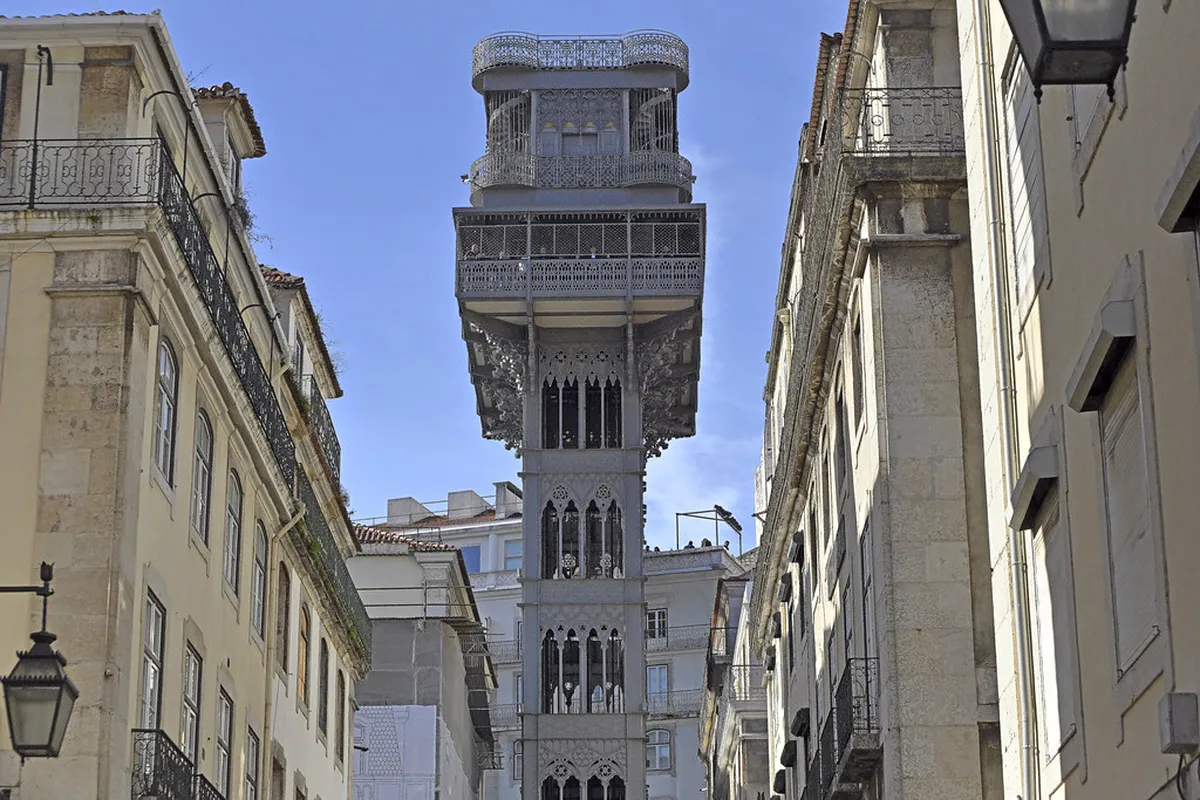
Three funiculars and the Santa Justa Lift complement the tram network by covering the steepest vertical climbs in the city. All are operated by Carris and accept the same Viva Viagem card. The Santa Justa Lift connects the Baixa directly to the Chiado plateau — it was designed in 1902 by a disciple of Eiffel and functions as a practical lift as much as a tourist attraction.
The Elevador da Glória runs from Restauradores up to Bairro Alto and the Jardim de São Pedro de Alcântara viewpoint. The Elevador da Bica connects Cais do Sodré with Bairro Alto and is the most photogenic of the three. The Elevador do Lavra, near Avenida da Liberdade, is the least visited and climbs to the quiet Jardim do Torel — a good escape from the tourist crowds. All three are national monuments.
Including one funicular in your day adds variety to the tram-based itinerary without adding much cost. A practical combination: take the E28 from Martim Moniz to Chiado in the morning, ride the Elevador da Bica down to Cais do Sodré, then board the E15 to Belém. This loop covers the main historic neighborhoods and the river in a single half-day using only Carris services.
Planning Your Tram Day: Timing and Safety
The single most effective strategy on the Lisbon tram network is starting early. The E28 and E15 fill to capacity between 10:00 and 18:00 every day of the week in peak season. Boarding at the terminus — Martim Moniz for the E28, Praça da Figueira for the E15 and E12 — before 09:00 guarantees a seat and better views from the window. Evening rides from 19:00 onward are scenic and far less crowded.
Pickpockets work the busy tourist routes, particularly the E28 and E15. Keep valuables in front pockets or an internal bag compartment. The moment to be most alert is when boarding and alighting at crowded mid-route stops like Chiado or Praça do Comércio. A secure money belt removes the risk entirely on full trams where close contact is unavoidable.
Pickpockets specifically target the E28 and E15 routes due to tourist concentration. Be most alert when boarding or alighting at busy mid-route stops like Chiado and Praça do Comércio — keep bags in front of you and zip all pockets before the tram arrives.
Families with children should note that the vintage Remodelado trams have no seatbelts and can lurch sharply on steep sections. Hold handrails firmly and make sure children are seated or gripping a pole before the tram moves. The E15's modern Articulado vehicles are smoother and more spacious — a better option for families with pushchairs. Board at the terminus to secure a space near the priority seating area.
Combining trams with the metro is often faster for cross-city moves. Use the the Lisbon Metro network to reach the outer edges of the historic center quickly, then switch to a tram for the final neighborhood-level navigation. The metro and trams share ticketing via the Viva Viagem card, so the switch is seamless. Download the Carris app to see live wait times before committing to a route.
Beyond the Trams: Day Trips from Lisbon's Rail Hubs
Once you are comfortable with the city trams, the same transport knowledge transfers directly to regional rail. Cais do Sodré station — a major tram terminus — is the departure point for trains heading west along the coast. The Lisbon to Cascais train takes 40 minutes and runs along the estuary and ocean, making it one of the most scenic commuter routes in Europe.
Rossio Station is the gateway for a Lisbon to Sintra day trip. The train journey takes 40 minutes and deposits you at the foot of the Sintra hills, within walking distance of the main palaces. Arrive at Rossio before 09:00 to avoid the mid-morning rush that makes the platform extremely crowded on summer weekends. The the Sintra train line guide covers the return schedule and palace logistics.
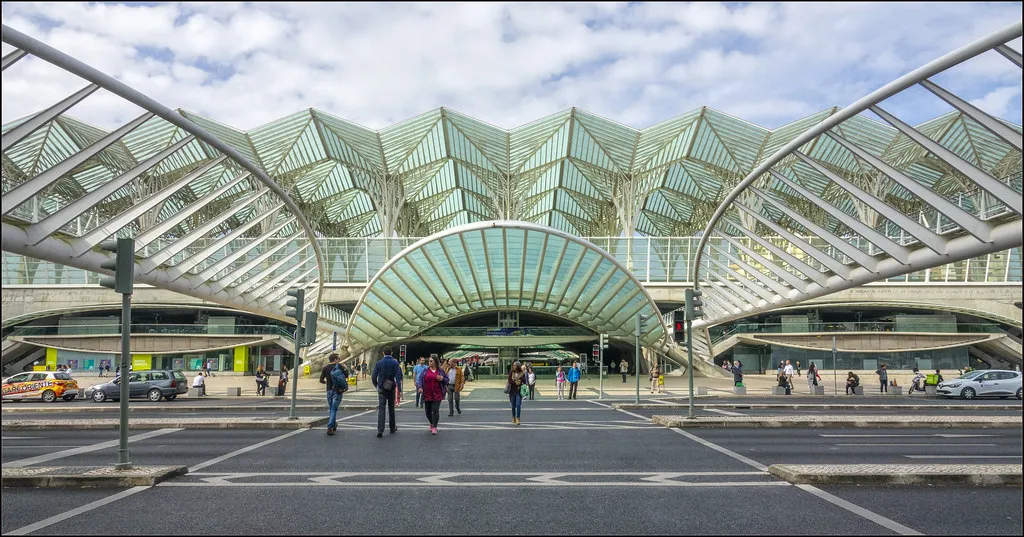
Sete Rios and Santa Apolónia serve longer-distance connections. You can catch a the Lisbon to Porto rail link from Santa Apolónia or the newer Oriente station, with the Alfa Pendular service taking under three hours. Buses from Sete Rios cover the Lisbon to Evora route into the Alentejo, roughly 90 minutes each way. Both stations connect to the central tram network via the blue and green metro lines, so your Viva Viagem card covers the whole chain from tram to intercity rail.
For a Lisbon to Cascais day trip, the simplest combination is the E15 tram to Cais do Sodré followed by the train west. After the tram ride along the waterfront, the beach-train extension feels natural rather than a separate trip. Check the last train back to Lisbon before committing to dinner in Cascais — evening services reduce after 21:00.
Frequently Asked Questions
Which lisbon trams guide all routes options fit first-time visitors?
First-time visitors should prioritize the E28 and E15 routes. The E28 offers a scenic tour through historic districts like Alfama. The E15 is essential for reaching the monuments in Belém. Using the Tram 28 in Lisbon provides the most iconic experience for newcomers.
How much time should you plan for lisbon trams guide all routes?
A full trip on the E28 tram takes about one hour from end to end. You should allow at least half a day to explore the major stops along the E15 route in Belém. Factor in potential wait times of 20-30 minutes during peak tourist seasons in 2026.
What should travelers avoid when planning lisbon trams guide all routes?
Avoid boarding the E28 tram at mid-day stops like Chiado where it is usually full. Do not buy single tickets from the driver as they cost much more than using a prepaid card. Be wary of pickpockets in crowded cars and avoid standing near the doors where they often operate.
Is lisbon trams guide all routes worth including on a short itinerary?
Yes, riding a tram is a quintessential Lisbon experience even on a one-day trip. It allows you to see several historic neighborhoods without the physical strain of climbing steep hills. A single ride on the E28 provides a comprehensive overview of the city's traditional character very quickly.
Navigating the Lisbon tram network is a highlight of any trip to the Portuguese capital.
By following this lisbon trams guide all routes, you can explore the city's history and culture with ease.
Remember to use your Viva Viagem card and start your journeys early to avoid the largest crowds.
Whether you are heading to the beaches of Cascais or the palaces of Sintra, the trams are your gateway to adventure.

 Lisbon To Coimbra By Train Travel GuideMay 26, 2026