Lisbon to Porto Train: Tickets, Schedules & Travel Guide
Plan your trip from Lisbon to Porto by train. Compare Alfa Pendular vs. Intercidades, find cheap tickets (up to 65% off), and navigate the stations like a local.
On this page
Lisbon to Porto Train Travel Guide
Traveling between Portugal's two largest cities is simple and efficient when you choose the rail network. The Lisbon to Porto train connects the historic capital with the scenic northern coast in just a few hours. Most travelers prefer this route over driving because it offers relaxing views and central station access. Understanding the different train types and station layouts will help you have a stress-free journey.
You can easily integrate this trip into a broader Lisbon transport guide plan for your vacation. The national rail operator provides frequent daily services that cater to both business and leisure travelers. Booking your seats in advance can lead to significant savings on your total travel costs. This guide covers everything from ticket prices to the best seats for coastal views.
Lisbon to Porto Train Journey Overview
The train journey from Lisbon to Porto is one of the most popular routes in Western Europe. It covers a distance of roughly 300 kilometers while cutting through the heart of the Portuguese countryside. Most high-speed services complete the trip in approximately two hours and forty-five minutes. Standard express trains take slightly longer at around three hours and fifteen minutes.
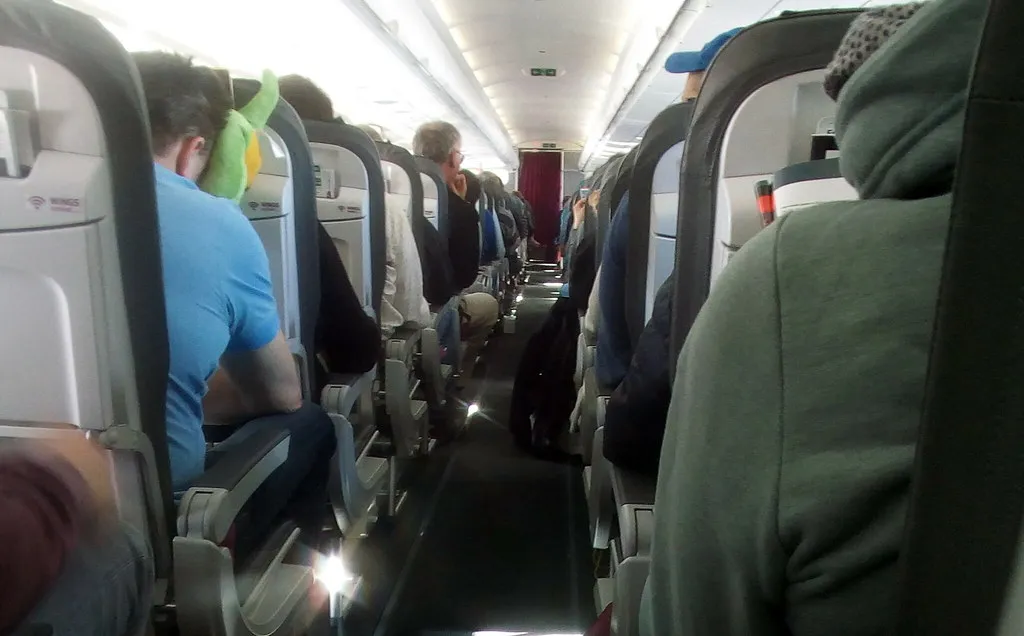
You will find trains departing almost every hour from early morning until late at night. This high frequency makes it easy to plan a day trip or a longer stay in Porto. The rail line is well-maintained and provides a smooth ride across the rolling hills of central Portugal. In 2026, CP continues to invest in track upgrades on the northern corridor, making the service more punctual than ever.
Travelers enjoy the convenience of arriving near city centers rather than distant airports. Taking the train removes the stress of navigating traffic or finding expensive parking in historic districts. It is often the most sustainable and cost-effective way to explore Portugal's two most visited cities. The journey takes you through Coimbra and Aveiro, both worth a stop on a slower trip back.
Alfa Pendular vs. Intercidades: Which Train to Choose?
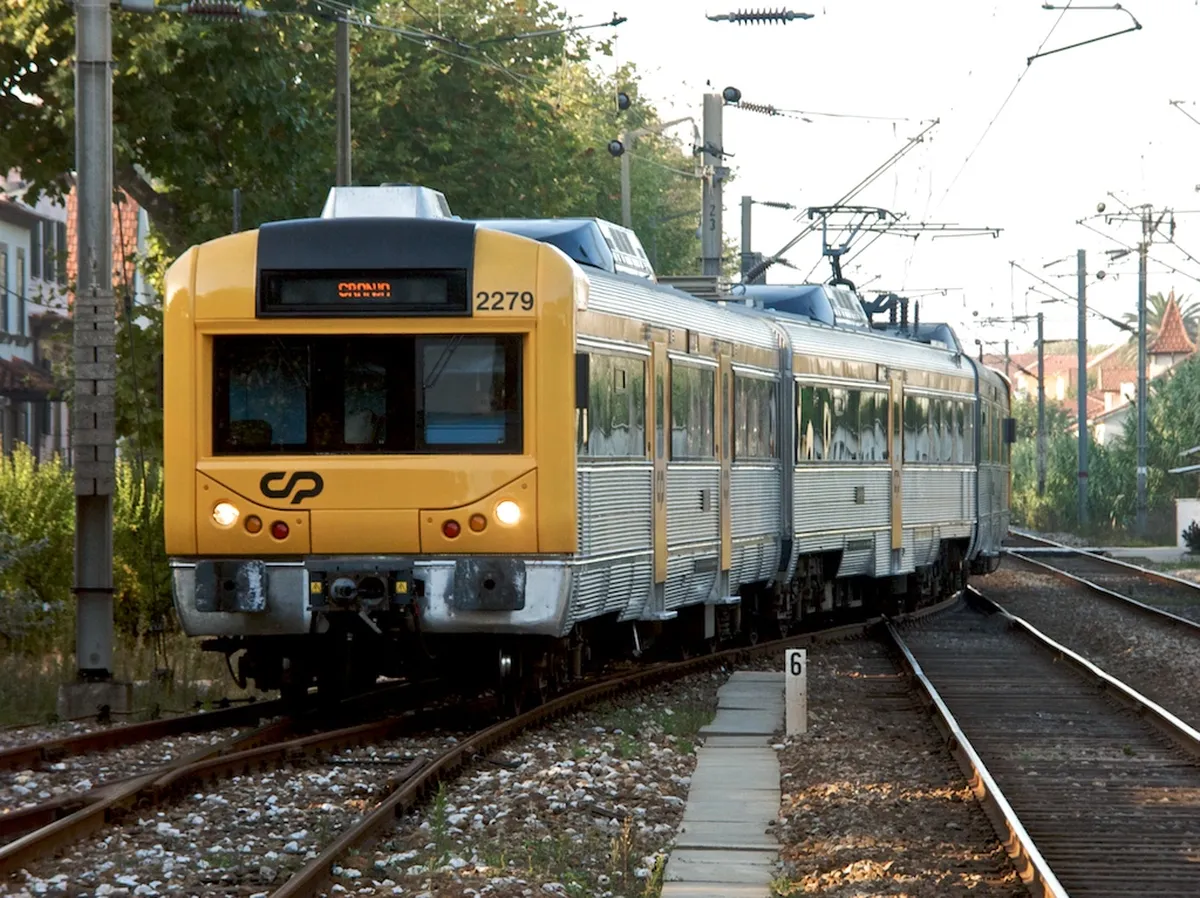
Passengers can choose between two primary service levels operated by Comboios de Portugal (CP). The Alfa Pendular (AP) is the premium high-speed option that uses tilting technology to maintain speed through curves. It reaches up to 220 km/h and features free Wi-Fi, leather seats, and power outlets at every seat. This is the best choice for travelers who prioritize speed and a higher level of comfort.
The Intercidades (IC) service acts as the standard express train with more stops along the route. While it is slightly slower than the AP, it remains a very comfortable and reliable way to travel. Ticket prices for the IC are generally lower, making it ideal for budget-conscious travelers and anyone who wants to stop in Coimbra or Aveiro along the way. Both train types offer first-class and second-class carriages with assigned seating for every passenger.
Choosing between them often comes down to your schedule and budget. The Alfa Pendular usually costs a few euros more but saves roughly thirty minutes of travel time. On the IC, the ride is quieter at lower speeds and the countryside views are easier to take in without the train tilting through bends. Both services maintain a high standard of cleanliness and professional onboard staff throughout.
- The Alfa Pendular is Portugal's fastest domestic service, cutting the journey to around 2 hours and 45 minutes with tilting technology and seats that include a power outlet and free Wi-Fi.
- The Intercidades takes around 3 hours and 15 minutes, stops at Coimbra-B and Aveiro, and costs noticeably less — making it the right pick if you have flexible timing or want to break the journey.
- Both services assign seats and operate daily from early morning, so there is no standing-room risk on either train.
Both Alfa Pendular and Intercidades trains offer assigned seating, so you are guaranteed your reserved spot with no risk of standing. If you want the fastest trip, choose the Alfa Pendular; if you want to stop in Coimbra or Aveiro, opt for the Intercidades.
Navigating the Stations: Lisbon and Porto
In Lisbon, your journey will typically begin at either Santa Apolónia or Oriente station. Santa Apolónia is located right at the edge of the Alfama district and is ideal if you are staying in the historic center or Bairro Alto. You can take the blue metro line to arrive directly at the platform. Oriente station is situated in the modern Park of Nations district near the river and the airport.
Travelers coming directly from Lisbon airport should head to Oriente, which is only three metro stops away. Check your ticket carefully as it will specify your departure station. If you are staying in the city center, a taxi or ride-share to Santa Apolónia takes under fifteen minutes during off-peak hours. Both stations offer luggage lockers, ATMs, and cafes where you can wait for your departure.
When you arrive in Porto, almost all long-distance trains pull into Campanhã station first. This station is located slightly outside the main tourist area but serves as the primary rail hub for the city. Most visitors want to reach São Bento station in the heart of the historic Ribeira district. If your ticket destination shows "Porto - São Bento," a free five-minute transfer on a local Urbanos train is included — use the connecting platform at Campanhã and do not exit the building.
Porto's metro also connects from Campanhã to the city center and to the airport, running until around midnight. Line E (violet) departs directly from Campanhã and reaches downtown in under ten minutes. If you are arriving late at night, consider using a ride-sharing app for a direct hotel drop-off. Starting your Lisbon leg from the airport is easy too — the Lisbon airport guide details all ground transport options from the terminal.
How to Find and Book Cheap Tickets
Securing the best price requires booking early and booking directly on cp.pt. The national rail company offers Promo Tickets that discount standard fares by up to 65%. These discounts become available between 5 and 60 days before your travel date — the earlier you check, the more seats are at the lowest price tier. A second-class Alfa Pendular seat that costs 32 EUR on the day of travel can drop to as little as 10 EUR when booked 30 days out.

Standard second-class tickets on the day usually cost between 25 and 32 EUR. First-class tickets on the Alfa Pendular cost roughly 38 to 48 EUR at full price and also see significant Promo discounts. Always check the "Special Offers" section on cp.pt before completing a purchase. Third-party booking platforms like Trainline are useful for price comparisons but sometimes carry a booking fee on top.
One detail most travelers miss: Promo Tickets are non-refundable and cannot be exchanged after purchase. Standard fare tickets allow date changes for a fee of around 2 EUR per change, made at least 30 minutes before departure. If there is any chance your plans might shift, it is worth paying a few euros more for a standard ticket rather than locking in a non-changeable Promo fare. Buying online delivers a PDF ticket by email which can be shown on your smartphone to the conductor — no printing required.
Promo Tickets are non-refundable and cannot be exchanged after purchase. If your travel plans are uncertain, pay a few euros more for a standard fare ticket, which allows date changes for around 2 EUR per change up to 30 minutes before departure.
Automated ticket machines at every station accept credit cards and display an English-language menu. The cp.pt website is available in English but can be slow on mobile connections — load it over Wi-Fi before you arrive at the station. If the machine queue is long, the staffed ticket window handles all purchases including seat selection at no extra charge.
Current Lisbon to Porto Train Schedules
The schedule for the northern line is designed to accommodate a high volume of daily travelers. Trains typically depart from Lisbon starting as early as 06:30 for early risers. The last direct service to Porto usually leaves the capital around 20:00 to 21:30, depending on the day. Mid-day departures are very frequent, with two or three trains leaving within the same hour during peak times.
Schedules shift slightly on weekends and Portuguese national holidays. It is always a good idea to verify exact departure times on cp.pt a few days before you travel. High-speed Alfa Pendular trains are spaced to provide consistent coverage throughout the morning and afternoon. Intercidades trains fill the gaps so there is never more than about an hour between services in either direction.
Direct trains are the standard on this route, so you will not need to change carriages mid-journey. Regional services exist but are much slower and not recommended for this route. Digital displays on the platforms at Santa Apolónia and Oriente provide real-time updates on any timing adjustments. Arriving fifteen minutes before your scheduled departure is enough time to locate your platform and board.
What to Expect Onboard: Amenities and Luggage
The onboard experience is comfortable for the entire two-to-three-hour duration of the trip. Every passenger has a reserved seat, which prevents the overcrowding seen on regional lines. Carriages are air-conditioned and feature large windows for enjoying the passing scenery. You will find overhead racks for small bags and larger luggage areas at the end of each car.
There are no strict weight limits for luggage, but you must be able to carry your own bags. Alfa Pendular trains have a cafeteria car where you can buy coffee, sandwiches, and snacks at reasonable prices. Many seats on the AP include power outlets for charging devices, and Wi-Fi is available though signal can be patchy in rural tunnels. First-class passengers enjoy wider seats, a quieter atmosphere, and sometimes a complimentary drink.
Restrooms are located in every carriage and are generally kept in clean condition. Staff walk through the train regularly to check tickets and assist with questions. If you are traveling with a bicycle, CP allows it in a dedicated luggage car on most AP and IC services — book the bike space when purchasing your ticket online, as it cannot be added later.
Essential Tips for a Smooth Rail Trip
One of the best-kept secrets for this route is choosing the correct side of the train. Book a seat on the left side of the carriage when traveling north from Lisbon. This side offers stunning views of the Atlantic coast and the wide Douro River estuary as you approach Porto. The final elevated approach into the city over the gorge is a highlight for photographers and first-time visitors.
Remember that a ticket showing "Porto - São Bento" as the destination automatically includes the free local transfer from Campanhã. Do not exit Campanhã station if your goal is the historic city center — look for the Urbanos platforms inside the building and take the five-minute onward train. This transfer saves you the cost of a taxi and drops you at one of Europe's most beautiful railway stations, covered in blue-and-white azulejo tile panels.
If you have extra time before departure, the Lisbon trams guide covers the iconic routes near Santa Apolónia station that are easy to combine with your rail departure. Pack a reusable water bottle and a snack to avoid spending at the onboard cafeteria. Keep your passport or national ID card handy as ticket inspectors may occasionally ask to verify identity. Following these simple steps will ensure your Portuguese rail journey in 2026 is both affordable and memorable.
Frequently Asked Questions
How long is the train ride from Lisbon to Porto?
The journey typically takes between 2 hours and 45 minutes on the high-speed Alfa Pendular. Standard Intercidades trains usually take around 3 hours and 15 minutes. Both options are much faster than taking a bus or driving yourself between the cities.
Is there a high-speed train from Lisbon to Porto?
Yes, the Alfa Pendular is the official high-speed service in Portugal. It reaches speeds of up to 220 km/h and offers the fastest connection. You can find more travel tips on the Portugal Wander blog to help plan your itinerary.
How much does a train ticket from Lisbon to Porto cost?
Standard fares for second class usually range from 25 to 32 euros. However, you can find promo tickets for as low as 10 euros if you book 5 to 60 days in advance. First-class tickets are more expensive but offer significantly more comfort.
Which station in Lisbon does the train to Porto leave from?
Most trains depart from either Santa Apolónia or Lisbon Oriente. Santa Apolónia is ideal for those staying in the historic center. Oriente is the better choice for travelers coming directly from the airport or the modern district.
Is the train from Lisbon to Porto scenic?
The route is very scenic, especially as you approach the northern coast. You will see rolling hills, small villages, and beautiful river views. Sitting on the left side of the train provides the best views of the Atlantic Ocean and the Douro River.
Taking the train from Lisbon to Porto is the most efficient and enjoyable way to travel across Portugal. With high-speed options and significant early-booking discounts, it fits almost any travel budget. Navigating the stations is straightforward once you understand the free transfer to the Porto city center. Book your tickets on cp.pt as early as possible to lock in the best Promo fare for your 2026 trip.