10 Essential Braga Travel Tips: The Ultimate Guide
Plan your trip with our top 10 Braga travel tips. Includes the best time to visit, where to stay, and how to navigate Portugal's spiritual capital like a local.
On this page
10 Essential Braga Travel Tips: The Ultimate Guide
Braga is widely known as the spiritual heart of Portugal and the Rome of the North. This ancient city in the Minho region blends deep history with a vibrant student energy. Visitors often feel a sense of peace while walking through its flower-filled plazas and narrow streets.
Planning a trip here requires a mix of logistical savvy and an appreciation for slow travel. You can easily reach the city from Porto, making it a favorite for day trips or longer stays. Our guide covers 12 Best Things to Do and Places to Stay in Braga alongside all the practical tips you need for a confident visit.
From the bells of the oldest cathedral in Portugal to the Baroque staircases climbing into the hills, the city offers a density of history that few places in the north can match. Use these ten essential tips to navigate like a local and discover Braga's true character.
Braga Planning Cheatsheet: Logistics at a Glance
Braga uses the Euro and most locals speak Portuguese, though English is widely understood in tourist areas, cafes, and hotels. The city is highly walkable, especially within the historic old town where the main sights cluster within a 20-minute walk of each other. Public buses handle routes to the hilltop sanctuaries and outlying monasteries.
Budget travelers should plan for daily costs between €50 and €80. This covers modest meals, museum entries, and a stay in a comfortable guesthouse. Always carry some cash for small purchases at local bakeries or at the Mercado Municipal, where vendors prefer it.
Braga's local markets and small bakeries operate primarily on cash. While ATMs are abundant in the tourist center, the Mercado Municipal and neighborhood padarias (bakeries) expect cash payments — keep €20–€30 in hand for morning pastries and market snacks.
The city is famous for its religious festivals, particularly during Holy Week (Semana Santa) in spring. Book accommodation months ahead if your visit overlaps with these events. Outside of Easter week, Braga is far less crowded than Porto and often cheaper.
- Currency: Euro (€)
- Language: Portuguese (English widely spoken in tourist areas)
- Best access from Porto: train from São Bento station, ~1 hour, from €3.50
- Walkability: High in the historic center
- Vibe: Historic, Catholic, and youthful student energy
- Daily budget: €50–€80 (mid-range)
Where is Braga and How to Get There
Located in northwestern Portugal, Braga serves as the capital of the Minho region. It sits about 55 kilometers north of Porto, making transit very straightforward. The city is also just 76 kilometers from the Spanish border, so it fits naturally into a wider Iberian itinerary. For comprehensive information on regional attractions and travel planning, consult Visit Portugal's official tourism guides.
The most convenient option from Porto is the urban train from São Bento station. Tickets cost €3.50 and the journey takes just over an hour on the Comboios de Portugal network. From Lisbon, take an Alfa Pendular express train (about 3.5 hours, from €14) with a change at Campanhã in Porto.
If you fly into Porto's Francisco Sá Carneiro Airport, a Get Bus service runs directly to Braga every 30 minutes, costs €9 for adults (€4.50 for children), and takes about 40 minutes. Driving is a good option if you plan to explore the nearby Peneda-Gerês National Park afterward. Parking in the center is tricky, so look for hotels with dedicated garage space.
Best Time to Visit: Weather, Holy Week, and Braga Romana
Spring is the most rewarding time to visit. Temperatures between March and May average 17–23°C, flowers bloom in the public gardens, and hotel rates sit at a reasonable €60–€95 per night. April brings Holy Week (Semana Santa), which is one of the most dramatic religious events in Portugal. Hooded brotherhoods carry torches through cobbled streets, balconies are draped in red and purple cloth, and the atmosphere is genuinely unforgettable even for non-religious visitors. Book rooms two to three months ahead if you want to be there for it. You can find more detail on the Best Time to Visit Braga: 8 Seasonal Planning Insights by season.
Late May brings a second major event that most travel guides overlook: Braga Romana. This free street festival converts the historic center into a Roman-era fair for a long weekend. There are roasted meats, mead, craftwork stalls, costumed gladiators, and improvised shows on the cobblestones. It recreates Braga's origins as the Roman civitas of Bracara Augusta and draws locals and visitors from across the north. It is one of the most accessible and distinctive festivals in northern Portugal, with no entry fee and no formal itinerary needed.
Summer (June to August) averages 28–32°C and gets busy, especially on weekends when day-trippers arrive from Porto. Autumn (September and October) is excellent, with warm days, thin crowds, and rates dropping to €55–€85 per night. Winter is cool and wet — Braga earns its local nickname of "chamber pot of Portugal" for its winter rainfall — but rooms fall to €45–€70 and the churches and museums are nearly empty.
| Season | Temperature Range | Hotel Rate (per night) | Crowd Level | Best For |
|---|---|---|---|---|
| Spring (Mar–May) | 17–23°C | €60–€95 | Moderate (peaks in April) | Flowers, Holy Week, outdoor exploring |
| Summer (Jun–Aug) | 28–32°C | €85–€120+ | High (weekends busiest) | Hiking, terrace dining, festivals |
| Autumn (Sep–Oct) | 20–25°C | €55–€85 | Low | Best value + pleasant weather |
| Winter (Nov–Feb) | 8–15°C (wet) | €45–€70 | Very low | Budget stays, peaceful sightseeing |
Where to Stay in Braga: Neighborhoods and Hotels
The Historic Center is the best base for first-time visitors. You are steps away from the cathedral, top restaurants, and the main shopping streets. Most options here are boutique hotels in beautifully restored buildings, though parking is limited. Our full guide on Where to Stay in Braga: 10 Essential Planning Tips and Areas covers specific picks in detail.
For a more modern atmosphere with parking and family-friendly rooms, the Avenida da Liberdade corridor is a practical choice. It connects directly to the historic core on foot and has reliable mid-range hotels. If you want views and quiet evenings, the Bom Jesus area on the hillside above town offers hotels surrounded by gardens — just budget for taxis into the center at night.
Here are seven solid options across price points in 2026. The INNSiDe by Meliá is widely considered Braga's best city-center hotel, sleek and modern with historic touches, at around €150–€200 per night. Vila Gale Collection Braga is set inside a converted 16th-century hospital with vaulted ceilings, two pools, and a garden — expect €175 per night. Hotel Bracara Augusta offers a comfortable four-star stay in a central location at around €130. The Arch Apts provides renovated one-bedroom apartments near the train station at about €100. Meliã Braga Hotel & Spa on the Bom Jesus side of town has an indoor pool, gym, and parking at roughly €100. Souto Guesthouse is a spacious and bright B&B in the historic core for around €75. For budget travelers, Basic Braga sits next to the train station, is immaculately clean, and starts at €55 per night.
Must-See Landmarks: The Spiritual Heart of Portugal
The Braga Cathedral (Sé de Braga) is the oldest cathedral in Portugal, with construction beginning in the 12th century. Inside, you can admire the Romanesque foundations, Gothic side chapels, Baroque altarpieces, and one of the most ornate gilded organs in the country. The Treasury Museum holds jeweled chalices and medieval vestments, and the cloisters offer quiet refuge from the main nave. Arrive before 10:00 to beat tour groups. For historical context, Wikipedia's Braga article details the city's Roman and medieval heritage. Visit the Braga Cathedral Guide: 8 Things to Know Before You Go to plan which sections to prioritize.
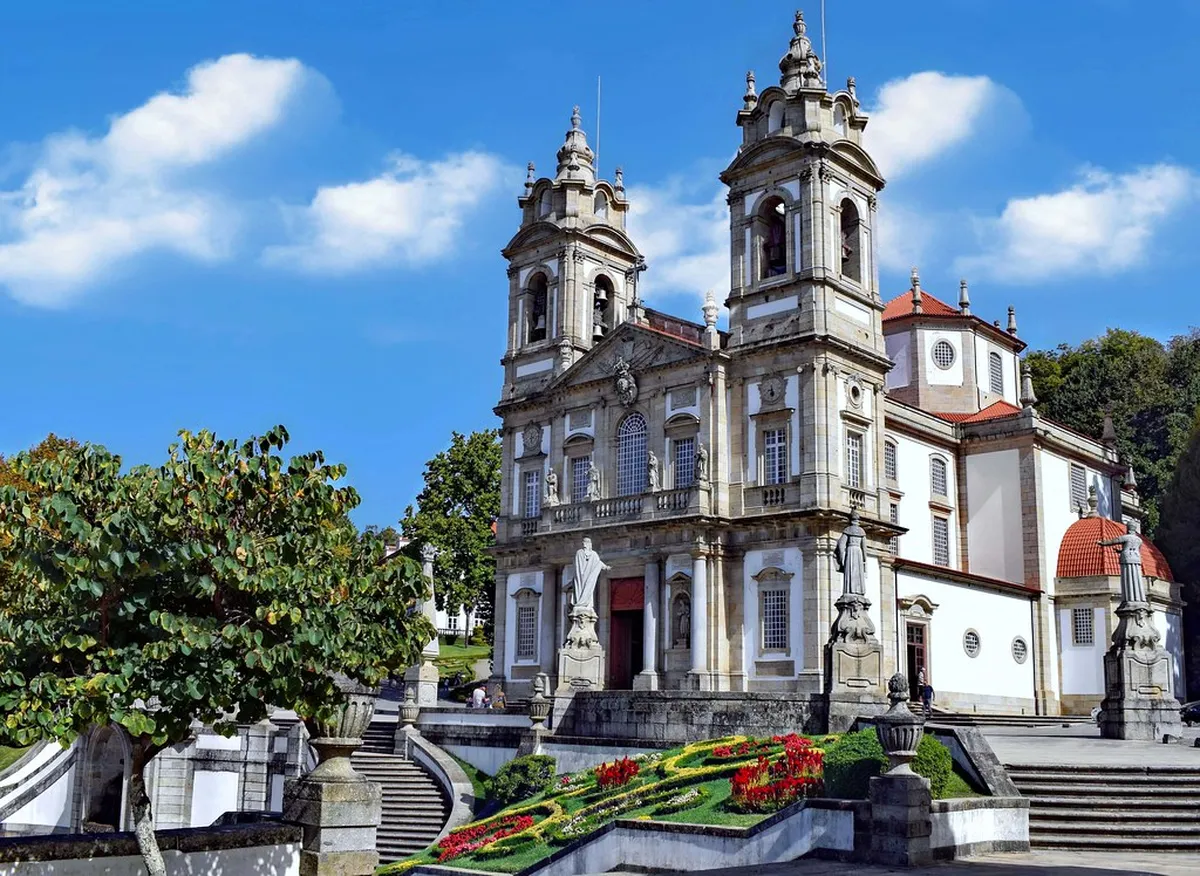
Bom Jesus do Monte is Braga's showstopper: a hilltop sanctuary reached by a 577-step Baroque staircase zigzagging up through fountains, chapels, and allegorical statues. Each landing has a theme — the five senses, the virtues, or scenes from Christ's life. Pilgrims have been climbing it for centuries. The summit church crowns a terrace with sweeping views over the plain. Go early morning for cool air and the best light on the whitewashed chapels. Read the detailed Bom Jesus Do Monte Braga: The Ultimate Visitor's Guide guide for logistics.
The Arco da Porta Nova marks the entrance to the old town with an interesting footnote: this gate was built when the city no longer feared invasion, so it was designed without a door and has never had one. Locals say this is why people from Braga have a reputation for leaving their doors open. The Sameiro Sanctuary sits even higher than Bom Jesus, with a 19th-century basilica dedicated to the Virgin Mary and terraces that look out toward the mountains of Peneda-Gerês on clear days. It is quieter than Bom Jesus, worth an hour if you have a second day.
- Bom Jesus: Climb vs. Funicular — what to know
- Funicular cost: €2.00 one way (water-powered, one of the oldest systems in the world)
- Staircase: 577 steps, exposed in summer sun, allow 20–30 minutes
- Best photo position: midway down the staircase looking up, catch the full Baroque perspective
- Tip: Take the funicular up, walk the staircase down — you see more details descending
- Getting there: Bus 2 from Braga train station, approximately €2, runs regularly
Museums, Art, and Culture in Braga
The Biscainhos Museum is a must-visit for its stunning collection of decorative arts housed in an 18th-century noble palace. Walking through the painted-ceiling rooms and tiled floors feels like stepping into the life of the Portuguese aristocracy. The real highlight is the baroque garden behind the palace walls: fountains, clipped hedges, orange trees, and statues in quiet corners. It is one of the most peaceful spots in the city, especially in spring.
Saint Markus Church stands out for its unusual facade and is the site of the "Braga letters," a popular photo stop. The Museum of Sacred Art holds treasures dating back several centuries, providing deep context for the city's position as Portugal's Catholic stronghold. For contemporary work, Gnration is a striking modern cultural center that hosts art exhibitions, avant-garde music, and occasional clubbing nights — a deliberate architectural contrast to the Baroque everywhere else in the center.
Theatro Circo is worth a look for architecture alone: it is one of the most beautiful state-sponsored theatres in Portugal, hosting ballet, international music acts, and live performances most weekends. If you want to combine culture with a day out, the Benedictine Monastery of Tibães is a short bus ride from the center and holds some of the most impressive gilded woodcarving in Europe. The grounds extend into farmland and woodland trails — bring a picnic.
Parks, Gardens, and Strolling Avenue da Liberdade
Santa Barbara Garden is a manicured gem set against the facade of the medieval Archbishop's Palace. The colorful flower beds and geometric hedges make it the prettiest free-access public garden in the city. It is the perfect place to sit on a bench after visiting the cathedral and simply watch local life pass by.
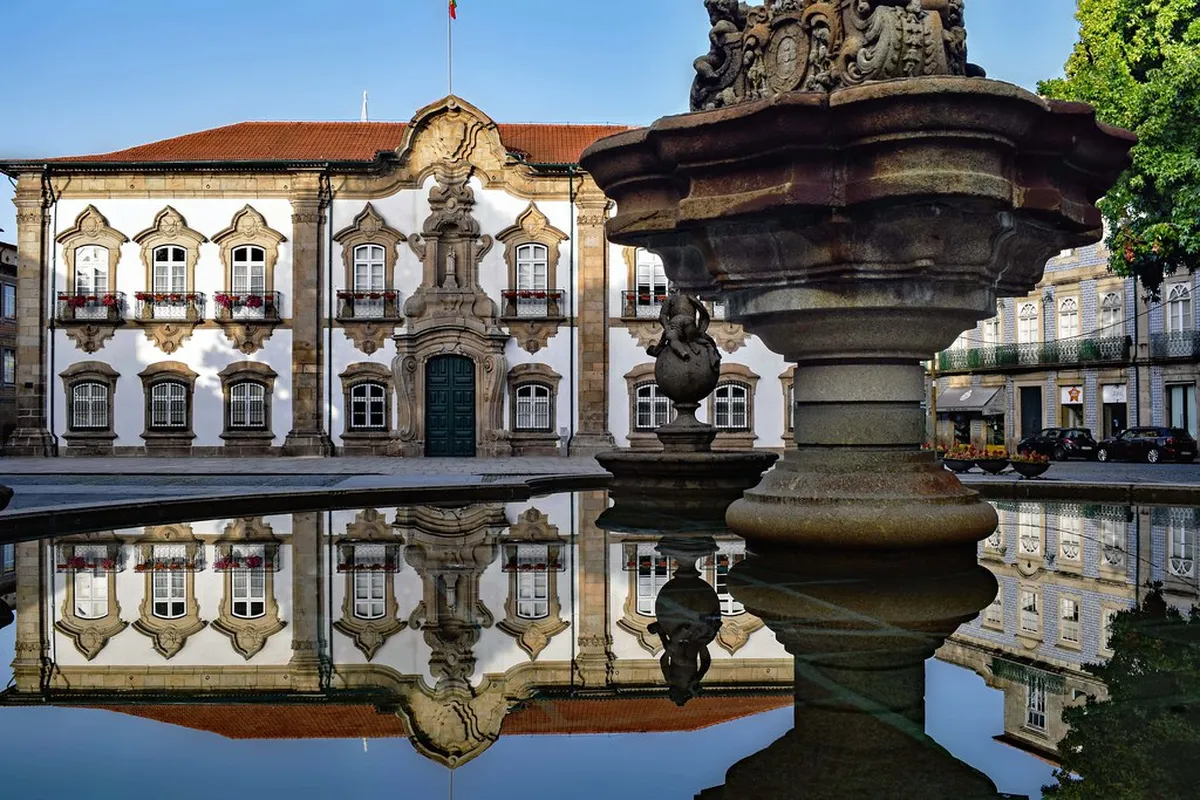
Praça da República — called Arcada by locals — is the social heart of Braga. Café Vianna's terrace on the arcade side is the classic spot for morning coffee among students and retirees alike. Walk from here through the pedestrian lanes and you will find tiled facades, bakeries, and small shops leading toward Largo do Paço and the Archbishop's Palace.
Avenue da Liberdade is the main boulevard, lined with trees and elegant buildings, good for a late-afternoon stroll. A hidden gem is the Centésima Página bookshop, which has a "secret" garden café in the back — a quiet, artsy spot that feels genuinely local and far removed from the tourist circuit. The sounds of the city add to the pleasure: church bells every quarter-hour, birds in the gardens, and the chatter from esplanadas that spill onto the cobblestones from mid-morning onward.
Where to Eat: Best Restaurants and Local Snacks
Braga's food scene balances traditional Minho recipes with a youthful energy driven by its large student population. Meals tend to be hearty, generous in portion, and anchored in pork, salt cod, and seasonal vegetables. Almost every meal pairs naturally with a glass of local Vinho Verde — crisp, slightly sparkling, and produced in the vineyards surrounding the city.
Start with the must-try dishes. Bacalhau à Braga is salt cod fried with onions and red peppers then baked with potatoes — the city's signature dish. Papas de Sarrabulho is a rich winter stew of pork, chicken, and blood, thickened and served with rice. Frigideiras are small flaky puff pastry cases filled with minced meat, popular as a snack with coffee. Tíbias de Braga are sweet pastries shaped like little bones and filled with egg cream, found in pastry shops around Praça da República. Francesinha — the Porto-style sandwich drowned in melted cheese and spicy sauce — has developed its own culture in Braga and is worth trying here. Browse more options in our 10 Best Braga Restaurants and Local Dining Guide guide.
For specific spots: Taberna Belga is famous for its oversized Francesinha and a lively crowd of locals and students. Restaurante Tia Isabel serves classic Minho cooking — bacalhau, rojões, papas de sarrabulho — in huge portions. Velhos Tempos is an affordable, high-quality option near Gnration, excellent for codfish and roasted veal. Retrokitchen mixes Portuguese classics with lighter modern plates and is popular with younger diners (also a solid vegetarian option). Frigideiras do Cantinho is the iconic spot for the city's famous puff pastry snacks. For dessert, Pastelaria Lusitana in the historic center serves excellent tibias alongside strong coffee.
How Long to Spend in Braga
One full day is enough to see the major landmarks: the cathedral, Praça da República, and Bom Jesus do Monte. A day trip from Porto is absolutely feasible given the easy train connection. However, staying overnight changes the experience — the squares fill with students in the evening, the churches glow under soft light, and the city reveals a different, slower rhythm. Our guide on How Many Days In Braga: 3-Day Itinerary & Planning Tips breaks this down by travel style.
Two days is the sweet spot for most visitors. You can add Sameiro Sanctuary, the Biscainhos Museum, and Tibães Monastery on the second day, and still have time for a long lunch and an evening esplanada. Three days works well if you plan to use Braga as a base for regional day trips. Guimarães, known as the birthplace of Portugal, is less than 30 minutes away by train. Peneda-Gerês National Park is within driving distance for mountain trails and wild landscapes. Amarante, on the Tâmega River, is about an hour away and known for its Roman bridge and egg-yolk sweets.
If your itinerary runs through northern Portugal more broadly, build in two to three nights in Braga. Spend one day on the city center, another on Bom Jesus and Sameiro, and use a third for the wider Minho region. Watching sunset from the Bom Jesus terrace and sunrise over the cathedral spires is worth the extra time.
Practical Tips for First-Time Visitors
Braga has a community feel that some visitors compare to Stars Hollow from Gilmore Girls. The compact historic center means you encounter the same café owners, market vendors, and church custodians repeatedly — and they notice repeat visitors in a way that Porto, with its high tourist volume, never quite does. Arrive open to slow travel and you will get more out of the city than any checklist approach.
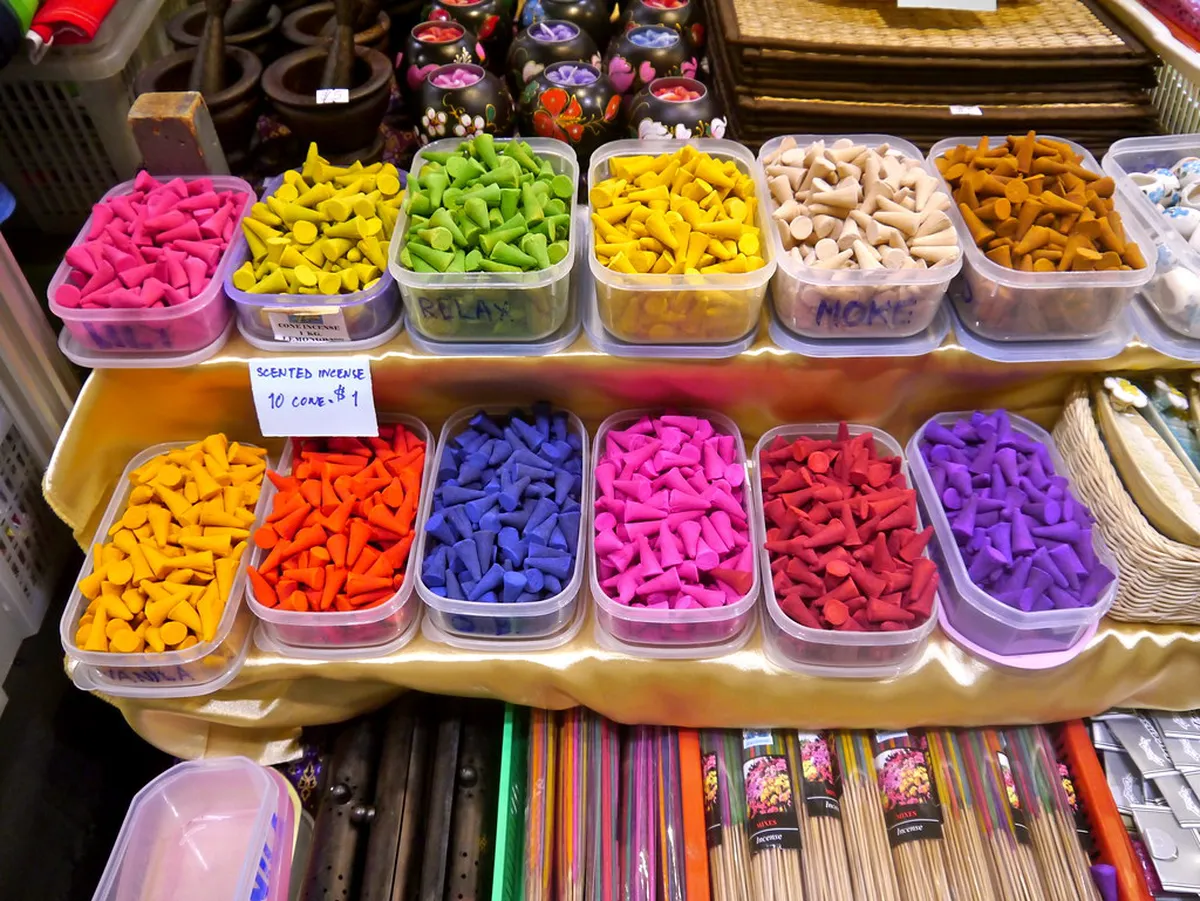
Wear comfortable shoes because the traditional Portuguese limestone cobblestones can be slippery, especially in wet weather. The cobbles are beautiful but require careful stepping. Public water fountains are scattered around the historic center and provide fresh, drinkable water. Most churches are free to enter but expect to pay a small fee for the Treasury or special chapels inside the cathedral.
Braga's limestone cobblestones become treacherous when wet (especially common in autumn/winter). Wear shoes with grip — not flip-flops or smooth-soled dress shoes — and go slowly during or after rain. The camera-focused view won't help you avoid a twisted ankle on a centuries-old street.
Dress modestly when entering churches — covered shoulders and knees are expected, and it is a working religious city, not a museum circuit. Respect any active services you walk into. Early mornings (before 09:30) are the best time for the cathedral and Bom Jesus, before tour groups arrive. For the Mercado Municipal, come before 10:00 for the best atmosphere. Always carry a light jacket, even in summer, as evenings in the Minho can turn cool quickly.
Frequently Asked Questions
Where is Braga located?
Braga is located in the Minho region of northwestern Portugal. It sits about 55 kilometers north of Porto and is easily accessible by train or bus. The city is nestled in a valley surrounded by lush green hills and ancient sanctuaries.
How long should I spend in Braga?
You should spend at least one full day to see the main sights like the Cathedral and Bom Jesus. However, staying for two or three days allows for a more relaxed pace and a chance to explore museums. It also makes a great base for regional day trips.
Is Braga worth visiting on a day trip from Porto?
Yes, Braga is definitely worth a day trip from Porto due to the frequent and cheap train connections. You can see the historic center and the famous hilltop sanctuary in a single day. Many travelers find it a refreshing and spiritual alternative to the busy streets of Porto.
What is the best way to get to Bom Jesus do Monte?
The best way to get to Bom Jesus do Monte is by taking bus number 2 from the Braga train station. The ride costs about €2 and takes you directly to the base of the sanctuary. From there, you can climb the stairs or take the funicular. Learn more about Bom Jesus.
Braga is a city that rewards those who take the time to explore its spiritual and cultural layers. Whether you are climbing the stairs of Bom Jesus or enjoying a pastry in a quiet plaza, the charm is undeniable. This destination offers a perfect blend of ancient history and modern Portuguese life.
Use these travel tips to plan a journey that is both organized and full of local discovery. The City of Archbishops is waiting to welcome you with its bells, gardens, and friendly people. Start packing for your 2026 adventure to one of Portugal's most enchanting and historic cities.
 10 Best Tips for Timing Your Visit to GuimarãesJune 8, 2026