Lisbon Ferries: Cacilhas and Barreiro Route Guide
Master the Lisbon ferry system with our guide to the Cacilhas and Barreiro routes. Includes ticket prices, schedules, terminal locations, and travel tips.
On this page
Lisbon Ferries: Cacilhas and Barreiro Route Guide
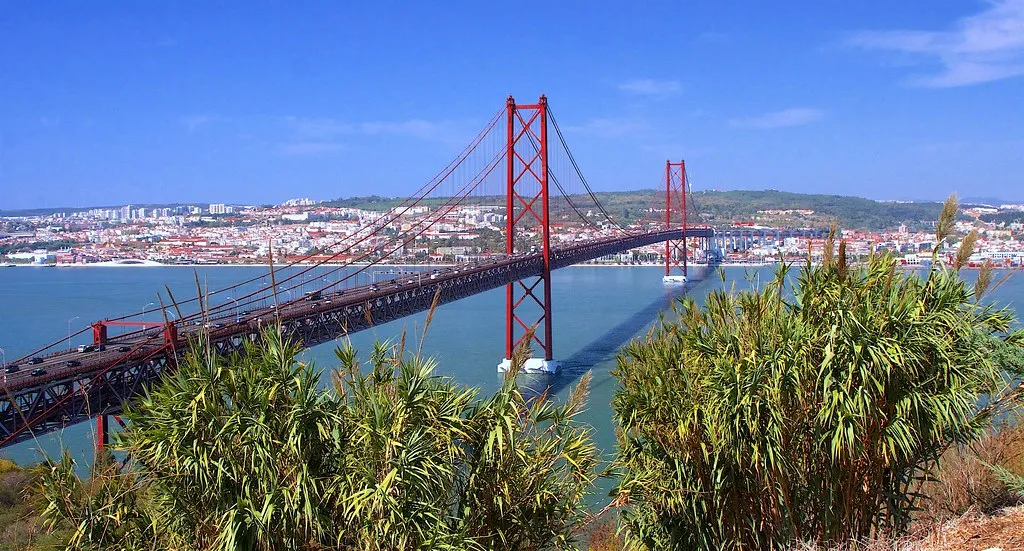
Lisbon's river ferries offer more than a simple commute across the Tagus. They carry you past the great iron pylons of the 25 de Abril Bridge for under two euros and drop you on a quieter southern shore that most visitors never reach. Understanding the lisbon ferries cacilhas barreiro routes gives you access to a side of the city the tourist buses skip entirely.
The orange boats of Transtejo Soflusa have crossed the Tejo estuary for generations. Thousands of commuters rely on them every weekday, which means the service is frequent, punctual, and cheap. Visitors can ride these same boats to reach Cristo Rei, waterfront seafood restaurants, and onward trains heading deep into Portugal.
The single most common mistake tourists make is going to the wrong terminal. Central Lisbon has two main ferry hubs, and each one serves different southern destinations. This guide tells you exactly which pier to use, what to pay, and when to go.
Overview of Lisbon's River Ferry System
The entire passenger ferry network is operated by Transtejo Soflusa, now trading as TTSL. Historically, Transtejo ran the western routes and Soflusa handled the Barreiro catamaran, but both brands were merged under one company and one ticketing system. There are five routes in total, departing from three terminals on the Lisbon side and arriving at four terminals on the southern bank.
The full route list for 2026 is: Cais do Sodré to Cacilhas, Cais do Sodré to Seixal, Cais do Sodré to Montijo, Terreiro do Paço to Barreiro, and Belém to Porto Brandão/Trafaria. For most visitors only the first and fourth routes matter. The Seixal and Montijo services serve commuter residential areas with little tourist interest, and the Belém ferry is infrequent.
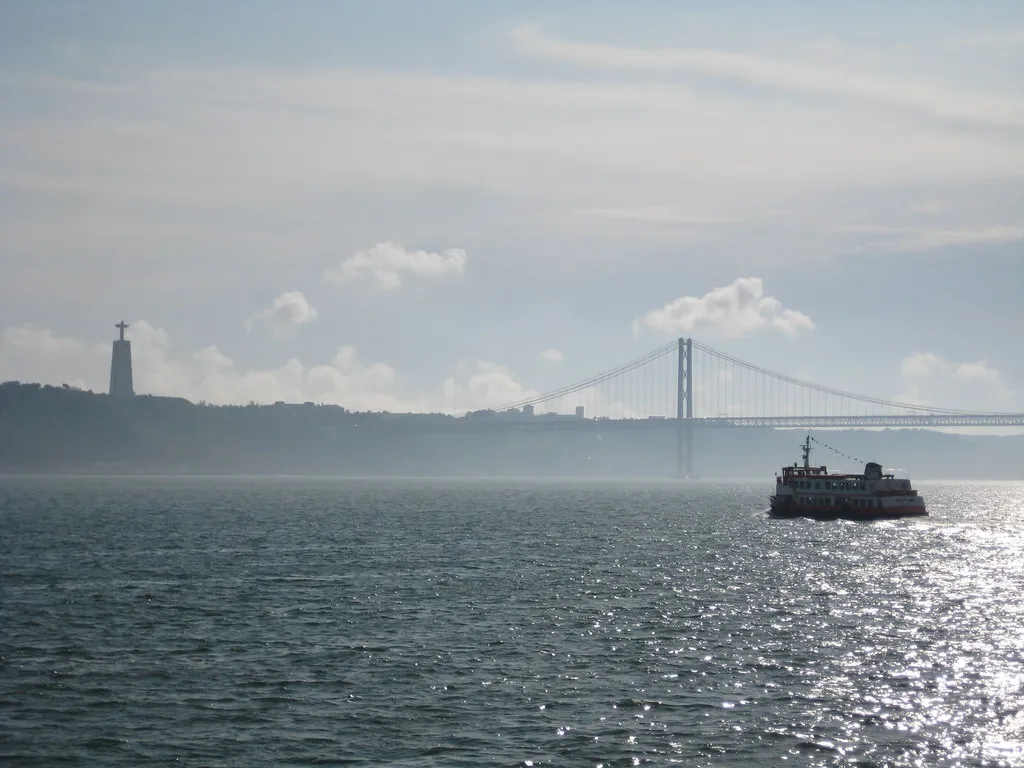
Crossing the Tejo estuary gives you a perspective on Lisbon that no viewpoint on land can match. You see the full width of the river, the terraced hills of Alfama, and the long suspension bridge from the water. The journey takes between 10 and 25 minutes depending on your route, and the tickets cost a fraction of any river cruise. Read the broader getting around Lisbon to see how ferries fit alongside the metro and tram network.
One important design note: none of the TTSL ferries have open-air viewing decks. The orange double-ended boats on the Cacilhas route and the white catamarans on the Barreiro and Seixal routes are built for commuter loads, not sightseeing. Sit by a window on the side facing upstream (left when leaving Cais do Sodré) for the best views of the bridge.
Which Terminal Serves Which Destination
Getting to the right terminal before you buy a ticket saves a lot of wasted time. The two central hubs look nothing alike and are about 1.5 km apart along the waterfront. Use this quick reference before you leave your accommodation.
| Lisbon Terminal | Southern Destination | Journey Time | Metro Access |
|---|---|---|---|
| Cais do Sodré | Cacilhas | 10 min | Green Line |
| Cais do Sodré | Seixal | 35 min | Green Line |
| Cais do Sodré | Montijo | 40 min | Green Line |
| Terreiro do Paço | Barreiro | 20 min | Blue Line |
| Belém | Porto Brandão / Trafaria | 20 min | Tram 15E |
The Cais do Sodré terminal is a separate building located directly south of the main train station, right on the riverfront. Walk through the station concourse, follow the signs toward the river, and you will find the ferry gates behind the building — not inside the train station itself. The terminal serves the green metro line, making it easy to reach from most of central Lisbon.
The Terreiro do Paço terminal sits on the southern edge of Praça do Comércio, the grand riverside square near the blue metro line's Terreiro do Paço station. The entrance is on the waterfront directly below the arched arcade that faces the river. It is the most architecturally impressive terminal in the system and is impossible to miss if you are standing on the square.
Cais do Sodré to Cacilhas: Route and Highlights
The Cacilhas ferry is the most popular crossing for visitors and the most scenic of all five routes. The older orange double-ender boats pass within about 300 metres of the 25 de Abril Bridge pylons, giving you an unobstructed view of one of the world's great suspension bridges from the water. The crossing takes under 10 minutes on a normal day. First departure from Cais do Sodré is at 05:35, last departure is at 01:40 — making it one of the latest-running routes if you are out for a long dinner in Cacilhas.
The Cacilhas waterfront rewards exploration after you step off the boat. The Ginjal riverfront path runs west from the terminal past abandoned warehouses and eventually reaches the famous Ponto Final restaurant, which has some of the best views of Lisbon from its terrace. This walk takes about 20 minutes at a casual pace and is completely flat along the riverbank.
Cristo Rei is the main reason most tourists make this crossing. From the Cacilhas bus terminal — the building immediately to your left as you exit the ferry gates — the 3001 bus (operated by TST) runs directly to the Cristo Rei complex. Single fare is €1.20, and there are two to three departures per hour in summer and roughly one per hour in winter. Journey time is about 15 minutes. The alternative is to walk west to the Boca do Vento Elevator, which costs €1.50 and lifts you 50 metres up the cliff face, but the final 2 km walk to Cristo Rei from the top passes through unremarkable residential streets — the bus is easier in hot weather. See our Lisbon's Carris bus network for orientation on using TST and other regional bus operators from south-bank terminals.
Cacilhas also serves as the main connection point for the Atlantic coast. Regional buses depart from the same terminal for Sesimbra and for the long sandy beaches of Costa da Caparica. The historic frigate Dom Fernando II e Glória, the last sailing warship built by the Portuguese navy, is moored at the waterfront and is open to visitors.
The bus to Cristo Rei (line 3001) departs from the Cacilhas bus terminal immediately to your left as you exit the ferry gates — single fare is €1.20, with two to three departures per hour in summer. No need to walk; just follow the signs straight off the boat.
Terreiro do Paço to Barreiro: The Southern Connection
The Barreiro route uses fast white catamarans and takes about 20 to 25 minutes. The crossing is longer than Cacilhas and provides wider views over the eastern half of Lisbon — you see Alfama, the castle, and eventually the Vasco da Gama Bridge in the distance as you move further from the city. It is particularly beautiful in the late afternoon when the sun hits the white lime-washed buildings of the Alfama hillside.

Barreiro is primarily a logistics and residential city, not a tourist destination in itself. Its importance lies in what you can do next. The Barreiro railway station is physically attached to the ferry terminal — you walk off the boat directly onto the platform concourse. This station is the Lisbon terminus for CP Fertagus intercity trains heading south into the Alentejo. If you are heading to Évora, Beja, or catching a connection toward the Algarve, this is your gateway. Read about Lisbon to Évora by train from Barreiro for the full logistics of that route.
The Terreiro do Paço terminal is the newest and most comfortable in the TTSL network. It has a large glazed waiting area with river views, staffed ticket counters, and modern automated kiosks. The blue metro line's Terreiro do Paço station is directly above the square, making it a smooth connection from any part of the city.
Ferry Tickets, Prices, and the Viva Viagem Card
You cannot board any TTSL ferry without a Navegante reusable card (the same green plastic card sold as a Viva Viagem). The card itself costs €0.50 and is available at the yellow automated kiosks in any ferry or metro station. Kiosks accept coins, notes, and contactless card payments. Once you have the card, you load credit onto it for each journey.
The single-trip fares in 2026 are approximately: Cacilhas €1.50, Seixal €2.80, Barreiro €2.80, Montijo €3.15, and Belém to Porto Brandão €1.45. There are no return tickets — you buy two singles. Load your card with the Zapping balance to get these discounted per-trip rates. Zapping is simply a stored cash balance that is deducted with each tap. It works across all transport modes including the Lisbon metro, city buses, and trams.
The card can only hold one type of ticket at a time. This is the most common source of confusion for new visitors. If your card holds a metro day pass or a pre-loaded metro period ticket, you cannot add a Zapping ferry fare to it until you use or transfer the existing credit. The simplest solution is to buy a dedicated card (€0.50) purely for ferry Zapping credit. This keeps your metro card separate and avoids any fumbling at the turnstile.
To validate your ticket, hold the card against the yellow sensor on the turnstile at the boarding gate entrance. The screen shows your remaining Zapping balance or the status of your ticket. Do this before joining the boarding queue, not while the crowd is pushing through — turnstile failures are rare but the gates close quickly once the departure time arrives.
The Viva Viagem card can only hold one ticket type at a time. If your card already has a metro day pass loaded, it cannot also carry Zapping ferry credit. Buy a spare card (€0.50 at any kiosk) dedicated to ferry Zapping to avoid fumbling at the turnstile.
Ferry Schedules and Frequency (Horários)
The Cacilhas and Barreiro routes both run at high frequency during weekday peak hours. Cacilhas boats depart every 10 to 15 minutes between roughly 07:00 and 20:00 on weekdays. Outside peak hours and on weekends, the gap widens to 20 to 30 minutes. The Barreiro catamaran runs every 20 to 30 minutes throughout the day. For exact times, check the official TTSL schedules before you travel — printed departure times are posted at each terminal gate and on large digital boards in the waiting areas.
Weekend schedules are meaningfully thinner. If you plan a Saturday or Sunday trip to Cacilhas for a long lunch at the Ginjal, do not assume you can catch a boat back whenever you like. Check the last departure from Cacilhas before you leave — it is typically around 01:20 on weekdays but can be earlier on Sundays. Missing the last boat means a taxi across one of the bridges, which is significantly more expensive.
Boarding opens about five minutes before the listed departure time. The process moves quickly because the boats are large and the turnstiles are wide. Arriving ten minutes early is enough. During the morning rush (08:00 to 09:30) and the evening rush (17:30 to 19:00), the waiting area fills rapidly with commuters. You will get on the boat, but you may not find a window seat. Mid-morning departures between 10:00 and 13:00 are the most relaxed time for a tourist crossing.
Essential Tips for a Smooth River Crossing
Avoid the rush hours if you are making the trip for sightseeing rather than transit. The 08:00–09:30 morning peak and the 17:30–19:00 evening peak pack every boat with standing commuters. The ferries are still safe and on time, but the atmosphere is not pleasant for a first visit. A 10:00 or 11:00 departure gives you a calm crossing and arrives at Cacilhas before the lunch crowds fill the waterfront restaurants.
Navigation at Cais do Sodré is the main sticking point for first-timers. The ferry terminal is a separate building located south of the train station, facing the river. Do not enter the train station concourse and look for ferry gates there — they do not exist inside the station. Walk through or around the station toward the water, then look for the orange TTSL signage pointing right along the riverside facade. If you are arriving from the Lisbon airport, the metro green line terminates at Cais do Sodré station, placing you steps from the ferry entrance.
Keep your camera accessible from the moment the boat leaves the pier. The 25 de Abril Bridge view from the Cacilhas ferry builds gradually as you cross — the best angle is through the windows on the right-hand side (port side) as you face the direction of travel. On the Barreiro ferry, the wide panorama of the Alfama hill is best framed through the left-side windows as you depart Terreiro do Paço.
Always double-check the terminal name when buying your ticket at the kiosk. Cais do Sodré and Terreiro do Paço are the two terminals that matter for tourist trips, and the kiosks list destination names prominently on screen. Selecting the wrong route is a minor inconvenience — you can usually get a refund at the staffed counter — but it will cost you a 20-minute wait for the next boat on your correct route.
Frequently Asked Questions
Which ferry terminal in Lisbon goes to Cacilhas?
The ferry to Cacilhas departs from the Cais do Sodré terminal. This hub is located right next to the train station and the green metro line. It is a 10-minute crossing that offers great views of the 25 de Abril Bridge. You can find more details in our Lisbon transport guides.
How much does the ferry from Lisbon to Barreiro cost?
A single trip to Barreiro costs approximately €2.80 when using the Zapping method on a Viva Viagem card. Buying a single ticket without a card may cost slightly more. This route departs from the Terreiro do Paço terminal and takes about 20 minutes to reach the southern shore.
Can I use my Metro card on the Lisbon ferries?
Yes, you can use the green Viva Viagem or Navegante card on all Lisbon ferries. However, you must have a Zapping balance or a specific ferry ticket loaded onto the card. You cannot use a dedicated Metro-only pass for the river crossing unless it is a network-wide Navegante monthly pass.
How long is the ferry ride from Cais do Sodré to Cacilhas?
The ferry ride from Cais do Sodré to Cacilhas is very quick, taking only about 10 minutes. The boats run very frequently, often every 10 to 15 minutes during the day. This makes it one of the easiest and fastest ways to visit the south bank of the river.
Is the Barreiro ferry scenic for tourists?
While Barreiro is a commuter route, the ferry ride offers expansive views of the Tejo estuary and the Lisbon waterfront. It is particularly beautiful at sunset when the city lights begin to flicker on the hills. The modern catamarans provide a comfortable and fast way to enjoy the river scenery.
Mastering the lisbon ferries cacilhas barreiro routes opens up a new world of exploration beyond the city center. Whether you are heading to Cacilhas for a seafood dinner at the Ginjal or to Barreiro for a train connection south into the Alentejo, the journey is simple and affordable. These boats remain one of the most scenic and underused tools in any Lisbon itinerary.
Remember to load your Navegante card with Zapping credit before you reach the terminal, and keep a separate card if you are also using metro day passes. Avoid the morning and evening rush hours for a relaxed crossing, and check the last departure time before you sit down for a long meal on the southern bank. With frequent departures from two well-connected central terminals, the ferry system rewards those who use it.
Enjoy the fresh river breeze and the unmatched views of the Lisbon waterfront from the water. Exploring the southern bank gives you a deeper look at local life and a faster route to some of Portugal's most important southern connections. Pack your camera, check the latest schedules on the TTSL website, and prepare for a memorable trip across the Tejo.
 12 Best Cocktail Bars in Lisbon (2026)May 29, 2026