
Porto to Douro Valley Wine Tasting Day Trip Guide
Plan your Porto to Douro Valley wine tasting day trip with our guide. Discover top wineries, tasting menu prices, harvest season tips, and booking advice for 2026.
On this page
Best Porto to Douro Valley Wine Tasting Day Trip 2026
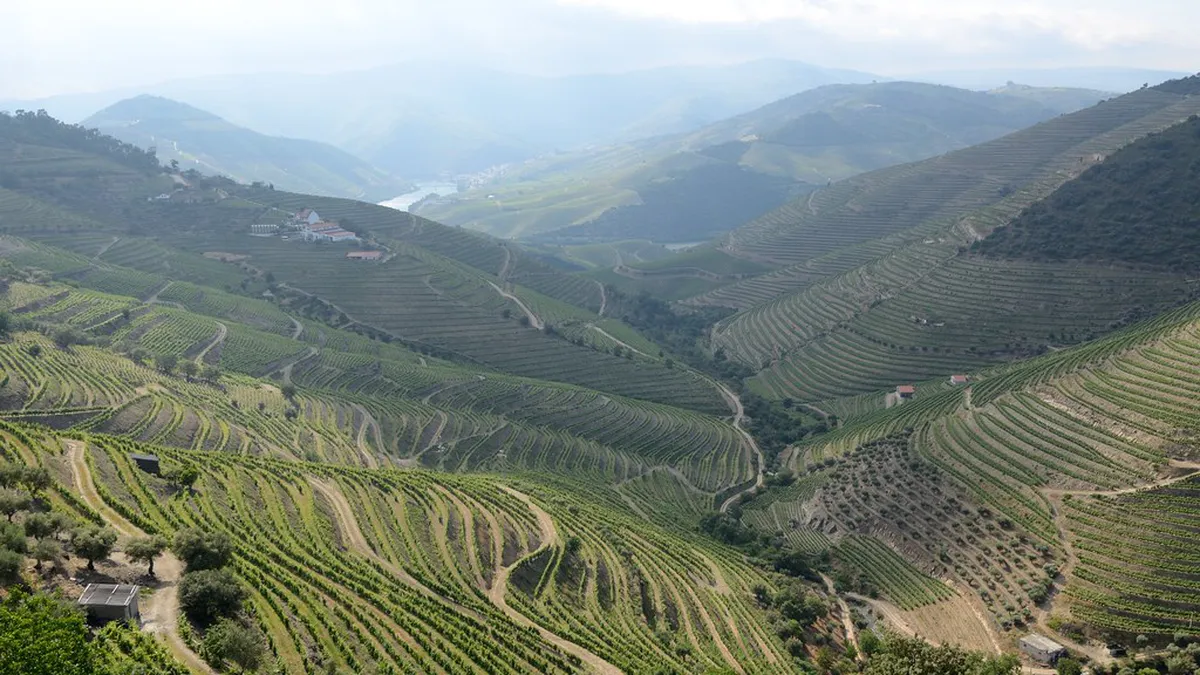
Traveling from Porto to the Douro Valley offers a journey through one of the oldest wine regions on earth. This UNESCO World Heritage site features steep hillsides covered in rows of ancient vines and olive trees. Visitors often choose a douro valley day trip from porto to experience these landscapes efficiently.
Exploring the Douro Valley from Porto provides a unique chance to taste world-class Port wine right at the source. The region remains famous for its dramatic river bends and historic estates known locally as quintas. Planning ahead ensures you secure the best tasting slots and enjoy the most scenic transport routes available.
Quick answer: A Porto to Douro Valley: 10 Essential Tips and Transport Options day trip takes 9 to 11 hours and costs between €100 and €250 per person in 2026. The train from São Bento station is the cheapest route at roughly €15 round trip.
Planning Your Porto to Douro Valley Wine Tasting Day Trip
Timing your visit for May or September provides the most comfortable weather for walking through the steep vineyards. Summer temperatures in the valley often exceed 35 degrees Celsius, making outdoor tastings quite intense for some travelers. Harvest season in late September brings a vibrant energy to the region but also requires booking months in advance.
Budgeting for your trip should account for tasting fees that typically range between twenty and fifty Euros per person. Many top-tier estates require reservations at least two weeks before your arrival to guarantee a guided cellar tour. Expect to spend around one hundred Euros for a full day including transport, lunch, and two separate winery visits.
Selecting a specific town like Pinhão or Peso da Régua serves as a helpful anchor for your daily itinerary. Pinhão sits deeper in the valley and offers closer access to the most prestigious vineyards and scenic river views. Most travelers find that visiting two wineries provides a perfect balance without feeling rushed or overly tired.
Best Ways to Reach the Douro Valley
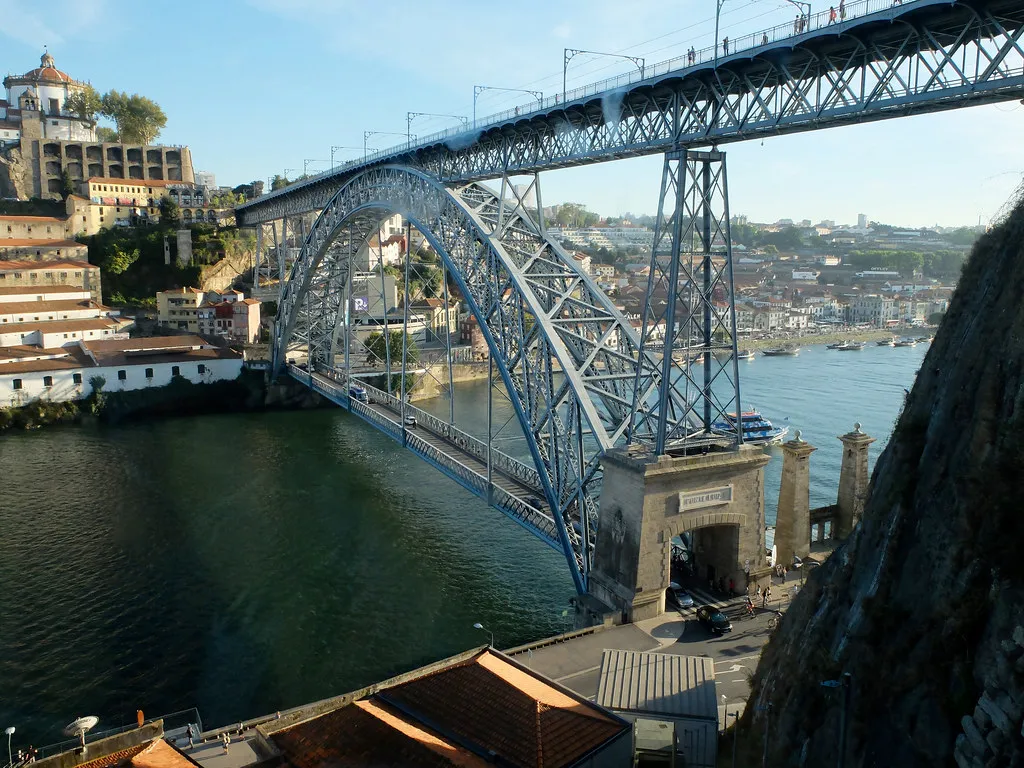
Taking the train from São Bento station remains one of the most popular and affordable ways to reach the valley. Tickets cost approximately fifteen Euros for a round trip and the journey takes about two and a half hours each way. The final hour of the train ride follows the riverbank closely, offering some of the best views in portugal.
Driving a rental car allows for more flexibility to visit remote quintas that are not accessible by public transport. The N222 road is frequently cited as one of the most beautiful driving routes in the world by travel experts. Be prepared for narrow, winding roads that require careful navigation, especially after participating in multiple wine tastings.
Booking a guided excursion is often the most stress-free option for those who want to focus entirely on the wine. Many porto day trips best excursions include door-to-door transport and a traditional lunch in a local village. Professional guides provide valuable context about the soil types and traditional foot-treading methods used in Port production.
Top Wineries and Vineyards for Wine Tasting
Quinta da Roêda is a historic estate owned by Croft and is famous for its beautiful stone-walled terraces. Visitors can enjoy a tasting of several Port varieties while looking out over the river near the town of Pinhão. The estate charges around twenty Euros for a standard tasting, which often includes a walk through the vineyards.
Quinta do Crasto offers one of the most famous infinity pools in the world with a panoramic view of the valley. This winery focuses on high-quality Douro DOC table wines in addition to their traditional Port wine selections. Reservations here are essential because the limited tasting slots often fill up several weeks during the peak summer season.
Smaller family-run estates provide a more intimate experience where you might meet the winemakers themselves during your visit. These smaller venues often charge lower fees and provide a deeper look into the daily life of a Douro farmer. You can find many of these hidden gems by exploring the hills just outside the main tourist hubs of Régua.
- Quinta da Roêda Visitor Experience
- Type: Port Wine focus
- Best for: Historic atmosphere
- Where: Near Pinhão
- Cost: €20 per person
- Quinta do Crasto Premium Tasting
- Type: DOC and Port
- Best for: Iconic views
- Where: Ferrão region
- Cost: €30 to €50
- Quinta do Vallado Modern Tour
- Type: Contemporary winery
- Best for: Architecture fans
- Where: Near Régua
- Cost: €25 per person
Estimated 2026 Costs for a Douro Day Trip
Planning a budget for your Douro Valley day trip helps you choose between the scenic train, a rental car, or a fully guided excursion. Costs in 2026 continue to reflect rising demand during shoulder and harvest seasons, so booking early often locks in lower rates for premium tastings and lunch reservations.
The table below breaks down the typical expenses a solo traveler can expect for a single day in the valley. Couples and small groups often save by sharing private drivers, but train travelers generally enjoy the lowest total daily cost.
| Expense | Budget Option | Mid-Range | Premium |
|---|---|---|---|
| Transport (Porto ↔ Valley) | €15 (train) | €40–€60 (taxi transfer) | €95–€150 (guided tour) |
| Winery tasting (one quinta) | €20–€25 | €32–€39 | €65–€175 |
| Second winery tasting | €20–€25 | €32–€39 | €65–€175 |
| Traditional lunch with wine | €12–€18 (tasca) | €25–€40 | €45–€80 (quinta restaurant) |
| Rabelo boat cruise / taxi | — | €15–€25 | €25+ |
| Estimated daily total | ~€65–€85 | ~€100–€150 | ~€200–€250+ |
Essential Tips for a Smooth Tasting Experience
Many travelers forget to check for Monday closures, as some smaller quintas do not open at the start of the week. Confirming the operating hours on official websites before leaving Porto prevents the disappointment of arriving at a locked gate. Most wineries open their doors around ten in the morning and conclude their final tours by five in the afternoon.
Staying hydrated is critical because the combination of alcohol and the intense valley sun can lead to quick dehydration. Always carry a reusable water bottle and try to drink one glass of water for every glass of wine you taste. Many tasting rooms provide small crackers or bread, but eating a full breakfast before your journey is highly recommended.
Wearing comfortable walking shoes is a necessity if you plan to explore the vineyard rows or old cellar floors. The terrain is often uneven and consists of loose schist rock that can be quite slippery for those in formal footwear. Lightweight clothing made of natural fibers like linen will help you stay cool during the warm afternoon hours.
Most wineries open around 10 AM and conclude their final tours by 5 PM. Confirm Monday opening hours on the quinta's official website before you travel — several smaller estates are closed at the start of the week.
Scenic Stops and River Cruises in the Valley
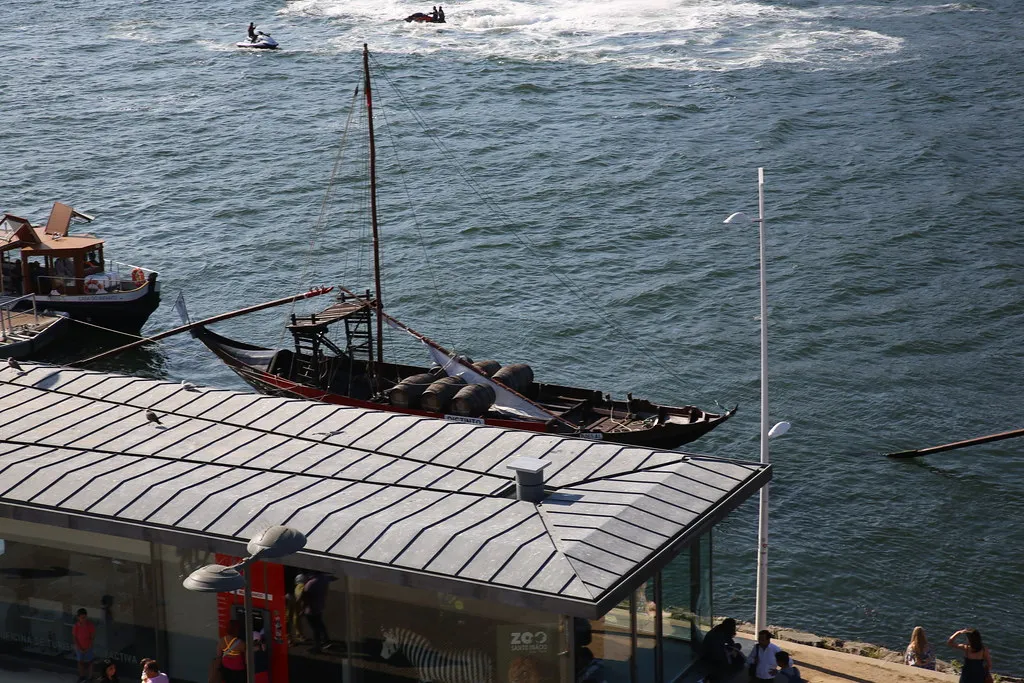
Taking a short boat cruise from the Pinhão pier offers a different perspective of the towering vineyard terraces. These trips usually last about one hour and cost approximately fifteen Euros per person for a traditional Rabelo boat ride. Seeing the valley from the water level highlights the massive scale of the man-made stone walls supporting the vines.
Visiting the Casal de Loivos viewpoint provides what many consider the most beautiful panoramic view in the entire region. This spot is easily reached by a short taxi ride from Pinhão and overlooks the famous 'L' bend in the river. Photographers often visit during the golden hour to capture the sun setting behind the distant mountain peaks.
Learning about the history of wine transport helps you appreciate the link between the valley and the porto port wine cellars. Before the dams were built, sailors navigated dangerous rapids to bring barrels down to the coast for aging. This connection remains a vital part of the local culture and the global identity of Portuguese wine production.
Vineyard Tasting Menus and 2026 Prices
Every quinta structures its tasting experience differently. Some offer a simple three-wine flight with a terrace view, while others run two-hour cellar tours followed by a vertical tasting of aged Vintage Ports. Knowing the tasting tiers and approximate 2026 prices before you book helps you match expectations to budget and avoid surprises on the day.
The table below covers five of the best-known quintas for day-trip visitors. Prices shown are 2026 rates per person; booking direct on the quinta website is usually the same price as third-party platforms but guarantees the exact slot you want.
| Quinta | Tasting Tier | 2026 Price (per person) | What You Pour | Duration |
|---|---|---|---|---|
| Quinta do Crasto | Classic Tour & Tasting | €39 | 3 DOC Douro reds + 1 White Port | ~75 min |
| Quinta do Crasto | Premium Reserve Tasting | €65–€94 | 5 wines incl. Crasto Superior + 1 Vintage Port | ~90 min |
| Quinta do Tedo | Estate Tasting | €36 | 4 DOC wines + 1 Ruby Port + olive oil | ~60 min |
| Quinta do Tedo | Vertical & Barrel Experience | €57 | 6 wines incl. Reserva + barrel sample + charcuterie | ~90 min |
| Quinta Nova | Classic Wine Tasting | €32–€45 | 4 Douro DOC wines + 1 Port; panoramic terrace | ~60 min |
| Quinta Nova | Grande Reserva & Aeternus | €135–€175 | 6–8 wines incl. Aeternus Grand Reserve + cheese pairings | ~2.5 hr |
| Quinta do Vallado | Vallado Wine Tasting | €35 | 5 estate wines + Port; guided cellar walk | ~75 min |
| Quinta do Vallado | Premium & Vintage Port Tasting | €80–€250 | Selected aged Ports + DOC flagship + olive oil | ~2 hr |
| Quinta do Pôpa | Harvest Terrace Tasting | €25–€40 | 3–4 Douro wines + local snacks on working-quinta terrace | ~50 min |
Prices fluctuate slightly by month — harvest-season slots (late September to early October) often carry a small supplement of €5–€10. Always confirm the exact rate when you reserve, especially for the premium and vintage-port tiers, which sometimes include a refundable deposit.
What to Expect at a Douro Winery Tasting
If this is your first time visiting a quinta, it helps to know the typical sequence so you can focus on the experience rather than working out the logistics on the spot. Most visits follow a similar pattern regardless of which estate you choose.
You will usually arrive at a reception area where a host confirms your reservation and provides a brief introduction to the quinta's history. A guided walk then takes you through the vineyards and into the stone-walled adega, where you will see the stainless-steel vats, traditional lagares, and aging barrels up close. The actual tasting is normally the final third of the visit, conducted at a table with panoramic views whenever weather permits.
At most quintas you can expect to taste between three and six wines, poured in order from lightest whites and rosés through to the structured reds and finishing with Port. The host will describe each wine's grape varieties, the specific parcel it came from on the terraced schist slopes, and the winemaking decisions that shaped its character. You are not expected to finish every glass — spittoons are provided and their use is entirely normal and encouraged at professional tastings.
Tasting rooms at premium estates like Quinta Nova and Quinta do Crasto also pair wines with local accompaniments such as queijo Serra da Estrela, regional charcuterie, and artisan bread. Budget tier tastings typically provide a small plate of crackers and olives. If you want a full lunch pairing, book one of the gastronomy experiences described in the lunch section below — they are separate from the tasting and require a distinct reservation.
How much wine do you actually drink? A standard flight of five wines pours roughly 50–60 ml per glass, which means the entire tasting adds up to approximately two standard glasses of wine. Premium tastings with eight to ten pours are closer to four glasses. Most visitors feel comfortably mellow rather than impaired, but the combination of afternoon sun, schist terrain, and multiple stops adds up quickly — which is why a designated-driver plan matters (see the section below).
Harvest Season Add-On: Setembro and Outubro
Visiting the Douro Valley during harvest is a genuinely different experience from a standard summer day trip. Between roughly 10 September and 5 October, the terraces are alive with workers moving through the rows carrying 30-kilogram baskets of grapes on their backs. The air carries a fermentation sweetness that is impossible to replicate at any other time of year.
Several quintas offer structured harvest programmes that go well beyond a standard tasting. A typical harvest-day experience includes a morning of supervised grape picking on the terraces, a communal lunch eaten alongside the harvest workers, an afternoon tour of the winery showing freshly crushed juice in the lagares, and an early evening tasting of the estate's current releases. At properties still using traditional methods — including Quinta do Tedo and Quinta Nova — you may have the option to participate in foot-treading in the stone lagares after dark, accompanied by local music. These evening treading sessions are one of the most celebrated cultural experiences in the entire Douro and are available only during the peak ten-day harvest window.
Harvest experience bookings open months in advance and frequently sell out by July. The dates shift from year to year because they follow grape ripeness rather than a fixed calendar. When you contact a quinta, ask whether they can email you when harvest dates are confirmed for 2026 rather than booking a specific day months out. Many estates have a waiting list system precisely because of this variability.
The Douro Valley day trip from Porto is rewarding at any time of year, but if your travel window includes the last two weeks of September, prioritising a harvest visit over a standard tasting will reward you with something genuinely memorable.
Lunch Pairings: Eating Well in the Douro
Food in the Douro Valley matches the wines in quality and tends to be hearty, ingredient-driven Portuguese cooking built around river fish, slow-braised meats, and vegetables grown on the estate slopes. Planning your lunch properly turns a pleasant day trip into a truly memorable one.
The most seamless option is to book a lunch experience directly at the quinta where you are tasting. Quinta Nova's Terraçu's restaurant holds a Michelin recognition and offers a two-course menu with Douro wine pairings from approximately €45 per person; their full tasting menu reaches €80 or more. Quinta do Tedo's on-site Família Geadas restaurant is listed in the Michelin Guide and specialises in contemporary takes on Trás-os-Montes recipes; lunch with wine pairing runs approximately €55–€65 per person.
For a more traditional experience at a lower price point, the riverside town of Pinhão has several tascas where a complete meal with house wine costs €12–€18. The octopus rice (arroz de polvo) and bacalhau à lagareiro, codfish roasted in olive oil with potatoes, are both regional staples worth ordering. Peso da Régua, the larger valley hub reachable by train, has a wider selection of mid-range restaurants lining the riverside esplanade.
If you are on a guided tour, most operators include a traditional set lunch at a partnered local restaurant, often with a complimentary glass of local DOC wine. The quality of these lunches varies considerably between operators, so check recent reviews before booking rather than assuming a standard included menu is exceptional.
One practical note: eating a substantial lunch between your first and second winery visits is strongly recommended. The schist-stone terrain absorbs heat intensely in summer, and the cumulative alcohol from two tastings on an empty afternoon stomach is the most common cause of guests needing to cut a visit short.
Sober Driver and Sobriety Considerations
This section addresses something most guides skip over but that every serious wine-tasting day trip participant needs to think through before leaving Porto. If you plan to visit two or three quintas in your own rental car, you need a designated driver who will spit throughout each tasting rather than swallow.
Portugal's legal blood-alcohol limit for driving is 0.5 g/L, which is lower than the UK limit of 0.8 g/L. A single full tasting (five poured glasses at 50 ml each, swallowed) will typically push an average adult above this threshold, particularly in the heat of the valley where dehydration accelerates alcohol absorption. Driving the N222 — a narrow, winding road with steep drops on one side and no guard rails in many sections — while mildly impaired is genuinely dangerous.
The cleanest solutions are as follows. First, book a guided tour with a professional driver so the question never arises — this is the approach taken by the majority of day-trippers who want to taste freely. Second, if you drive your own car, assign one member of your group as the non-drinking driver for the day and rotate that role on a different trip. Third, use the train to reach Pinhão and hire a local taxi driver for the afternoon to shuttle between two nearby quintas — several drivers in Pinhão informally offer this service for approximately €40–€60 for a two-stop afternoon. Fourth, many quintas are increasingly bicycle-accessible via the riverside cycle paths, and a hired electric bike eliminates the driving question entirely while adding a scenic dimension.
Whichever arrangement you make, decide before you leave Porto. Trying to figure out the sober driver situation after the first tasting is too late.
Portugal's legal blood-alcohol limit for driving is 0.5 g/L — lower than in many other European countries. The N222 road through the valley has narrow sections with steep drops and no guard rails, making it genuinely dangerous to drive after wine tastings. Plan your sober driver or transport alternative before leaving Porto.
Booking Lead Times and Reservation Advice
How far in advance you need to book depends on the estate, the season, and the specific experience tier you want. The guidance below reflects 2026 demand patterns across the main quintas visited on day trips from Porto.
For standard estate tastings at mid-sized quintas during the spring shoulder season (April to early June), booking five to seven days ahead is usually sufficient. Quinta do Vallado and Quinta do Tedo both accept direct online reservations with availability visible on their websites. If you are visiting on a weekday rather than a weekend, you will generally find slots open with just two to three days' notice.
For premium and vintage-port tasting tiers at Quinta Nova or Quinta do Crasto, booking two to three weeks in advance is advisable from May onwards. These higher-tier experiences have very limited slots — sometimes only two groups per session — and they sell out progressively as the summer peak approaches.
Harvest season (mid-September to early October) requires the most planning. Harvest programme slots at estates like Quinta do Tedo and Quinta Nova routinely fill before the end of July. If harvest is your goal, reach out directly to three or four quintas in June, explain your travel dates, and ask to be placed on their notification list for when confirmed harvest dates are released. Many estates cannot confirm exact harvest dates until four to six weeks out due to grape ripeness variability.
Useful booking channels in order of reliability: the quinta's own website, the Winalist platform which aggregates availability from many estates, and Wine Tourism Portugal. Avoid relying solely on large OTAs like GetYourGuide or Viator for premium tasting experiences — they sometimes show availability when the quinta's own calendar is fully booked because the OTA's inventory has not been synced. For guided small-group day tours from Porto, the major platforms work well and provide added consumer protection.
If you are connecting your winery visit with a Porto Douro river cruise, note that cruise operators and quintas run on separate booking systems. Confirm that your winery tasting finishes at least ninety minutes before your cruise departure to allow for travel between the quinta and the Pinhão pier.
Frequently Asked Questions
How long does a Porto to Douro Valley wine tasting day trip take?
A typical day trip takes between 9 and 11 hours. This includes roughly 4 to 5 hours of total travel time and several hours for tastings and lunch. You can find more things to do in porto if you prefer shorter activities.
Is it better to take the train or a tour to the Douro Valley?
The train is more affordable and scenic, costing about €15 for a round trip. However, a guided tour is better for wine tasting because it includes transport between different wineries. Tours also provide a professional driver so you can drink safely.
Do I need to book wine tastings in advance?
Yes, booking in advance is highly recommended, especially for famous estates like Quinta do Crasto. Many quintas have limited space and only offer tours at specific times. Reservations ensure you do not miss out during the busy harvest season.
What is the best month for a Douro Valley day trip?
May, June, and September are the best months for visiting the valley. These months offer pleasant temperatures and beautiful vineyard colors. July and August can be extremely hot, with temperatures often reaching 35 to 40 degrees Celsius.
How much does a Douro Valley day trip from Porto cost in 2026?
A Douro Valley day trip from Porto costs between €100 and €250 per person in 2026. Budget travelers can manage the day on the €15 round-trip train plus tastings, while guided small-group excursions with transport, lunch, and two winery visits typically fall between €120 and €180.
Can I do a Douro Valley day trip without a car?
Yes, you can easily visit the Douro Valley without a car. The regional train from São Bento station runs directly to Peso da Régua and Pinhão and costs around €15 round trip. Once there, local taxis, guided tours, and Rabelo boat cruises connect travelers to nearby quintas and scenic viewpoints.
A day trip to the Douro Valley remains a highlight for anyone visiting Northern Portugal for the first time. The combination of world-class wines and breathtaking landscapes creates a truly memorable travel experience. Careful planning — especially around booking lead times, designated-driver logistics, and tasting tier selection — allows you to enjoy the best of the region while avoiding common logistical hurdles.
Whether you choose the train to Pinhão or a private guided tour, the beauty of the terraced valley will certainly leave a lasting impression. Take the time to savour each glass and appreciate the centuries of labour that shaped these hillsides. If you are planning the wider Porto experience, the porto attractions guide covers the city highlights to pair with your valley day. For a deeper dive into Port wine before you travel, read the porto port wine cellars guide, which explains how the wine aged in Vila Nova de Gaia connects directly to the estates you will visit in the valley. If you want to extend beyond a single day, the Douro Valley day trip from Porto overview covers multi-day itinerary options and the best towns for an overnight stay. Exploring this region is essential for understanding the rich viticultural heritage of the entire country.
 Porto To Aveiro By Train Travel GuideJune 8, 2026