

Best Time To Visit Alentejo Portugal Travel Guide
Plan best time to visit alentejo portugal with top picks, neighborhood context, timing tips, and practical booking advice for a smoother trip.
On this page
Best Time To Visit Alentejo Portugal
Alentejo is Portugal's quiet interior: a vast sweep of cork oak forest, vine-covered plains, and whitewashed hilltop villages that see only a fraction of the crowds that flock to Lisbon or the Algarve. Knowing the best time to visit Alentejo Portugal determines whether you walk through fields of wildflowers or sweat through a 42°C afternoon with no shade in sight.
This region rewards the traveler who times their trip well. Spring and autumn deliver near-perfect conditions — mild air, dramatic light, and seasonal events like the grape harvest and almond blossom. Summer is intense but has its own appeal if you head for the coast. Winter is genuinely quiet, with solid sunshine and a fraction of the usual accommodation prices.
Read our full best time to visit Portugal guide to see how Alentejo fits into a broader trip, then use this page to dial in the exact season and sub-region that matches what you're looking for.
Best Time to Visit the Alentejo: Season by Season
Spring (late March to early June) is the strongest all-round choice. Inland temperatures sit between 17°C and 22°C, the plains are green and thick with wildflowers, and white storks arrive to nest on cliff tops and castle towers. Évora, Monsaraz, and Marvão are comfortably walkable. The coast is cool but swimmable by May. Crowds are light, prices are reasonable, and almost nothing is closed.
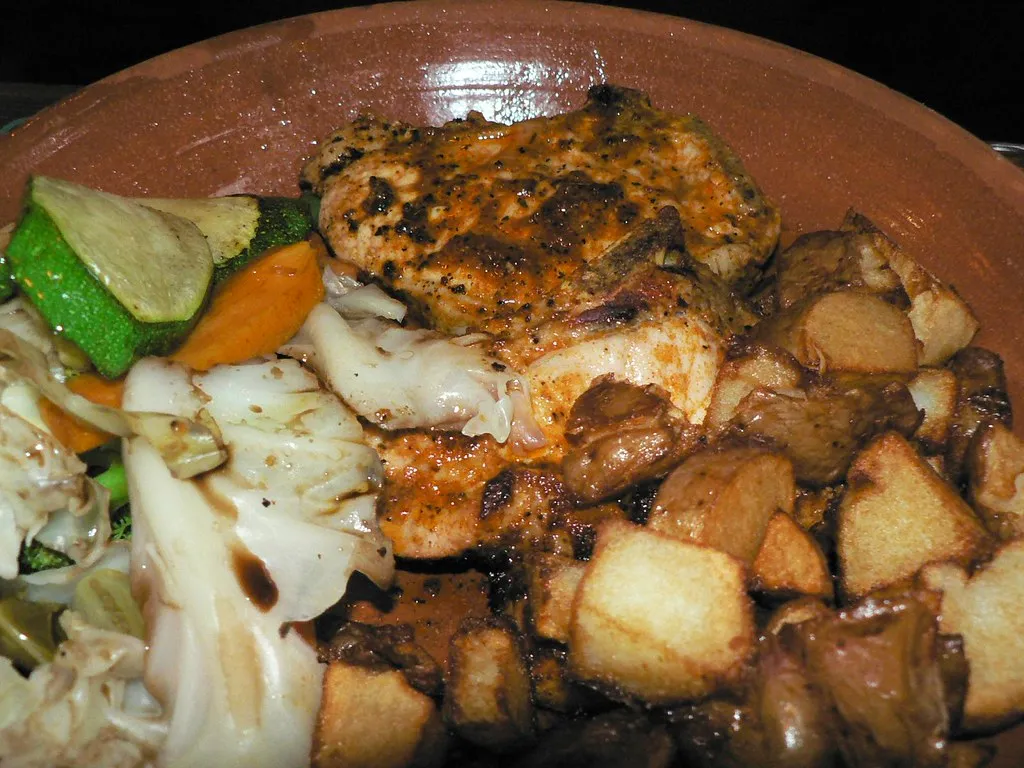
Autumn (September to early November) is the second-best window and arguably the most atmospheric. Harvest season runs from late August through October across Alentejo's wine estates. You can book a vindima (grape harvest) stay at estates like Herdade do Esporão or São Lourenço do Barrocal, pick grapes in the morning, and eat at a farm table in the afternoon. Inland temperatures average 20–26°C in September, dropping to 19–22°C in October. Rain arrives in earnest only in November.
Summer (July–August) is extreme inland. Évora and Beja routinely hit 40°C, and there is very little shade on the plains. Most serious hiking stops in this window. However, the coast at Porto Covo, Comporta, and Vila Nova de Milfontes is tempered by Atlantic breezes, keeping highs around 26–28°C. If you are splitting time between inland Alentejo and the coastal stretch, July and August work — just plan beach time in the morning and save villages for late afternoon.
Winter (December–February) brings genuine quiet and four to six hours of sun daily. Rainfall peaks in December and January. The upside: pousadas and boutique herdades cut rates by 30–50%, Évora's Roman sites are crowd-free, and almond blossom starts lighting up the lower plains from late February. It is a strong option for anyone who wants Alentejo at its most local and unhurried.
Alentejo Weather by Month
The inland and coastal zones behave differently enough to treat separately. Évora (inland) sees the harshest summer heat and the coldest winter nights. The Alentejo coast (Porto Covo, Comporta, Vila Nova de Milfontes) is consistently 6–8°C cooler in July and August thanks to the Atlantic. Use these benchmarks when choosing your base.
- January: 9°C min / 16°C max / 97mm rain. Quiet, affordable, and occasionally frosty overnight.
- February: 10°C / 16°C / 73mm. Almond blossom begins in the Alentejo lowlands. Good for photography.
- March: 10°C / 17°C / 54mm. Early wildflowers appear. Weather unpredictable — pack a rain layer.
- April: 11°C / 19°C / 42mm. Peak wildflower season. Storks nesting. One of the best months overall.
- May: 13°C / 21°C / 29mm. Excellent hiking and cycling weather. Coast begins to warm.
- June: 16°C / 24°C / 15mm. Warm, mostly dry. Busy at the coast but still manageable inland.
- July: 17°C / 26°C+ inland (often 38–42°C). Stick to mornings and the coast.
- August: Similar to July. Portuguese holiday month — coastal resorts full. Festivals and outdoor cinema events at Alqueva.
- September: 18°C / 26°C. Harvest season starts. Sea still warm. One of the most rewarding months.
- October: 15°C / 22°C / 55mm. Vineyards turn gold. Fewer crowds. Excellent for long walks.
- November: 12°C / 19°C / 85mm. Rain increases. First frosts possible at altitude (Marvão).
- December: 10°C / 16°C / 99mm. Slowest month. Christmas markets in Évora and Beja.
For a broader look at how Alentejo compares to other Portuguese regions across the calendar, see our Portugal weather by month guide.
| Month | Min Temp | Max Temp | Rainfall | Best For |
|---|---|---|---|---|
| January | 9°C | 16°C | 97 mm | Budget travel, quiet sightseeing |
| February | 10°C | 16°C | 73 mm | Almond blossom, photography |
| March | 10°C | 17°C | 54 mm | Early wildflowers (pack rain layer) |
| April | 11°C | 19°C | 42 mm | Peak wildflowers, storks, culture |
| May | 13°C | 21°C | 29 mm | Hiking, cycling, coastal walks |
| June | 16°C | 24°C | 15 mm | Warm days, coast warming up |
| July | 17°C | 38–42°C | ~5 mm | Coast only; inland heat extreme |
| August | 17°C | 38–42°C | ~4 mm | Coastal resorts, Alqueva evenings |
| September | 18°C | 26°C | ~25 mm | Harvest season, wine estates |
| October | 15°C | 22°C | 55 mm | Vineyards, long walks, stargazing |
| November | 12°C | 19°C | 85 mm | Quiet travel, olive harvest |
| December | 10°C | 16°C | 99 mm | Christmas markets, low prices |
Spring in Alentejo: Wildflowers, Roman Ruins, and Empty Roads
April and May are the months most recommended by guides, operators, and repeat visitors alike. The landscape transitions from winter green to a tapestry of lavender, yellow broom, and red poppies that cover the plains between Évora and the Spanish border. Driving the backroads between Monsaraz and Mourão in April is one of the most visually striking drives in southern Portugal.
Spring is the prime season for walking the Rota Vicentina, the long-distance trail system that links the Alentejo coast to the Algarve. The Fishermen's Trail section between Porto Côvo and Odeceixe is the most popular stretch. Temperatures in the high teens keep the effort manageable even with a loaded pack. The coastal wildflowers — sea stocks, thrift, and yellow horned-poppy — peak alongside the inland fields in May.
Cultural sites are fully open and genuinely uncrowded. You can walk straight into the Roman Temple of Diana in Évora or climb the walls of Marvão without queuing. Easter week (Semana Santa) in Alentejo draws some domestic visitors, so book accommodation two to three months ahead if your dates fall in that window. Outside Easter, a one-week booking lead time is generally enough through April.
See our dedicated guide on Portugal in spring for a full breakdown of what opens, what blooms, and which regions are worth combining with Alentejo during March through May.
April and May are the most recommended months for first-time visitors: wildflowers peak across the plains, storks are nesting on castle towers, and cultural sites like Évora's Roman Temple are fully open and uncrowded. If your dates fall in Easter week, book accommodation two to three months in advance.
Summer in Alentejo: Coast vs Inland
July and August split Alentejo into two very different experiences depending on where you are. Inland, the heat is serious. Temperatures of 40°C or above are routine in Évora, Beja, and the eastern Alentejo plains toward Elvas and Portalegre. Sightseeing is possible only in the early morning (before 10:00) or after 17:00. Midday is genuinely dangerous for sustained outdoor activity, and most locals disappear indoors for a long siesta.
The coast is a different story. The Atlantic buffers Comporta, Porto Covo, and Vila Nova de Milfontes to a manageable 26–28°C even in peak summer. Comporta is the most fashionable of the three — rice paddies, pine forest, and long empty beaches that have drawn Portuguese families and European designers since the 1990s. The village fills completely in August; book at least three months ahead for this month. Porto Covo is slightly more relaxed but also fills quickly. Vila Nova de Milfontes offers the best mix of beach access, good restaurants, and relative space.
If you are visiting in summer, plan Évora for a single day with an early start, keep the bulk of your time on the coast, and use evenings at Alqueva Lake for the famous stargazing. Our guide on Portugal in summer covers the full coastal and inland trade-offs across the country.
Inland Alentejo in July and August regularly reaches 40°C or above in Évora, Beja, and the eastern plains. Sustained outdoor activity between 10:00 and 17:00 is genuinely dangerous — plan sightseeing for early mornings only and shift the rest of your time to the Atlantic coast, where temperatures stay around 26–28°C.
The Dark Sky Reserve: Why Autumn Is the Best Time to Stargaze at Alqueva
The Alqueva region holds a Starlight Tourism Destination certification — one of the first in the world — awarded in 2011. The Dark Sky Alqueva programme, managed by the municipality of Reguengos de Monsaraz, coordinates guided observation sessions and enforces local lighting ordinances to protect the reserve's exceptional darkness. The lake sits in a flat, sparsely populated basin in eastern Alentejo where light pollution is almost nonexistent. On a clear night in September or October, the Milky Way is visible with the naked eye from any point outside a village. This is genuinely rare in western Europe and almost completely absent from SERP competitor coverage of "best time to visit Alentejo."
The optimal stargazing window runs from late September through November. Nights are long enough to make a session worthwhile, summer heat has passed, and the Alqueva basin sees very low cloud frequency in this period. The Centro Internacional de Investigação do Espaço (CIÊNCIA VIVA) in Monsaraz runs guided night sky observation tours — sessions last 90 minutes, cost around €12 per adult, and are booked through the Aldeia de Monsaraz tourist office. New moon nights (check almanac.com for 2026 new moon dates) are the best nights; avoid the three nights either side of a full moon.
Accommodation near the lake in Mourão and Reguengos de Monsaraz is significantly cheaper than Évora — a good double room in a rural casa runs €60–90 in autumn. Houseboat rental on the Alqueva reservoir is available from operators in Amieira Marina and starts at around €180 per night for a four-berth boat, making it a surprisingly affordable base for multi-night exploration of this part of the Alentejo interior.
Autumn Harvest Season: Wine Estates and Olive Picking
Alentejo produces more than half of Portugal's bottled wines. The Alentejo DOC covers eight sub-regions, with Reguengos, Borba, Redondo, and Vidigueira being the most visitor-friendly. The harvest (vindima) runs roughly from late August in lower-lying estates through to mid-October at higher elevations like those around Portalegre. Many estates invite paying guests to join the harvest and follow the grapes from vine to tank.

Herdade do Esporão near Reguengos de Monsaraz is the most structured for tourism — it runs harvest-week packages that include picking, guided cellar tours, and farm meals. Fitapreta in Évora is smaller and more experimental; winemaker Antonio Macanita ages some wines in Roman-style clay amphoras, an almost-forgotten technique that produces wines unlike anything else in the region. His winery occupies a 14th-century palace and accepts visitors by appointment. Quinta do Quetzal in Vidigueira (50 minutes from Évora, two hours from Faro) is the most multidisciplinary: the former winery now combines a restaurant, art centre, and boutique hotel, with every dish featuring produce grown on the estate.
Outside the major estates, the olive harvest runs October through December. Small farms around Elvas and Campo Maior produce olive oils with a characteristic peppery finish — a different profile from the milder oils you find in the Algarve. Roadside farm shops open their doors from October, and prices per litre are roughly 40% cheaper than supermarket equivalents in Lisbon.
The Alqueva Lake: Water Sports, Houseboats, and Medieval Monsaraz
The Alqueva reservoir is the largest artificial lake in western Europe, covering 250 square kilometres and stretching into both Portugal and Spain. It was created in 2002 by damming the Guadiana River, transforming what had been dry scrubland into a major freshwater ecosystem. Today it supports kayaking, stand-up paddleboarding, sailing, and houseboat tourism throughout the warmer months.
The best time for water activities on Alqueva is June through September. Summer water temperatures reach 24–26°C, and the lake is calm enough for beginners. Amieira Marina, on the western shore, is the main hub for houseboat rentals and motorboat hire. If you only have a day, a sunset kayak from the marina toward the flooded ruins of the old Aldeia da Luz village (deliberately submerged when the dam was built) is a 3-hour round trip and bookable on arrival.
Monsaraz sits on the ridge above the eastern shore — a fortified medieval village of just 150 permanent residents. Its walls offer the most photographed view in Alentejo: white houses reflected in the blue water below. The village is small enough to walk end to end in 20 minutes and is best visited at sunset or early morning before the day-trip coaches arrive. The São Lourenço do Barrocal hotel, set on a 2,000-acre estate with working farm and winery just outside Monsaraz, is the most acclaimed place to stay in this part of Alentejo.
Évora and the Culture of the Alentejo Interior
Évora is a UNESCO World Heritage city (inscribed 1986) and the cultural capital of Alentejo. It holds a Roman temple, a medieval cathedral, an aqueduct, and the Chapel of Bones (Igreja de São Francisco) — a small ossuary whose walls and ceiling are lined with the skulls and bones of over 5,000 monks. The Chapel is open daily and entry costs €5 per adult. Winter and early spring give you the best chance of seeing it without a crowd.
The city's museum, the Museu de Évora, holds Roman sculpture, Flemish altarpieces, and Portuguese painting from the 16th to 18th century in a former bishop's palace. Entry is €3. The Roman Temple itself is always accessible from the street and is lit at night — one of the better free sights in Portugal. The restaurant Fialho, operating since 1948, is a genuine institution: the walls are lined with hunting trophies and the menu preserves dishes like favada real de caça, a bean stew that was historically served to royalty after hunt days.
Beyond Évora, the marble town of Estremoz deserves a half-day. Its Saturday market is one of the best in southern Portugal, selling pottery, local cheeses, chouriço, and the distinctive Estremoz marble used in so many of the region's whitewashed buildings. The giant reservoir behind the 13th-century castle is a surreal sight. Nearby Borba and Vila Viçosa round out the marble triangle and are worth an afternoon if you're based in this part of Upper Alentejo.
Porto Covo, Vila Nova de Milfontes, and the Alentejo Coast
The Alentejo coast is protected by the Parque Natural do Sudoeste Alentejano e Costa Vicentina, one of the most intact stretches of Atlantic coastline in Europe. No large hotels are permitted within the park. The cliffs here are dramatic — dropping 50–100 metres to beaches accessible only by steep paths or seasonal boat services. This is not a resort coast; it is raw, windy, and beautiful.
Porto Covo is the starting point of the Fishermen's Trail (Trilho dos Pescadores), a coastal path that runs 226km south to Odeceixe. The trail passes through Alentejo before crossing into the Algarve. The best months for walking it are April–May and September–October. July and August are technically possible but sun exposure on the exposed cliffs makes the midday sections genuinely harsh. The trail is well-marked with the Rota Vicentina wooden signage — red and blue for the coastal route, yellow for the more inland Historical Way. Bring more water than you think you need: sources can be 15km apart on some coastal stages.
Comporta sits at the northern end of the Alentejo coast, technically in the Setúbal district but functionally part of the same coastal ecosystem. Its appeal is the combination of long flat beach, pine and eucalyptus forest, and a distinctly low-key glamour. Rice paddies line the road into the village. The seven villages of the Comporta area — Comporta, Carvalhal, Brejos da Carregueira, Pinheiro, Possanco, Torre and Landeira — are all within cycling distance. Horseback riding on the beach at sunset is bookable through local stables for around €35 per hour, and it remains one of the most memorable things to do along this entire coast.
How Many Days and How to Plan Your Alentejo Trip
Four to five days covers the essentials: two days in and around Évora, one day at Alqueva and Monsaraz, and two days on the coast at Vila Nova de Milfontes or Porto Covo. This is the most common structure for first-time visitors. A full week lets you add the eastern Alentejo (Elvas, Campo Maior, Marvão) or go deeper into wine country around Borba and Reguengos. Ten days allows a full Alentejo circuit without rushing.
A car is not optional — it is the only practical way to reach the small villages, the wine estates, and the coastal trail access points. Trains connect Lisbon to Évora (1h30 from Oriente) and Lisbon to Beja (2h10), but rural Alentejo is not served by public transport. Renting from Lisbon and dropping at Faro (or vice versa) is the cleanest road-trip structure: start at the top with Évora and Monsaraz, drive south through the wine country, and finish on the coast. Expect to pay €30–50 per day for a standard manual car from a major supplier.
Book accommodation three to four months ahead for July–August (especially coastal areas) and at least six weeks ahead for Easter and the harvest period in September–October. Outside those windows, Alentejo is not heavily booked and one-week lead times are generally sufficient. Turismo rural properties — rural farmhouses and converted estates — offer the most distinctive experience and are often cheaper than equivalent boutique hotels in Évora. Prices at quality rural properties run €80–150 per night in spring and autumn, dropping to €60–110 in winter.
Pack layers regardless of when you visit. Even in summer, evenings at altitude in Marvão or on the coast at Porto Covo drop fast once the sun is gone. Comfortable walking shoes with ankle support are essential — Alentejo's cobblestoned historic centers are uneven and slippery after rain. SPF 50 sunscreen is the most important item from June through September, when the UV index regularly hits 9 or 10 even in the morning.
Moura: The Overlooked Alentejo Town Worth a Detour
Moura sits in the southeastern corner of Alentejo, close to the Spanish border, and is rarely included in standard Alentejo itineraries. That oversight is one of the best reasons to go. The town's Mouraria district — the former Moorish quarter — is a dense tangle of whitewashed alleys and flower-draped balconies that stays naturally cool even in summer. Moura held a significant Moorish population until 1166 and the street plan still follows medieval Islamic logic: narrow, shaded, and oriented to minimize sun exposure.

The town is also known for its legend of Saluquia, a Moorish princess who allegedly drowned herself when she realized she had accidentally opened the city gates to Christian crusaders. A statue to her stands near the castle. The castle itself offers elevated views over the white town and the surrounding olive groves. Visiting in winter or early spring is ideal — there are very few tourists and local cafes are unhurried. The regional cuisine around Moura leans heavily on black pork, dried figs, olive oil, and the bread-and-coriander soup açorda, which is served in nearly every local restaurant.
Frequently Asked Questions
What is the Alentejo?
Alentejo is a large geographic region in south-central Portugal known for its rural landscapes, cork production, and historic cities like Evora. It covers nearly a third of the country and offers a slower pace of life compared to Lisbon or the Algarve. Travelers visit for the wine, food, and ancient ruins.
Which best time to visit alentejo portugal options fit first-time visitors?
First-time visitors should aim for the spring months of April and May for the best weather and scenery. You will enjoy mild temperatures and see the famous wildflowers in bloom. This timing also avoids the extreme heat of the summer months, making sightseeing much more comfortable.
How much time should you plan for best time to visit alentejo portugal?
You should plan for at least four to five days to see the main highlights of the region properly. This allows for two days in the historic center of Evora and a few days to explore the coast or the Alqueva Lake. A full week is ideal if you want to include wine tours.
What should travelers avoid when planning best time to visit alentejo portugal?
Avoid visiting the inland areas during July and August if you are sensitive to extreme heat. Temperatures often exceed 40 degrees Celsius, which can make outdoor activities dangerous or unpleasant. Also, avoid relying solely on public transport as it limits your ability to reach the best rural spots.
Alentejo rewards visitors who match their trip to the season. Spring and autumn consistently deliver the most balanced experience — comfortable temperatures, natural beauty at its peak, and a region that has not yet hit capacity. Summer is viable on the coast but punishing inland. Winter is the best-kept secret: quiet, affordable, and genuinely local.
Whatever month you arrive, rent a car. Book ahead for Easter, harvest season, and August on the coast. Pack layers for evenings and strong sun protection for the middle of any day from April onwards. The region covers a huge area and rewards slow travel — a week is better than a long weekend, and ten days better than a week.
For broader context on planning a Portugal trip around the best weather windows, see our guide on the best time to visit Portugal and the Portugal weather by month reference page.
Explore More Portugal Seasonal Guides
More guides for planning your Alentejo trip and timing your visit to Portugal's other regions.
Portugal Seasonal Planning
- Best Time to Visit Portugal 2026: Complete Seasonal Guide
- Portugal Weather by Month
- Portugal Festivals by Month 2026
Best Time to Visit — By Region
 Where To Stay In Évora Travel GuideJune 8, 2026