

10 Best Areas to Stay in Lisbon for the First Time (2026)
Plan where to stay in lisbon for the first time with top picks, neighborhood context, timing tips, and practical booking advice for a smoother trip.
On this page
10 Best Neighborhoods Where to Stay in Lisbon for the First Time
After five visits to Lisbon over the last decade, I have seen this city transform from a hidden gem into a global favorite. Choosing the right base is the most critical decision you will make for your first trip to the Portuguese capital. This guide reflects my latest scouting trip in early 2026 to ensure the recommendations remain fresh and accurate.
Lisbon is famously known as the City of Seven Hills, which means your choice of neighborhood dictates your daily workout. Staying in the wrong spot could leave you hiking steep cobblestone inclines every time you return to your hotel room. I have updated this guide as of January 2026 to include new boutique openings and transport changes across the city.
First-time visitors often gravitate toward the historic center, but several emerging districts offer better value and more local character. We have reviewed every major neighborhood to help you balance convenience, budget, and authentic atmosphere. Whether you want the fado-filled alleys of Alfama or the luxury boutiques of Avenida da Liberdade, this list covers it all.
Quick guide to Lisbon's neighbourhoods
Understanding Lisbon's layout starts with the Tagus River as your southern border and orientation point. The city center divides roughly into the flat valley of Baixa and the steep hills rising on either side. Most first-time travelers do best staying near the metro's Green or Blue lines for seamless access to the airport and main train stations. The official Lisbon tourism site provides detailed neighborhood maps to help orient yourself before booking.
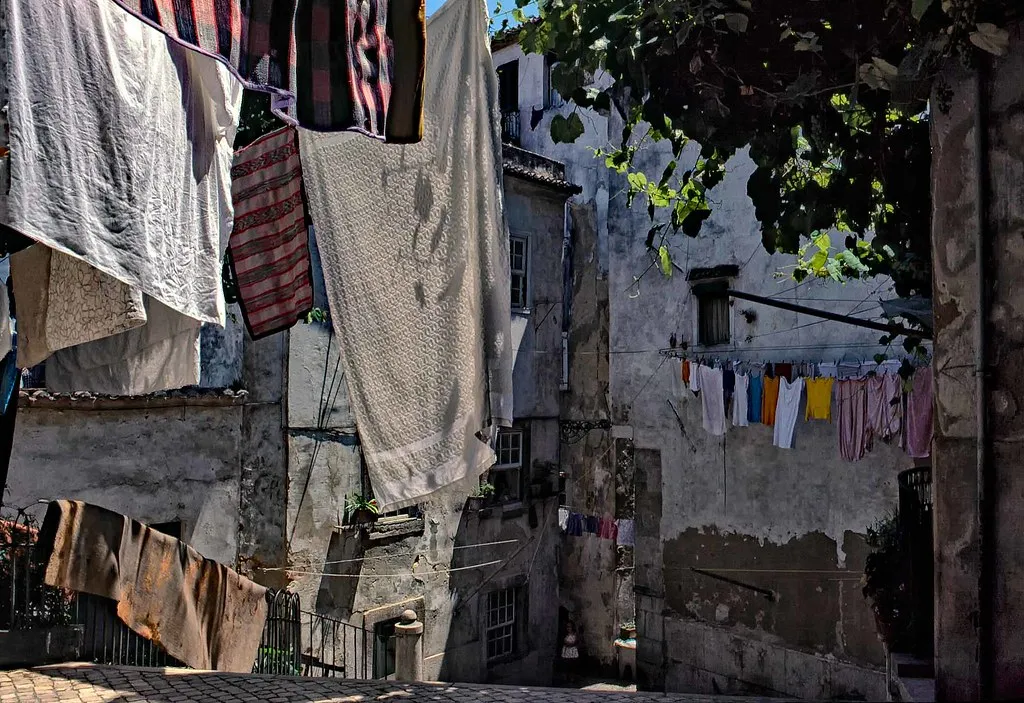
The western side of the center includes Chiado and Bairro Alto, famous for shopping, dining, and nightlife. To the east lies Alfama, the oldest district, where streets are too narrow for most cars. If you want a more modern feel, looking north toward Avenidas Novas provides wider boulevards and contemporary chain hotels.
Here is a quick reference for how each area stacks up for a first visit in 2026:
- Baixa & Chiado — flattest terrain, most central, best transport links, highest tourist density
- Príncipe Real — stylish, walkable, slightly hilltop but manageable, local crowd
- Bairro Alto — hilly, no metro, excellent nightlife, quiet by day
- Alfama — steep and atmospheric, cobblestones, immersive but physically demanding
- Avenida da Liberdade — grand boulevard, 4–5 star hotels, easy metro, less intimate
- Avenidas Novas — north of center, practical, modern, good value for families
- Santos & São Bento — quiet, design-led, served by the 15E tram, fewer crowds
- Anjos & Intendente — multicultural, cheapest central option, improving fast
- Belém — riverside, peaceful, requires a commute to the historic center
Transportation is affordable throughout, but the iconic yellow trams are often packed with tourists rather than locals. The Lisbon Metro operates from 6:30 a.m. until 1:00 a.m. daily and is your fastest option between neighborhoods. Walking remains the best way to experience the city, provided you have sturdy shoes with good grip for the slippery limestone pavement. Check your mobility needs carefully before booking a charming attic apartment in the steepest parts of the city.
| Neighborhood | Nightly Rate (mid-range) | Terrain | Nearest Metro | Best For |
|---|---|---|---|---|
| Baixa & Chiado | €130–€220 | Flat | Baixa-Chiado (Green/Blue) | First-timers, easy access |
| Príncipe Real | €100–€250 | Gentle slope | Rato (Yellow, 10 min walk) | Style-seekers, local feel |
| Bairro Alto | €80–€160 | Steep | Baixa-Chiado (10 min walk) | Nightlife lovers |
| Alfama | €110–€200 | Very steep | Santa Apolónia (Blue) | Atmosphere seekers |
| Avenida da Liberdade | €180–€600 | Flat | Avenida / Marquês (Yellow) | Luxury travelers |
| Avenidas Novas | €140–€210 | Flat | São Sebastião (Blue/Yellow) | Families, business |
| Santos & São Bento | €120–€190 | Flat to hilly | Cais do Sodré (Green) | Design & culture lovers |
| Anjos & Intendente | €90–€140 | Flat | Anjos/Intendente (Green) | Budget travelers |
Príncipe Real: The Trendsetter's Choice
Príncipe Real is the most fashionable district in Lisbon and, for many travelers, the single best neighborhood for a first stay. The area centers around a lush garden square where locals gather for coffee under the shade of a giant cedar tree on Rua da Escola Politécnica. You will find concept stores, independent designers, and some of the city's most creative restaurants all within a few minutes' walk.
The neighborhood sits just north of Bairro Alto, which means it feels significantly more local than Baixa while still being within walking distance of the major sights. Boutique hotels here typically run €150–€250 per night, with smaller guesthouses available around €100–€130. The best-value option is reaching it via a 10-minute walk from the Rato metro station (Yellow Line) or the 24E tram from Cais do Sodré.
The yellow trams frequently pass through this neighborhood, as captured in the well-known photo by Nan Palmero from San Antonio, TX, USA. The slopes heading toward the river are gentle enough for most visitors, but if you are traveling with heavy luggage or have knee concerns, confirm that your hotel has a lift before booking. Stay here if you want a sophisticated atmosphere that balances historic charm with a contemporary lifestyle without the mass-tourism crowds of Baixa.
.jpg)
Baixa & Chiado: Why Stay in Lisbon's Historic Heart?
For a first-time visitor, Baixa and Chiado offer the strongest logistical case of any neighborhood in Lisbon. Baixa was rebuilt on a grid after the 1755 earthquake, resulting in wide, flat streets that are easy to navigate with luggage. Choosing a hotel here puts you within 10 minutes' walk of Rossio Square, Praça do Comércio on the riverfront, the Santa Justa Lift, and the Baixa-Chiado metro interchange — the busiest transit hub in the city.
Chiado sits just above Baixa and provides a more upscale feel with beautiful plazas and historic bookshops. It is the intellectual heart of the city, where the statue of poet Fernando Pessoa stands outside the famous Café A Brasileira on Rua Garrett. Many travelers find that staying here saves significant transit time, making it possible to return to the hotel for a midday break between sightseeing stretches.
The main trade-off is crowds and noise. Tour groups fill the main streets from 09:00 onwards, and restaurant pricing on Rua Augusta runs 20–30% higher than side streets two blocks east. Mid-range hotels typically cost €130–€220 per night. I suggest looking for boutique hotels on the quieter side streets off Rua do Carmo to get the character of Chiado without the full street noise. Baixa is the right base if you want the flattest terrain, the fastest access to public transport, and no uphill walk back to your room at the end of the day.
Bairro Alto: Nightlife and Panoramic Views
Bairro Alto rises steeply just north of Chiado and is Lisbon's primary nightlife district by evening. By day it is quiet and residential, with bakeries, small grocers, and a handful of independent restaurants that serve lunch to local workers. By 21:00 the streets fill with bar-hoppers, and by midnight the area operates at full volume, which continues until at least 02:00 on weekends.
This district is ideal for younger travelers or those who genuinely want to be in the center of Lisbon's bar scene without paying for a taxi home. The neighborhood has no metro station — the nearest is Baixa-Chiado on the Green Line, about a 10-minute walk downhill. Prices for hostels and guesthouses are competitive, ranging from €80–€160 per night.
The honest warning: the narrow streets act as sound amplifiers, and double-glazed windows are not standard in older buildings here. If you value sleep, request a room facing an interior courtyard rather than the street. Bairro Alto is best enjoyed as a base if you plan late nights out, but families, older travelers, and light sleepers are better served by Príncipe Real or Baixa, which offer similar daytime access without the nocturnal noise.
Alfama: Charming Cobblestone Lanes
Alfama is the oldest district in Lisbon, predating the 1755 earthquake entirely, and it is the only neighborhood where you can genuinely hear fado music drifting out of small restaurants on a weeknight. The winding alleys, miradouros (viewpoints), and terracotta rooftops give it an atmosphere that no other part of the city can replicate. Staying here makes the city feel lived-in rather than like a backdrop for tourism.
The trade-offs are real. Streets are steep, uneven, and genuinely hazardous in wet weather — Portuguese limestone calçada pavement has the surface friction of ice when damp. Most properties are reached by narrow stairways with no elevator, and taxis will refuse to enter certain lanes. A property such as the Alfama Lisbon Lounge Suites positions you well for access while still being within the atmosphere of the quarter. Expect to pay €110–€200 for a traditional apartment in this area.
Alfama is the right choice for travelers who prioritize character and are physically comfortable with steep daily walks of 15–20 minutes each way. It is a poor fit for visitors with heavy luggage, mobility limitations, strollers, or anyone who wants to return easily from a late night out across the city. If Alfama's atmosphere appeals but the access concerns you, consider staying in Chiado and making a half-day visit to the district instead.
Portuguese limestone calçada pavement becomes extremely slippery when wet — Alfama's steep lanes can be hazardous in damp conditions. Wear shoes with genuine rubber grip and avoid smooth-soled footwear, especially after rain.
Avenida da Liberdade: Leafy Luxury Avenue
Avenida da Liberdade is Lisbon's answer to the Champs-Élysées — a wide, tree-lined boulevard running north from the Restauradores metro station to the Marquês de Pombal roundabout. The central pedestrian walkway is shaded by large plane trees, making it one of the most pleasant walks in the city during the hot summer months. International luxury brands, flagship hotels, and embassies line both sides.

This is the best choice for travelers seeking a polished, full-service hotel experience with easy metro access to the waterfront and Baixa. Five-star international hotels here typically charge €300–€600 per night, while four-star options closer to Marquês de Pombal run €180–€280. The Yellow Line metro runs the full length of the avenue with stops at Avenida and Marquês de Pombal, making airport transfers straightforward via the Blue Line interchange at Marquês.
The neighborhood does lack intimacy. You will not stumble on a neighborhood tasca or a local market on your doorstep. The atmosphere is polished but impersonal, which suits business travelers or those on a short trip who want maximum comfort and minimum logistical friction. Walk down the central pedestrian path to enjoy the shade of the massive trees during the hot afternoon; then take the metro two stops south to Rossio to reach the historic center in under five minutes.
Avenidas Novas: Lisbon's Modern Business Heart
Avenidas Novas sits north of the traditional city center and is built on a grid of wide boulevards that feel entirely different from the cramped historic quarters. This is where Lisbon's business community operates, and the hotel stock reflects it: larger rooms, more reliable lifts, underground parking, and better sound insulation than the converted palaces of the old city. Major chains including Marriott, NH, and Intercontinental have properties here.
The area is well connected by the Yellow and Blue metro lines, with stops at São Sebastião, Picoas, and Marquês de Pombal within easy reach. São Sebastião is particularly useful — it puts the Calouste Gulbenkian Museum (one of the finest in Europe, open Tuesday–Sunday 10:00–18:00, €10 adult entry) a 3-minute walk away. Rates are more stable here than in the historic center, averaging €140–€210 per night even during the busy summer months.
The honest downside is distance from the atmosphere most visitors come to Lisbon to experience. You will need a metro or tram ride every time you want to walk the riverfront or explore the historic quarters. Avenidas Novas is the practical choice for families who need space, business travelers, or anyone who has already spent time in the historic center on a previous visit and wants a quieter, more comfortable base this time around.
Santos & São Bento: Polished, Cool, Under the Radar
Santos is officially designated Lisbon's design district, and the concentration of architecture studios, furniture showrooms, and concept restaurants here is genuine rather than marketing. São Bento, immediately uphill, contains the Portuguese Parliament building and a string of elegant residential streets lined with azulejo-tiled facades. The overall atmosphere is relaxed and local — you will see far fewer tour groups here than in Baixa or Alfama. Cultural attractions including the National Museum of Ancient Art are nearby and make this a natural base for culture-focused travelers.
The 15E tram runs along the riverside through Santos and connects the neighborhood to Belém in one direction and Cais do Sodré (with onward metro access) in the other. The National Museum of Ancient Art (Museu Nacional de Arte Antiga), which holds the largest collection of Portuguese art in the world, is a 5-minute walk from most accommodation in this area. Mid-range hotels and guesthouses run approximately €120–€190 per night.
Santos and São Bento suit travelers who have done some research and want a genuinely local base without being too far from the action. The area is mostly flat near the river but rises steeply toward the São Bento parliament hill. If you are considering this neighborhood, make sure your specific hotel address is either near the 15E tram stop on Rua de São Paulo or close to the Cais do Sodré metro station for maximum convenience.
Anjos & Intendente: The Gritty Creative Edge
These two adjoining neighborhoods north of Mouraria were, until around 2015, genuinely rough areas that most guidebooks advised avoiding. The regeneration since then has been dramatic. Intendente's main square — Largo do Intendente — is now lined with cafes and hosts a weekend artisan market, while Anjos has attracted a wave of independent restaurants, vintage shops, and creative studios. The demographic is young, international, and increasingly mixed between long-term residents and newer arrivals.
For budget-conscious travelers, this is the cheapest central base in Lisbon. Standard rooms cost between €90–€140 per night, and the Green metro line provides a 5-minute ride to Baixa-Chiado. The Cervejaria Ramiro, widely considered the best seafood restaurant in Lisbon, is a 10-minute walk away — go before 13:00 for lunch to avoid the legendary two-hour dinner queues.
The area does not have the polished finish of Príncipe Real or the famous landmarks of Baixa. Some streets immediately adjacent to the main squares are still in transition, meaning you might pass a closed shopfront or two on your walk back from dinner. Anjos and Intendente are the right call for travelers who want to keep accommodation costs low without leaving the central metro zone, and who enjoy the authentic texture of a neighborhood that is genuinely in the middle of becoming something interesting.
The One Decision Most First-Timers Get Wrong: Hills, Lifts, and Luggage
Every neighborhood guide mentions that Lisbon is hilly, but almost none explains what this means in practice for hotel selection. The slope gradient in Alfama, the upper part of Bairro Alto, and the streets immediately west of Príncipe Real's main garden regularly reaches 12–18%. Walking up a 15% incline with a 20 kg suitcase after a long-haul flight is significantly harder than it sounds when looking at a map in advance.
The more important issue is building lifts. Most of Lisbon's converted 18th and 19th century accommodation — the palacetes and historic apartment buildings that make photos look beautiful — were built before elevators existed and have not been retrofitted. A boutique guesthouse listed on a booking platform at four stars can legitimately have three floors of stone staircase and no lift. This affects travelers with knee or hip problems, parents with strollers, and anyone checking in with luggage that weighs more than they do.
The practical fix is simple but often skipped: email the property directly before booking and ask two questions. First, does the hotel have a lift to all floors? Second, is the front door accessible directly from a paved street or up steps? Both Baixa and Avenida da Liberdade have the highest proportion of properties with reliable lift access because their buildings are newer or have been more thoroughly modernized. If mobility is a meaningful factor in your planning, those two areas should sit at the top of your shortlist regardless of other preferences.
Before booking any boutique guesthouse in a historic building, email the property directly to confirm it has a lift and a street-level entrance. Listings on booking platforms do not consistently flag staircase-only access, and discovering this on arrival with heavy luggage is a common first-timer frustration.
Belém: Historic Waterfront and Pastries
Belém sits several kilometers west of the center along the river and houses two of Lisbon's most visited monuments: the Jerónimos Monastery (open Tuesday–Sunday 10:00–18:30, €10 adult) and the Belém Tower (open Tuesday–Sunday 10:00–18:30, €6 adult). The riverside promenade here is wide, traffic-free, and a genuinely pleasant place to spend a morning. The area feels completely different from the dense historic center — quieter, more spacious, and oriented around outdoor life rather than nightlife.
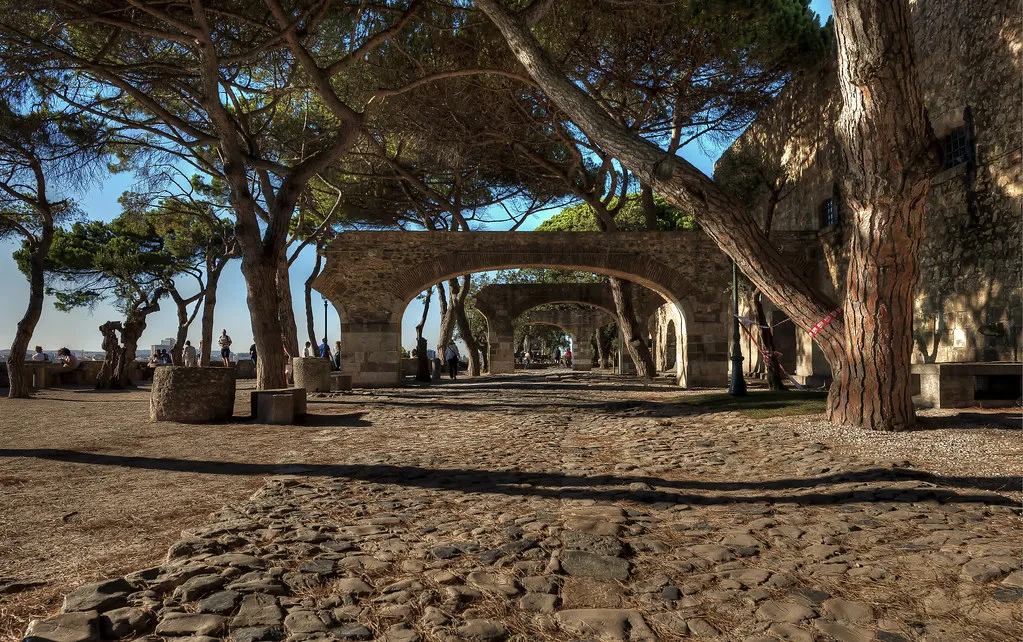
Hotel prices range from €150–€280 per night, and most monuments close on Mondays. The 15E tram runs from Cais do Sodré to Belém in about 30 minutes, or you can take it further using the local commuter train from Cais do Sodré station, which reaches Belém in 12 minutes for €1.65. The famous pastéis de nata from the Antiga Confeitaria de Belém bakery on Rua de Belém taste best mid-morning when the pastry is still warm — visit before the tour buses arrive at 10:00 or after 17:00 when the queues shorten.
Belém is the right base if you have already visited Lisbon before and want a slower-paced, museum-heavy itinerary away from the city center crowds. For first-timers wanting to see all the neighborhoods and landmarks in three or four days, staying in Belém adds a guaranteed daily 30-minute commute to every other sight on your list. Consider it as a day trip from a central base rather than your primary accommodation zone on a first visit.
Frequently Asked Questions
Which area of Lisbon is best for a first-time visitor?
Baixa and Chiado are the best areas for first-time visitors due to their central location and flat terrain. These neighborhoods provide easy access to major landmarks, public transport, and a wide variety of dining options. Most travelers find that staying here minimizes travel time and maximizes their sightseeing opportunities.
Is Lisbon an expensive city to stay in?
Lisbon offers a wide range of prices, but it remains one of the more affordable Western European capitals. You can find quality mid-range hotels for $130–$200 per night in the center. Budget travelers can find even better deals in areas like Anjos or by booking highly-rated hostels.
How many days should I stay in Lisbon for the first time?
Three to four days is the ideal duration for a first trip to Lisbon. This timeframe allows you to explore the historic center, visit the monuments in Belém, and take a day trip to Sintra. If you have five days, you can also include a relaxing afternoon at the beaches in Cascais.
Choosing where to stay in Lisbon for the first time depends largely on your priorities for comfort and atmosphere. The city offers everything from the historic soul of Alfama to the modern luxury of Avenida da Liberdade. By selecting one of the neighborhoods on this list, you ensure a base that is safe, accessible, and full of character.
Remember to book your stay early and pack comfortable walking shoes for those famous limestone hills. Lisbon is a city that rewards those who explore its narrow alleys and hidden viewpoints on foot. This 2026 guide should help you fall in love with the Portuguese capital and find exactly the right base for your trip.
 10 Best Family-Friendly Hotels in Lisbon (2026)May 29, 2026