

10 Best Cascais Tourism Attractions: A Complete Travel Guide (2026)
Discover the 10 best Cascais tourism attractions, from the Santa Marta Lighthouse to Boca do Inferno. Includes local tips on transport, dining, and hidden gems.
On this page
10 Best Cascais Tourism Attractions: A Complete Travel Guide
After visiting Cascais every summer for five years, I still find new layers to this coastal gem. It began as a humble fishing village before transforming into the glamorous summer retreat for the Portuguese royalty. Today, it offers a sophisticated blend of historic charm, world-class museums, and rugged Atlantic scenery. This guide was last refreshed in May 2026 to ensure all pricing and hours are accurate for your trip.
Cascais is often called the 'Portuguese Riviera,' yet it remains remarkably accessible for every type of traveler. Whether you want to explore the cultural Bairro dos Museus or lounge on golden sands, the town delivers. The geography here is famously flat, making it a refreshing alternative to the steep hills of Lisbon or Sintra. I have curated this list to help you navigate the very best Cascais tourism attractions with ease.
Key Takeaways
- Quick Pick: Best overall attraction is Boca do Inferno for its raw natural power.
- Quick Pick: Best for families is Parque Marechal Carmona with its ducks, peacocks, and playground.
- Quick Pick: Best rainy-day activity is the Paula Rego Museum (Casa das Histórias).
- Quick Pick: Best free activity is walking the Paredão boardwalk toward Estoril.
- Traveler Tip: Sit on the left side of the train from Lisbon for the best ocean views.
Must-See Cascais Attractions
The heart of the town is packed with landmarks that reflect its maritime history and royal past. Most of these sites are within walking distance of each other, clustered near the marina and the old center. You can easily cover the main highlights in a single day if you start your journey early. I recommend purchasing a Cascais Museum Pass (€10 for a 24-hour pass covering 13 venues) to save significantly on entry fees across multiple cultural sites.
The Cascais Museum Pass costs €10 and grants access to 13 venues for a full 24 hours from the moment of purchase. Buy it at the door of the first museum you visit — every venue in the Bairro dos Museus sells it.
Nature plays a massive role in the local appeal, with dramatic cliffs meeting calm, sandy coves. The contrast between the wild Atlantic at Boca do Inferno and the sheltered Praia da Rainha is striking. Visitors should prepare for varied weather, as the coastal breeze can be quite stiff even on sunny days. The following ten attractions represent the absolute essentials for any first-time or return visitor.
- The Dramatic Boca do Inferno Chasm
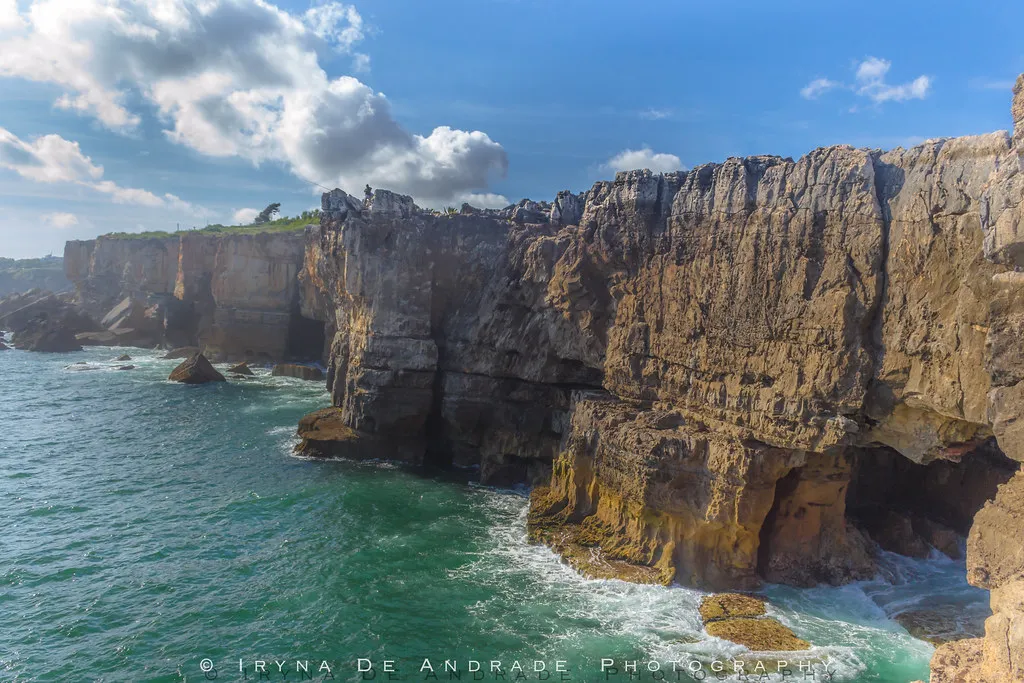
- This natural cliff formation features a massive archway where the Atlantic waves crash with incredible force. The name translates literally as "Mouth of Hell."
- Located a 20-minute walk west of the center, it is entirely free to visit and open 24 hours daily.
- The best time to visit is during high tide or a storm when the water truly roars through the cave. Many visitors time the walk to coincide with the evening golden hour for photography.
- Santa Marta Lighthouse and Museum
- This iconic blue-and-white striped lighthouse houses a museum dedicated to the history of Portuguese coastal signaling. The adjacent Santa Maria House is included on the same visit and has stunning azulejo tile facades.
- Admission is typically €5 per adult and it is open Tuesday through Sunday from 10:00 to 17:00.
- Climb the tower for a panoramic view of the marina and the surrounding turquoise waters. The small garden behind the lighthouse, often overlooked, has peaceful benches with sailboat views.
- The Historic Citadel of Cascais
- A fortress dating to 1594 that once protected the coast, it now serves as a luxury hotel, art district, and one of Cascais' most impressive free-entry courtyards.
- The courtyard is free to enter, though some interior galleries may have small fees or specific opening hours.
- Look for the Pestana Cidadela inside to see how ancient stone walls blend with modern art installations. The restaurant Taberna da Praça is located inside and is consistently rated one of the best seafood experiences in the region.
- Praia da Rainha Hidden Beach
- This tiny, secluded beach was once the private swimming spot of Queen Amelia and remains incredibly picturesque. Its sheltered position makes it the calmest swimming beach right in the town center.
- Tucked away right in the old town center, it is free to access but gets crowded very quickly on summer weekends.
- Arrive before 10:00 to snag a spot on the sand before the midday sun draws the crowds. For families with young children, the calm waters and proximity to town facilities make this the most practical choice.
- Museu Condes de Castro Guimarães
- Set within a stunning revivalist palace, this museum features rare books, Indo-Portuguese furniture, shamrock-painted ceilings (a legacy of its Irish architectural influences), and prehistoric archaeological finds.
- The building is located inside Parque Marechal Carmona and costs roughly €5 for a standard adult ticket. The museum pass covers entry.
- Don't miss the library, which houses a 16th-century manuscript that is considered a national treasure. The gardens surrounding the palace are beautiful and free to wander even before the museum opens.
- Mercado da Vila Local Market
- This bustling traditional market offers fresh fish, local produce, and several excellent contemporary food stalls inside a large covered tent with outdoor stalls along the perimeter.
- It is located near the train station and is most active on Wednesday and Saturday mornings. The organic farmers market occupies the outdoor section on Saturdays from 09:00 to 14:00.
- Entry is free, and it is the best place to find authentic Portuguese honey, cured cheeses, or Madeira bananas — tiny, sweet, and unlike anything in a supermarket.
- Parque Marechal Carmona Green Space
- A lush public park featuring wandering peacocks, shaded walking paths, a large pond with turtles, and a playground popular with families. In summer, the park hosts jazz festivals and outdoor cinema evenings.
- It is free to enter and serves as the perfect cool retreat during the heat of a summer afternoon.
- The park contains the ruins of a small chapel and a traditional library building. On weekends, the lawns fill with residents doing outdoor yoga and picnicking under the pines.
- Casa das Histórias Paula Rego
- This distinctive red pyramid-shaped building was designed by Pritzker Prize-winning architect Eduardo Souto de Moura to house the provocative figurative works of Paula Rego (1935–2022).
- Standard tickets are around €5, with the museum open from 10:00 to 18:00 Tuesday through Sunday.
- Plan on 90 minutes to do the collection justice. The museum shop is excellent for finding high-quality art books and unique Portuguese design gifts.
- Praia do Guincho Wild Coast
- A massive, wind-swept beach famous for surfing and windsurfing, located about 6 kilometers from the town center inside the Sintra-Cascais Natural Park.
- Access is free, and you can reach it via a scenic 30-minute bike ride along a dedicated coastal path. Electric bike rentals are available in town if the headwind on the return journey sounds daunting.
- Be aware that the strong winds and currents make it better for sports than casual swimming. On calmer days, the sand dunes behind the beach offer a sheltered spot to read.
- The Historic Old Town Streets
- The maze of cobblestone alleys in the center is filled with boutiques, traditional tile-covered houses, and flower-filled balconies. This is the original fishing village core, over 600 years old.
- Walking these streets is free, though you will likely be tempted by the many cafes and small galleries. Spring is the best season when bougainvillea blooms across every whitewashed wall.
- Wander away from the main pedestrian drag on Rua Frederico Arouca to find quieter squares where locals still hang their laundry out. The street art near Rua Ribeira das Vinhas is also worth tracking down for large-scale murals by Vhils and other Portuguese artists.
Museums, Art, and Culture in Cascais
The Bairro dos Museus is a dedicated cultural quarter that groups more than a dozen venues together within easy walking distance. This initiative makes Cascais one of the most concentrated art hubs in all of Portugal outside Lisbon. You can walk between the most famous galleries, like the Casa das Histórias, in less than five minutes. The Cascais Museum Pass (€10 for 24 hours) provides access to 13 sites — a worthwhile investment if you plan to visit more than two venues in a day. For a complete overview of all cultural attractions and events, Visit Portugal's official tourism guide features updated information on museum hours and seasonal closures.
Paula Rego is perhaps the most famous artist associated with the town, and her museum is a masterpiece in itself. The architecture of the building is just as significant as the provocative art found inside its walls. Visitors often spend about 90 minutes here exploring the rotating exhibitions alongside her permanent sketches and paintings. According to the museum's official guide, the structure was designed to mimic the chimneys of the Sintra National Palace.
The Museu Condes de Castro Guimarães rewards longer visitors with its peculiar design story. The palace was built with a strong Irish influence — look for the shamrocks painted onto the ceiling, a detail that surprises almost every visitor. The 16th-century manuscript in the library is one of the most significant illuminated documents in Portugal. After the museum, the adjacent gardens and lake are free to enjoy and make a natural follow-on before heading into the park.
Beyond the major galleries, the town is increasingly known for its vibrant street art scene. Large-scale murals by artists like Vhils can be found on several residential buildings near the train line. This modern edge contrasts beautifully with the traditional 19th-century architecture of the town center. Exploring these murals is a great way to see the local residential neighborhoods away from the tourist crowds.
Parks, Gardens, and Outdoor Spots in Cascais
Outdoor life in Cascais centers around the Paredão, a scenic three-kilometer sea wall connecting the town to Estoril. Locals use this path for morning jogs and sunset strolls, passing several small beaches along the way. The walk takes about 40 minutes at a leisurely pace and offers constant views of the Atlantic. You will find numerous kiosks serving cold drinks and coffee along the entire length of the boardwalk, and several ocean swimming pools are accessible directly from the path.
The Piscina Oceânica, situated along the boardwalk, is a tidal seawater pool formed by wave-filled rock structures. It is a favorite for families because the enclosed water is calmer than the open ocean, and the deck area provides good shade. Admission is modest in summer, typically around €10 for a full day. This is a smart alternative on days when the open beaches feel overly crowded.
Parque Marechal Carmona is the town's primary green lung, offering deep shade and manicured gardens. It is a favorite for families because of the large playground and the free-roaming peacocks and roosters. The park also contains the ruins of a small chapel and a traditional library building. On weekends, the lawns are often filled with residents enjoying picnics or outdoor yoga sessions.
For those seeking more active pursuits, the cycle path to Guincho is a must-do experience. This nine-kilometer paved trail runs parallel to the ocean, offering spectacular views of the rugged coastline. You can rent standard or electric bikes at several stations throughout the town, including Aqua Start near the marina. The path is mostly flat, though the Nortada headwind on the way to Guincho can be quite challenging — if you are not a confident cyclist, an e-bike makes the return journey far more enjoyable.
The Wild Edge: Sintra-Cascais Natural Park and Cabo da Roca
Most visitors never leave the town center, which means the most dramatic scenery in the region goes unseen. The entire coastline above and west of Cascais is protected within the Sintra-Cascais Natural Park, a UNESCO-affiliated landscape of wind-scoured cliffs, migratory bird corridors, and ancient maritime pine forest. Praia do Guincho sits inside its boundary, and so does Cabo da Roca — the westernmost point of continental Europe.
Reaching Cabo da Roca from Cascais is straightforward on bus 403, which departs from the Cascais bus terminal on Avenida Dom Pedro I roughly every 30 minutes during summer. The ride takes about 22 minutes and costs €4.35 one-way, payable to the driver in cash. The bus also stops at the entrance to several Sintra palaces, making it possible to combine Cabo da Roca with a half-day in Sintra before returning to Cascais on the evening train. Check the full transport guide for timetable details and combined ticket options.
At the cape itself, expect wind regardless of the season — the Nortada that funnels along the Atlantic facade here is persistent. Dress in layers even in July, and secure any loose items like hats. The lighthouse sits at 140 meters above sea level, and the views of the ocean horizon are genuinely vertiginous. Adventurous hikers can pick up a cliff-side trail down to Praia da Ursa, a completely undeveloped beach below the headland accessible via a 40-minute descent. There are no facilities at Ursa — bring water and wear proper footwear.
The Quinta do Pisão nature reserve, accessible by car from Cascais in about 15 minutes, offers a gentler alternative for families who want to experience the natural park without strenuous walking. Donkeys and sheep roam the trails freely, and children can book guided donkey walks through the farm. The hiking routes are well-marked and mostly flat, with good shade from the pines. This entire natural park dimension is what separates a Cascais visit from a standard beach town day trip — it sits at the meeting point of Europe and the open Atlantic, and the landscape makes that feel visceral.
Family-Friendly and Budget-Friendly Options in Cascais
Cascais is surprisingly affordable if you know where to look for free activities. Many of the best beaches, such as Praia da Ribeira, require no entry fee and have public showers. The town also offers bike rentals at modest cost, and families can spend an entire afternoon at the Parque Marechal Carmona without spending a single Euro. The flat topography of the entire town center is a genuine advantage for families with strollers or visitors with limited mobility — something Lisbon and Sintra simply cannot match.
Dining on a budget is easiest at the Mercado da Vila, where the food hall offers diverse options across several different stalls. You can find high-quality petiscos, fresh grilled fish, and regional pastries for under €12 per person. This is a much better value than the tourist-oriented restaurants located directly on the main pedestrian street along Rua Frederico Arouca. I often grab a fresh pastel de nata and coffee here for under €3 to start the morning — A Bijou de Cascais, right in the town center, is the best bakery for these and also sells the delicate sandy butter cookies called Areias de Cascais, a local specialty you won't find elsewhere.
For families with young children who want structured water activities, stand-up paddleboard rentals are available at Praia da Duquesa in the town center, with group sessions making it accessible even for beginners. The House of Wonders cafe on Rua Frederico Arouca is another family-friendly stop — spread across multiple levels with a rooftop terrace, it is vibrantly decorated with plants, mismatched furniture, and endless corners for children to explore while parents have coffee. Ice cream from Santini's, a 70-year-old family parlour on the same street, is a non-negotiable finish to any afternoon in town.
How to Plan a Smooth Cascais Attractions Day
To avoid the heaviest crowds, I suggest arriving in Cascais by 09:00 to beat the Lisbon day-trippers. Start your morning in the historic old town while the air is still cool. This is the best time to photograph the empty cobblestone streets and the colorful tiled facades. Most shops and museums open at 10:00, allowing you to transition into cultural visits as the sun rises.
Lunch timing is crucial, as the most popular restaurants fill up completely by 13:30. The Mercado da Vila is the best all-weather option for a quick, authentic mid-day meal — multiple stalls mean short waits even when the market is busy. If you want a proper sit-down lunch, Taberna da Praça inside the Citadel requires a reservation and offers exceptional seafood at a higher price point. For the afternoon, head west toward Boca do Inferno along the coastal path — the 20-minute walk passes the Santa Marta Lighthouse and several scenic viewpoints.
Consider which kind of traveler you are before building your itinerary. The relaxed explorer does best sticking to the boardwalk, the old town, and the museum quarter, punctuated by coffee stops. The active adventurer should book a morning bike rental and head straight out to Praia do Guincho, then loop back through Boca do Inferno by early afternoon. The cultural visitor should buy the museum pass immediately on arrival and prioritize the Museu Condes de Castro Guimarães in the morning when it is quietest. Each of these routines takes roughly 6 to 7 hours, making Cascais workable as either a day trip or a two-night base for the wider region.
Most major museums are closed on Mondays, so plan your trip for later in the week. Tuesday through Thursday are the best days to visit if you want to avoid weekend crowds from Lisbon. By visiting mid-week, you will have a much more peaceful experience at the museums and parks, and restaurant reservations become unnecessary.
Most Cascais museums are closed on Mondays. Tuesday through Thursday offer the quietest experience, with shorter queues and no need for restaurant reservations. The second half of June and all of September provide near-identical weather to July–August with noticeably smaller crowds.
Cascais, Portugal
Cascais holds a unique place in history as the town that popularized seaside holidays in Portugal. In 1870, King Luís I chose the Citadel as his official summer residence, sparking a massive construction boom. Wealthy aristocrats followed the crown, building the eclectic mansions that still line the coast today. This royal influence is why the town feels more like an elegant resort than a standard fishing port.
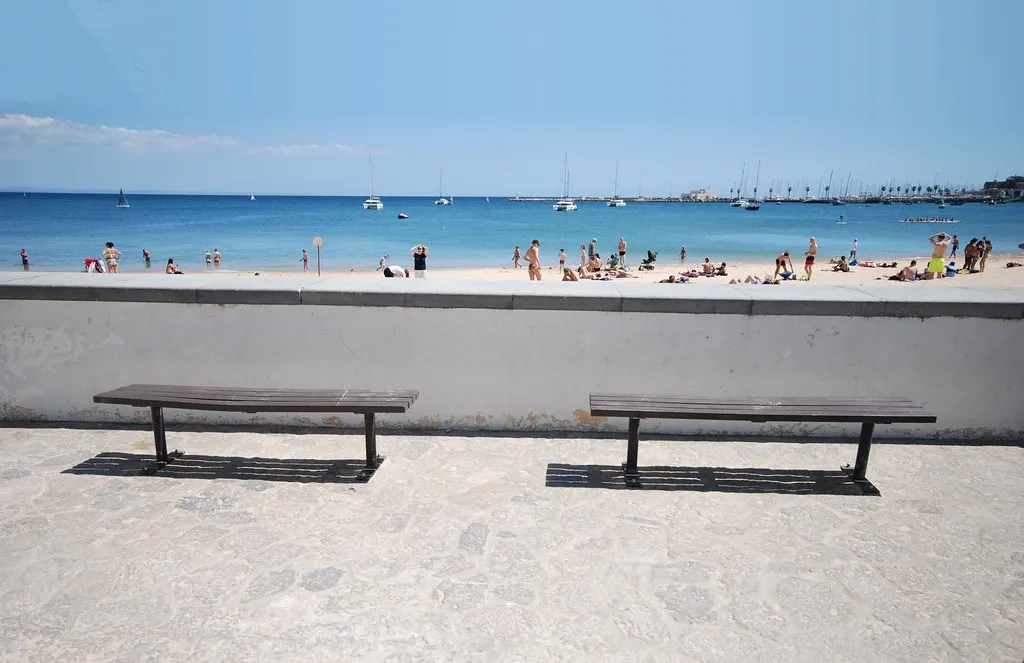
Despite its upscale evolution, the town has never fully abandoned its maritime roots. You can still see traditional wooden fishing boats bobbing in the harbor at Praia da Ribeira. Every morning, the local catch is auctioned off at the market, continuing a tradition that spans centuries. This blend of blue-blood heritage and blue-collar industry gives Cascais its distinct and charming character.
During World War II, Cascais and neighboring Estoril became a neutral haven for exiled European royalty. The roster included King Umberto II of Italy, King Juan Carlos I of Spain, and the Duke of Windsor (the former King Edward VIII of Britain). Ian Fleming reportedly drew inspiration for James Bond while visiting the nearby Casino Estoril during this era. Today, that sense of old-world glamour persists in the high-end boutiques and five-star hotels of the region.
Taking a day trip from Lisbon to Cascais
Getting to Cascais from Lisbon is incredibly simple and affordable via the Linha de Cascais train. Trains depart from the Cais do Sodré station every 20 minutes throughout the day, and the journey takes approximately 33 to 40 minutes following the coastline for almost the entire duration. A single ticket costs €2.30, making a return trip under €5 and placing this firmly among the best value day trips in Europe. You can also use the Lisboa Card for free travel if you already have one.
When you board the train at Cais do Sodré, always sit on the left-hand side. This side provides the best views of the Tagus River and the Atlantic Ocean as you travel west. You will pass the Belém Tower and several historic sea forts before reaching the final stop. The train station in Cascais deposits you right in the center, a five-minute walk from the beach and the old town.
Be aware that you must validate your Viva Viagem card at the green gates before entering the platform at Cais do Sodré. Many tourists make the mistake of boarding without tapping, which can lead to a significant fine. Hold on to your ticket after tapping — you will need it to exit through the barriers at the Cascais end. If the train is full, simply wait for the next one, as they run very frequently during the summer months.
a few of my CASCAIS FAVORITES
While most tourists flock to the gelato shops on the main street, I prefer A Bijou de Cascais for pastry. This traditional bakery serves the best Areias de Cascais — delicate, sandy butter cookies that crumble perfectly and are sold in neat boxes. They have been in business for decades and offer a much more authentic local experience than any chain. A box of these cookies makes a far better souvenir to bring back to Lisbon than anything sold near the train station.
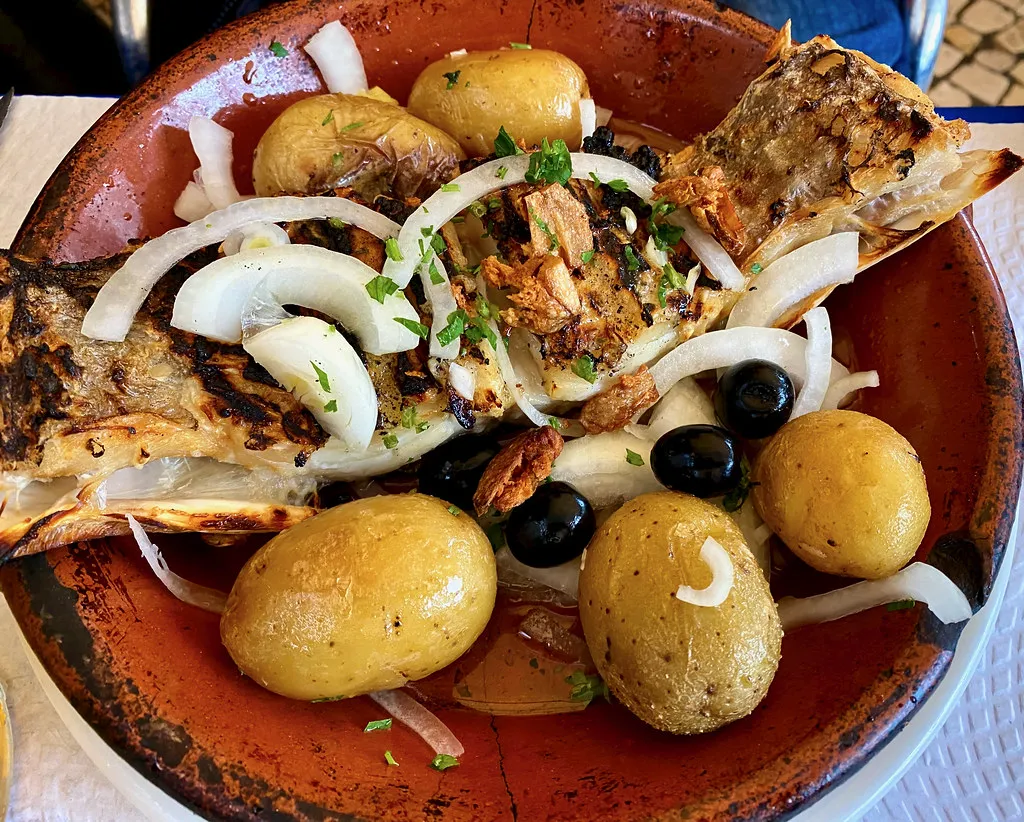
I generally recommend skipping the restaurants directly along the Cascais Marina. While the view of the yachts is pleasant, the food is often overpriced and aimed at tourists passing through. Instead, walk five minutes into the backstreets to find a traditional tasca serving grilled sardines with boiled potatoes, olive oil, and parsley — a complete meal for under €12. The Crafty Cellar in the old town is a genuine find for craft beer, with a welcoming atmosphere and a good selection of Portuguese small-batch brews.
Cascais is also a very safe, well-lit town for solo travelers at all hours, which makes evening walks along the marina and the boardwalk genuinely relaxed rather than something to plan carefully. The town center is compact enough that getting lost is impossible, and the locals are consistently friendly and willing to help with directions. If you are traveling alone and want a peaceful dinner without the pressure of a formal restaurant, a takeaway from Mercado da Vila eaten on the harbor wall at sunset is one of the best free experiences the town offers.
One of my favorite quiet spots is the small garden behind the Santa Marta Lighthouse. Most visitors take a photo of the lighthouse and leave, missing the peaceful benches with a direct sightline to sailing boats entering the harbor. It is an easy 10-minute walk from the town center and almost always uncrowded after 16:00 when the tour groups have moved on.
Shopping and Souvenirs: Finding Authentic Portuguese Crafts
Cascais is a genuinely good place to buy authentic Portuguese ceramics and art, provided you know where to look and what to avoid. The Bairro dos Museus district contains several small galleries and artisan studios where local artists sell their work directly. Look for pieces featuring traditional blue-and-white azulejo patterns with a contemporary twist — authentic handmade ceramics feel heavy, have slight surface irregularities, and will often have the maker's mark on the base.
The Citadel Art District is the strongest concentration of studio artists in the town. Many of the artists working in the studios there sell signed prints and originals at prices well below what equivalent work would cost in Lisbon galleries. Ask studio staff about the provenance of any piece before buying — the best studios are happy to explain the artist's background and technique. This approach supports the local creative community and guarantees you are taking home something genuinely made in Portugal, not imported and rebranded.
For antique tiles, the Mercado da Vila occasionally has vendors selling 19th-century azulejos salvaged from buildings under renovation. These small hand-painted fragments are the most authentic souvenir possible and vary widely in price depending on age and condition. Always ask the vendor about the tile's origin — a reputable seller will know the approximate period and provenance. Avoid the generic cork products sold in the kiosks immediately around the train station, which are manufactured outside Portugal and have no connection to local craft traditions.
Visiting Cascais | Quick Tips
One of the biggest advantages of Cascais is its flat geography compared to Lisbon. This makes it an excellent choice for travelers with mobility issues or those traveling with young children in strollers. You can traverse the entire town center without encountering a single steep hill or staircase. The coastal boardwalk is also completely accessible for wheelchairs for its entire three-kilometer length from town to Estoril.
- Check the wind forecast before planning a day at Praia do Guincho. The Nortada (north wind) can make sunbathing impossible even on a hot, sunny day. If wind is forecast above 20 km/h, head to Praia da Rainha instead — the surrounding town buildings block the gusts completely.
- Most major cascais tourism attractions and museums are closed on Mondays. Plan cultural visits for Tuesday through Sunday.
- Summer in Cascais peaks in July and August when Lisbon residents flood the town on weekends. The second half of June and the whole of September offer near-identical weather with far smaller crowds and no need for restaurant reservations.
- Most older buildings in the town center do not have elevators. If you have mobility needs that require lift access, confirm with your accommodation before booking.
- Cash is useful for the Mercado da Vila and the Cabo da Roca bus — the driver does not take cards. Many smaller tasca restaurants also prefer cash. ATMs are plentiful near the train station.
- The Cascais Museum Pass is worth buying at the first museum you visit rather than searching for it online. Every museum in the Bairro dos Museus sells it at the door, and it activates from the moment of purchase for a full 24 hours.
Frequently Asked Questions
Is Cascais worth a day trip from Lisbon?
Yes, Cascais is absolutely worth a day trip. It offers a relaxed coastal atmosphere, historic royal architecture, and beautiful beaches just 40 minutes from the city. It provides a perfect contrast to the hilly, bustling streets of Lisbon.
How long is the train ride from Lisbon to Cascais?
The train ride from Cais do Sodré station in Lisbon to Cascais takes approximately 33 to 40 minutes. Trains run every 20 minutes during peak hours. The journey is scenic and costs less than €5 for a return ticket.
What is the best beach in Cascais for swimming?
Praia da Rainha is the best beach for swimming due to its sheltered location and calm waters. It is protected from the strong Atlantic winds by surrounding cliffs. Families also enjoy Praia da Conceição for its easy access and clean sand.
Cascais remains one of the most rewarding destinations in Portugal for its blend of culture and coastline. From the dramatic heights of Boca do Inferno to the quiet halls of the Paula Rego museum, there is something for everyone. Whether you make it a day trip via the scenic train or base yourself here for a dedicated itinerary, the town's flat, walkable layout and variety of free attractions make it genuinely easy to get right on a first visit. The natural park beyond the center — from Guincho's surf beach to the cliffs at Cabo da Roca — ensures that return visitors always find something new.
Explore More Cascais Guides
Deep-dive guides for every part of a Cascais trip — itineraries, beaches and coastal walks, landmarks, transport, food and nightlife, plus the Estoril extension.
Itinerary & Planning
- 1-Day Cascais Itinerary
- Sintra and Cascais in One Day
- Sintra vs Cascais: Which Day Trip
- Cascais From Lisbon: The Ultimate 1-Day Itinerary
- Best Time to Visit Cascais
- Where to Stay in Cascais
Beaches & Coast
- Cascais Beaches: The Ultimate Guide to the Portuguese Riviera
- Guincho Beach Surfing
- Estoril Beach vs Cascais Beach
- Estoril Coast Scenic Drive
Landmarks & Old Town
- Cascais Old Town Travel Guide
- Santa Marta Lighthouse
- Citadel of Cascais
- Boca do Inferno Clifftop
- Cascais Museums & Art
Transport
Food, Nightlife & Shopping
- 14 Best Restaurants and Local Dining Tips in Cascais
- Cascais Nightlife & Jazz Clubs
- Shopping in Cascais
Estoril Extension
 15 Magical Things To Do In Óbidos, Portugal (2026)June 11, 2026
 12 Best Things to Do in Aveiro (2026)June 8, 2026
 11 Best Things to Do in Évora, Portugal (2026)June 8, 2026