11 Best Spots for Port Tasting in Porto: The 2026 Guide
Discover the best port tasting in Porto (2026). Compare historic cellars in Gaia, find the best tours, and learn how to book your tasting experience.
On this page
11 Best Spots for Port Tasting in Porto
After my fourth visit to the Gaia riverfront last autumn, I realized how much the local wine scene has evolved beyond simple dusty barrels. While many travelers stay on the Porto side, the true magic of the region's fortified wine happens across the bridge in Vila Nova de Gaia. I have spent weeks navigating these steep hills to find the perfect balance between historic grandeur and modern tasting rooms. This guide was refreshed in May 2026 to ensure all pricing and booking rules are current for your trip.
Choosing the right lodge can be overwhelming because there are dozens of competing cellars clustered along the riverbanks. You need to decide if you want the traditional, dark atmosphere of a 19th-century cellar or a bright, educational museum experience. Understanding the nuances of Tawny, Ruby, and Vintage ports will significantly enhance your appreciation of each sip. I have curated this list to help you avoid the tourist traps and find the most authentic experiences available today.
Why visit a Port Wine Cellar in Vila Nova de Gaia?
The north bank of the river holds the city of Porto, but the south bank in Gaia is where the wine actually matures. Historically, the cooler northern-facing slopes of Gaia provided the perfect temperature for aging the wine in large oak vats. Walking through these lodges feels like stepping back into the 1700s when the British first began exporting these fortified treasures. The air inside the cellars is thick with the scent of evaporating alcohol, a phenomenon known locally as the 'angel's share.'
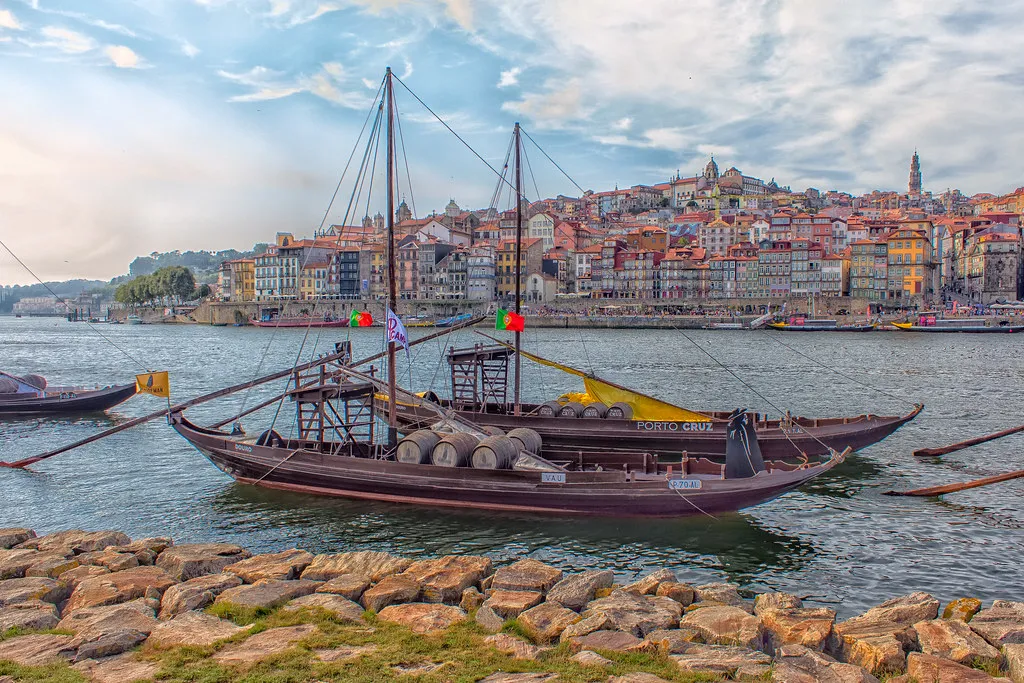
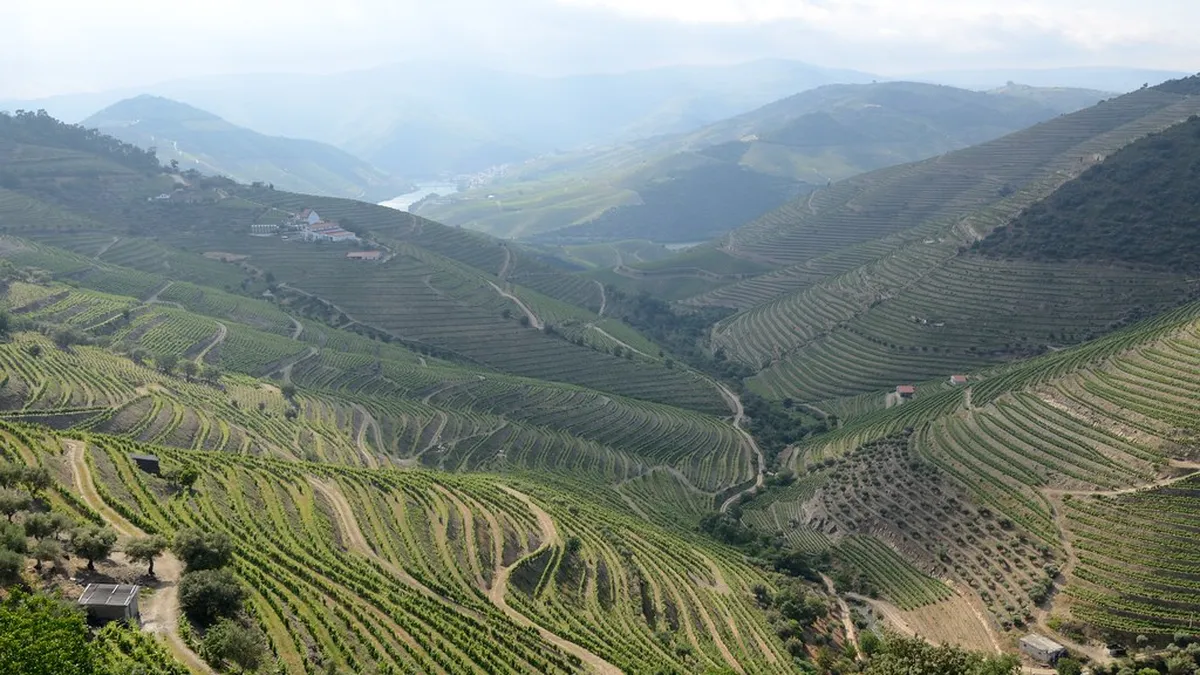
Visiting these cellars is essential for understanding why Porto became a global trade hub for centuries. You can learn about the Rabelo boats that once carried barrels down the treacherous Douro River from the inland vineyards. Many of the port wine lodges in Porto still use traditional methods to maintain their world-class reputations. The proximity of the cellars to each other makes it easy to visit two or three different houses in a single afternoon.
The microclimate here remains remarkably stable, staying around 15 degrees Celsius even during the peak of the Portuguese summer. This natural cooling system is why the cellars were built into the granite hillsides of Gaia centuries ago. It creates a sensory experience that is impossible to replicate in a standard wine bar or modern tasting room. Be sure to bring a light sweater even on hot days, as the temperature drop inside the lodges is quite significant.
The cellars inside Vila Nova de Gaia stay around 15°C year-round — pack a light layer even in summer. The chill becomes very noticeable about five minutes after you step inside from the warm riverside air.
Port Wine Styles Explained: What You Will Actually Taste
Most visitors arrive at the lodges knowing only that port is sweet and fortified. In practice, the cellars pour across half a dozen distinct styles, and ordering the right flight changes the entire experience. Understanding the basics before you walk in saves time and gets you better recommendations from the staff.
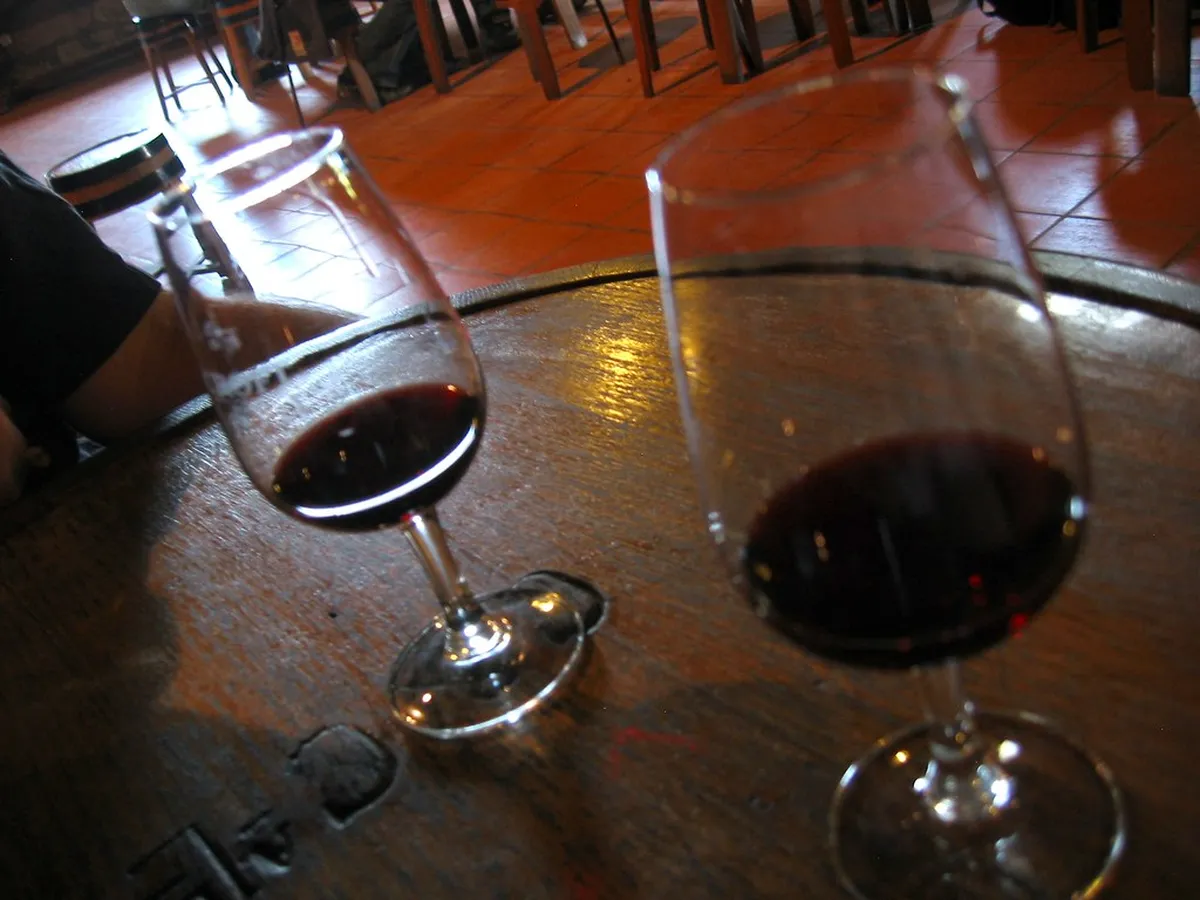
Ruby and Reserve Ruby ports are the entry point. They are aged for two to three years in large vats, which keeps the color deep red and the flavors fruit-forward — think blackberry, plum, and a touch of chocolate. These are the most affordable pours, typically €3–5 per glass, and are a good benchmark for comparison. Tawny ports take a different path: years in small barrels expose the wine to controlled oxidation, turning it amber-brown and developing dried fruit, caramel, and nut notes. Aged Tawnys are labeled 10, 20, 30, or 40 years old — these numbers reflect a blend average, not a single harvest. The Institute of Douro and Port Wines maintains the official classification standards for these categories. A 20-year Tawny is one of the best value-for-complexity pours in any cellar and should be on every itinerary.
White Port is often overlooked but worth a glass, particularly served chilled with tonic water and a slice of lemon as a local aperitif. Late Bottled Vintage (LBV) port bridges the gap between standard Ruby and the prestige Vintage tier — it is from a single year, aged four to six years before bottling, and usually costs €6–10 per glass. Colheita is the Tawny equivalent of LBV: a single harvest aged in wood for at least seven years. When a lodge has a Colheita from a celebrated year, it is typically the most complex pour on the menu. Ask your guide specifically which Colheita years are available before choosing your flight.
The 2016 and 2017 Declared Vintages: What to Ask for in 2026
Vintage Port is the rarest category: it is only produced when the port shippers collectively declare a harvest exceptional, which happens roughly three or four times per decade. The wine is aged for just two years in barrel before bottling, then continues developing in the bottle for decades. Most bottles need 15–30 years to fully open up, which is why collectors pay premium prices. In 2026, bottles from the widely acclaimed 2016 and 2017 declared vintages are now available for tasting at several lodges — still relatively young but already showing the structure that makes them prized. Taylor's official website showcases their full Vintage portfolio and current releases.
Neither 2016 nor 2017 appear on most generic "port tasting" guides because those declarations happened quietly while broader wine media focused on still wine harvests. Yet knowledgeable cellar guides will tell you that 2017 in particular produced exceptionally concentrated Touriga Nacional, with a depth of dark fruit that rivals some legendary 20th-century declarations. Taylor's, Graham's, and Quinta do Crasto all made declarations in both years. If you are visiting any of these lodges, ask specifically whether a Vintage 2016 or 2017 pour is available as a premium add-on — the extra €15–25 per glass is worth it for any serious enthusiast.
This is also the moment to understand the difference between a shipper's Vintage and a Single Quinta Vintage. The former blends grapes from multiple estates across the Douro and is only made in declared years. The latter is produced by a single estate every year regardless of conditions. If a lodge is not in the declared tier, they likely release a Single Quinta Vintage instead — often excellent and almost always cheaper. Asking your guide which category their current vintage release falls into is the single best question you can ask to show you know what you're doing.
11 Best Spots for Port Tasting in Porto (2026)
The following selections represent a mix of historic 19th-century giants and smaller, boutique houses that offer more intimate settings. I have also included a modern museum and a natural wine shop for those who want to see the evolving side of the city. If you prefer a guided approach, this Walking tour with 9 tastings at 3 port wine cellars is an excellent starting point. Each of these locations offers something unique, from panoramic views to deep historical archives.
When planning your route, consider grouping cellars by their location on the hill to save your legs from unnecessary climbing. The lodges near the riverfront are more accessible but often more crowded than those tucked away in the upper streets. I recommend starting with a major house to get the basics down before visiting a smaller lodge for a specialized tasting. Booking in advance is now mandatory for almost every top-tier cellar to ensure you get a spot in your preferred language.
Booking directly through each lodge's official website is almost always cheaper than third-party platforms. Most lodges open at 10:00 — arriving at that time lets you beat the group tours that depart from Porto hotels between 10:30 and 11:00.
Graham's Port Lodge
Graham's is a premium 19th-century lodge known for its massive working cellar and high-end Tawny collections. It sits in the upper hills of Gaia, requiring a 15-minute uphill walk or a taxi from the riverfront. Tasting experiences run €25–€60 per person and typically take around two hours. The Vinum restaurant terrace attached to the lodge offers one of the best panoramic views of Porto in the region — book a table for post-tasting lunch if the budget allows.
Taylor's Port
Taylor's offers a well-paced self-guided audio tour that works perfectly for independent travelers who want to move at their own rhythm. The lodge is situated in the historic heart of Gaia and charges roughly €20–€45 for a standard tasting. It is open daily from 10:00 to 18:00. A beautiful terraced garden where peacocks roam adds a theatrical element that photographs well — worth arriving at opening time before the tour groups fill the space.
Cockburn's Cellar
This is the largest working cellar in the region, and it remains genuinely active — you can watch coopers repairing oak barrels by hand during a visit. Tasting flights run €18–€40 per adult and the experience lasts about 90 minutes. Its location slightly further from the riverfront keeps crowds lighter than the central lodges. It is a good pick for anyone who wants to see the practical, industrial side of port production rather than polished museum aesthetics.
Ferreira Cellars
Ferreira is the only major port house that has remained entirely Portuguese in ownership throughout its history — a point of pride that shapes every part of the tour narrative. The story of Dona Antónia Adelaide Ferreira, who saved the estate through the phylloxera crisis, is one of the most compelling in Portuguese wine history. Entry and tasting costs €15–€35. Tours run daily from 10:00 to 18:00 and the cellar is easily reached by walking the Gaia riverbank westward from the bridge.
Sandeman Cellars
Sandeman's theatrical 'Don' mascot and prime location right next to the Luis I Bridge make it the most recognizable cellar on the waterfront. Tours are lively and designed for first-time visitors who enjoy brand storytelling alongside their wine. Tickets cost €19–€40. Because of its central position, it fills up faster than any other lodge — booking at least three days ahead is essential during summer months. The premium Founders Reserve flight adds considerable depth to what can otherwise feel like a marketing experience.
Churchill's Lodge
Churchill's is a boutique 20th-century house with a more intimate tasting room atmosphere than the major historic cellars. Standard visits run about an hour and cost €20–€50 depending on which wines you select. It sits at the far end of the Gaia waterfront, which provides a genuine escape from the tourist density closer to the bridge. Churchill's LBV is a reliable benchmark pour that consistently outperforms its price point.
Caves Ramos Pinto
This lodge preserves the original office and art nouveau collection of its founder in a small in-house museum, which adds cultural texture beyond the wine itself. Tastings are held in a traditional room and cost €15–€30 for a standard flight of three. Open daily until 18:00, the lodge sits directly on the riverfront and is easily reached on foot from Porto. The poster collection alone is worth the visit for anyone interested in Belle Époque graphic design.
Calem Cellars
Calem combines wine tastings with live Fado performances in their historic cellar space — a combination that can feel gimmicky but is executed with enough sincerity to be genuinely moving. A combined tour and show ticket costs €25–€45 and lasts about two hours. It is the first lodge you see when crossing the lower bridge, making it the most convenient entry point for a short afternoon visit. Book directly through their website rather than through street vendors to guarantee the English-language timeslot.
Caves Vasconcellos
This smaller, family-run cellar offers a personal experience where you may meet the winemakers themselves rather than a trained tour guide. Tastings are informal and cost €12–€25 per person. Located on a side street in Gaia, it is the right choice for visitors who find the corporate scale of the major lodges alienating. The White Port here is particularly good and often poured chilled as a welcome glass before the main flight.
WOW: The Wine Experience
The World of Wine complex is a purpose-built cultural district that covers Portuguese wine, cork production, and the history of the port trade across multiple museum spaces. Tickets for the flagship museum cost €22–€30 and you should allow at least three hours to cover the content properly. It is located in the center of Gaia with multiple restaurants and bars serving sweeping city views. Non-drinkers and families get the most out of WOW relative to any other stop on this list.
Cave Bombarda
Located in the Porto art district rather than Gaia, Cave Bombarda focuses on natural and low-intervention wines for visitors who need a counterpoint to the sweetness of fortified wine. Tasting sessions are informal and cost €10–€20 for a flight of three wines. Hours run Tuesday through Saturday from 14:00 to 20:00. It works well as a final stop to cleanse the palate after a day in the cellars and offers a glimpse into the forward-looking side of Portuguese winemaking.
Port Wine and Food Pairing: What to Eat Alongside
Port is a dessert wine by style but not exclusively by occasion. Knowing what pairs with each style helps you extend the tasting into a meal and slows down the alcohol absorption — both practically useful goals for an afternoon in the cellars. Most lodges offer at least a basic snack board as part of their premium tasting tier.
Aged Tawny ports pair exceptionally well with hard cheeses, walnuts, and dried figs. The nutty oxidative notes in the wine mirror the umami depth of a well-aged Manchego or a regional Queijo da Serra. Ruby port and LBV work better with dark chocolate — the fruit-forward sweetness of the wine cuts through the bitterness of 70% cacao without either element overwhelming the other. White Port served chilled is a natural companion to salted almonds and mild fresh cheeses.
Vintage Port is the classic pairing for Stilton or any strong blue cheese, a combination made famous by British port merchants in the 18th century. The salt and funk of the cheese amplifies the wine's fruit and softens its tannins. Several lodges now offer proper cheese boards as a premium add-on — Graham's and Taylor's are the most reliable for quality here. If you prefer a full food experience alongside your tasting, joining a taste porto food tour first gives you a savory base before the sweetness of the cellars.
Best Time to Visit and How to Get There in 2026
The cellars are open year-round, but the experience changes significantly by season. July and August bring the heaviest tourist density — tours at Sandeman and Calem sell out a week ahead and the riverfront becomes difficult to navigate by midday. September and October offer the best combination of warm weather, thinner crowds, and the added theatre of the Douro harvest season, when staff return from the quintas with stories from the picking. If you are flexible, mid-October to mid-November is the single best window for a calm, unhurried cellar visit.
Within any given day, arriving at 10:00 when the lodges open puts you ahead of the group tours, which typically depart from Porto hotels between 10:30 and 11:00. The 14:00–16:00 window is the worst for crowds, particularly at the central riverfront lodges. Plan to start your first cellar at opening and finish with a late-afternoon tasting at a quieter lodge further up the hill. Most cellars accept final entries at 17:30 and close at 18:00. Check Visit Porto's official guide for current event calendars and seasonal closures.
Getting to Gaia is straightforward from Porto. Walking the lower level of the Luis I Bridge is free, takes five minutes from Ribeira, and delivers you directly to the riverfront cluster of cellars. The Gaia cable car (Teleférico de Gaia) runs 10:00–19:00 in summer and costs €8 each way — worth it for the aerial view even if you walk back down. Water taxis cross from Ribeira for roughly €3 and are fun to use at least once. If you are exploring 14 Best Douro Valley Wineries to Visit earlier in the day, a taxi back to Gaia in the evening is the most practical option.
What to Skip When Tasting Port in Porto
One of the biggest mistakes travelers make is visiting the first cellar they see right next to the bridge without a plan. These front-row lodges are often the most crowded and can feel like a rushed assembly line for tourists. Skip the generic port-and-fado packages sold by street touts near the bridge — the quality of both the wine and the performance is consistently low. Seek out a dedicated Fado house on a separate evening and book your cellar visit independently.
Another common pitfall is trying to visit more than three cellars in a single day, which leads to palate fatigue and diminishing appreciation. After the eighth tasting, your ability to distinguish a 20-year Tawny from a 30-year disappears entirely. Limit yourself to two deep-dive tours and one casual tasting at a wine bar to keep the experience enjoyable. Always skip any venue that does not offer a seated tasting — standing at a crowded counter ruins the nuance of a wine that has spent decades in a barrel.
Is Port Tasting in Porto Worth It for Non-Drinkers?
Even if you do not consume alcohol, the port lodges are worth visiting for their architecture and historical significance. The cellars are essentially underground cathedrals of commerce that tell the story of Portugal's global influence. Many lodges now offer non-alcoholic grape juice tastings or high-quality local snacks like almonds and regional cheese. The WOW museum is particularly well suited for families and non-drinkers because it focuses on history, cork production, and viticulture science rather than the act of drinking.
The views from the hilltop lodges like Graham's are some of the best in the entire Porto metropolitan area. You can enjoy the atmosphere of the historic buildings and the river breeze without ever touching a drop of wine. Most tours are priced for the full experience, and some lodges offer reduced entry for those not participating in the tasting — ask at the desk when booking. It remains one of the most culturally significant activities in the city regardless of your personal drinking habits. A dedicated wine tasting in Porto itinerary can be adapted easily for mixed groups with non-drinkers.
Frequently Asked Questions
How much time should you plan for port tasting porto?
You should allocate at least 90 minutes for a standard tour and tasting at most lodges. If you plan to visit multiple cellars, allow three to four hours total including walking time. This ensures you have enough time to enjoy the views and the wine without rushing.
Do I need to book port wine tastings in advance?
Yes, booking in advance is highly recommended for all major cellars in 2026. Popular lodges like Taylor's and Sandeman often sell out their English tours several days ahead. Use the official websites or a booking platform to secure your preferred time slot.
What is the best way to cross the river for port tasting?
The most scenic way to cross is walking the lower level of the Luis I Bridge. For a faster or more unique trip, use the water taxi from Ribeira or the Gaia cable car. These options provide excellent views of the historic cellars from the water and the air.
Port tasting in Porto is a timeless experience that connects you to the deep history of the Douro Valley. Whether you prefer the dusty charm of a 19th-century lodge or the sleek education of a modern museum, Gaia has something for everyone. Remember to book ahead, understand the style differences before you arrive, and pace yourself to truly appreciate the complexity of these world-class fortified wines.
By following this guide, you can navigate the hills of Gaia with confidence and avoid the common tourist traps. The city's wine culture is constantly evolving — from the 2016 and 2017 declared Vintages now available for tasting to the rise of natural wine bars in Porto proper. Enjoy your journey through the cellars and toast to the incredible heritage of the Portuguese wine industry.
Use our Douro Valley tourism attractions hub to plan the rest of your trip.