

Best Time To Visit Cascais Travel Guide
Plan the best time to visit Cascais with top picks, weather patterns, and timing tips for a smoother trip. Discover the ideal months for sun and sea.
On this page
Best Time To Visit Cascais
The best time to visit Cascais is mid-May to mid-June, or September. Both windows give you reliably warm, sunny days without the crushing July–August crowds. The Atlantic is still cold enough to cool you off but calm enough to swim. Shoulder season also means you can actually get a table at a good restaurant without waiting an hour.
This former fishing village sits 30 km west of Lisbon on a coastline the Portuguese call the "Portuguese Riviera." Choosing the right month is not just about temperature — it is about wind patterns, sea swell, and whether you are competing with half of Lisbon for a patch of sand. This guide breaks down every season so you can pick your exact window with confidence.
Cascais Weather: What to Actually Expect
Cascais has a classic Atlantic-Mediterranean climate. Summers are hot and almost entirely dry. Winters are mild but can stretch into long grey stretches of Atlantic rain. The town sits in a sheltered bay, which softens the wind compared to exposed points like Guincho beach or Cabo da Roca — but do not let that fool you into packing only a T-shirt.

Daytime highs reach 27°C in August, but the air temperature in the shade understates how hot it feels in direct sun. Evenings cool quickly thanks to sea breezes, and humidity rises after dark, which can make a 22°C night feel warmer than expected. In winter, a forecast of 15°C will feel closer to 11°C once you factor in the damp sea air and any breeze. Always pack a layer more than you think you need.
Rainfall in Cascais is highly seasonal. June through August record almost no rain — often under 5 mm per month. The wet season begins in late October, peaks in November and December, and has in recent years dragged on into February. Most rain arrives as heavy Atlantic fronts that can lock in for days at a time rather than quick afternoon showers. The safest window for guaranteed dry weather is mid-May through September. Check the When to visit Portugal? guide for broader regional context.
Why April Deceives and May Delivers
April is notorious among local guides for catching visitors off guard. The Portuguese even have a saying for it: Em Abril, águas mil — "In April, a thousand waters." The reason is meteorological. In early spring, the Azores High — the high-pressure system that blocks Atlantic storms and drives Cascais's dry summers — has not yet fully established itself. Without that pressure dome, moisture-laden clouds roll in from the Atlantic freely, producing brief but intense downpours that can ruin a beach day with no warning.
By mid-May, the Azores High locks in reliably and pushes the rain northward. The change is dramatic. You go from one week of unpredictable showers to weeks of almost unbroken sun. This is the precise meteorological reason why a trip booked for late April can feel so different from one booked for the last week of May, even though both technically fall in "spring." If your dates are flexible, the specific cut-off is around 10–15 May. Book after that point and you are almost guaranteed dry days.
A second timing hook worth knowing: if you visit in early-to-mid June, you can base yourself in Cascais for the beach and take the train into Lisbon for the Festas de Santo António on 13 June. The festival fills the Alfama and Mouraria neighborhoods with sardine grills, street dancing, and free concerts. The train from Cascais to Cais do Sodré runs late into the night, making a combined Cascais beach day plus Lisbon festival night easy to pull off on a single trip.
Book your Cascais trip after 15 May to catch the Azores High at full strength — this is the precise cut-off when reliably dry weather establishes itself and you can plan outdoor days without a rain contingency.
The Nortada Wind and the Serra da Sintra Effect
The Nortada is a north-westerly wind that blows most strongly between June and August. Travel content often describes it as "nature's air conditioning," but that framing is misleading for anyone choosing where to spend the day. In the sheltered bay of Cascais town, the Nortada barely registers — you will feel a pleasant breeze at most. At Guincho beach, six kilometres to the north-west and fully exposed to the Atlantic, the same wind can gust hard enough to sand-blast your legs and make sunbathing uncomfortable.
The Serra da Sintra mountain range sits directly behind Cascais and amplifies coastal weather effects. Any trip along the ridge — to Cabo da Roca (the westernmost point of mainland Europe), the pretty villages of Azenhas do Mar, or Praia das Maçãs — will feel noticeably cooler and windier than the town itself. In summer, bring an extra layer for any excursion above the treeline. In the shoulder seasons, the temperature gap between the bay and the serra can be 6–8°C. Tourists dressed in light summer clothes frequently arrive at Cabo da Roca completely unprepared for the wind chill.
For beach visitors, the practical rule is simple: if you want calm water and no wind, stay on the town beaches (Praia da Rainha and Praia da Ribeira). If you want dramatic scenery and don't mind wind, head to Guincho. Surfers actively seek out Guincho and the nearby breaks; the swells are most consistent from October through March.
Cascais Sea Temperatures
The Atlantic here is cold almost year-round. Sea temperatures fluctuate by only around 5–6°C across the entire year, which tells you something about how consistently brisk the water stays. The peak temperature reaches roughly 19–21°C in late August — refreshing rather than warm. From November through April, the water drops to 14–15°C, which is wetsuit territory for anyone planning more than a quick wade. Most casual swimmers find the sea bracing on first contact even at peak summer.
Surfers should plan visits for autumn and winter. Swells are more consistent and powerful from October through March, and the uncrowded line-ups at Guincho make for far better sessions than the flat, busy summer breaks. A 4/3mm wetsuit is recommended from November through May. Summer surfers can manage with a 3/2mm suit.
The sheltered town beaches — Queen's Beach and Town Beach — see calmer water than Guincho and are the better choice for families or anyone who wants to actually swim rather than just admire the Atlantic.
How Many Days in Lisbon? Should You Bother With Cascais?
Whether Cascais earns a spot on your itinerary depends almost entirely on how many days you have in Lisbon. With one or two days in the city, skip Cascais entirely. Lisbon has too many neighborhoods, viewpoints, and food experiences to sacrifice a full day on a train and beach town when you haven't scratched the surface of the city itself.
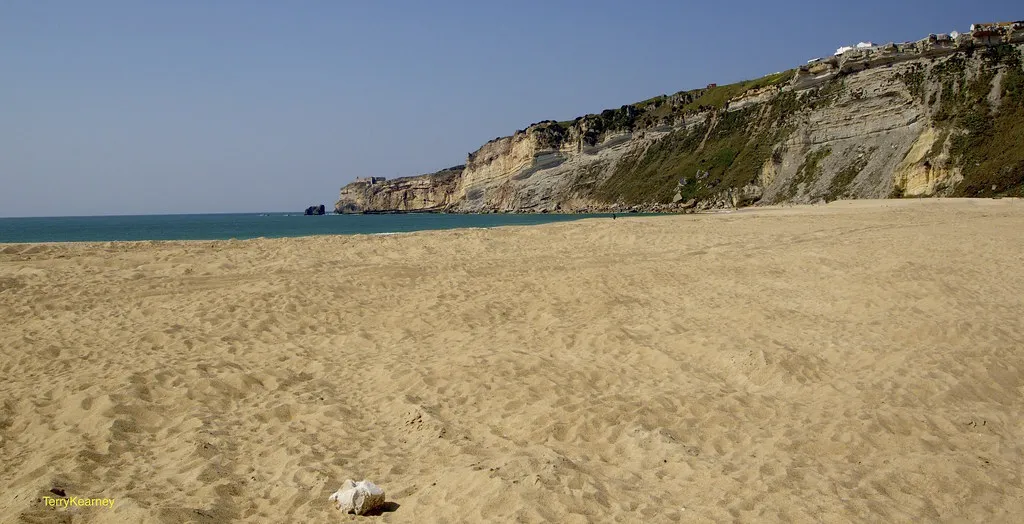
With three or four Lisbon days, Cascais becomes optional. If beaches are a priority and the forecast is sunny, it works well. If your trip is primarily about history, architecture, and food, the day is better spent in Lisbon's neighborhoods or at Belém. With five or more days, Cascais is worth it for almost every travel style. The contrast between a hectic Lisbon afternoon and a slow coastal morning in Cascais is part of why the town works so well as a day trip.
The train from Cais do Sodré takes 40 minutes and runs every 20–30 minutes. You step off the platform and you are already in the center of town. No transfers, no taxi queue. Use a 3-Day Cascais Itinerary: The Best Coastal Portugal Guide to structure the hours if this is your first visit.
Season by Season: When to Go and What to Expect
Spring (mid-May to mid-June) is the strongest overall pick for most visitors. Daytime highs of 20–24°C, virtually no rain after mid-May, moderate crowds, and mid-range prices. The wildflowers along the coastal paths are at their best in May. Hotel rates are roughly 30–40% lower than August peaks.
Summer (late June to August) delivers the most reliable beach weather, with highs of 25–27°C. It is also when Cascais is most crowded and most expensive. July and August bring day-trippers from Lisbon on every train, and the town beaches fill by 11:00. If you are set on summer, go in late June before the Portuguese school holidays begin in mid-July. Book accommodation at least two months ahead for anything near the marina or beach.
Autumn (September to October) rivals spring as the best time for most travelers. September is arguably the finest single month: the sea has warmed to its annual peak after months of summer sun, crowds have dropped sharply as European schools return to session, and hotel prices fall. October is still warm (21–23°C highs) and largely sunny, though rain chances begin to rise toward month's end.
Winter (November to March) suits travelers who prioritize culture over beach time. Prices drop dramatically — luxury hotels that charge €300 in August often list for €120–150 in January. The town stays open because of its large permanent population; restaurants, bars, and museums all operate on normal schedules. The downside is the weather: January is the wettest month, and a run of three or four grey, rainy days is common. Pack a reliable waterproof jacket and plan indoor backup options.
| Season | Avg High | Crowds | Prices | Sea Temp | Best for |
|---|---|---|---|---|---|
| Spring (mid-May – Jun) | 20–24°C | Moderate | Mid-range | 16–18°C | Hiking, beach intro |
| Summer (Jul – Aug) | 25–27°C | Very High | High | 18–21°C | Sunbathing, swimming |
| Autumn (Sep – Oct) | 21–25°C | Low–Moderate | Mid-range | 19–21°C | Swimming, value |
| Winter (Nov – Mar) | 14–16°C | Low | Low | 14–15°C | Culture, budget |
Autumn in Cascais (September–November): The Sweet Spot
September is the month most experienced visitors to the Lisbon coast recommend above all others. The sea is at its warmest after three months of summer sun, reaching 20–21°C. Air temperatures sit between 22–25°C during the day. The beaches are no longer packed, and you can find a table at a decent seafood restaurant without a reservation. Prices drop almost overnight once the school holidays end in early September.
October stays pleasant — highs around 21–23°C / 70–73°F — and the quality of light for photography along the cliffs and promenades is exceptional. Sunset colors deepen and the air is remarkably clear. Some travelers use October to pair Cascais with a visit to Sintra; the crowds on the Sintra palace circuit are much more manageable than in summer. Cascais or Sintra? depends on whether you want beach time or palace-and-forest scenery — October is the best month to do both in a single trip.
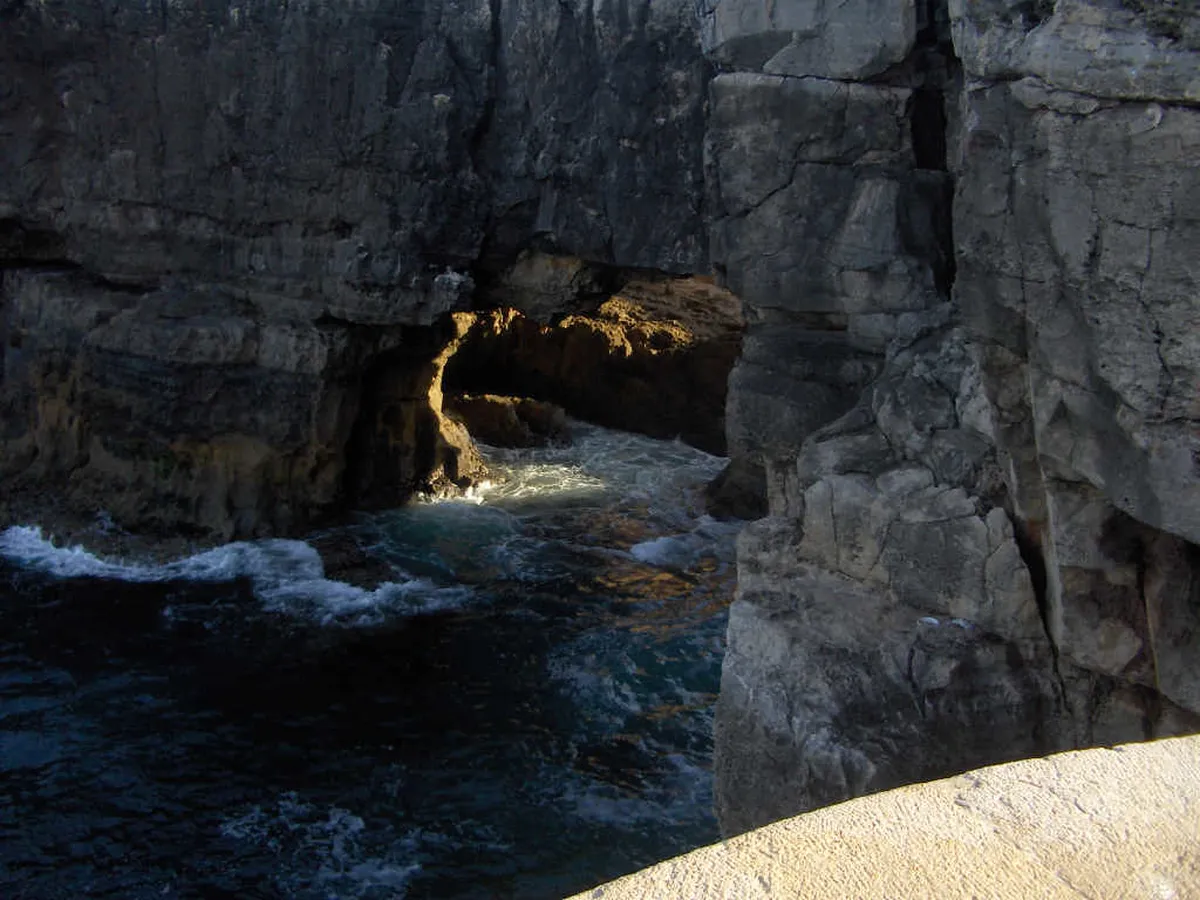
November is the cusp. Early November can still produce good days, but Atlantic fronts begin arriving more consistently. If you are traveling in November, leave weather flexibility in your plan. The Boca do Inferno cliffs are genuinely dramatic in storm season, but you may also find yourself stuck in a café for a full afternoon.
Winter in Cascais (December–February): Quiet and Affordable
Winter is the time to see Cascais without the resort-town overlay. Locals reclaim the squares. Cafés fill with regulars rather than day-trippers. Daytime temperatures hover around 14–16°C / 57–61°F — cold by Mediterranean standards but mild enough for walking. The Cascais Beaches: The Ultimate Guide to the Portuguese Riviera covers which spots stay walkable and scenic even in December.
Is Cascais expensive in winter 2026? This is genuinely the cheapest time of the year to visit. Hotels that charge peak summer prices often drop by 40–50% from November through February. The lower prices attract slow travelers, digital nomads, and retirees who want a Portuguese base without competing with beach tourists.
The main risk is rain. January is the wettest month, and a stretch of three or four grey, rainy days is entirely normal. Build in indoor contingencies: the Museu Condes de Castro Guimarães, the Paula Rego Museum in nearby Cascais, and the town's covered market are all worthwhile on a wet afternoon. The historic center and marina remain lively because a large permanent population keeps businesses open year-round.
Winter is the cheapest time to visit Cascais — hotels that charge peak August rates typically drop 40–50% from November through February, making it ideal for slow travelers and digital nomads who want a Portuguese coastal base without summer crowds.
When Cascais Is Not Worth Your Day
Cascais depends heavily on good weather in a way that Sintra or Lisbon's historic districts do not. If the forecast shows rain, strong winds, or heavy cloud cover, the core appeal — coast walks, outdoor dining, beach time — disappears. On a bad-weather day, you are left with a handful of small museums and cafés that you could find in any Portuguese town. In that scenario, staying in Lisbon is the smarter call.
Crowds are the second deal-breaker for some visitors. July and August pack the town beaches by mid-morning and fill every café with day-trippers by noon. If you hate queues and crowds, avoid peak summer or plan to arrive on the first or second train of the day (around 07:30–08:00 from Cais do Sodré) before the main wave arrives. The 10 Best Areas: Where to Stay in Cascais explains which parts of town stay calmer even in August.
Finally, if your main interests are large-scale monuments, major museums, or deep cultural history, Cascais will underdeliver. It is a coastal resort that does outdoor leisure extremely well. It is not a cultural capital. Belém, with Jerónimos Monastery and the Tower of Belém, serves that function far better and is reachable in 15 minutes from central Lisbon without a full-day commitment.
Key Attractions and When to Visit Them
Boca do Inferno is most dramatic during the winter storm season, when Atlantic swells crash into the rock formations with genuine force. In summer, the same spot is calm and photogenic but lacks drama. The Santa Marta Lighthouse and its small museum are open year-round; the walk from the town center to the lighthouse is one of the prettiest coastal stretches in the region regardless of season.

Guincho beach rewards a visit in late spring (May) before the Nortada peaks, when the dunes are flowered and the sand is pristine without the wind that dominates July. The Museu Condes de Castro Guimarães, set in a mock-Manueline manor next to the park, is best enjoyed in winter when the building is quiet and the surrounding gardens are not baking in summer heat.
For anyone interested in exploring the wider area, the 10 Best Cascais Tourism Attractions: A Complete Travel Guide pillar covers all the major sites with opening times and prices for 2026.
Frequently Asked Questions
What is the Best Month to Visit Cascais?
September is the best month to visit Cascais. You will enjoy warm sea temperatures and fewer crowds than in August. The weather remains sunny and pleasant for outdoor dining.
What is the weather like in Cascais in October?
October features mild weather with highs around 22°C / 72°F. It is generally sunny, though the chance of rain increases toward the end of the month. It is ideal for sightseeing.
Is Cascais expensive to visit in 2026?
Cascais is more expensive than other parts of Portugal but remains affordable compared to major European cities. Visiting in the shoulder season offers the best value. Winter provides the lowest accommodation prices.
So, will you go to Cascais or skip it? For most visitors with five or more days in Lisbon, the answer is yes — especially if the forecast is clear. The strongest overall windows are mid-May through mid-June and September. Both give you reliable weather, manageable crowds, and fair prices without the intensity of peak summer.
If you are pinning down a specific week, target the period after 15 May when the Azores High has reliably established itself, or the first two weeks of September before late-bookers flood the town. Either window delivers the Portuguese Riviera experience that Cascais is genuinely famous for. Use our Cascais tourism attractions hub to plan the rest of your trip. For related Cascais deep-dives, see our Cascais 1-day itinerary and Sintra and Cascais in one day guides.
 10 Best Tips for Timing Your Visit to GuimarãesJune 8, 2026
 8 Essential Things to Know About Boca do InfernoMay 17, 2026