Nordeste Sao Miguel Guide Travel Guide
Plan nordeste sao miguel guide with top picks, neighborhood context, timing tips, and practical booking advice for a smoother trip.
On this page
Nordeste Sao Miguel Guide
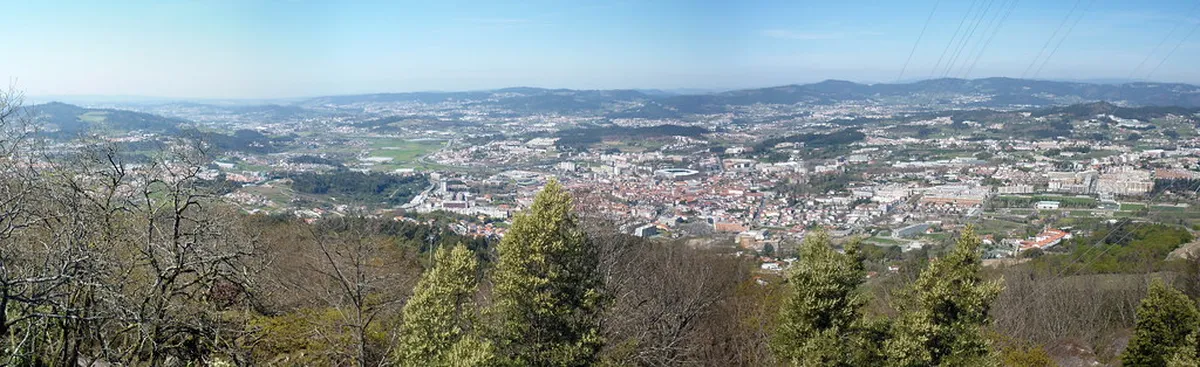
Nordeste is often called the most beautiful part of São Miguel because of its lush greenery. This wild eastern region offers a slower pace than the busy streets of Ponta Delgada. Visitors come here to find dramatic cliffs, colorful gardens, and the island's first lighthouse. Our São Miguel things to do list always includes this stunning area.
The name translates to Northeast, which perfectly describes its location on the island map. It was once the most isolated municipality, but new roads now make it easy to reach. You will find some of the best-kept secret spots in the Azores hidden along these coastal roads. Prepare for a day filled with steep hills and breathtaking ocean views.
Must-See Nordeste Attractions
The Arnel Lighthouse stands as a proud symbol of the Nordeste coastline. This historic structure was the first lighthouse built in the Azores archipelago, completed in 1876. You can walk down the steep path to see the building up close against the blue sea. The nearby Ponta do Arnel viewpoint gives you a wide angle on the raw northeastern cliffs.
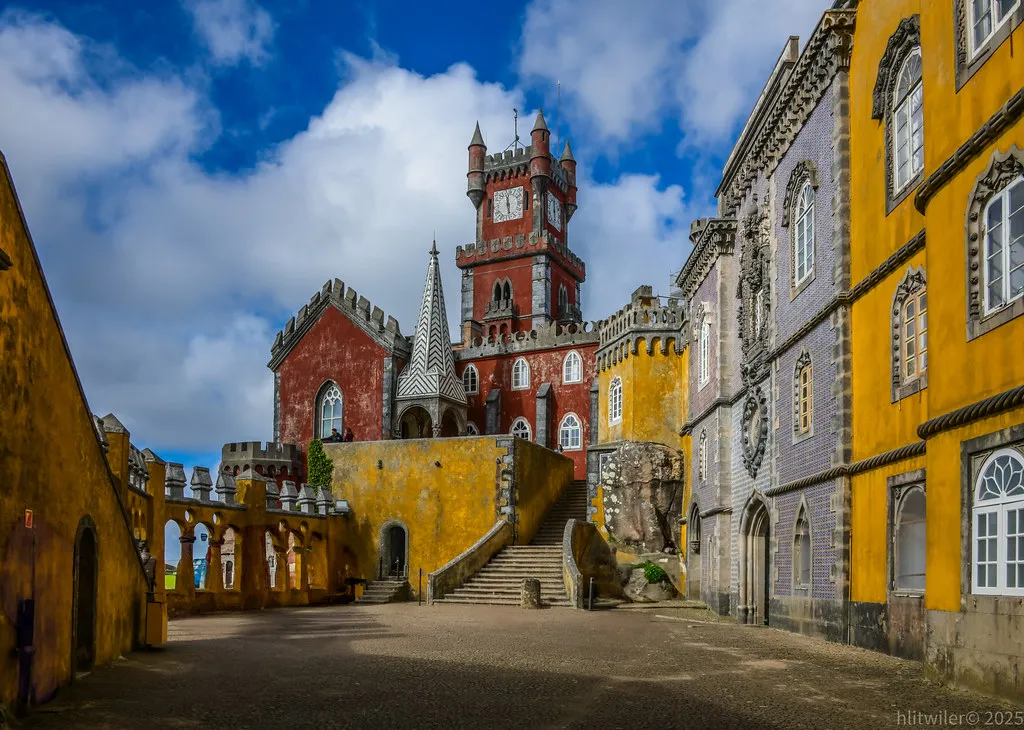
Ponta do Sossego is another essential stop for anyone exploring the eastern coast. The gardens here are meticulously maintained with vibrant flowers throughout the year. Many locals use the stone grills for afternoon barbecues while enjoying the cliffside breeze. It offers a peaceful atmosphere that lives up to its name, which means Serenity Point.
Early risers should head straight to Ponta da Madrugada for the first light of day. This spot is famous for having the best sunrise views on the entire island. Clouds often dance around the cliffs, creating a magical scene for photographers. Parking is easy, and the paved paths make it accessible for most travelers.
Do not skip Vila do Nordeste itself before heading to the viewpoints. The Igreja Matriz de São Jorge (Saint George's Church) and the Ponte dos 7 Arcos — a seven-arch bridge over the main ribeira — are the architectural highlights. Summer is the best time to visit the village because it fills with hydrangeas and native flowers that turn every street photogenic.
Itinerary Day 3 – Furnas & Nordeste
If you are doing the classic four-day São Miguel road trip, the east is your Day 3. This is the one day where gloomy weather actually works in your favour — the volcanic steam at Furnas looks more dramatic in mist, and the Nordeste forest is always green regardless of the sky. Start in Furnas valley and work your way northeast in the afternoon.
Lagoa das Furnas is the third of the island's three crater lakes, and the most theatrical. On the east shore you will find the fumaroles — geothermal vents that bubble mud and release sulphur steam continuously. This is where restaurants bury the famous Cozido das Furnas stew in metal pots each morning at around 06:30 and retrieve them for lunch service at around 12:30. Tony's and Caldeiras & Vulcões are the two most visited spots; mains run €16–20 per person. Book in advance for weekends in summer.
Terra Nostra Garden Hotel has a public thermal pool fed directly by iron-rich geothermal water. Entry costs €10 for non-guests (2026). The water stains swimwear orange permanently — wear something old. Allow at least 45 minutes here before driving north to Nordeste.
The drive from Furnas to Nordeste along the EN1-1A takes around 30 minutes and climbs through laurissilva forest before descending toward the coast. Stop at Pico do Ferro viewpoint on the way — it offers a bird's-eye look over Furnas lake that most visitors miss. Ribeira dos Caldeirões park makes the ideal final stop of the day: the waterfall and restored water mills are right off the road, free to enter, and take about 45 minutes to explore properly.
The Cozido das Furnas stew is buried in geothermal holes at around 06:30 and retrieved for lunch service at 12:30. Book ahead for weekend visits in summer, as Tony's and Caldeiras & Vulcões fill up fast — mains run €16–20 per person.
Parks, Gardens, and Outdoor Spots in Nordeste
Ribeira dos Caldeirões is perhaps the most famous park in the eastern district. It features a stunning waterfall located right next to the main road for easy access. You can explore old water mills that have been restored to their former glory. The park is free to enter and offers several hiking trails for different skill levels. For detailed park regulations and access info, check the official Azores tourism site.
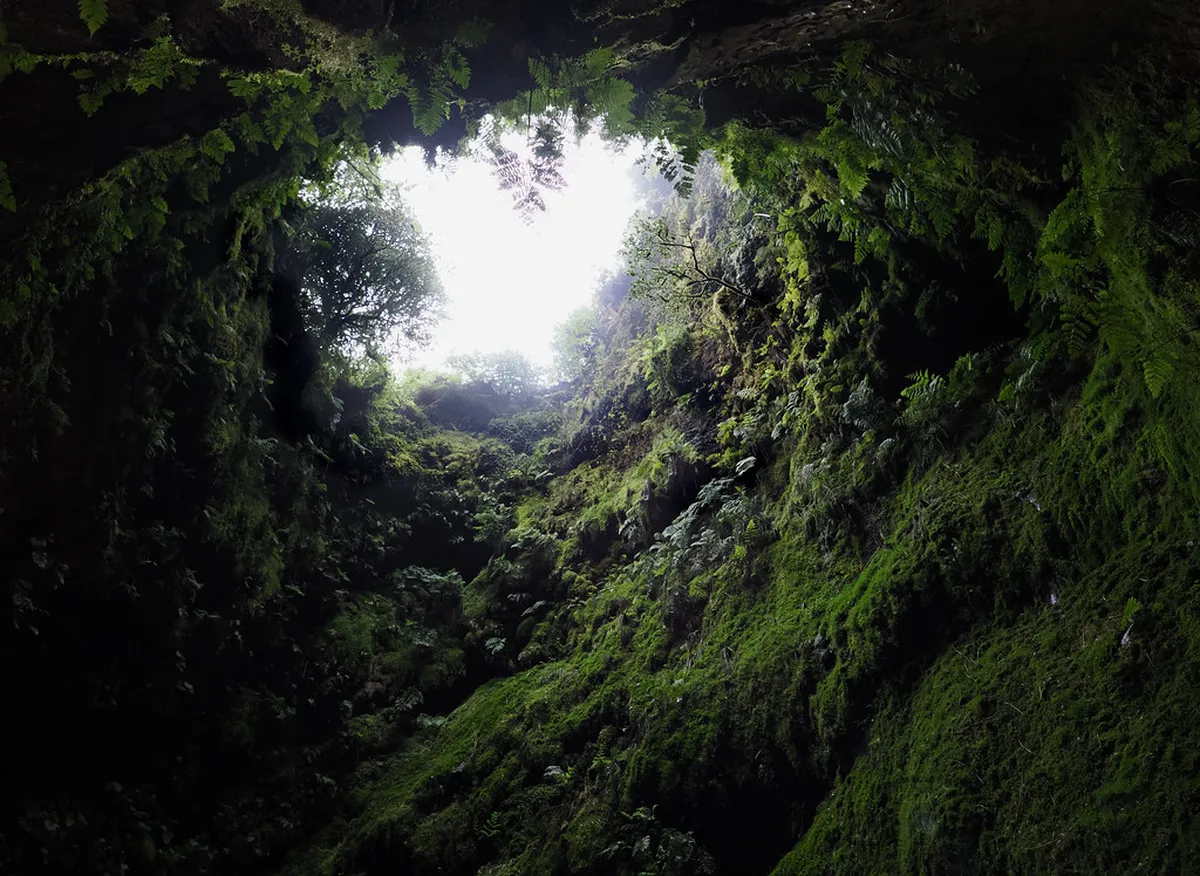
The Serra da Tronqueira road offers a rugged driving experience through the mountains. This dirt road takes you into the heart of the island's most ancient vegetation. Expect misty conditions and cool air even during the peak of summer. A sturdy vehicle is recommended if you plan to explore the higher elevations.
The Salto do Prego trail near Faial da Terra is one of the finest two-hour hikes on the island. The path cuts through dense hydrangea corridors before reaching a waterfall deep in the forest. It is roughly 4 km return, rated moderate, and the trailhead is sign-posted from the village square. Pack waterproof shoes — the stream crossings are unavoidable after rain.
Birdwatching for the Azores Bullfinch in Nordeste
Nordeste is the only place on Earth where you can see the Priolo, the Azores Bullfinch. This critically-endangered bird lives exclusively in the mature laurissilva forest of the eastern highlands and exists nowhere else on the planet. Population numbers have recovered from around 40 pairs in the 1990s to over 800 pairs today, largely due to habitat restoration funded by the EU. SPEA, the Portuguese bird society, leads ongoing conservation efforts for this species.
The best access point is the Pico da Vara trail, which starts near the antenna masts above Nordeste town. Walk the first 2–3 km into the cloud forest at dawn between May and August for the highest chance of a sighting. The Priolo is a compact, brightly-marked bird — the male has a vivid red breast and a thick bill adapted for eating seeds and berries in the native laurel canopy.
No specialist gear is needed beyond binoculars and quiet footwear. The birds are most active within the first two hours after sunrise. Avoid the trail between November and February when the forest is muddiest and bird activity drops significantly. No guided birding tours are consistently available from the town, so go self-guided with an offline track downloaded from Wikiloc (search "Priolo Pico da Vara").
Delicacies Not to Be Missed in São Miguel
Cozido das Furnas is the most famous dish on the island and the one you will regret skipping. The stew combines pork, veal, chicken, blood sausages, and local vegetables including sweet potato and kale. What makes it unusual is the cooking method: pots are buried in geothermal holes near the Furnas lake shore each morning and slow-cooked for six to seven hours underground. It is not a light meal — most people share a portion or order a half serving.
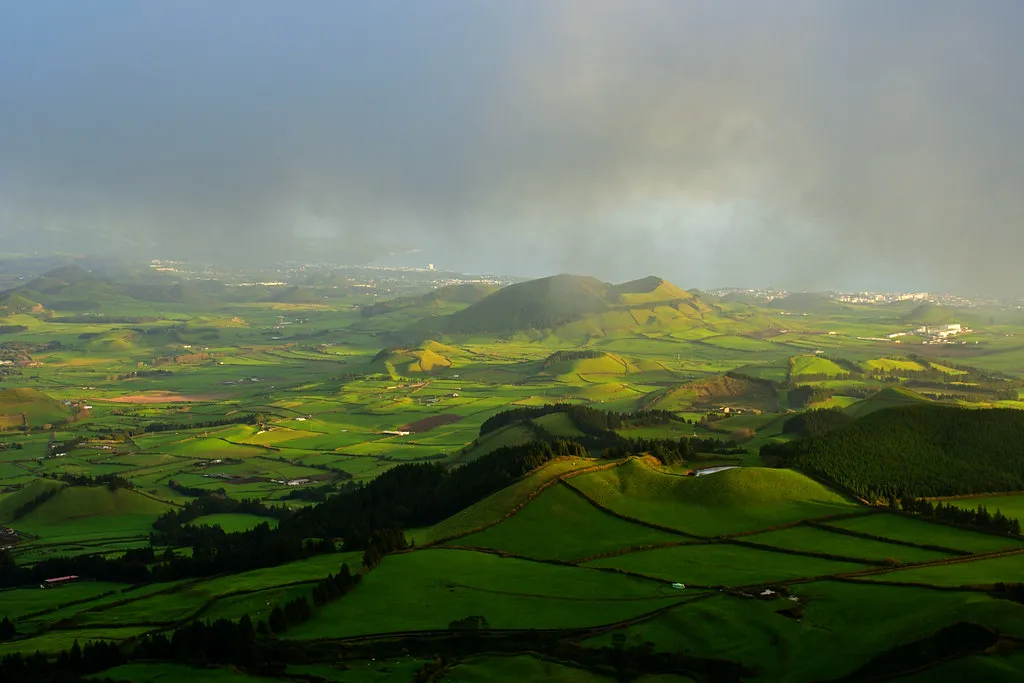
Queijadas da Vila are small, sweet pastries from Vila Franca do Campo made with fresh milk, eggs, sugar, and a thin shell of pastry. You can buy them hot from bakeries in the town centre for under €1 each. They are the standard fuel stop between the Furnas valley and the east coast. A similar but firmer version called Queijadas de Leite is sold at roadside stalls throughout Nordeste.
Lapas (limpets) grilled with butter, garlic, and lemon are the default coastal snack across the Azores. Any café near the Nordeste waterfront will grill a plate for around €8–10. Order them as soon as you sit down — they take about five minutes to prepare and disappear quickly. Pair with local craft beer from Musa brewery or a glass of cold Especial.
Family-Friendly and Budget-Friendly Options in Nordeste
Families will enjoy the many picnic spots scattered along the coastal highways. Most viewpoints include clean restrooms, stone tables, and safe play areas for children. Packing a lunch allows you to eat with a million-dollar view for free. Ribeira dos Caldeirões and Ponta do Sossego are both fully paved and pushchair-accessible.
The natural swimming pools at Foz da Ribeira offer a safe place to cool off. Concrete platforms provide space for sunbathing while the ocean fills the pools. Lifeguards are often present during the summer to ensure everyone stays safe. It is a great spot for kids to see small fish in the clear Atlantic water.
Almost every key attraction in Nordeste costs nothing to enter. Ribeira dos Caldeirões park, all coastal viewpoints, the lighthouse path, and the Priolo forest trail are all free in 2026. The main paid experiences are Terra Nostra pool in Furnas (€10) and the Caldeira Velha thermal springs near Ribeira Grande (€10 per adult, book online to guarantee entry). A complete Nordeste day is realistic for under €30 per person including lunch.
Almost every key attraction in Nordeste — Ribeira dos Caldeirões, all coastal viewpoints, the Arnel Lighthouse path, and the Priolo forest trail — is free to enter in 2026. A full day including lunch is realistic for under €30 per person.
How to Plan a Smooth Nordeste Day
Starting your journey early is the best way to avoid the midday fog. Clouds often roll in during the afternoon, which can hide the coastal views. Aim to reach the first viewpoint before 09:00 for the clearest skies. The weather can change quickly, so always keep a light rain jacket in your car.
Fuel up your vehicle in Ponta Delgada or Ribeira Grande before heading east. Gas stations are less frequent in the rural parts of the Nordeste municipality. Mobile phone signals can be spotty in the deep valleys and mountain passes. Downloading offline maps will help you navigate the winding roads without stress.
If you are combining Furnas with Nordeste in one day, leave Ponta Delgada no later than 08:00. Plan two hours for Furnas — geothermal vents plus a quick lunch — and then drive north to Nordeste for the afternoon viewpoints and the park. The full loop back to Ponta Delgada via the south coast takes about an hour. Dining options thin out east of Ribeira Grande, so either eat in Furnas or bring supplies for the afternoon stretch.
São Miguel Itinerary – FAQs
Most visitors spend four days on São Miguel to see all the main areas without rushing. Day 1 covers Sete Cidades in the west, Day 2 covers Ponta Delgada and Lagoa do Fogo in the centre, Day 3 covers Furnas and Nordeste in the east, and Day 4 covers Vila Franca and the Gorreana tea plantation along the south and north coasts. A week is more comfortable if you want to hike, kayak, or do whale-watching without trade-offs.
The order is mostly flexible, with one firm exception: schedule Sete Cidades on whichever day the forecast shows the clearest skies. Cloud cover completely blocks the twin crater lake view from Vista do Rei. Everything else — including the Nordeste coast — is worth visiting even in light rain, and Furnas is actually more atmospheric in mist.
Renting a car is effectively mandatory for exploring the east. Public buses serve Nordeste once or twice daily from Ponta Delgada but the schedules are too rigid for viewpoint-hopping. Compact manual cars are standard; request an automatic well in advance because they are limited and cost roughly €10–15 more per day. Roads in Nordeste are narrow and some viewpoint access tracks are unpaved — low-clearance sports cars are a bad match for this region.
How to Get Around the Azores: Flights, Ferries, and Car Rental
Getting between the different islands usually requires a short flight or a ferry ride. SATA Air Açores operates daily flights that connect all nine islands in the group. Booking your flights early can save you a significant amount of money. Check the How To Get To Azores Travel Guide guide for more transit details.
Ferries are a scenic way to travel between islands in the central and western groups. Atlanticoline runs these services, though schedules vary greatly depending on the season. The sea can be rough, so travelers prone to motion sickness should prepare accordingly. Car rentals remain the most popular choice for exploring São Miguel island independently.
Renting a car gives you the freedom to stop at every viewpoint you see. Public buses exist but their schedules are often too restrictive for tourists. Manual cars are the standard, so request an automatic well in advance if needed. Driving is on the right side of the road with many narrow, winding turns. Compare prices across Micauto, Wayzor, and the international desks at João Paulo II Airport before booking — rates vary considerably by season.
Itinerary Day 4 – Vila Franca & Gorreana
After exploring the east, move toward the central coast to see the tea plantations. The Gorreana Tea Plantation is the oldest in Europe and offers free tours. You can walk through the rows of tea plants before tasting the final product. The factory museum shows the vintage machinery used to process the leaves.
Vila Franca do Campo is famous for its perfectly round volcanic islet. A seasonal boat shuttle takes visitors to the islet for swimming and snorkeling. The number of daily visitors is strictly limited to protect the natural environment. Buy your tickets online in advance to secure a spot during the summer.
Don't miss the Queijadas da Vila, a famous local pastry from this town. These sweet treats are made with milk, eggs, and sugar following an old recipe. They are the perfect fuel for a climb up to the Ermida de Nossa Senhora da Paz. The chapel offers a panoramic view of the town and the islet below.
Itinerary Day 1 – Sete Cidades
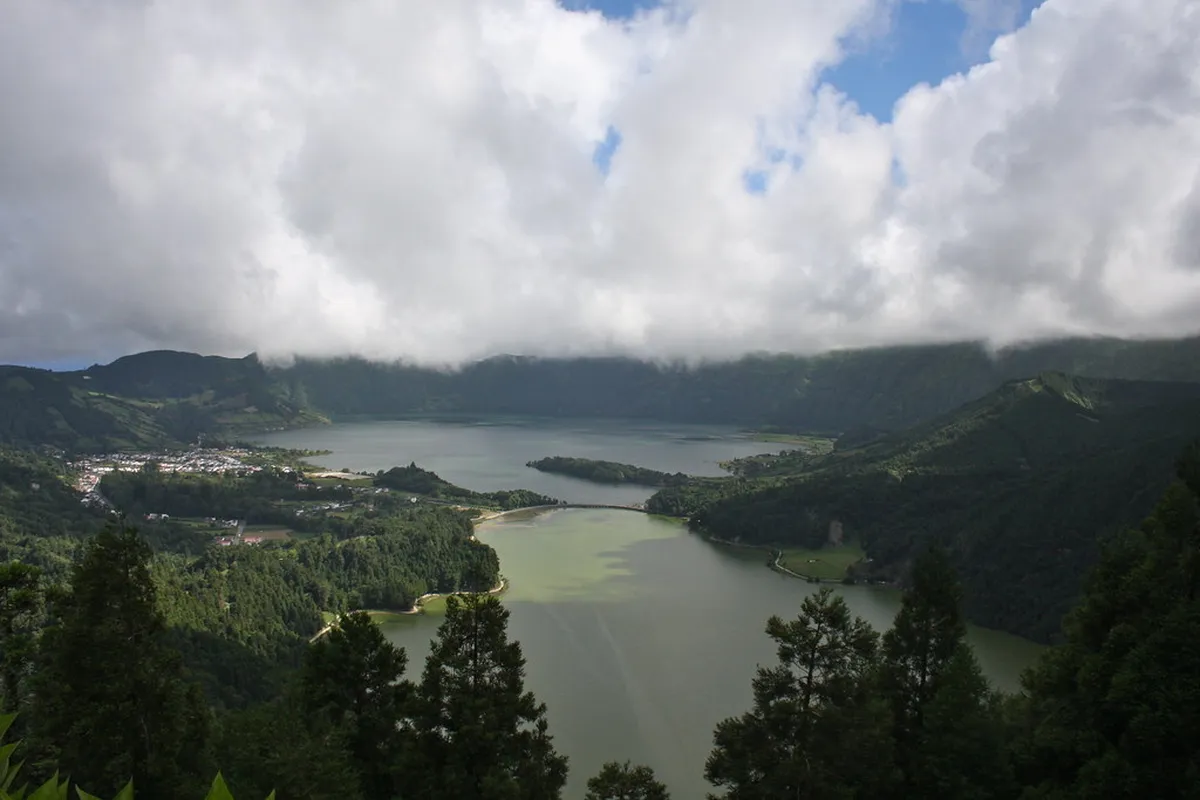
Start your São Miguel adventure at the iconic Sete Cidades volcanic crater. The Sete Cidades guide highlights the famous twin lakes. Vista do Rei is the most popular viewpoint for seeing the blue and green water. Arrive early to beat the tour buses and enjoy the silence of the caldera.
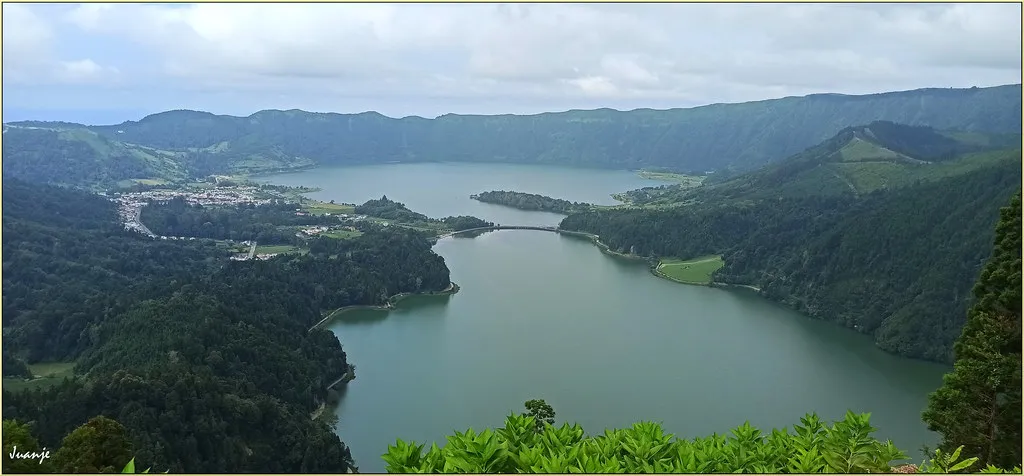
Hiking the rim of the crater provides different perspectives of the massive landscape. The Boca do Inferno trail leads to a 360-degree panorama that was formed around 22,000 years ago. You can rent a kayak to explore the calm waters of the lake from below. The small village inside the crater is a charming place for a quiet lunch. Plan Sete Cidades for the day with the clearest forecast — cloud cover completely removes the view.
Frequently Asked Questions
Which nordeste sao miguel guide options fit first-time visitors?
First-time visitors should prioritize Ribeira dos Caldeirões and Ponta do Sossego. These spots are easy to access and offer the most iconic views of the region. Most people find that a full day is enough to see the main highlights of the east coast.
How much time should you plan for nordeste sao miguel guide?
You should plan at least 6 to 8 hours for a complete Nordeste trip. This allows for driving time from Ponta Delgada and several stops for photos and short walks. Some travelers prefer to stay overnight to catch the famous sunrise.
Are there many waterfalls in the Nordeste region?
Yes, Nordeste is famous for its lush cascades and hidden streams. You can find several accessible ones in the main parks. Check out our 11 Best Waterfalls in the Azores for specific locations and hiking details.
Nordeste remains one of the most authentic and beautiful parts of the Azores. Its combination of dramatic cliffs, volcanic history at Furnas, and peaceful gardens creates a unique travel experience. Whether you are hiking for birds or chasing sunrises, this region will not disappoint. Make sure to include it in your next trip to São Miguel for a true taste of nature.
Combine this with our main Azores attractions guide for a fuller itinerary.