
Porto Port Wine Cellars: Which to Visit in Vila Nova de Gaia
Vila Nova de Gaia hosts 50+ port wine cellars with 60-90 minute tours and 2-4 tastings. This 2026 guide covers which house to pick, real tour prices, WOW, Porto wine bars, and how to plan your day.
On this page
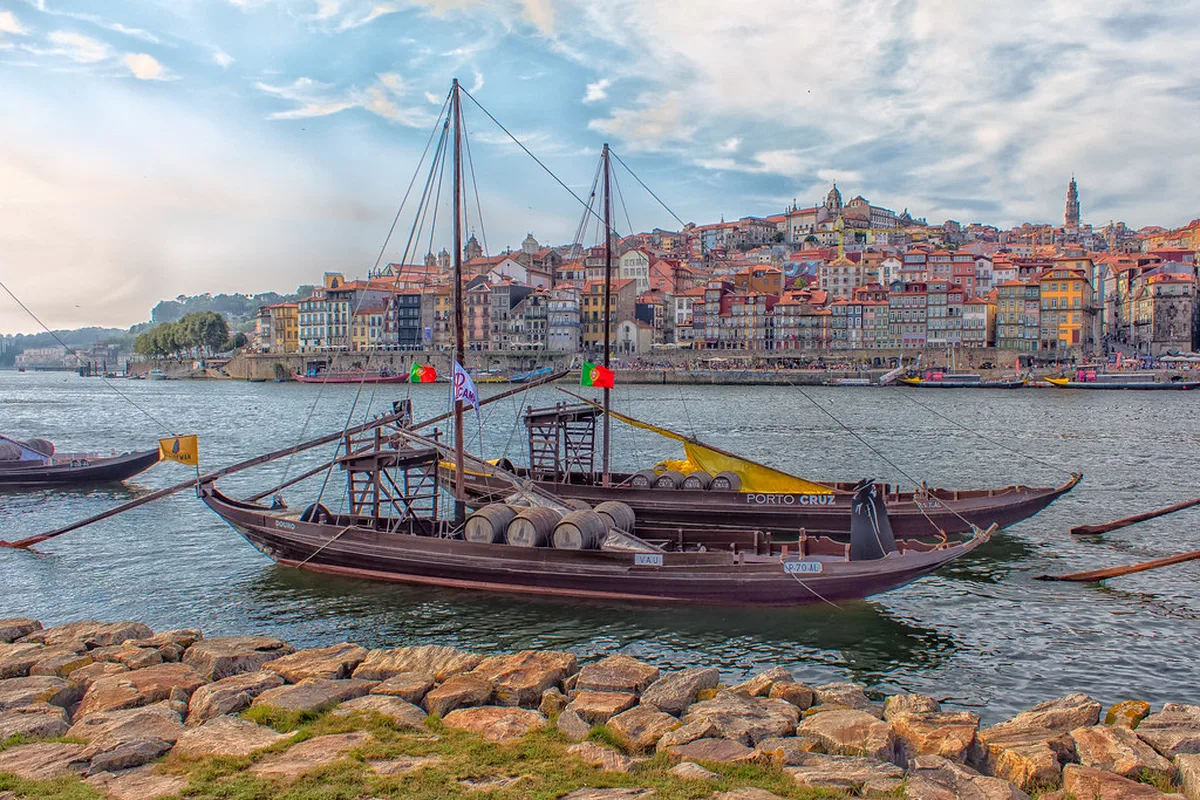
More than 50 port wine cellars line the south bank of the Douro in Vila Nova de Gaia, just across the river from Porto's old town. Port has been aged here since 1756 by royal decree, and most cellars run 60-90 minute tours with 2-4 tastings included. The result is one of the most concentrated wine-tasting districts in Europe — you can walk between half a dozen historic houses in under 20 minutes.
This 2026 guide covers how to choose a cellar, how much tours cost, how many you can realistically do in one day, and how to avoid the classic over-touring mistake. If you are still mapping out the rest of your trip, see our full guide to Porto attractions for context on where the cellars fit into a 2-3 day itinerary.
A brief history of port wine
Port wine was born in the Douro Valley, the steep terraced wine region about 100 km upriver from Porto. Production goes back centuries, but the modern industry took shape in the 17th century when English merchants — cut off from French wine by trade wars — began buying Douro wine and fortifying it with grape spirit so it could survive the long sea voyage back to Britain.

The pivotal year was 1756. Portuguese prime minister the Marquês de Pombal created the Real Companhia Geral da Agricultura das Vinhas do Alto Douro, drawing legal boundaries around the Douro Valley and regulating which vineyards could produce port. This made the Douro the world's first officially demarcated and protected wine region, predating Bordeaux's classification by exactly 100 years.
The grapes are still grown in the Douro — and you can visit the vineyards on a Douro Valley day trip from Porto — but the wine itself is aged in Vila Nova de Gaia. The reason is climate. The river-mouth location is consistently 5-8°C cooler and more humid than the upper Douro, which historically allowed slower, more even barrel aging. By law, port could only be called "port" if aged in Gaia until 1986, when the rule was relaxed.
How port wine tours work
A standard port cellar tour follows a predictable rhythm, and knowing it ahead of time makes the experience smoother. You arrive at the cellar entrance, check in, and wait for your scheduled time slot — most houses run tours every 30-45 minutes in high season.
A guide walks you into the aging cellars themselves, which are dim, cool, and stacked with massive oak barrels (called pipas) holding anywhere from 550 to 100,000+ liters of wine. You learn how port is made: harvest in September, fermentation stopped early with grape spirit (which is why port is sweet and 19-22% alcohol), then years to decades of aging.
The guide explains the main port styles:
- Ruby — young, fruity, aged 2-3 years in large vats
- Tawny — aged in smaller barrels for 10, 20, 30, or 40 years; nutty and caramelized
- White — made from white grapes; served chilled, often as an aperitif
- Rosé — modern style introduced in 2008
- LBV (Late Bottled Vintage) — single-harvest, aged 4-6 years
- Vintage — declared only in exceptional years; aged in bottle for decades
The tour ends in a tasting room with 2-4 small pours. Total duration runs 60-90 minutes. Cost ranges from €15 to €45 per person depending on the cellar and which tier of port is included in the tasting. Book ahead in summer (June-September) — walk-ins routinely get turned away at the larger houses.
Bring a light jacket into any cellar, even in summer — aging cellars are kept at 16–18°C year-round, which feels noticeably cold when you walk in from 30°C heat outside. The chill is most pronounced in the older underground cellars at Taylor's and Graham's.
The major port houses
Vila Nova de Gaia hosts both English-founded and Portuguese-founded houses, and the historical split still shows in their styles and branding. Here are 10 of the most visit-worthy:
English-founded houses (founded by British merchants in the 17th-19th centuries):
- Sandeman — instantly recognizable for its black-caped "Don" logo; large, polished, very tourist-friendly
- Taylor's — one of the oldest (1692); known for serious vintage ports and a hilltop location with panoramic views
- Graham's — premium house with excellent tawnies and a refined modern museum
- Croft — founded 1588; produces the well-known "Croft Pink" rosé
- Cockburn's — biggest cellar in Gaia by floor space; dramatic warehouse atmosphere
- Dow's — drier house style, favored by serious port collectors
- Warre's — the oldest English-founded port house (1670); small, traditional, less touristy
Portuguese-founded houses:
- Ferreira — founded 1751 and famously run by Dona Antónia Ferreira in the 19th century; strong national pride, classic Portuguese style
- Cálem — central location, popular tour with optional fado music performance during the tasting
- Ramos Pinto — beautiful belle-époque headquarters on the riverfront; known for elegant tawnies
Each has a slightly different house style — drier or sweeter, fruitier or more oxidative — but for a first visit the differences are subtle. Pick based on logistics, tour reviews, and what tier of tasting fits your budget.
Choosing your tour — short vs deep
Cellars typically offer three tiers of tour, and which one to pick depends on how much time you have and how invested you are in port itself.
Express tour (€15-20, ~60 minutes, 2 tastings). The basic walk-through with two entry-level pours, usually a ruby and a tawny. This is the right choice if you are squeezing one cellar visit into a busy Porto day, if you are not a serious wine drinker, or if you are touring with kids who will get bored by anything longer. You will leave with a clear understanding of how port is made and what the main styles taste like.
Standard tour (€25-35, ~90 minutes, 3-4 tastings). The sweet spot for most travelers. You get more time in the cellars, a proper guided tasting with comparisons (e.g. a 10-year tawny next to a 20-year), and usually one premium pour like an LBV or reserve ruby. If you only do one port cellar tour during your trip to Porto, this is the tier to book.
Premium tour (€45+, 2 hours, vintage tastings). For enthusiasts. You taste vintage ports, 30- or 40-year tawnies, or rare single-harvest bottlings — wines that retail for €80-200+ per bottle. Some premium tours also include cellar areas closed to standard tour groups. Worth it only if you genuinely care about port and can taste the difference between a 10-year and 30-year tawny.
2026 price-tier comparison table
Prices below reflect 2026 standard adult rates. Children under 12 are free or half-price at most houses; confirm when booking.
| Cellar | Express (€) | Standard (€) | Premium / Vintage (€) | Tasting bar (no tour) | Min booking lead time |
|---|---|---|---|---|---|
| Sandeman | 15–18 (2 pours) | 25–30 (3 pours) | 45 (4 pours incl. 20yr tawny) | From €8 / 3 pours | 3–5 days (summer) |
| Graham's | 18–20 (2 pours) | 28–35 (3–4 pours) | 50–60 (vintage + 30yr tawny) | From €12 / 3 pours | 1 week (summer) |
| Taylor's | 20 (2 pours) | 32–38 (3 pours) | 55–75 (LBV + 40yr tawny) | From €12 / 3 pours | 1–2 weeks (June–Aug) |
| Ferreira | 16–18 (2 pours) | 25–30 (3 pours) | 45–55 (vintage colheita) | From €10 / 3 pours | 2–3 days (summer) |
| Cálem | 16–20 (2 pours + fado) | 28–32 (3 pours + fado) | 45 (premium tawny flight) | From €8 / 3 pours | 3–5 days (summer) |
| Croft | 16 (2 pours) | 26–30 (3 pours) | 42–50 (premium reserve) | From €9 / 3 pours | 2–4 days (summer) |
| Ramos Pinto | 15–17 (2 pours) | 24–28 (3 pours) | 45–55 (aged tawny flight) | From €9 / 3 pours | 2–3 days (summer) |
| Warre's | 15 (2 pours) | 22–26 (3 pours) | 40–50 (traditional vintage) | Limited | Walk-in usually fine |
Rule of thumb: Budget €25–35 per person for a standard tour. Premium tours at €50–75 are worth the premium only if you can distinguish between a 10-year and a 30-year tawny — which the standard tour teaches you, so consider doing standard first.
How to choose your cellar by interest
With 50+ houses open to visitors, the most common mistake is picking based on name recognition alone. Use this quick selector instead:
Best for views: Taylor's Fladgate. The estate sits on the highest point in Gaia, with a terrace looking directly down the Douro towards the Atlantic. The tour itself is longer and pricier, but the view from the terrace is unmatched — and Taylor's 20-year tawny is among the best in the valley.
Best for history and heritage: Ferreira. Founded in 1751 by a Portuguese family when most competitors were English merchants, Ferreira has a compelling human story — particularly the life of Dona Antónia Adelaide Ferreira, who rebuilt the estate after the devastating phylloxera crisis of the 1870s. The tour leans into narrative over spectacle.
Best for first-timers: Sandeman or Cálem. Both are riverfront, both run smooth 60–90-minute tours with strong English guiding, and both have multiple daily slots that make last-minute booking easier. Cálem adds a fado performance during the tasting at no extra cost, which is a distinctive bonus.
Best for wine enthusiasts: Graham's. The house style runs drier and more complex than most, the modern museum covers vine-to-bottle detail, and the premium tour opens areas closed to standard groups. If you already know the difference between colheita and tawny, start here.
Best on a budget: Warre's or Ramos Pinto. Both offer standard tours at the lower end of the price range, walk-in slots are more available, and the tourism infrastructure is lighter — smaller groups, quieter cellars. Ramos Pinto's belle-époque headquarters on the riverfront is also one of the most photogenic buildings in Gaia.
Best for families with children: Sandeman. The "Don" costume character is recognizable even to non-wine-drinkers, guides are experienced with mixed groups, and the express tour at 60 minutes does not overstay a child's attention. Grape juice alternatives are available at the tasting.
If you are also planning to visit the source — the vineyards themselves — the logical follow-up is a Porto to Douro Valley wine tasting day trip, which puts everything you learn in the Gaia cellars into context.
How to get to Vila Nova de Gaia — routes from Ribeira
From Porto's Ribeira waterfront there are three practical ways across to the cellars:
Option 1: Walk the Dom Luís I Bridge (upper deck). Cross the upper deck of the iron bridge (free, 10-minute walk) and descend into Gaia on the far side. This is the most atmospheric route and gives you the best elevated view of the Douro. The descent on the Gaia side involves around 200 steps or a funicular ride (see below). Total walking time from Ribeira to the riverfront cellars: 15–20 minutes.
Option 2: Walk the lower deck and Cais de Gaia. The lower deck of the same bridge drops you almost directly onto the Gaia riverfront. Walking time from Ribeira: 10–12 minutes, mostly flat. Best for families with pushchairs or travelers with luggage.
Option 3: Gaia cable car (Teleférico de Gaia). Runs between the Gaia riverfront (station next to the river) and the hilltop near Taylor's. Single €6 / return €9. Operates 10:00–20:00 (extended hours in summer). Useful if you want to visit Taylor's or Graham's without climbing. Take the bridge down and the cable car up, or vice versa.
Metro option: Line D (yellow) stops at Jardim do Morro station in Gaia, directly adjacent to the cable car upper station. A single metro ride from central Porto costs €1.50–2.00 and takes about 8 minutes from São Bento. Practical if you are staying far from Ribeira.
The riverfront cellars (Sandeman, Cálem, Croft, Ramos Pinto) are all within a 5-minute walk of each other along Cais de Gaia. Hillside cellars (Taylor's, Graham's) add a 10–15-minute climb or the cable car. Plan accordingly if you are visiting multiple houses.
Vegan, dietary, and accessibility notes
Vegan and vegetarian visitors: Port wine itself is a vegan product at most major houses — producers stopped using traditional fining agents (egg albumin, isinglass) over the past decade. Sandeman, Graham's, Taylor's, and Ferreira have confirmed vegan-suitable tasting options. If this matters to you, email the cellar directly before booking; policies vary for premium and vintage flights which may use older filtering methods.
Some premium tours include food pairings — typically cheese, charcuterie, or chocolate. Most houses can provide a vegan pairing (dark chocolate, nuts, olives) if requested in advance; this is not automatic, so mention it when booking.
Accessibility: The Gaia riverfront cellars (Sandeman, Cálem, Croft, Ramos Pinto, Ferreira) are generally accessible for wheelchair users and visitors with limited mobility — mostly flat or gently sloped terrain. The hillside cellars (Taylor's, Graham's) involve significant steps and uneven ground; neither offers a fully step-free tour route as of 2026. Taylor's has a garden terrace accessible by cable car, but the cellar tour itself is not fully accessible. Contact the house in advance to confirm current arrangements.
Children's policy: Under-12s are welcome on tours at all major houses. Most offer grape juice as a non-alcoholic alternative during the tasting portion. Cálem's fado performance during the tasting is generally well-received by kids. Under-18s cannot consume the wine pours; guides handle this routinely.
How to combine multiple cellar visits
Two to three tours in one day is realistic and enjoyable. Four or more turns into a tasting blur — by your fourth cellar your palate is tired, the alcohol catches up, and the tours start to repeat themselves. There are easily 50+ cellars in Gaia, but the goal is contrast, not completion.
A smart day looks like this: Start with a smaller, less commercial house in the morning (10:00 or 10:30), when the cellars are quiet and your palate is fresh. Take the standard 90-minute tour. Walk down to the riverfront afterward.
Eat lunch in Vila Nova de Gaia. The Cais de Gaia waterfront is lined with restaurants — many of them tourist traps, but a few good ones serve grilled sardines, octopus rice, or francesinha. Eating a real meal between tastings is essential; port is high-alcohol fortified wine, and tasting on an empty stomach catches up with you fast.
Do a larger, well-known house in the afternoon (around 14:30 or 15:00). Pick something that contrasts with the morning — if you started at a small Portuguese house, end at a big English-founded one, or vice versa. Walking between most cellars takes 5-15 minutes, so transit between tours is rarely an issue.
If you have a third tour in you, slot in an express tour at 17:00 — but be honest about whether you actually want it or are just collecting checkmarks.
2026 opening hours and booking window
Opening hours vary by season and house. The table below reflects current 2026 hours; verify directly with each cellar as hours extend in peak summer and compress in winter.
| Cellar | High season (Jun–Sep) | Shoulder (Apr–May, Oct) | Low season (Nov–Mar) | Last entry |
|---|---|---|---|---|
| Sandeman | 10:00–19:30 | 10:00–18:30 | 10:00–17:30 | 90 min before close |
| Graham's | 09:30–19:00 | 09:30–18:00 | 09:30–17:00 | 60 min before close |
| Taylor's | 10:00–19:00 | 10:00–18:00 | 10:00–17:00 | 60 min before close |
| Ferreira | 10:00–18:30 | 10:00–17:30 | 10:00–17:00 | 60 min before close |
| Cálem | 10:00–19:00 | 10:00–18:00 | 10:00–17:00 | 60 min before close |
| Croft | 10:00–18:30 | 10:00–17:30 | Closed Mon | 60 min before close |
| Ramos Pinto | 10:00–18:00 | 10:00–17:00 | Mon–Fri only | 45 min before close |
| Warre's | 10:00–18:00 | 10:00–17:00 | Mon–Fri only | Walk-in |
Booking tips and what to wear
Book 1-2 weeks ahead in summer (June through September), especially for the larger houses like Sandeman, Graham's, and Taylor's, which routinely sell out their daily slots. In winter (November-February) walk-ins are usually fine, and cellars are noticeably less crowded — see our guide to the best time to visit Porto if you are still picking dates.
Bring a layer. Cellars are kept at 16-18°C year-round for proper aging, which feels chilly even in summer when you walk in from 30°C heat. A light jacket or long sleeves makes the 90-minute tour much more comfortable.
Mind the stairs. Some historic cellars (especially Taylor's and Graham's, which sit higher on the hill) involve significant climbing or descending — not always step-free. If mobility is a concern, ask the cellar in advance or pick a riverside house like Cálem or Sandeman.
Skip-the-line tickets via GetYourGuide work well for the popular cellars and let you arrive at your slot without queuing at the box office. Watch your alcohol intake — a "small" tasting is 25-50 ml, but five tastings across two cellars adds up to a glass and a half of 20% wine.
In summer (June–September), the most popular cellars — Sandeman, Graham's, and Taylor's — routinely sell out their daily tour slots. Book at least 1–2 weeks in advance; Taylor's can fill up 2 weeks out during peak season.
World of Wine (WOW) — the Gaia museum district
The World of Wine (WOW) opened in 2020 in the former Ramos Pinto warehouses on the Gaia hillside, and it has quickly become one of the most-visited cultural sites on the Iberian Peninsula. It is not a cellar — it is a seven-museum complex covering wine, cork, chocolate, textiles, and design, plus a clutch of restaurants and a rooftop bar with panoramic Douro views.
For tasters, the core draw is the Wine Experience museum (around €13–18 for adults in 2026), which walks you through Portuguese wine from Vinho Verde in the Minho to aged Vintage Port in Gaia, with aroma kits and tasting stations covering grape varieties like Touriga Nacional and Tinta Roriz. A combined multi-museum ticket runs around €22 and is discounted versus buying each separately.
WOW suits two groups especially well: first-timers who want context before committing to a lodge tour, and mixed groups where not everyone loves wine — the cork, chocolate, and fashion galleries keep non-drinkers occupied. It is also stroller- and step-free-friendly throughout, unlike the steep lodge lanes. Budget two to three hours.
Wine bars and tasting rooms on the Porto side
The Gaia lodges cover Port comprehensively, but the wine bars across the river in Porto proper are where you discover the rest of Portugal's wine culture — natural wines, Vinho Verde, and small Douro producers. A few worth seeking out:
- Cave Bombarda (Rua de Miguel Bombarda, Cedofeita art district) — part shop, part bar, focused on low-intervention and natural wines from the Douro, Alentejo, and Minho. Glasses run €8–25; staff will often open something not on the menu if you ask. Open from mid-afternoon, Tuesday–Saturday.
- Capela Incomum — set inside a converted 19th-century chapel, quiet and candlelit, with glasses from around €5 and service running into the evening. Fills up by 20:00 on weekends.
- Flow Wine Bar (near Clérigos) — central and Vinho Verde-focused, glasses around €4–7, good before a seafood dinner.
While you are here, order a Porto Tónico — chilled white port over ice topped with tonic, Porto's signature aperitif, served almost everywhere. The trick most tourists miss: the default tourist pour uses a weak 1:5 port-to-tonic ratio, so ask for a 1:3 pour with a sprig of fresh mint and a slice of lemon (not lime, which clashes). If you find white port unremarkable, ask whether they stock a better label than the standard one — it usually costs only €1–2 more per glass and transforms the drink.
Food pairings for a port tasting day
Port is intensely sweet and high in alcohol (around 20%), so eating strategically across a tasting day is not optional — it is what separates remembering the day from not. Lodges usually offer plain crackers or a little cheese, but treat those as palate cleansers, not a meal. Eat properly before your first cellar and build in a real lunch between sessions.
Pair by style. The classic match for aged tawny is a salted sheep's cheese (Queijo de Ovelha from the Alentejo) — counterintuitive, but the fat cuts the sweetness and lifts the nutty, caramelized notes. Ruby goes with dark chocolate (70%+ cacao), which most lodges pour alongside their ruby flights. Chilled white port works beautifully with salted almonds or cured presunto ham.
If you tack on a Douro Valley wine tasting day trip with an estate lunch, do the opposite — arrive hungry. Those kitchens build the meal around specific wines as one designed pairing experience.
What to skip: overrated port experiences
Not every port "experience" in Porto is worth your time or money. A few honest skips:
- Riverfront "unlimited tasting" kiosks. They pour mass-produced young rubies with no historical context and no real guiding. Any venue using street promoters to lure you in with free samples is not a serious house — legitimate lodges never recruit from the sidewalk.
- The biggest cellars at peak summer. When a tour group tops thirty people you lose any chance to ask the guide a real question and the visit feels like an assembly line. A smaller, family-run house delivers a better education at the same price point.
- Retail-only "wine shops" in Ribeira with no cellar of their own. Storage conditions can be poor for delicate older vintages. Stick to the established Gaia lodges or a reputable wine bar for the best tasting conditions.
The pattern is simple: pay for context and provenance, not for volume. One thoughtful tour plus one good wine bar beats four rushed tastings every time.
Visiting during harvest season (September–October)
If you can choose your dates, September and October are the best months for a wine-focused Porto trip. The vindima (harvest) runs from roughly the first week of September through mid-October, and the energy around the lodges and the valley shifts noticeably. Some estates open their Douro vineyard properties to visitors only during this window, offering the rare chance to see grape picking — and at a few quintas, traditional foot treading in stone lagares that is off-limits the rest of the year.

The landscape peaks too: the terraced hillsides turn gold and red before the picking finishes, which makes a Douro Valley day trip from Porto especially worthwhile in these weeks. The trade-off is demand — harvest overlaps with strong autumn tourism, so book lodge tours at least two weeks ahead, and earlier for the popular hilltop houses. If you only have time for the Gaia cellars, harvest still adds a festive buzz to the riverfront, with some houses running harvest-themed tastings.
Frequently Asked Questions
Are port wine tours worth it?
Yes — a port cellar tour is one of the best-value cultural experiences in Porto. For €15-35 you get 60-90 minutes inside a working historical cellar, expert explanation of how port is made, and 2-4 guided tastings of wines that would cost you the same at a bar. Even if you do not drink wine often, the history and architecture alone justify one visit. See our full Porto attractions guide for how to fit it into your itinerary.
Which port wine cellar is the best?
There is no single "best" cellar — it depends on what you want. Sandeman and Cálem are the most polished and tourist-friendly. Taylor's offers the most prestigious vintage tastings and best views. Graham's and Ramos Pinto are favored by serious port drinkers. Warre's and Ferreira give the most traditional, low-key experience. For a first visit, pick based on tour reviews and tasting tier rather than house reputation.
How many port wine tours can you do in one day?
Two to three is the realistic maximum. After three tours your palate is tired, the alcohol has caught up, and the explanations start repeating. A good rhythm is one cellar in the morning, lunch in Vila Nova de Gaia, and a second cellar in the afternoon. Squeezing in a fourth tour rarely improves the experience.
Can you do port wine tasting without a tour?
Yes. Most cellars have a tasting bar where you can order flights without joining a guided tour, typically €8-15 for three pours. Several independent wine bars on the Cais de Gaia and in central Porto also offer port flights from multiple producers — a good option if you want to compare houses side by side without committing to a 90-minute tour.
Do you need to book ahead?
In summer (June-September) yes — book 1-2 weeks in advance for popular cellars like Sandeman, Graham's, Taylor's, and Cálem. In shoulder season (April-May, October) booking a few days ahead is enough. In winter (November-February) walk-ins are usually fine except on weekends and holidays.
Are port wine cellars vegan-friendly?
Port wine at the major houses (Sandeman, Graham's, Taylor's, Ferreira, Cálem) is produced without animal-derived fining agents and is generally considered vegan-suitable. Premium and vintage flights may differ — confirm with the specific cellar when booking. Food pairings included in some tours (cheese, charcuterie) can be swapped for vegan alternatives if requested in advance.
Can children visit port wine cellars?
Yes — all major houses welcome children, and most offer grape juice as a non-alcoholic alternative during the tasting. Cálem's tours include a fado performance that tends to hold children's attention well. The express tour (60 minutes) is better suited to families than the 90-minute standard. Under-18s cannot taste the wine pours; guides manage this routinely.
Are port wine cellars wheelchair accessible?
Riverfront cellars (Sandeman, Cálem, Croft, Ramos Pinto, Ferreira) are largely accessible, with flat or gently sloped terrain. Hillside cellars — Taylor's and Graham's — involve significant steps and are not fully step-free as of 2026. Contact the specific house before booking if accessibility is a priority.
What is the difference between port wine and Douro wine?
Both come from the same Douro Valley vineyards, but port is fortified (fermentation is stopped with grape spirit, preserving sweetness and raising alcohol to 19–22%). Douro table wines finish fermenting naturally and are dry, 13–14% alcohol. After a cellar tour in Gaia, you can taste the unfortified side of the valley on a Douro Valley wine tasting day trip from Porto.
How does a port wine cellar visit fit into a 2-day Porto trip?
Most visitors slot one cellar visit into Day 2 afternoon — cross the Dom Luís I Bridge from Ribeira after lunch, do a 90-minute standard tour, walk the Gaia waterfront, and return to Porto by early evening. Our Porto 2-day itinerary maps this exact route with timings.
What is the World of Wine (WOW) in Gaia?
World of Wine (WOW) is a seven-museum cultural complex that opened in 2020 in the former Ramos Pinto warehouses on the Gaia hillside. It covers wine, cork, chocolate, textiles, and design, plus restaurants and a rooftop bar. The Wine Experience museum (around €13–18) is the key stop for tasters; a combined multi-museum ticket runs about €22. It is the best starting point for first-timers and mixed groups, and unlike the lodge lanes it is fully step-free.
What is a Porto Tónico?
A Porto Tónico is Porto's signature aperitif: chilled white port over ice topped with tonic water, garnished with fresh mint and a slice of lemon. It is served at almost every cellar and wine bar. Ask for a 1:3 port-to-tonic ratio rather than the weaker 1:5 tourist pour, and request lemon over lime — small changes that noticeably improve the drink.
 Porto To Aveiro By Train Travel GuideJune 8, 2026