8 Essential Tips for Visiting Guincho Beach: A Travel Guide
Plan your trip to Guincho Beach with expert tips on surfing, the best beach bars, logistics from Lisbon, and how to handle the famous Atlantic winds.
On this page
8 Essential Tips for Visiting Guincho Beach
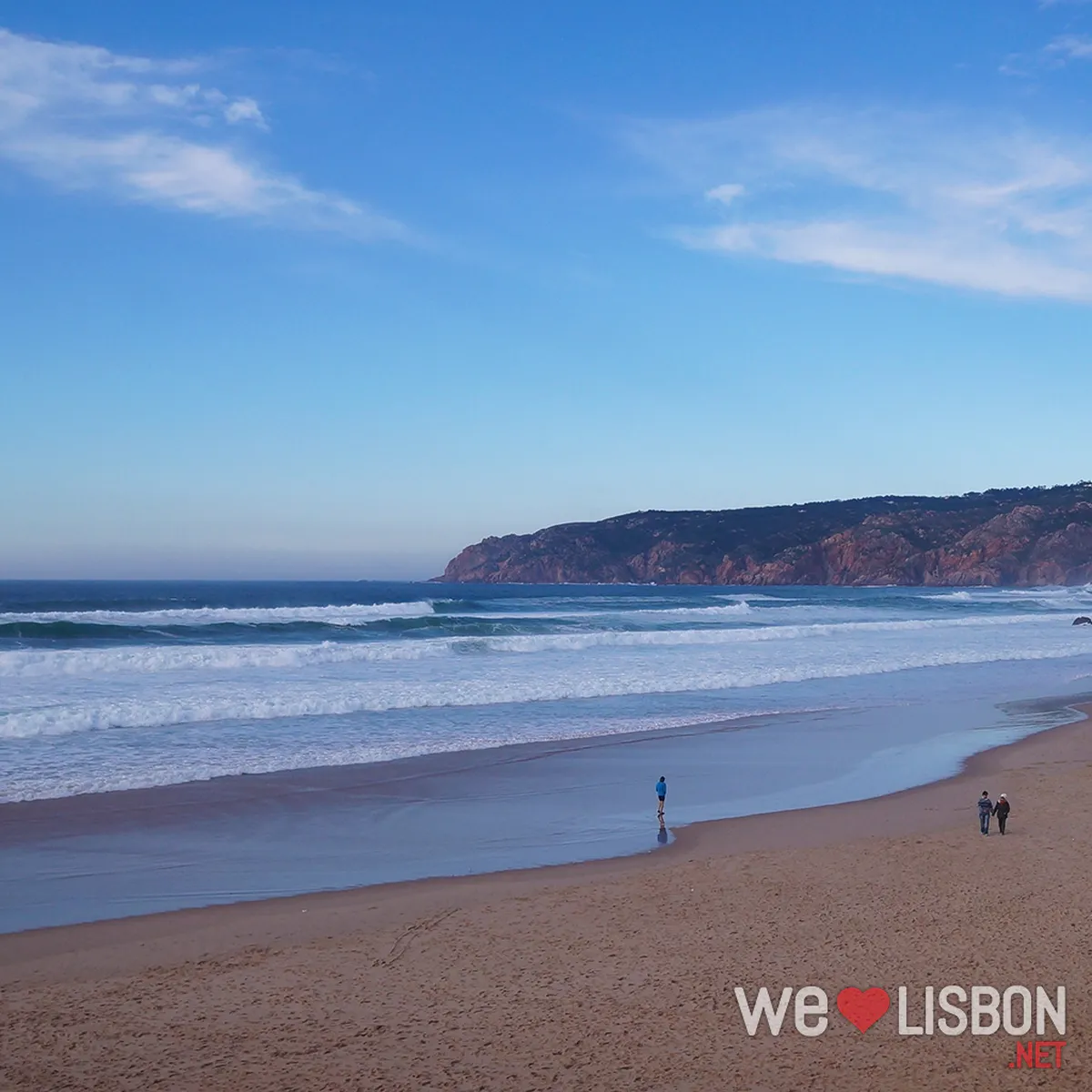
Guincho Beach is one of the most famous stretches of sand in Portugal. This wild, windswept spot sits 6km northwest of Cascais, where the coastline turns toward the open Atlantic. It is a world apart from the sheltered coves of the Estoril Coast — rawer, windier, and far more dramatic.
Visitors come here for the powerful waves, the kitesurfing spectacle, and the sheer scale of the dunes rolling back toward the Serra de Sintra hills. The beach is also a known film location, a Michelin-starred dining destination, and the terminus of one of the Lisbon region's best cycling routes. Getting the most out of a visit takes a little planning, especially around wind timing and which end of the beach to use.
This guide covers everything you need for a great day at Guincho in 2026 — surf conditions, transport options, dining, and the practical details that most visitor guides skip.
Overview of Praia do Guincho: A Wild Atlantic Escape
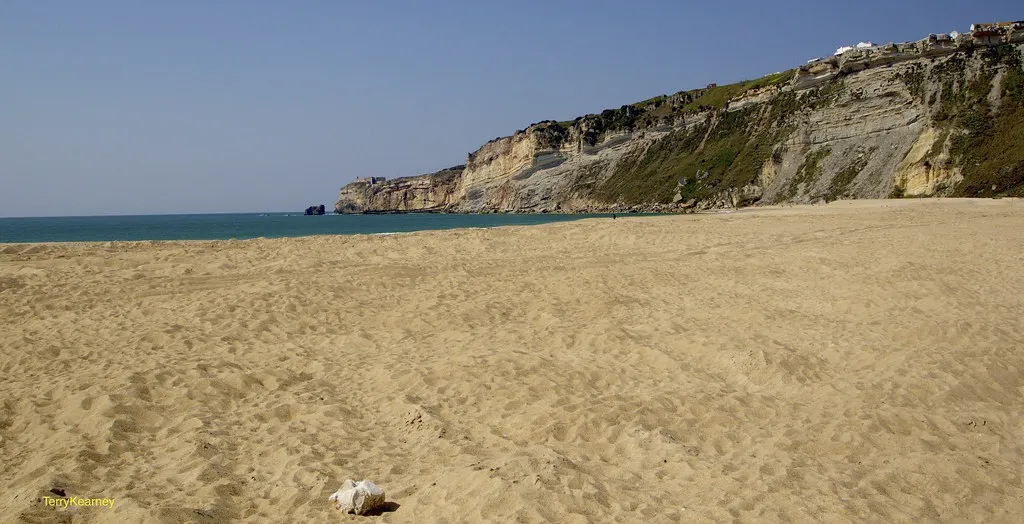
Located within the Sintra-Cascais Natural Park, Praia do Guincho sits in a natural depression on the southern side of the Serra de Sintra hills. The beach stretches roughly 750 metres, backed by inland sand dunes that the constant Atlantic wind has pushed deep into the protected landscape. No major commercial development is allowed, which keeps the setting almost entirely natural.

The beach has two distinct ends, and choosing the right one makes a big practical difference. The northern end has a large car park (around 500 spaces, €2 all day) and the Bar do Guincho. When the summer Nortada wind funnels around the Sintra hills, the northern cliffside offers mild shelter — making it the better choice for families and casual visitors trying to avoid the worst of the afternoon blast. The southern end is smaller, calmer to reach, and sits next to the yellow-walled Fortaleza do Guincho fort-hotel. Most surf schools and board hire outlets operate on both ends, but the southern end's car park (also €2) tends to fill less quickly.
The water is cold year-round — surface temperatures rarely exceed 20-21°C even in August. Strong rip currents run through deeper channels that are not always visible from the beach. Check the Guincho live webcam before you leave for a real-time read on crowd levels, wind, and fog. Lifeguards patrol during the summer season, and flag rules are strictly enforced here.
The Visit Portugal page for Praia do Guincho confirms its protected status and lists the beach as one of the country's top natural coastal sites. The combination of clean Atlantic water and an undeveloped dune system is rare this close to a major European capital.
The Surf in Praia do Guincho: Waves, Wind, and Seasons
Guincho is an exposed beach break that faces directly into the Atlantic, which means it picks up swell from a wide range of angles. Unlike Carcavelos — which sits more sheltered along the Estoril Coast — there is rarely a completely flat day at Guincho. The peaks shift along the sandbanks across the full length of the bay, so conditions can vary dramatically within 200 metres.
Summer (June–August) brings manageable swell and more forgiving waves, but also the Nortada — the strong northerly wind that picks up by midday and can turn clean lines into choppy mush by 13:00. Surf schools from Lisbon and Cascais run beginner lessons here between June and September, specifically targeting the inside reforms where whitewater is gentler and more predictable. If you are learning, mornings are essential: arrive before 09:30 and you will often find glassy conditions before the thermal winds kick in. The northern end also benefits from a degree of Sintra mountain shielding in strong wind, which can keep it rideable a little longer than the central section.
Autumn is the sweet spot for experienced surfers. September through November delivers consistent chest-to-overhead swell, lighter winds, and far smaller crowds. The water is still relatively warm from summer, and the heavy winter storms have not yet set in. Winter brings the largest, most powerful surf — slabbier peaks, heavy rips, and conditions that are best observed from the clifftops unless you are an advanced surfer in a thick 4/3mm wetsuit. A 3/2mm wetsuit covers summer comfortably; winter demands at least a 4/3mm.
Board and wetsuit hire is available at the beach from Moana Surf School (north end) and Guincho Surf Shop (south end). Expect to pay around €20 for a two-hour hire or €45 for a full day including board and suit. Check our Cascais Beaches: The Ultimate Guide to the Portuguese Riviera for a comparison of beginner-friendly spots along this stretch of coast.
For beginners, aim to arrive before 09:30 in summer — conditions are often glassy before the Nortada thermal wind kicks in around midday. Surf schools run lessons from June to September specifically targeting this calm morning window.
Nearby Surf Spots: Alternatives When Guincho Is Too Much
On a bad Guincho day — too windy, too big, too crowded with surf schools — there are solid alternatives within 20-40 minutes. Knowing the backup options is part of surfing this stretch of coast intelligently.
Praia de Carcavelos, about 15km back toward Lisbon, is the most accessible fallback. The Nortada is effectively offshore here, which means summer mornings that feel blown out at Guincho can be clean and glassy at Carcavelos. It is a broader, more forgiving beach break and handles consistent swell well. Intermediates often prefer it in summer for exactly that reason.
Praia Grande, about 30 minutes north on the Sintra Coast, is a long, wide, powerful beach break capable of producing quality peaks when swell is running. It is heavier than Guincho on solid days and better suited to intermediate and advanced surfers once autumn sets in. The beach itself is enormous, which means space is rarely an issue even when Guincho is packed.
Praia das Macas, a few kilometres further north of Praia Grande, is slightly more sheltered and tends to offer punchier, more shaped peaks. Bodyboarders favour it. Both Sintra Coast spots are best reached by car, as public transport connections are slow.
Top Activities: Beyond the Surf
Movie fans will recognise this beach from the silver screen. The opening pre-title sequence of the 1969 James Bond film "On Her Majesty's Secret Service" was filmed on these sands. The scene shows George Lazenby's 007 preventing the apparent suicide of Contessa Vicenzo (played by Diana Rigg) before fighting two men in the surf. The fort visible in several shots is the Fortaleza do Guincho at the beach's southern end, now a five-star hotel.
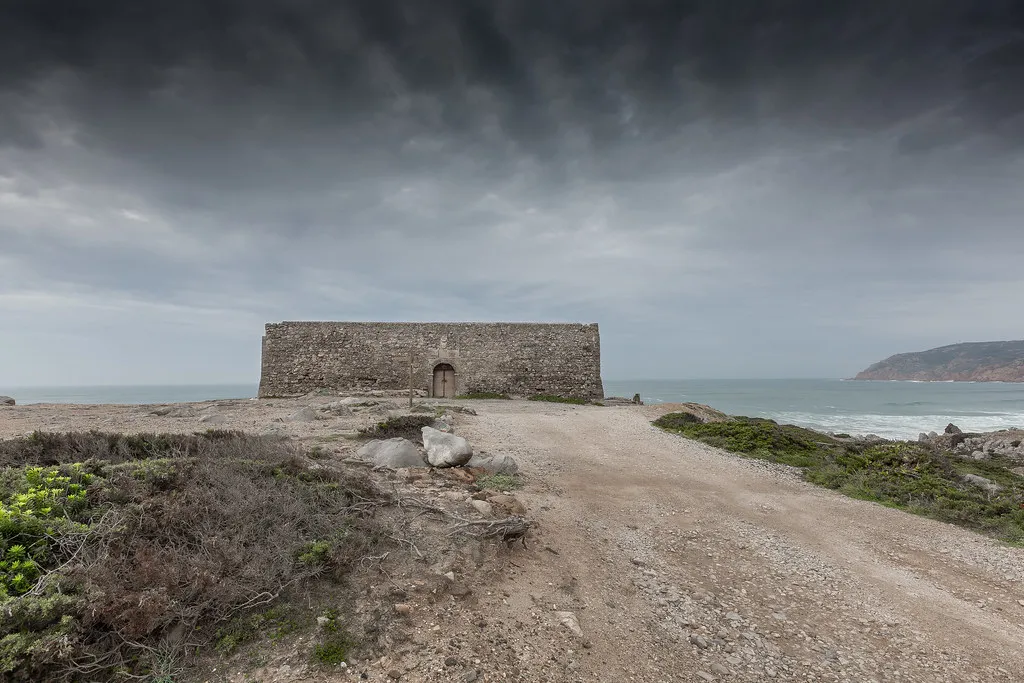
The PR4 hiking trail begins at the northern end of the beach and follows the clifftops north toward Praia do Abano and the remote Praia da Grota. The route passes the Forte do Guincho and offers dramatic views back over the bay and across to the Serra de Sintra. The trail is well-marked but physically demanding in sections — wear trail shoes, carry water, and allow at least two hours for the out-and-back to Praia do Abano.
Cycling the Ciclovia do Guincho is one of the most enjoyable ways to arrive at the beach. The dedicated 9km bike path runs from the Cascais marina along the N247 coastal road, with the Serra de Sintra rising to the north and the Atlantic breaking below to the left for most of the route. The path is largely flat and well-surfaced. Rent a Bicas bike (the Cascais municipal bike-share scheme) from the marina rack for as little as €2 for two hours, or hire a standard bike from one of the rental shops near the train station for a full day at around €12–€15. There are viewpoint stops along the route worth pausing at, including a clear sightline back to the Boca do Inferno sea cave.
The The Independent Cascais guide recommends building the bike ride into a half-day itinerary — cycle out in the morning before the wind rises, spend a few hours at the beach, and return by bus or taxi in the afternoon. Alternatively, combine with the nearby Boca do Inferno clifftop walk, which is roughly halfway along the coastal road from Cascais to Guincho.
Practical Logistics: How to Get to Guincho
Getting to the beach from Cascais is straightforward. Bus routes 405 and 415 both run from the Cascais bus terminal (located below the Cascais Villa shopping centre, adjacent to the train station). The two routes follow the same circular coastal road in opposite directions, so both eventually reach Guincho — check the Scotturb timetable to confirm which departure serves the beach within the next 20 minutes. A single ticket costs €2.35 and the ride takes 20-25 minutes. Services are seasonal and run at least once per hour in each direction during peak months.
To reach Guincho from Lisbon, take the train from Cais do Sodré station (green metro line) to Cascais — a single ticket costs €2.25 and the journey takes around 40 minutes. Then connect to bus 405 or 415. Total journey time from central Lisbon to the beach is roughly 75-90 minutes each way. Check our Cascais Beaches: The Ultimate Guide to the Portuguese Riviera for alternative coastal stops along this line.
Driving offers the most flexibility, especially if you are carrying surf gear. There are two separate car parks: the large northern lot (around 500 spaces, €2 all day) near Bar do Guincho, and the smaller southern lot (€2) next to the Fortaleza. Both fill by 11:00 on sunny summer weekends. There is also limited free roadside parking if you arrive early. Taxis and Uber from Cascais town centre take about 10-15 minutes and cost roughly €8-€12 depending on traffic.
Where to Stay: Hotels and Accommodations
Most visitors base themselves in Cascais, which puts Guincho 10 minutes away by car and gives access to the town's restaurants, bars, and train connections to Lisbon. Cascais has a wide range of hotels from budget guesthouses to upscale boutique properties. Check our Cascais 1-day itinerary for suggestions on structuring a stay that combines a morning at Guincho with afternoon sightseeing in the town.
If you want to wake up directly beside the beach, the Fortaleza do Guincho is the definitive choice. This five-star Relais & Chateaux property occupies a 17th-century fortress at the southern end of the beach. Rooms face directly onto the Atlantic. It is expensive — expect €350+ per night in high season — but the sunsets, the silence, and the on-site Michelin-starred restaurant make it a legitimate special-occasion destination. The Estalagem Muchaxo Hotel, next door, has an outdoor swimming pool built into the ruins of an older coastal fort and costs significantly less.
Budget-conscious surfers often choose Orbitur Guincho, a campsite set behind the dunes just off the beach road. Pitches are available for tents, campervans, and caravans. It is popular with the surf community precisely because you can be in the water at 07:30 before any day-trippers arrive. Book ahead for July and August as it fills quickly.
Dining: Beach Bars, Seafood, and a Michelin Star
The contrast between Guincho's rugged setting and the quality of food available is genuinely striking. The Fortaleza do Guincho restaurant holds a Michelin star and has been regarded as one of Portugal's finest seafood dining experiences for years. The menu focuses on Atlantic fish and shellfish prepared with classical technique and local ingredients. Reservations are essential, especially in high season — book at least two weeks ahead for dinner.
For a more relaxed atmosphere, Bar do Guincho on the northern end of the beach is the social hub of the area. It features in The Guardian's roundup of Portugal's best beach bars for its combination of seafood, cold beer, and raw coastal scenery. It stays open through the evening in summer, making it a good spot to watch the sunset after a surf session.
Along the N247 road back toward Cascais, Panorama Guincho and Mestre Ze are two locally recommended options that serve traditional Portuguese fish dishes at more accessible prices than the Fortaleza. Most plates run €12-€20. Fresh sea bass, grilled sardines, and caldeirada (fish stew) are the dishes to order here. If you want more variety, the Cascais town centre has a full range of restaurants along the harbour that stay open well into the night.
Best Time to Visit: Managing the Nortada Winds
The weather at Guincho operates independently from Lisbon. The city can be sunny and warm while the beach is shrouded in fog or hammered by 40km/h wind. The Sintra hills funnel and amplify the prevailing Atlantic winds, creating microclimatic conditions that surprise first-time visitors. Always check a dedicated forecast rather than a generic Lisbon weather app before setting off.
The Nortada is the defining feature of Guincho summers. This strong northerly wind typically develops mid-morning and reaches peak intensity between 13:00 and 17:00. It is the engine behind the kitesurfing and windsurfing scene — when the Nortada is blowing hard, the water in front of the northern end turns into a racing track of colourful kites. It is spectacular to watch but miserable if you are trying to sunbathe. Morning visits before 10:30 are the answer for beach days in July and August. The table below summarises conditions by time and season.
- Morning (before 10:30), July–August: Low wind, manageable surf, best for sunbathing and beginner lessons. Arrive early to secure the sheltered northern cliffside spots.
- Afternoon (13:00–17:00), July–August: Strong Nortada wind, flat to choppy water, ideal for kitesurfing and windsurfing. Bring a windbreaker if staying.
- September–November: Light to moderate wind, consistent chest-to-overhead swell, the best all-round window for surfing. Crowds thin out significantly after mid-September.
- December–February: Large, powerful surf, cold water (15-16°C), strong rips. Spectacular to watch from the PR4 clifftop path. Experts and thick wetsuits only.
- Spring (March–May): Mixed conditions, uncrowded, good for hiking and cycling the Ciclovia. Surf is variable but often worthwhile in April and May.
| Season / Time | Wind | Surf | Best For | Water Temp |
|---|---|---|---|---|
| Summer mornings (before 10:30) | Low | Manageable, glassy | Beginners, sunbathing | 18–21°C |
| Summer afternoons (13:00–17:00) | Strong Nortada | Choppy | Kitesurfing, windsurfing | 18–21°C |
| Autumn (Sep–Nov) | Light to moderate | Chest-to-overhead swell | Experienced surfers | 17–20°C |
| Winter (Dec–Feb) | Strong, variable | Large, powerful | Spectators, advanced surfers | 15–16°C |
| Spring (Mar–May) | Mixed | Variable | Hiking, cycling, casual surf | 15–18°C |
Our Estoril Coast Travel Guide: Best Things to Do & Planning Tips covers the broader Cascais-to-Sintra coastal stretch, which makes a good full-day pairing with a morning at Guincho during spring or autumn when the wind is manageable.
More Information on Praia do Guincho and Cascais
Many travelers visit this beach as part of a larger Cascais day trip from Lisbon. The train from Cais do Sodre is scenic, frequent, and costs €2.25 each way. You can easily combine a morning at Guincho with an afternoon exploring Cascais town, the Boca do Inferno sea cliffs, and the waterfront promenade.
Safety is the top priority when visiting a beach this powerful. Swim only in areas flagged green and patrolled by lifeguards during the summer season. A red flag means all entry to the water is prohibited — the currents here can overpower strong swimmers quickly, and the beach's exposed position means conditions can deteriorate faster than at sheltered beaches. Keep children well back from the waterline on high-swell days, even outside the water.
A red flag at Guincho means all water entry is prohibited — rip currents here can overpower strong swimmers quickly. The beach's exposed Atlantic position means conditions can deteriorate without warning, so always check the flag before entering the water.
Parking, food, and toilets are available at both the north and south ends of the beach. There are no sun lounger or umbrella rental facilities in the traditional beach sense — the wind usually makes umbrellas impractical anyway. Bring a lightweight beach tent or windbreak if you plan to stay all day, and pack a layer regardless of the season.
Frequently Asked Questions
Is Guincho Beach good for swimming?
Swimming can be dangerous here due to strong currents and large waves. It is much better suited for surfing and wind sports. If you want to swim, visit the calmer waters in the Cascais town center. Check our complete guide to Cascais beaches for safer swimming spots.
How do I get from Cascais to Guincho Beach?
You can take the 405 or 415 bus from the Cascais terminal. The ride takes about 20 minutes and is very cheap. Alternatively, you can cycle along the dedicated 9km bike path from the marina. Taxis and Uber are also widely available for a faster trip.
What was filmed at Guincho Beach?
The beach is famous for appearing in the 1969 James Bond film "On Her Majesty's Secret Service." The opening pre-title sequence was filmed on the sands here. Fans often visit to see the location where George Lazenby made his debut as 007. It remains a popular spot for film and commercial shoots today.
Are there sun loungers for rent at Guincho?
Sun loungers are usually available for rent during the peak summer months. However, the strong winds can sometimes make using umbrellas difficult or impossible. Most visitors prefer to bring their own gear or stay near the sheltered areas by the restaurants. Always check the wind forecast before planning a full day of lounging.
Guincho Beach is a must-visit destination for anyone traveling to the Lisbon coast in 2026. Whether you want to surf the Atlantic waves or enjoy a Michelin-starred meal, this spot has something special. The mix of natural beauty and adventure makes it truly unique.
Remember to plan around the wind and respect the power of the ocean. Use the local buses or bikes to make your trip easy and sustainable. This rugged escape offers a refreshing break from the busy city life found in Lisbon.
Pack your camera and a windbreaker for the best experience on these famous dunes. We hope this guide helps you make the most of your time at one of Portugal's most iconic beaches. Enjoy the wild beauty of the Atlantic coast! Combine this with our main Cascais attractions guide for a fuller itinerary. For related Cascais deep-dives, see our Cascais beaches guide and Estoril beach vs Cascais guides.