11 Best Things to Do in Porto on a Budget (2026 Guide)
Explore Porto on a budget with our 2026 guide to the best cheap and free things to do. Includes hidden viewpoints, free museums, and affordable local eats.
On this page
11 Best Things to Do in Porto on a Budget
After four separate visits to the city of bridges, I still find Porto to be one of the most rewarding destinations in Europe for travelers watching their wallets. The city manages to feel authentically gritty and grand at the same time without requiring a massive budget to enjoy its best corners. I remember my first trip when I spent less than thirty Euros a day while still seeing every major landmark on my list.
Porto on a budget in 2026 is not just possible — it is the natural way to experience northern Portugal. Many of the most iconic moments here, from river sunsets to historic tile displays, cost absolutely nothing. By following a few local tips, you can eat well, sleep comfortably, and see the sights without worrying about your bank balance.
While the city has grown more popular in recent years, it remains significantly more affordable than most Western European hubs. Our editors have walked these streets to find the best value for every type of visitor, from backpackers to families traveling with a careful eye on costs.
Is Porto Cheaper Than Lisbon for Travelers?
Porto generally offers a more affordable experience compared to the capital. Accommodation prices tend to be lower throughout the year, especially outside of the peak summer months. You can often find boutique stays for the price of a basic hostel in Lisbon.
Dining out in Porto also delivers excellent value if you stick to local taverns. Many traditional spots serve a prato do dia (dish of the day) for under ten Euros, including bread, a drink, and dessert. This makes Porto an ideal destination for those on a strict budget who still want to eat well and eat authentically.
Transportation costs are similar between the two cities, but Porto is far more compact and walkable. Most major attractions sit within easy reach of each other, which means you can save on metro fares simply by putting on a good pair of shoes. Check out our Porto vs Lisbon comparison for a deeper dive into the differences.
Visit São Bento Train Station
São Bento is not just a transport hub — it is one of the most beautiful buildings in Portugal and completely free to enter. The vast entrance hall is covered in over 20,000 blue and white azulejo tiles, each panel illustrating a chapter of Portuguese history from medieval battles to rural harvest scenes. Even if you have no train to catch, you will want to spend at least thirty minutes here.
The station opens 24 hours and never charges admission. It sits at the heart of the city center next to Praça da Liberdade, making it the obvious starting point for a day of budget sightseeing. Try to arrive before 09:00 or after 19:00 to avoid the dense tourist crowds that fill the hall on warm afternoons.
Locals treat it as a daily commuter stop, which gives it a lived-in energy that sets it apart from other famous stations. The azulejo work was completed by Jorge Colaço in 1905 and took eleven years to install. Standing in the hall and tracing the tile stories is one of those experiences you simply cannot put a price on.
São Bento Station is free to enter 24 hours a day and never charges admission. Arrive before 09:00 or after 19:00 to avoid the thickest tourist crowds and get the best photos of the 20,000 azulejo tiles.
Free Museums in Porto
Porto punches well above its weight for free cultural experiences. Many of the city's best museums offer free or heavily discounted entry on Sunday mornings until 14:00, which is worth planning your schedule around. National museums covered by the Sunday free rule include the Soares dos Reis National Museum and the Tram Museum.
The Centro Português de Fotografia is free every day of the week and is arguably the most atmospheric museum in the city. It occupies an 18th-century former prison on Campo dos Mártires da Pátria, and the combination of contemporary photography exhibitions and the building's grim history makes for a genuinely gripping visit. Plan at least ninety minutes here.
Casa do Infante in the historic Ribeira district tells the story of Prince Henry the Navigator and Porto's seafaring past. It charges €4 on weekdays but is free on Sundays. The Romantic Museum inside the Crystal Palace Gardens costs €4 but drops to free on weekends — a useful pairing with a stroll through the gardens themselves. The Natural History Museum near the Botanical Garden is free on the second Sunday of each month, or with a student card year-round.
Walk the Ribeira and Cross the Dom Luís I Bridge
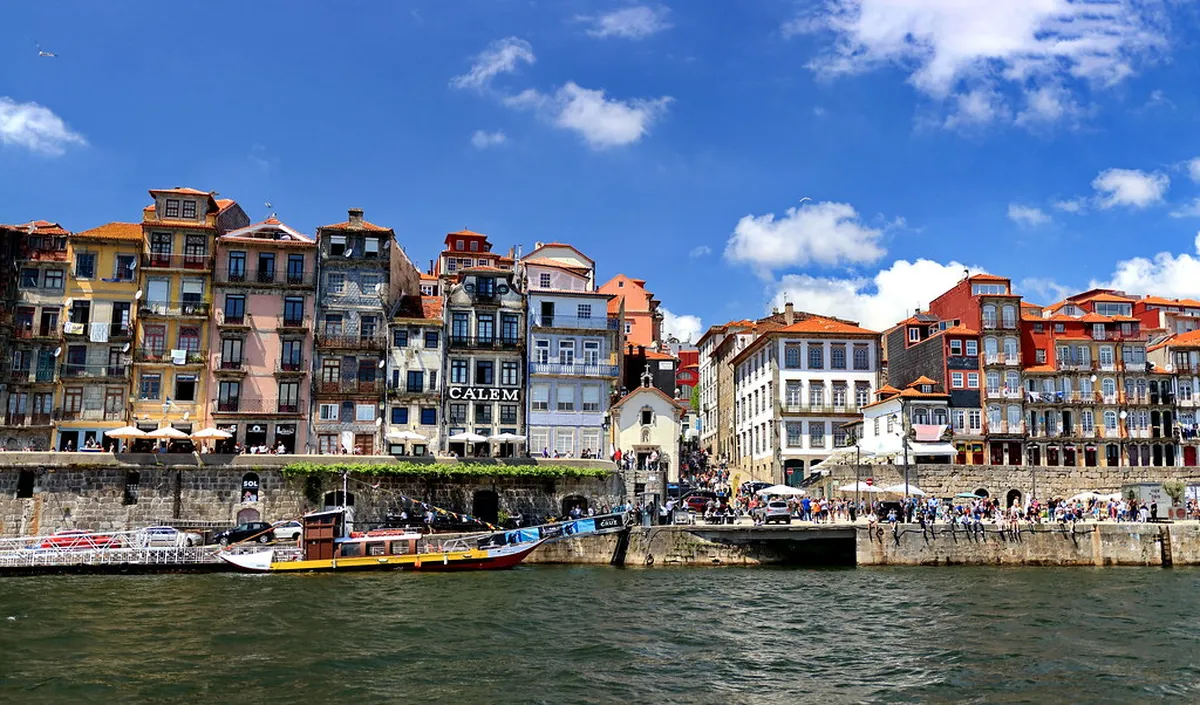
The Ribeira waterfront district is a UNESCO World Heritage Site and the atmospheric heart of the city. Walking along the medieval riverfront costs nothing and provides a constant stream of street performers, colorful boats, and locals watching the river from low stone walls. The Praça da Ribeira is the liveliest stretch and the best people-watching spot in Porto.
From Ribeira, the Dom Luís I Bridge is a five-minute walk east. The bridge has two levels — the lower deck connects Ribeira to the Gaia waterfront and is busy with pedestrians and cyclists, while the upper deck (used by the metro) sits 60 metres above the water and offers the most photographed view in Porto. Both levels are free for pedestrians and remain open around the clock.
Walk across the lower deck on your way to Gaia and return on the upper deck as the sun sets. The ascent to the upper deck on the Porto side takes about ten minutes on foot via the Escadas do Guindais or by taking the Funicular dos Guindais for €3.50 one way. Once on top, the views of stacked terracotta rooftops and the Douro winding toward the Atlantic are worth every step.
Enjoy the Riverfront Views from Vila Nova de Gaia
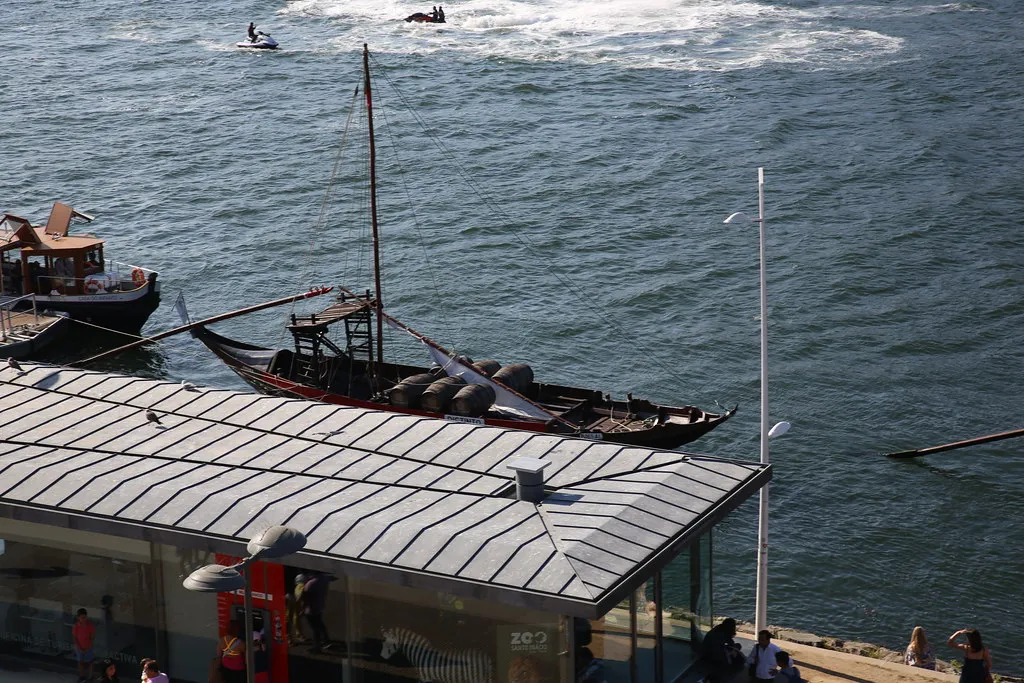
Crossing the bridge to the south bank puts you in Vila Nova de Gaia, which gives you the best unobstructed view of Porto's famous stacked houses and wine lodges. The public promenade along the waterfront is free to walk and runs for about two kilometres past port wine cellars, small cafes, and traditional wooden rabelo boats moored at the docks.
Jardim do Morro sits at the top of the upper bridge deck on the Gaia side and is the premier local spot for sunset watching. Entrance is free and the park is open around the clock, though it fills up fast in the hour before dusk. Bring a bottle of cheap local wine from a nearby supermarket and claim a patch of grass before the crowds arrive.
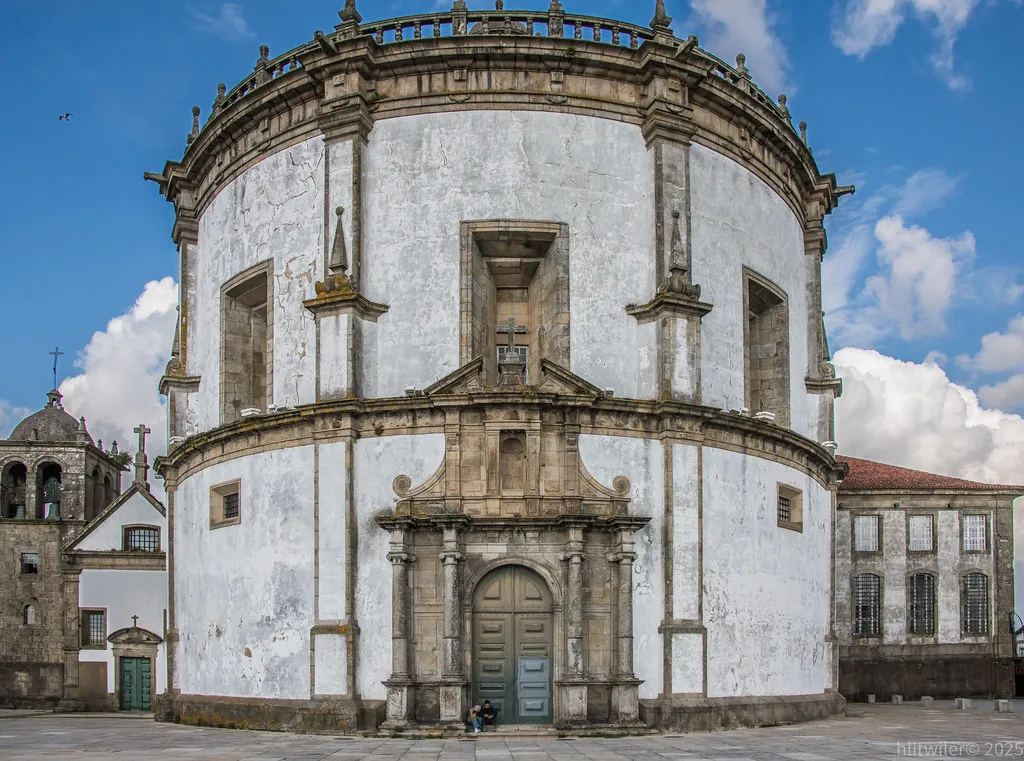
Further along the Gaia waterfront, the Miradouro da Serra do Pilar offers a higher vantage point beside a circular convent. The terrace is free to stand on and gives a wider panorama than the bridge itself. From here you can see all five bridges that cross the Douro within the city, each a different era of Portuguese engineering.
Enjoy a Budget-Friendly Port Wine Cellar Tour
You cannot leave Porto without trying port wine, and doing so does not have to be expensive. The wine lodges line the Gaia waterfront in their dozens, and a basic cellar tour with a tasting of two or three wines typically costs between €10 and €15 per person. Smaller lodges like Ramos Pinto and Quinta do Crasto offer more personal experiences for the same price as the large commercial operators.
Several lodges offer free tours and tastings — just walk along the Gaia riverfront promenade and look for boards advertising free entry. The catches are minor: you will likely be shown around in a group of twenty or more, and the free tasting usually covers just one or two wines rather than a full flight. For genuine budget travelers, it is still a worthwhile forty-five minutes.
If you want to avoid the Gaia crowds entirely, head instead to Sandeman or Graham's, which sit slightly above the main strip and charge around €15 for a guided visit with a panoramic terrace overlooking the city. Book ahead in high season (June through September) as midday slots fill up quickly. Our Porto port wine cellars guide has the full breakdown of prices and booking links.
Spend a Day by the Sea
Porto sits about six kilometres from the Atlantic coast, which means a free beach day is always within reach. The most popular stretch is Matosinhos beach, a broad sandy bay north of the river mouth that is well-served by metro line A (the pink line) from central Porto. A single ticket costs €1.20 to €2.00 depending on your zone. The beach itself is free, and lifeguards patrol from June through September.
For a more scenic approach, ride the historic Number 1 tram from Infante station along the river to the Foz do Douro neighborhood, where the Douro meets the Atlantic. The tram costs €3.50 one way, which is worth it for the vintage wooden carriages and riverside views. From Foz you can walk south along the Atlantic promenade all the way to Matosinhos in about forty minutes.
A genuinely underrated option is the Piscinas de Marés Leça, a set of Atlantic seawater swimming pools carved into the natural rock shelf at Leça da Palmeira, about ten minutes north of Matosinhos by bus or bike. Designed by architect Álvaro Siza Vieira in 1966, these pools are considered one of the finest examples of modernist architecture in Portugal — and in summer 2026 entry costs just €3 per adult. The pools fill with fresh Atlantic water at each high tide, and the low concrete walls frame the ocean view in a way that feels nothing like a conventional lido. Most visitors to Porto never make it here, which keeps the atmosphere calm even on hot weekends.
Drink Port Wine and Eat Francesinha
Eating a Francesinha is the single most important food experience in Porto and one of the cheapest ways to feel like a local. This towering sandwich of cured meats, steak, and sausage is drowned in a spiced tomato and beer sauce, then topped with a fried egg. Most local restaurants charge between €8 and €12 for one, and a single serving will keep you full for most of the day.
Avoid the riverfront places with large picture menus — these charge double for food that is lower quality than the backstreet taverns two blocks away. Restaurants like Café Santiago (Rua Passos Manuel, 226) and Lado B are consistently recommended by locals and charge reasonable prices without any tourist markup. Pair your Francesinha with a small glass of house port for around €2 extra.
For even cheaper eats, the recently renovated Mercado do Bolhão on Rua Formosa sells fresh produce, local cheeses, tinned fish, and traditional pastries at very low prices. A bag of groceries for a riverside picnic costs under €6. Grab a pastel de nata from any corner bakery for €1 to €1.50 — the ones dusted with cinnamon sugar are the authentic northern version. You can find more ideas in our Porto food tour guide.
Join a Free Walking Tour
Free walking tours are one of the best-value activities in any European city, and Porto has several good operators running them daily. Porto Walkers runs tip-based tours of the historic center that last two to three hours and cover São Bento, the Ribeira, Livraria Lello, and the cathedral area. You pay what you think the tour was worth at the end — typically €10 to €15 per person feels fair for a quality guide.
The tours depart from Praça da Liberdade at 10:00 and 15:00 daily. Groups are capped at around twenty people, so you still hear the guide clearly even on busy days. If you prefer a structured paid option, the Porto walking tour with Livraria Lello includes skip-the-queue entry to the famous bookshop and runs at around €25 per person. The bookshop alone charges €8 for entry now, so the combined ticket often works out cheaper than going separately.
Walking tours are especially useful on your first full day in Porto. A local guide will point you toward the cheap tascas and hidden miradouros that do not appear in most travel apps. Ask your guide at the end of the tour for a restaurant recommendation near your accommodation — this tactic almost never fails.
Free Gardens and Viewpoints
The Crystal Palace Gardens (Jardins do Palácio de Cristal) are free to enter and open daily from 08:00 to 21:00. The gardens spread across a hilltop in the Massarelos neighborhood and contain several miradouros with panoramic views of the Douro. Resident peacocks roam the paths year-round, and the grounds are large enough that they rarely feel crowded even on summer weekends. Take bus 201 or 207 from the city center.
Passeio das Virtudes is a terrace hidden behind the Palace of Justice in the Miragaia neighborhood that most tourists walk straight past. It is free, open 24 hours, and offers an elevated view of the Douro and the customs building below. Buy a beer from the small kiosk at the top for around €2 and stay until the light fades over the river. This is where young locals actually spend their evenings.
The Botanical Garden of Porto is another free escape that rewards a slow morning. Admission is free and the garden contains over 2,500 plant species spread across historic greenhouses and shaded pathways. It sits about fifteen minutes from the city center on foot and shares its grounds with a Natural History Museum (also free on the second Sunday of the month). Plan at least an hour to see both.
Best Budget Tours in Porto
If you want a more structured introduction to the city, a handful of tours offer genuine value for money. The free walking tour through Porto Walkers is the obvious starting point, and tips-based pricing means you control the cost. For paid tours, a half-day Douro Valley wine tour typically runs €35 to €50 per person and covers a region that is difficult to reach cheaply without a rental car.
The Porto Bridge Climb lets you walk across the top arch of the Dom Luís I Bridge on a guided safety harness tour. It costs €25 per adult and takes about an hour. This is one experience that competitors at the higher end of the city's activity market consistently sell out — book at least 48 hours ahead during summer. The views from the bridge arch are measurably higher than the pedestrian upper deck and genuinely different.
For a completely free tour option, organize your own self-guided walk using the suggested church route below. Igreja do Carmo has an azulejo-covered facade on Rua das Carmelitas and charges a small fee to enter, but the exterior is free to admire any time of day. Capela das Almas on Rua de Santa Catarina is free inside and out and covers over 15,000 tiles. Finish at the Porto Cathedral on the hilltop for the panoramic views from its free outer courtyard. You can see our full Porto attractions guide for more self-guided options.
Practical Budget Tips for Visiting Porto
The Porto Card is worth considering if you plan to visit several paid museums and use public transport frequently. A 24-hour card costs €15 and includes free metro and bus travel plus free or discounted entry to over fifteen museums and attractions. The 48-hour version at €20 and the 72-hour version at €25 make more sense for stays of two or three days. You can buy the card at the airport metro station on arrival.
- Order coffee by its Portuguese name: a galão (milky) costs €1.20 to €1.50, while an americano in an international-style cafe can run €3 or more.
- Eat lunch at a tasca (family-run tavern) and ask for the menu do dia — soup, main, and a drink for €10 to €12.
- Walk rather than taking the metro for most city-center trips. The historic center is compact and most major sights are within twenty minutes of each other on foot.
- Visit paid attractions on Sunday mornings before 14:00 to access free entry windows at national museums.
- Avoid restaurants on the immediate Ribeira waterfront strip — walk one block back from the river and prices drop by 30 to 50 percent.
- Porto charges a €3 per person per night tourist tax, paid in cash on arrival at most accommodations.
Hostels in the Baixa and Bonfim neighborhoods start from around €20 to €25 per night for a dorm bed. Budget guesthouses in the residential streets behind the cathedral often run €40 to €60 for a private room. Staying in Vila Nova de Gaia (across the river) offers the same proximity to the main sights at a slightly lower price point with excellent views thrown in for free.
Porto charges a €3 per person per night tourist tax, paid in cash on arrival at most accommodations. The Porto Card (from €15 for 24 hours) can offset this quickly if you plan to use public transport and visit multiple museums.
For official references, see Serralves Museum and Porto City Hall.
Frequently Asked Questions
Is Porto cheap for tourists to visit?
Porto is very affordable compared to other Western European cities. You can enjoy many free sights and find local meals for under ten Euros. Budget travelers can easily manage on forty to fifty Euros per day.
Is the metro in Porto free?
The metro is not free, but it is an affordable way to get around. A single trip usually costs between 1.20 and 2.00 Euros depending on the zones. Walking remains the best free way to see the city center.
What can you see for free in Porto?
You can see the São Bento Station, the Luís I Bridge, and the Crystal Palace Gardens for free. Many churches also offer free entry to their main chapels. The riverfront views in Ribeira and Gaia cost nothing to enjoy.
Porto remains one of the best value destinations in Europe if you know where to look. By focusing on free viewpoints, walking the historic streets, and eating at local tascas, you can have a world-class experience without carefully counting every Euro. The city's beauty is found in its atmosphere, which costs nothing to soak in during your stay.
Whether you are watching the sunset from Gaia, admiring tiles at a train station, or cooling off in the Leça seawater pools, Porto delivers on a budget in 2026. Plan a Sunday arrival to hit the free museum windows on your first morning, and build the rest of your days around the free walks and river views that no admission fee can replicate.
For related Porto deep-dives, see our Porto rainy day ideas and best Porto miradouros.
 12 Best Free Things to Do in Braga (2026)June 4, 2026