Lisbon Nightlife Guide: 10 Essential Tips & Areas
Master Lisbon nightlife with our 2026 guide. Discover the best Fado houses, Pink Street clubs, rooftop bars, and local tips on timing and safety.
On this page
Lisbon Nightlife Guide: 10 Essential Tips & Areas
Lisbon nightlife runs on a different clock from the rest of Europe. Bars stay quiet until midnight, clubs do not fill until 02:00, and the best nights end with sunrise over the Tagus. This 2026 guide walks through the four nightlife districts, the timing locals actually keep, what a drink will cost, and the late-night logistics for getting home. Use it to plan a single night that flows from sunset miradouro to dawn club without wasting hours in the wrong neighborhood.
Party like a Lisboeta: 3 Things You Need to Know
Nightlife starts late. Locals eat at 21:00 or 22:00, drift to a miradouro for sunset drinks, and only walk into bars after 23:00. Bairro Alto bars close at 02:00 to 03:00; clubs in Cais do Sodré and Alcântara run until 06:00 or 07:00. Arrive at a club before 01:30 and you will dance with the staff. Build in a power nap — most first-timers burn out by midnight and miss the actual scene.
The cobblestones, called calçada, will punish the wrong shoes. Polished limestone turns glass-slick after a single spilled beer, and every party district sits on a steep slope. Skip heels, leather soles, and flip-flops; choose rubber-soled flats, sneakers, or boots with grip.
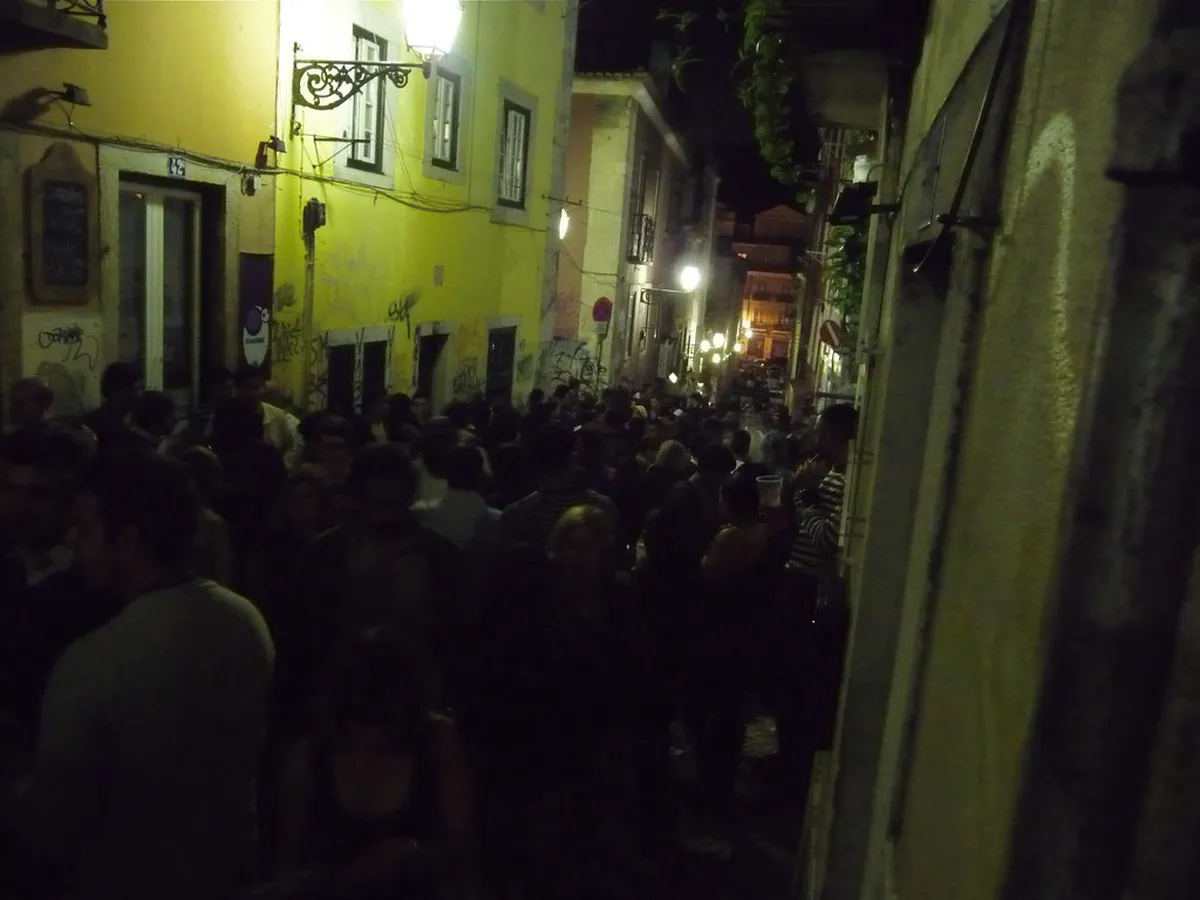
Drinking happens on the street. Bars sell beer in plastic cups so crowds spill into the alleys of Bairro Alto. Residents sleep above those bars, so police pass through after 02:00 to break up loud groups — keep voices down between venues. The walk-around format keeps the night cheap; most people spend €15 to €20 in Bairro Alto before moving downhill.
Most people spend €15 to €20 in Bairro Alto before moving downhill. Wear rubber-soled shoes — the polished limestone cobblestones become glass-slick after a spilled drink.
Pick an Area: 4 Neighborhoods for Your Perfect Night Out
Each district plays a different role. Bairro Alto and Cais do Sodré sit a five-minute walk apart and form the standard tourist circuit; Alfama is for fado; Alcântara is the late-night industrial alternative. If you book a bed in one of the best areas to stay in Lisbon, choose Chiado, Bairro Alto, or Cais do Sodré to avoid Bolt surcharges at 04:00.
| District | Music Type | Price Level | Bars Close | Clubs Close |
|---|---|---|---|---|
| Bairro Alto | Indie, social/dive bars | € Low (beer €2 to €3) | 02:00 | 04:00 |
| Cais do Sodré | House, techno, live | €€ Medium (beer €4 to €5) | 03:00 | 06:00 |
| Alcântara / LX Factory | Electronic, alternative | €€€ Higher | 04:00 | 07:00 |
| Alfama / Mouraria | Fado, acoustic, wine | €€ Medium (cover €15 to €25) | 00:00 | — |
Bairro Alto remains the iconic warm-up, with hundreds of small bars in a six-by-eight-block grid. Cais do Sodré, just down the hill, is the late-night clubbing core anchored by Pink Street. Alcântara, under the 25 de Abril Bridge, hosts the spacious industrial venues that stay open longest. Alfama is best treated as a separate, earlier evening — fado houses close around midnight and the vibe is incompatible with a club crawl.
Bairro Alto and Cais do Sodré: The Heart of the Action
Bairro Alto is the traditional starting point. Hundreds of tiny bars pack the historic grid along Rua da Atalaia, Rua do Diário de Notícias, and Rua da Rosa. Buy a beer for €2 to €3 in a plastic cup and move freely between venues with no cover. Standout spots: A Capela (cocktails in a former chapel), The Old Pharmacy (natural wines), and Pub Português (traditional drinks). Our Bairro Alto Lisbon guide maps the best alleys.
Cais do Sodré sits a five-minute downhill walk away and centers on Pink Street, officially Rua Nova do Carvalho. The energy shifts from bar-hopping to dancing around 01:00. Pensão Amor, a former 1970s brothel converted into a maze-like bar with mirrored ceilings, is the iconic stop. Drink prices run €5 to €8 for beer and €10 to €14 for cocktails — noticeably higher than uphill.
Two warnings: Bairro Alto bars are notorious for watering down cocktails after midnight, so test one drink before a round. And expect persistent street sellers offering "hashish" or "cocaine" along Pink Street — most are selling crushed bay leaves or flour. A firm "não, obrigado" and walking past is the only response that works.
Fado Houses for an Authentic Night in Alfama
Fado is Portugal's UNESCO-listed song tradition, performed solo by a singer (fadista) backed by a 12-string Portuguese guitar. Alfama below the castle and Mouraria, where fado was born in the 1820s, are the two main neighborhoods. A proper fado night runs dinner from 20:00 with the first set around 21:30; many houses run two sets, the second ending close to midnight. See our Lisbon fado music guide for booking links.
Reservations are mandatory in summer. Clube de Fado in Alfama runs nightly performances with a strict no-talking, no-photo rule during songs. Mesa de Frades, set in a former chapel covered in azulejo tiles, is the most atmospheric. Tasca do Chico in Bairro Alto offers free walk-in fado vadio (amateur fado) from 20:00 if you want to test the genre. Expect €25 to €60 per person at proper houses, often including dinner.
Mouraria offers the more authentic experience. Walk Rua dos Cavaleiros and Largo dos Trigueiros to find tiny taverns where neighborhood singers perform for tables of regulars. O Corrido and Maria da Mouraria are reliable picks. The crowd skews local, the food is half the price of Alfama, and the fadistas tend to be the genre's serious students rather than tourist-circuit performers.
Dance ’til Dawn: Where to Go to Keep the Night Going
Lisbon's clubs draw international house and techno DJs and stay open later than most European capitals. Doors open around 23:00 but the floor is empty until 01:30 to 02:00, when bar crowds migrate downhill. Buy tickets through Dice or Resident Advisor for €8 to €20; door cover runs €15 to €25 and may include a drink.
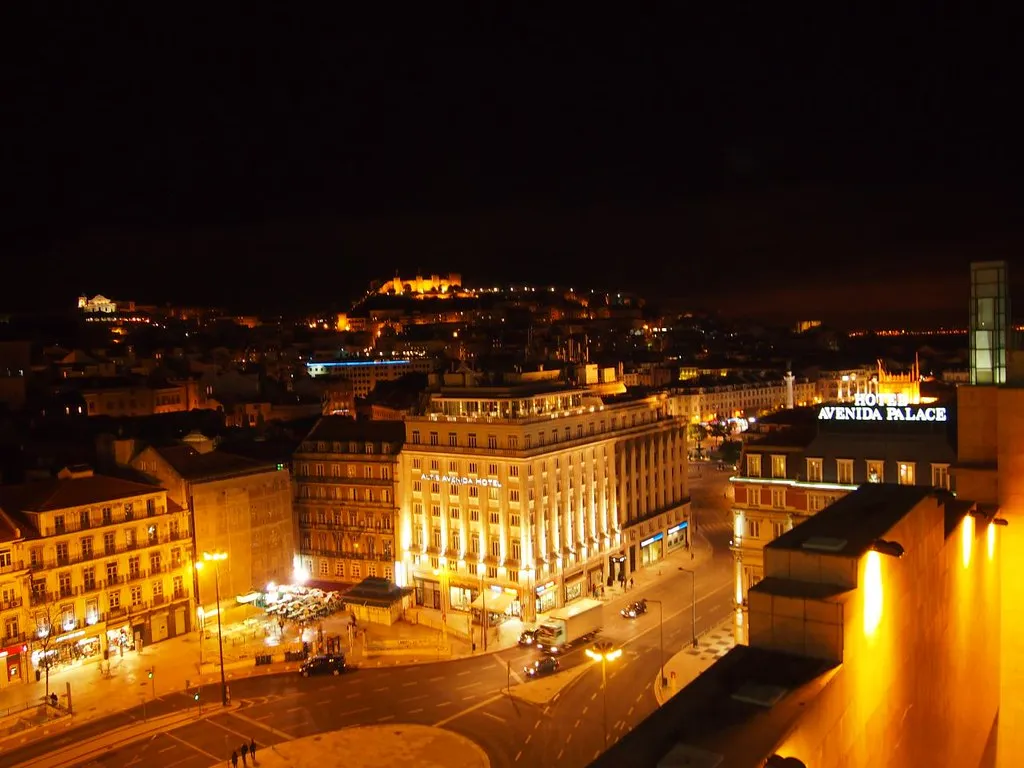
Lux Frágil, partly owned by John Malkovich, is the flagship — three floors near Santa Apolónia with a rooftop where the sunrise lands at 06:30 in summer. Door policy is strict but not snobbish; well-dressed solo travelers get in, large all-male groups should expect a wait. Saturday line-ups go up on the Lux Frágil Instagram one to two weeks ahead.
- Lux Frágil (Santa Apolónia): Electronic, house, techno; cover €15 to €20; Thursday to Sunday until 06:00 or later.
- Ministerium (Praça do Comércio): Techno and underground, hosts the monthly LGBT Spit & Polish night; cover €10 to €15; weekends only, often until 08:00.
- Music Box (Rua Nova do Carvalho 24): Eclectic — hip-hop, drum and bass, indie, live shows; cover €8 to €15; daily until 06:00.
- Incognito (Rua dos Poiais de São Bento 37): Indie, synthpop, post-punk; usually free or €5; Thursday to Saturday until 04:00.
Night Food Culture: Why We Eat at Midnight
Eating late is structural. Kitchens take orders until 23:00 in tourist zones and midnight in local areas; a 22:00 dinner is normal. Many of the best restaurants in Lisbon in Cais do Sodré, Príncipe Real, and Bairro Alto run a second seating from 22:00 for the pre-club crowd. Order a spread of petiscos — chorizo, octopus salad, fava beans — and pace yourself.
The 02:00 bakery run is the city's post-bar tradition. Pão com chouriço, a wood-oven roll stuffed with smoky chorizo, costs €1.50 to €2 from small windows in Bairro Alto and around the docks. A handful of bakeries in Estrela, Alcântara, and Anjos open at 02:00 to catch the bar crowd; follow the smell of baking bread on Rua de São Bento and you will find one.
For something more substantial, bifanas (thin pork sandwiches in mustard sauce, €2.50) and pregos (steak in a roll, €4) are the classic late-night meals. O Trevo at Largo do Camões serves bifanas until 02:00 and is the unofficial Bairro Alto refueling stop. For a more refined late dining experience, explore Michelin-star restaurants in nearby neighborhoods.
Rooftops and Sunset Views Across the City
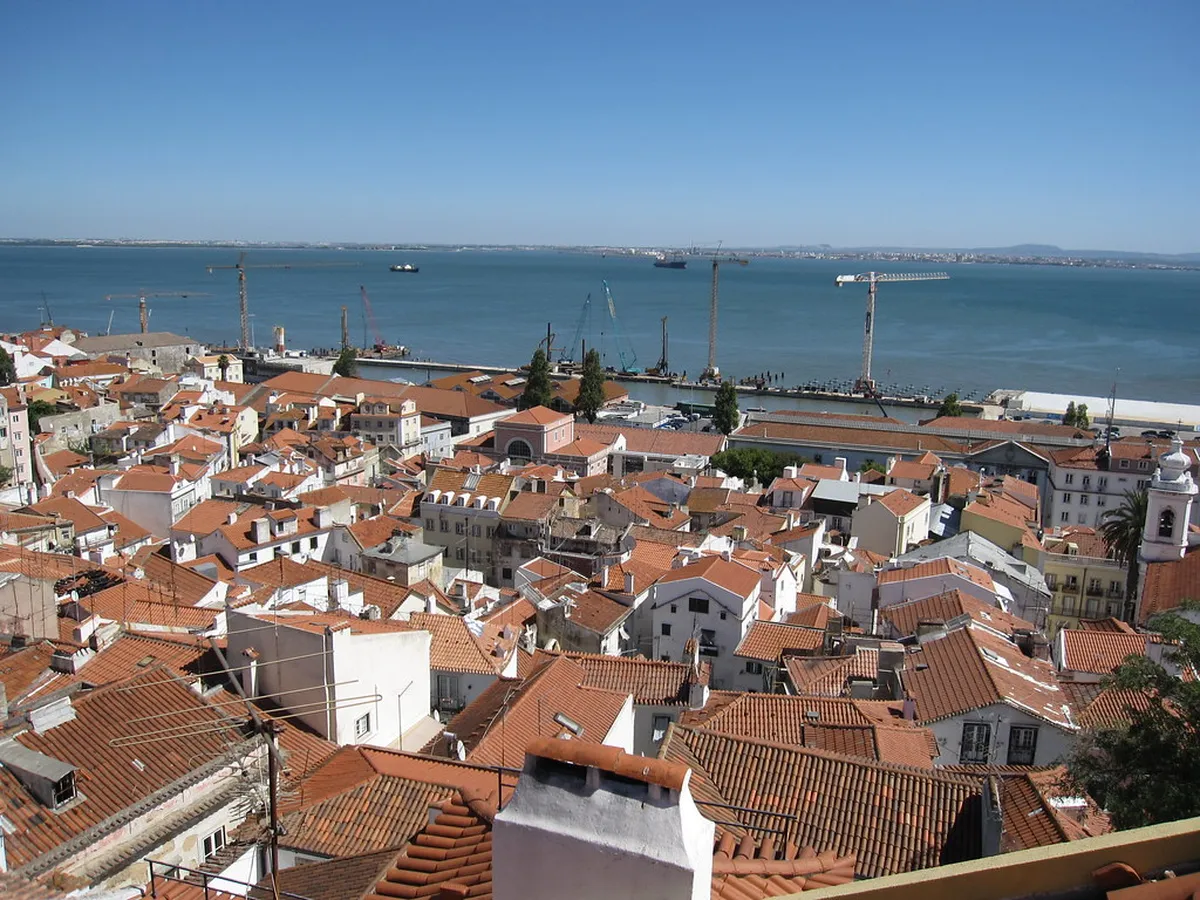
The night starts at a miradouro, not a bar. The local ritual is sunset over the Tagus before dinner. Miradouro de Santa Catarina, locally called Adamastor, is the most popular — bring a six-pack from Pingo Doce or Continente (beer €0.60 to €1 per can) and join the crowd on the wall. Our Lisbon viewpoints guide covers the full set with timing.
The Adamastor BYOB ritual is the cheapest pre-game in the city. A supermarket six-pack and crisps cost €5 and replace a €25 rooftop-bar tab; nobody minds as long as you take the rubbish with you. Miradouro de São Pedro de Alcântara in Bairro Alto and Miradouro da Graça are the next-best alternatives. Sunset times in 2026 range from 17:30 in winter to 21:00 mid-summer.
For an upscale alternative, Park Bar on top of a Bairro Alto multi-storey is the cult favorite, with a garden setting and DJs from 19:00 (cocktails €10 to €13). Sky Bar at Tivoli Avenida Liberdade is the five-star option with rooftop bar views (cocktails €15 to €18). Topo Chiado, beneath the ruined Carmo Convent, has the best Castelo São Jorge view at sunset. Arrive 30 to 60 minutes early on summer weekends or you will not get a railing seat.
Trendy Cocktail Bars and Speakeasies
Red Frog, on Rua do Salitre 5A, is a 1920s prohibition-themed speakeasy that has spent the last five years on the World's 50 Best Bars list — ring the doorbell, pass the lobby, and the menu runs to 80-plus drinks built around Portuguese spirits. Reservations essential after 22:00. Cinco Lounge in Príncipe Real and Foxtrot, a 1978 Art Deco basement in São Bento, are the other heavyweights; budget €12 to €15 per drink at all three.
Industrial Alcântara, anchored by LX Factory, is the alternative scene most thinner guides skip. The converted 19th-century textile complex sits under the 25 de Abril Bridge and packs tattoo studios, bookshops, restaurants, and bars into a single courtyard. Rio Maravilha, the rooftop, has skyline views and weekend DJs. The crowd skews younger and design-school, with music tilting indie and electronica rather than the commercial house of Pink Street. After Lux Frágil closes, this is where the after-hours crowd rolls.
For something quieter, Pavilhão Chinês on Rua Dom Pedro V is unmissable — a former tea shop with five themed rooms crammed with antique toys, military medals, and porcelain, plus a 200-cocktail menu. Ginjinha bars sell sour-cherry liqueur in chocolate cups for €1.50; A Ginjinha at Largo de São Domingos is the original, dating to 1840 and the most concentrated five-minute drinking experience in the city.
Is Lisbon’s Nightlife Expensive? (Budget & Safety)
Lisbon is still cheaper than Madrid, Barcelona, Paris, or London but no longer the bargain it was pre-2019. A small beer (imperial, 200ml) costs €2 to €3 in Bairro Alto, €4 to €5 on Pink Street, and €6 to €8 on a hotel rooftop. Cocktails run €8 to €15. A full Bairro Alto night comes to €40 to €50 per person; a Lux Frágil night closer to €80. Carry €60 to €100 in cash — some smaller Bairro Alto bars are cash-only.
A sample Friday timeline: 19:00 supermarket beer at Miradouro de Santa Catarina; 20:30 dinner of petiscos in Cais do Sodré; 22:30 first cocktail at Red Frog or Pensão Amor; 00:30 walk uphill to Bairro Alto; 02:00 bifana stop and walk to Lux Frágil; 03:00 club; 06:30 sunrise on the rooftop. Skip steps and you will be out of sync — bars are dead at 22:00, clubs at 01:00.
Lisbon ranks among the safest European capitals at night, but pickpockets work Largo do Camões and Pink Street, and the fake-drug sellers in Baixa, Largo do Carmo, and Bairro Alto are a persistent nuisance. The genuine risk for solo women is harassment around 03:00 in Cais do Sodré; stick with a group or use Bolt for the ride home.
Bairro Alto bars are notorious for watering down cocktails after midnight. Street sellers near Pink Street and Largo do Carmo frequently offer fake drugs — a firm "não, obrigado" and walking away is the only effective response.
Getting Home and the Cross-River Detour Most Tourists Miss
The metro stops at 01:00 and restarts at 06:30 — that is a five-hour gap. Bolt is cheaper than Uber in 2026 (Bairro Alto to Alfama €4 to €6, doubling to €8 to €12 with surge after 03:00). FreeNow dispatches the regulated black-and-green taxis at metered rates, useful when both apps are surging. The night-bus network Rede da Madrugada runs from 00:30 to 05:30 with key lines 201, 207, 208, and 210; bus 207 is the workhorse, looping Cais do Sodré, Bairro Alto, Marquês de Pombal, Saldanha, and the airport every 20 to 30 minutes for €1.85 with a Viva Viagem card. Our Lisbon transport guide has the full night-bus map.
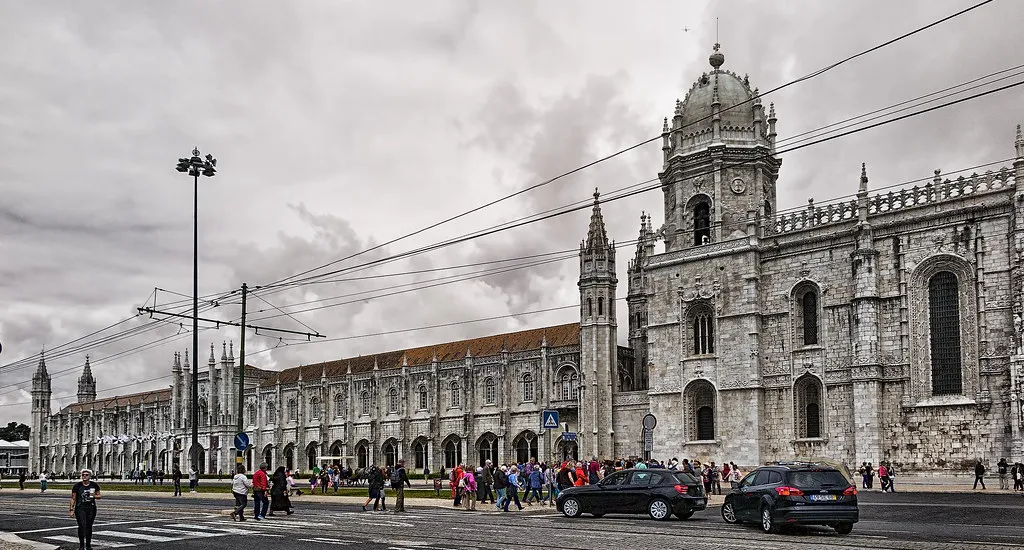
One move almost no nightlife guide describes: take the cross-river ferry to Cacilhas. The Transtejo ferry from Cais do Sodré terminal to Cacilhas runs every 10 to 15 minutes until 01:30, costs €1.40 each way, and crosses the Tagus in eight minutes. Cacilhas, on the south bank, is a working-class fishing town where seafood restaurants like Atira-te ao Rio and Ponto Final serve grilled bass and Vinho Verde until 23:30 with a direct view of central Lisbon and the 25 de Abril Bridge. Locals do this in reverse — sunset dinner in Cacilhas, ferry back to Cais do Sodré at 23:30, straight into Pink Street. It converts a normal Lisbon evening into something the tourist circuit never produces.
Frequently Asked Questions About Lisbon at Night
Planning a night out in a new city raises practical questions about timing, dress, cost, and getting home. The section below covers the questions visitors ask most often before a first Lisbon night out.
Frequently Asked Questions
What time does nightlife start in Lisbon?
Nightlife starts very late in Lisbon compared to other cities. Most bars only begin to fill up after midnight, while clubs do not get busy until 2 AM or 3 AM. If you arrive earlier, you will likely find many venues quite empty. For more daytime ideas, check out things to do in Lisbon.
Is there a dress code for Lisbon clubs?
Most bars in Bairro Alto are very casual and accept almost any attire. However, high-end clubs like Lux Frágil or Ministerium may require a more polished look. Avoid wearing flip-flops or sports gear if you plan to visit the larger dance venues along the riverfront.
Is Lisbon safe at night for tourists?
Lisbon is generally very safe for tourists at all hours of the night. You should stick to well-lit areas and avoid walking alone in deserted alleys late at night. Be cautious of street sellers offering fake drugs in the main tourist squares, as they are a common nuisance.
How much does a drink cost in Lisbon?
A small domestic beer usually costs around 2 to 3 euros in casual bars. Cocktails in more upscale venues typically range from 10 to 15 euros. Many clubs have a cover charge that often includes one or two drinks as part of the entry price.
Lisbon nightlife rewards visitors who match its rhythm: late dinners, sunset miradouro drinks, bars after midnight, clubs after 02:00, bakery at sunrise. Skip steps and the night never ignites. Wear shoes that grip cobblestones, carry small notes for plastic-cup beers, take the ferry to Cacilhas at least once, and use bus 207 or Bolt for the ride home. After a long night, a relaxing Lisbon to Sintra day trip is the standard recovery move. Pair this guide with our Free Things to Do in Lisbon and Nazaré From Lisbon for a fuller Lisbon picture.
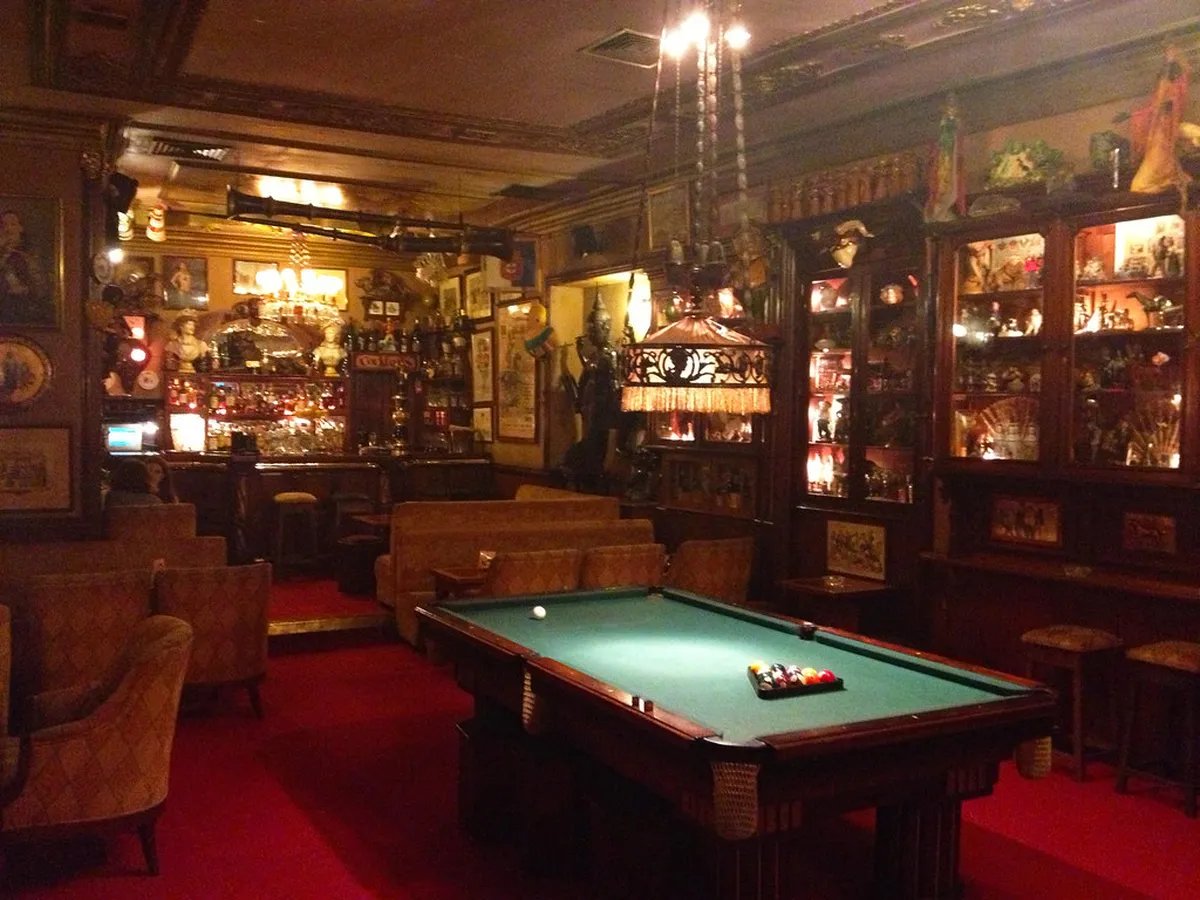 12 Best Cocktail Bars in Lisbon (2026)May 29, 2026