Porto First-timer Guide: 10 Essential Planning Tips
Master your first trip to Porto with our guide to the 6 best neighborhoods, local lunch secrets, transport hacks, and a perfect 3-day itinerary.
On this page
Porto First-timer Guide: 10 Essential Planning Tips
Porto is a city of steep hills, azulejo-covered churches, and some of the best-value food and wine in Western Europe. It rewards preparation. The cobblestones will punish the wrong shoes; the dinner schedules will defeat anyone who arrives hungry at 18:00; and the major attractions will turn away visitors who show up without a timed ticket.
This guide covers everything a first-timer needs to know in 2026 — from the airport metro to the best neighborhood for your budget, and from the Prato do Dia lunch culture to the one festival that will either delight or overwhelm you depending on whether you saw it coming.
Porto Planning Cheatsheet: The Quick Summary
Currency is Euro (€). The language is Portuguese but English is widely spoken in the tourist districts. Porto sits in the Western European Time zone (UTC+0, UTC+1 in summer). Tipping is optional — rounding up or leaving 5–10% at sit-down restaurants is appreciated but not expected.
The city is compact. Most first-timers can walk between the Ribeira, Baixa, and the Luis I Bridge without needing public transport. For hilly neighborhoods and the coastal district of Foz do Douro, the metro and bus network covers everything efficiently. Check this Porto 3-day itinerary to map your daily priorities before you arrive.
Always carry some cash. Small bakeries, the traditional tasca restaurants that serve the best Prato do Dia lunches, and market stalls often operate cash-only. ATMs are plentiful in the center. A daily budget of €60–€90 covers accommodation in a mid-range guesthouse, two proper meals, entry to one paid attraction, and public transport.
Best Time to Visit Porto: Weather and Events
May through early October is the sweet spot. Temperatures sit between 18°C and 26°C, rainfall is rare, and the evenings stay light well past 21:00 in June and July. Crowds build from mid-July to late August — prices rise, Lello Bookstore queues lengthen, and Ribeira restaurants fill fast. If you want the warmth without the peak crush, aim for May, early June, or September.
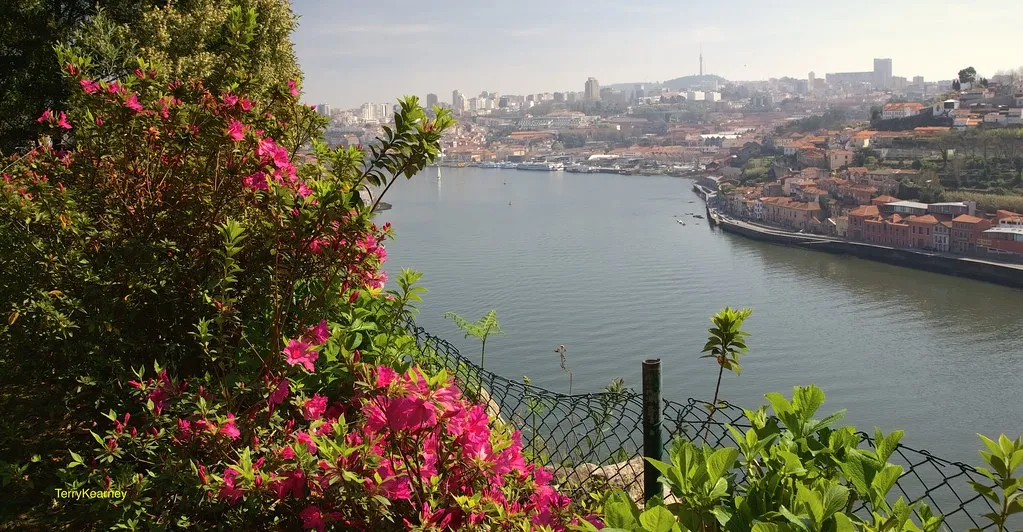
November through February brings Porto's moody season: frequent Atlantic rain, grey skies over the Douro, and streets that feel genuinely local again. Hotels drop significantly in price. The city stays warmer than most of northern Europe — daytime temperatures rarely fall below 10°C — but the wet cobblestones become genuinely treacherous, especially on the downhill paths into Ribeira. Pack waterproof shoes.
Three events are worth timing your trip around. Primavera Sound lands in late May/early June at Parque da Cidade — one of Europe's best indie music festivals, with multi-day lineups and an outdoor setting at the edge of the Atlantic. Festa de São João (June 23–24) is Porto's biggest night of the year and is covered in detail below. The Douro Wine Harvest runs through September, making it an ideal time to pair a Porto stay with a day trip into the valley. Consult our guide on the best time to visit Porto for a full month-by-month breakdown.
Festa de São João: What First-Timers Need to Know
No competitor guide covers this adequately, yet it is the single biggest variable for anyone visiting Porto in late June. The night of June 23rd into June 24th transforms the entire city. Streets in Bonfim, Cedofeita, Miragaia, and Massarelos are closed to traffic from around 20:00 and do not reopen until the early hours. The center becomes one giant street party stretching from the riverfront to the hilltop neighborhoods, with free sardines grilling on every corner and fireworks launched from the Dom Luís I Bridge at midnight.
The tradition that surprises first-timers most: locals hit each other (and strangers) with plastic hammers and bunches of leeks. This is friendly and expected. You can buy a hammer from any street vendor for €1–€2. Participating is encouraged. Refusing to engage reads as unfriendly. If you genuinely do not want to participate, avoid the main street party zones and watch from a café terrace or a miradouro (viewpoint).
Practical notes for 2026: book accommodation for June 23rd at least 8–10 weeks in advance — prices triple and mid-range options sell out months ahead. Taxis and Uber surge heavily after midnight. The metro runs extended hours through the night, but trains fill to capacity. Wear clothes you don't mind getting sweaty and smoky from the sardine grills. Leave expensive cameras at the hotel. It is an extraordinary night, but you need to go in with accurate expectations, not the sanitized version most guides give you.
Accommodation on June 23rd sells out months in advance and prices can triple during Festa de São João. If your trip overlaps with this date, book at least 8–10 weeks ahead or expect very limited options.
Getting to Porto and Navigating the City Center
Francisco Sá Carneiro Airport sits 11 kilometers north of the city. Metro Line E (purple) connects the airport directly to Trindade station in the city center. The journey takes about 30 minutes. Buy a Z4 ticket (€2.25) plus a one-time Andante card fee of €0.60. Trains run from approximately 06:00 to 01:00. For groups of three or more, an Uber or Bolt typically costs €10–€15 and is faster outside of rush hours. See the Porto airport transfer guide for step-by-step instructions on both options.
Private transfers cost around €30 for up to four passengers and make sense if you arrive late at night, have large luggage, or are traveling with young children or mobility limitations. Taxis are more expensive than ride-share apps and drivers do not always speak English. Book a private transfer in advance for a fixed price rather than hailing a cab.
The Andante card is the rechargeable smartcard that works across metro, bus, and some regional trains. Load it at the airport or any metro station. Most journeys within the city center fall in Zone Z2. If you plan day trips to Matosinhos or the beach at Foz, you will need Zone Z3 credits. A 24-hour Andante Tour pass costs €7 and is worth it if you plan four or more journeys in a day.
Where to Stay: 6 Best Neighborhoods for First-Timers
Choosing the right neighborhood matters more in Porto than in many cities because the terrain is uneven. Staying close to the Ribeira puts you near the most photographed scenery but means a steep uphill walk home every night. Staying in Baixa puts you on flat ground with metro access but slightly further from the riverfront atmosphere. Think about your mobility, budget, and whether you plan to go out at night before choosing.
Ribeira is Porto's postcard district — colorful houses stacked above the river, wine bars with views of the Dom Luís I Bridge, and the sound of fado drifting out of restaurant doorways after dark. It is the most atmospheric choice for first-timers but also the most expensive and the noisiest at night. Baixa (Lower Downtown) is central, flat, and well-connected by metro. It suits travelers who want convenience over charm and is the best base for anyone doing multiple day trips. Cedofeita runs west of the center and attracts independent boutiques, wine bars, and a younger local crowd. It is a 15-minute walk from the main landmarks — far enough to feel real, close enough to be convenient.
Vila Nova de Gaia on the south bank offers the best views of Porto's skyline, direct access to the Port wine cellars, and lower average hotel prices than the Porto side. The metro (Line D) and the bridge link you back to the center in minutes. Bonfim to the east of Baixa is a residential neighborhood with independent cafés and genuinely affordable guesthouses — the best area for budget travelers who want a local feel. Foz do Douro at the Atlantic coast is upscale and quieter, with ocean-facing restaurants and the lighthouse walk. It suits travelers who want space and a beach-town feel alongside their city break but requires a tram or Uber to reach the historic center. Explore our where to stay in Porto guide for specific hotel picks across all six neighborhoods.
Must-See Porto Attractions and Landmarks
São Bento Station is free to enter and should be the first stop for any first-timer. The entrance hall is lined with over 20,000 blue-and-white azulejo tiles depicting scenes from Portuguese history. It is genuinely one of the most beautiful train station interiors in Europe, and unlike Lello Bookstore, it costs nothing and requires no ticket. Livraria Lello — the Harry Potter-connected bookstore — charges €10 admission (redeemable against a book purchase in 2026). The golden voucher at €15.95 includes a collectible book from their classic edition collection and bypasses the standard queue almost entirely. Book it online two weeks ahead.
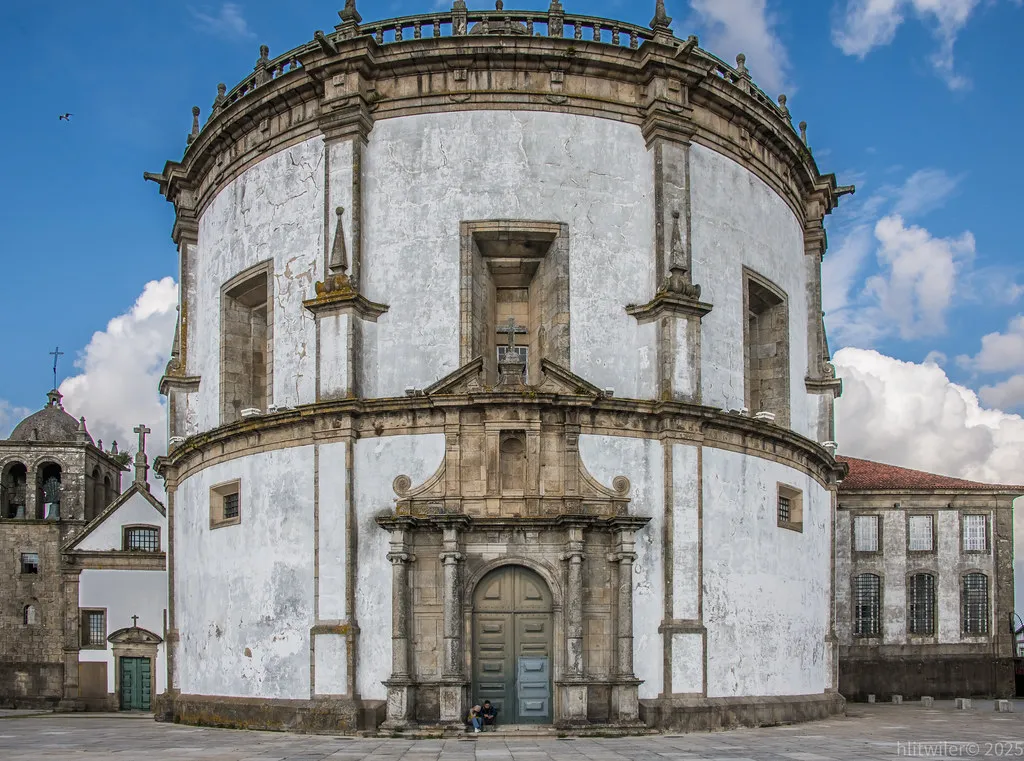
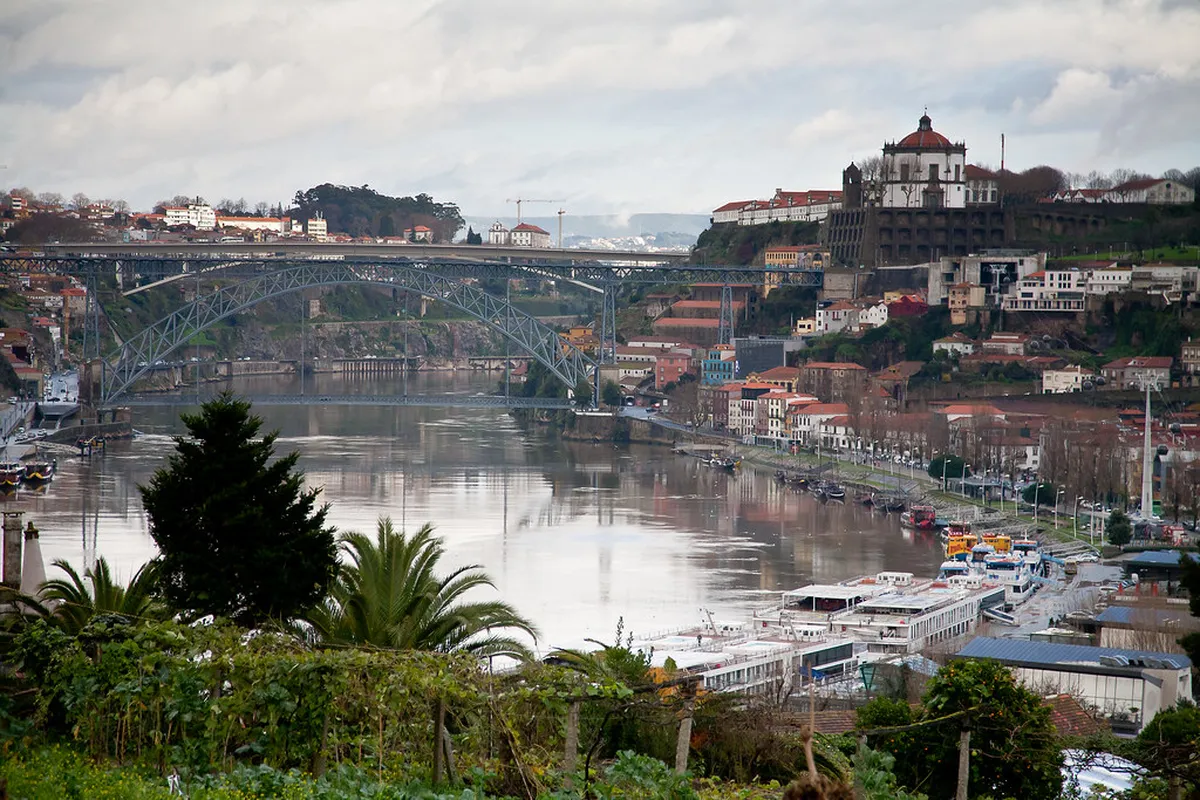
The Dom Luís I Bridge has two walkable levels. Walk across the upper deck (shared with Metro Line D) for the skyline view, then return along the lower deck at river level. The round trip takes about 30 minutes. On the Gaia side, the Port wine cellars of Graham's, Cockburn's, and Calem offer 45–60 minute tours with tastings starting around €15–€20 per person. Book at least a week ahead in summer. Clérigos Tower requires a timed entry ticket (€8, buy 3–5 days ahead) and gives a 360° panoramic view over the rooftops. Early morning or the hour before sunset produces the best light.
The Serralves Museum of Contemporary Art sits in a large park in the western residential area. The building is architecturally significant on its own. Budget 2–3 hours and book a day or two in advance. The WOW Museum Complex in Vila Nova de Gaia is newer, with multiple themed museums (cork, chocolate, wine, photography) under one roof. A combined pass lets you choose which to enter. Check out the full list of Porto attractions for opening hours and current ticket prices across all major sites.
One attraction first-timers often skip: Jardim do Morro in Gaia at sunset. This is the grassy hillside park directly above the south end of the bridge where locals and visitors gather to watch the sun set over the Douro. At the moment the sun disappears, the crowd claps spontaneously. It is not staged. If you want that experience without the crowd, three quieter alternatives work well: Miradouro da Vitória (a small terrace behind a church in Baixa), Jardim das Virtudes (a tiered garden popular with students in the evening), and the Farol de Felgueiras lighthouse at Foz, which faces the open Atlantic rather than the river.
Porto Food Guide: Best Lunch Menus and Local Eats
The smartest meal strategy in Porto is the Prato do Dia (Plate of the Day). On weekdays, dozens of traditional tasca restaurants and even some upscale spots offer a three-course lunch — soup, main, dessert or coffee — for €10–€15. This is how the locals eat. The portions are substantial, the wine is often included, and the quality is consistently better than the tourist-facing menus on the Ribeira waterfront. Look for handwritten chalkboard signs outside restaurants in Bonfim, Cedofeita, or the streets behind Batalha. The Fork app (free) lets you search for restaurants with lunch menus and offers 30–50% discounts at participating places — worth downloading before you arrive.
Francesinha is Porto's defining dish: a toasted sandwich stuffed with ham, linguiça sausage, and steak, covered in melted cheese and a spiced tomato-beer sauce, usually served with chips. Every Porto resident has a favorite place. Café Santiago is the most mentioned by tourists; Camada in Boavista is the local preference for the sauce. It is a heavy meal — most people can only manage it once per trip. Order it at lunch rather than dinner. Bacalhau (salted cod) appears in over 365 traditional preparations; the most accessible for first-timers is Bacalhau à Brás, shredded cod scrambled with egg and potato straws.
Cervejaria Gazela in Batalha serves the cachorrinho — a short spiced sausage in a toasted roll — made famous by Anthony Bourdain. It costs around €2 and is best eaten standing at the counter. For pastry, a Pastel de Nata (custard tart) at a local café costs €1.20–€1.80. The Porto version is less famous than Lisbon's Pastéis de Belém but every bit as good. Bolo de Arroz (rice cake muffin) is the classic café accompaniment to a morning coffee. Avoid the tourist pastry shops directly on the main pedestrian streets — prices are 40–60% higher for the same product. Our Porto food tour guide covers the best streets by neighborhood.
The Prato do Dia (Plate of the Day) at a traditional tasca costs €10–€15 and typically includes soup, a main course, and dessert or coffee — often with wine included. Look for handwritten chalkboard signs in Bonfim or Cedofeita for the best value.
Getting Around Porto: Transport Options and Trade-offs
Walking covers most of what first-timers want to see. The Ribeira, São Bento, Clérigos, and Lello Bookstore are all within a 15-minute walk of each other on relatively flat or gently sloping ground. The challenge is the return journey uphill from the riverfront, which is steep regardless of which route you take. Budget an extra 10–15 minutes and comfortable shoes.
The metro (four lines) is the most efficient way to travel between neighborhoods or reach Gaia (Line D to Jardim do Morro). Single Z2 tickets cost €1.65 with the Andante card loaded. Buses cover the extensive network beyond the metro lines. Tram 1 is worth taking once for the experience — it runs from the riverfront at Infante to Foz do Douro along the river. The ride takes about 35–40 minutes and is more scenic than fast. It is a tourist experience, not a practical commute, and tickets (around €3.50) are sold separately from the Andante system. Consult the Porto public transport guide for the full Andante zone map and bus route breakdowns.
The Funicular dos Guindais runs between the riverfront at Ribeira and the upper city near Batalha square. A one-way trip costs €4 and takes 3 minutes. It is not on the Andante system. For travelers with strollers, mobility limitations, or anyone whose knees object to the steep staircase climb — the funicular is essential, not optional. The alternative uphill routes involve uneven cobblestones and a gradient that surprised even fit visitors. Uber and Bolt operate freely throughout Porto and are cheaper than taxis for short trips.
Practical Tips: Safety, Budget, and Mobility
Porto consistently ranks among the safest cities in Europe for solo travelers. Petty theft (pickpocketing on the tram, bag snatching at outdoor café tables) occurs but is uncommon compared to Lisbon's tourist zones. Standard urban awareness applies: keep your phone in a pocket rather than on the table, use a crossbody bag on crowded streets, and be alert on Tram 1 and in Ribeira after midnight. Solo women travelers report Porto as notably comfortable, with well-lit streets and an active café culture that keeps public spaces animated until late. The Baixa and Cedofeita neighborhoods are particularly relaxed for solo dining.
Porto has a mobility challenge that no tourist map fully conveys: the hills and cobblestones are steep and uneven throughout the historic center. Travelers with strollers face real difficulty on the main routes from Ribeira upward. The practical solution: use the Funicular dos Guindais (€4 one-way) for the main ascent, take Metro Line D over the bridge to Gaia rather than crossing on foot with a stroller, and avoid scheduling the Ribeira waterfront for the hottest part of the afternoon when the climb back up is most punishing. Travelers using wheelchairs should note that Ribeira is largely inaccessible — the riverfront promenade is manageable but the streets behind it are not. Baixa and Foz do Douro are significantly more accessible.
A few things NOT to do in Porto: do not wear heels or smooth-soled shoes on the cobblestones — they are slippery in dry weather and dangerous in wet. Do not expect dinner service before 19:30 at authentic restaurants (many kitchens do not open until 20:00). Do not eat at the first restaurant you see on the Ribeira waterfront — walk one block back for better value. Do not skip Vila Nova de Gaia assuming it is just a wine tour add-on; the views of Porto from the Gaia hillside are the best in the city. Do not wait to book Lello Bookstore tickets until the day you arrive.
Suggested 3-Day Porto Itinerary for First-Timers
Day 1: Historic Center and the River. Start the morning at São Bento Station before the crowds arrive (aim for 09:00). Walk uphill to Clérigos Tower for your timed entry slot, then down through the Livraria Lello area. Lunch at a Prato do Dia restaurant in Baixa (budget €12–€15). Afternoon: walk the Ribeira waterfront, cross the Dom Luís I Bridge at the lower level to Gaia, and choose a Port wine cellar for a late afternoon tasting (Graham's or Cockburn's, book ahead). Return across the upper bridge deck for the sunset. Evening: dinner in a Gaia restaurant with river views — generally better value than Porto-side equivalents.
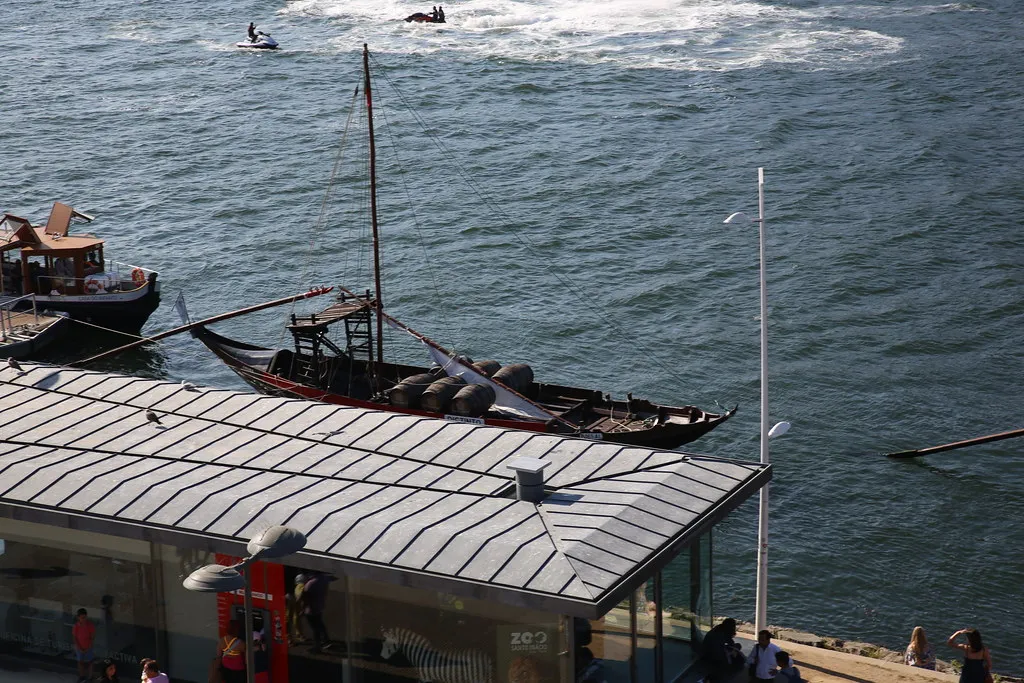
Day 2: Bonfim, Market, and a River Cruise. Morning in Bonfim — the Mercado do Bolhão reopened after full renovation in 2022 and is worth an hour of browsing, particularly the ground floor food stalls. Walk from the market through the Batalha square area and try a cachorrinho at Cervejaria Gazela. Book a 6-bridges Douro river cruise for the early afternoon (the shared boat tour runs around €15–€20; a private speedboat costs €80–€150 for 6–8 people and gives a significantly more personal experience on the water). Late afternoon: Jardim do Morro in Gaia for the sunset and the spontaneous applause ritual. Evening: Francesinha dinner at Café Santiago or Camada.
Day 3: Art, Coast, and a Day Trip Taste. Morning at the Serralves Museum and its surrounding park (allow 2–3 hours, pre-book tickets). Take Tram 1 from Massarelos toward Foz — ride it to the end and walk to the Farolim de Felgueiras lighthouse. Lunch at one of the seafood restaurants in Foz. The afternoon is flexible: either extend the coastal walk toward Matosinhos (known for some of the best grilled fish restaurants in northern Portugal), or take the metro back into the center for any missed landmarks. If you want a day trip instead, Braga (40 minutes by regional train) is the most practical half-day option from Porto — the Bom Jesus sanctuary staircase is worth it alone. See our guide to Porto attractions for full opening hours on each site above.
For official references, see Visit Porto and Metro do Porto.
Frequently Asked Questions
Is Porto a safe city for solo travelers?
Yes, Porto is consistently ranked as one of the safest cities in Europe for solo explorers. You should maintain normal precautions in crowded areas like the Ribeira. Most locals are helpful and the city is very walkable at night. Check our things to do in Porto for safe solo activities.
How many days do you need for a first trip to Porto?
Three days is the ideal duration to see the main highlights without feeling rushed. This allows time for the historic center, wine cellars, and a quick trip to the coast. You can even fit in a half-day river cruise during this timeframe.
Is Porto expensive for tourists?
Porto offers excellent value compared to other major European capitals. You can find affordable meals and reasonably priced public transport throughout the city. Budget travelers can easily enjoy the city by utilizing the Prato do Dia lunch specials and free viewpoints.
Do I need to book the Lello Bookstore in advance?
Yes, booking your ticket online at least two weeks in advance is highly recommended for 2026. The bookstore is one of Porto's most popular sites and often sells out daily. Having a pre-booked voucher significantly reduces your waiting time in the physical queue.
Porto offers a magical blend of ancient history and modern energy that delights every first-time visitor.
Planning your logistics and booking major attractions early ensures a stress-free experience in this hilly city.
Embrace the local pace of life by enjoying a slow lunch and watching the sunset over the Douro.
Your first trip to Porto will likely be the start of a long-term love affair with northern Portugal.
Combine this with our main Porto attractions guide for a fuller itinerary.
For related Porto deep-dives, see our Porto 3-day itinerary and Porto airport transfer guide.