
Porto 3-Day Itinerary: A Local's Guide to the Perfect Trip
Plan the perfect Porto 3-day itinerary with local tips on where to stay, authentic Port wine tastings, hidden viewpoints, and the best Douro Valley day trips.
On this page
Porto 3-Day Itinerary: The Ultimate 72-Hour Guide
Porto is a city that captures your heart with its crumbling facades and golden sunsets over the Douro. This itinerary was built after multiple visits, including a spring 2026 trip to confirm prices and opening hours. It covers every major highlight while leaving enough room to wander without a schedule. Follow this 72-hour plan and you will leave Porto already planning your return.
I once stood in a 40-minute queue at Livraria Lello because I had not booked ahead. That mistake costs real time in a city this compact. This guide fixes every planning error before you arrive. Check out the Porto first-timer guide for more essential arrival tips, and pair this itinerary with our broader Porto attractions guide for the full city overview.
Porto Trip Planning & Logistics
Porto's Francisco Sá Carneiro Airport (OPO) sits 11 km north of the city center. Metro Line E (purple) runs directly from the airport to Trindade station in about 25 minutes for €2.15 per single trip (plus a one-time €0.60 Andante card fee in 2026). Taxis and Uber take roughly the same time but cost €20–30. If you are arriving from Lisbon, the Alfa Pendular high-speed train covers the 315 km in under three hours; tickets start at €20 booked in advance via CP (comboios.pt).
Within Porto, you do not need a car. The historic center is walkable, though the hills are steep. The metro covers Matosinhos and the airport. Vintage trams (lines 1, 18, 22) are charming but slow — good for a one-way scenic ride, not a commute. For three days, consider the Porto Card: 72 hours costs €20 and includes unlimited metro rides plus free or discounted entry to over 100 sites including the Serralves Museum and Clérigos Tower. It pays for itself if you use the metro more than three times per day.
Book Livraria Lello tickets online at least two weeks before your visit during April–October. The €5 entry voucher is deducted from any book purchase. Port wine cellar tours at Graham's and Taylor's sell out 5–7 days in advance in summer. Secure these before you fly. See the Lello bookshop ticket guide for the step-by-step booking process.
Book Livraria Lello tickets and Port wine cellar tours before you fly — both sell out days (sometimes weeks) in advance during the April–October peak season. The Lello €5 entry voucher counts toward any book purchase.
Where to stay in Porto
Clérigos is the best base for a first-timer. It sits in the middle of everything — São Bento, Lello, and Ribeira are all within 10 minutes on foot. Boutique hotels here run €100–200 per night in 2026. The Ribeira district is the most atmospheric option, with direct river access and sunset views, but it has no metro stop and every outing uphill will test your legs. Baixa is the commercial hub: best for transport connections and a wide spread of mid-range hotels at €80–150. Cedofeita, north of the center, offers the lowest prices and a local, gallery-lined feel — ideal if you want to explore beyond the tourist core. Read our where to stay in Porto guide for specific hotel picks per budget.
Day 1: Historic Downtown, São Bento, and Ribeira
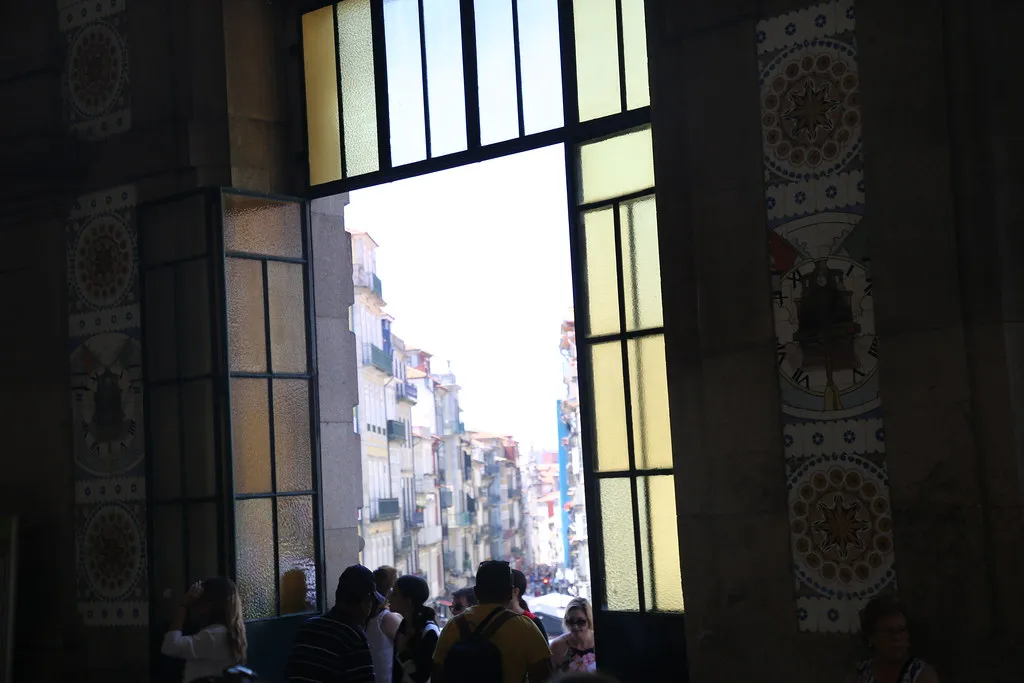
Start at São Bento Station by 09:00. The 20,000 azulejo panels inside the main hall depict scenes from Portuguese history and take about 30 minutes to absorb properly. Arrive early — by 10:00 the tour groups arrive and the space fills quickly. Admission is free; you are walking through a working train station.
From São Bento, walk five minutes uphill to Porto Cathedral (Sé). The Romanesque exterior and the Gothic cloister lined with 18th-century tiles cost €3 to enter. Next, head west along Rua das Flores to Livraria Lello (timed entry from your pre-booked voucher). The Art Nouveau staircase is the most photographed interior in Porto; spend 20–30 minutes here. The Clérigos Tower is a two-minute walk away — climb the 225 steps for the best elevated view of the historic center. Budget €8 for tower entry. If you have a Porto Card, both sites are included.
After lunch, cross into the Ribeira district via the steep lanes below the cathedral. The riverfront square (Praça da Ribeira) is tourist-heavy but genuinely beautiful. Walk east along the quay toward Cais da Ribeira for the best angles on the Dom Luís I Bridge. For sunset, position yourself at Miradouro da Vitória (Rua de São Bento da Vitória) — a small, less-crowded viewpoint that faces west directly toward the bridge. Dinner on the Ribeira waterfront runs €15–25 per person for a full meal; avoid the most visible tourist menus and walk one block back from the water for better value. Read our Ribeira riverfront walking guide for the full self-guided route.
Two azulejo photo stops worth adding to Day 1 without extra effort: Igreja do Carmo (exterior tile panel, Rua do Carmo — free, 2 minutes from Lello) and Capela das Almas (Rua de Santa Catarina — also free exterior, about 10 minutes on foot from Clérigos). Both are within the Day 1 walking zone and the tiles are among the best-preserved in the city center.
Day 2: Serralves, Matosinhos Beach, and Gaia Port Cellars
Day 2 covers three distinct zones that sit in different directions from the city center. The sequence below minimizes backtracking. Start at Serralves Foundation (Rua Dom João de Castro 210) — take Metro Line B or D to Casa da Música and then a 10-minute walk or taxi. Serralves combines a contemporary art museum (Álvaro Siza Vieira's landmark building), a 1930s Art Deco pink villa, and 18 hectares of gardens. Budget at least two hours. Entry to the museum and grounds costs €20; the Porto Card gives you free entry.
From Serralves, Metro Line B takes you directly to Matosinhos in about 20 minutes. This is Porto's beach suburb, not a tourist zone. The Matosinhos seafront at Praia de Matosinhos is a real Atlantic beach — wide, free, and backed by local restaurants. Lunch at Rua Heróis de França (the street behind the fish market) means grilled fish for €8–12 per person, eaten by locals, not tourists. If the Douro Valley is your Day 3 plan, this coastal half-day is a worthwhile contrast that no Gaia-only itinerary offers. If you prefer to skip Matosinhos for more time in Gaia, catch the metro straight to São Bento and cross on foot instead.
Afternoon belongs to Vila Nova de Gaia. Cross the Dom Luís I Bridge on the upper deck on foot (it is free; the lower deck is for trams and pedestrians too). The Port wine lodges line the hillside on the Gaia side. Most offer 60-minute guided tours with two or three tastings for €15–20. Graham's has the best hilltop terrace views; Calem has the most central location and hosts fado shows in the evening. Taylor's is the most architecturally impressive. Book at least 5 days ahead in peak season. Most cellars close by 18:00, so aim for a 14:00 or 15:00 slot. Explore your options in the Port wine cellars guide.
For sunset, stay in Gaia at Jardim do Morro — the hilltop garden directly above the cable car station. It faces northwest across the river toward Porto's skyline and the bridge. It is far less crowded than Porto-side viewpoints at golden hour and the angle is better for photography.
Port Wine 101: Ruby, Tawny, and White Explained
Before your Gaia cellar tour, understanding the three main Port styles means you will taste with purpose rather than just sipping whatever is poured. Most cellars offer a flight covering one of each. Here is what distinguishes them.
- Ruby Port — aged in large stainless tanks or large wooden vats for 2–3 years. Retains deep red-purple color. Flavor profile: fresh red fruit, dark cherry, chocolate. This is the entry-level style most people encounter first. Price in Gaia: €3–6 per glass.
- Tawny Port — aged in small oak barrels for 10, 20, 30, or 40 years. Oxidation turns the wine amber-brown (tawny). Flavor profile: dried fruit, nuts, caramel, a slight nuttiness. A 20-year Tawny is the benchmark recommendation for first-timers. Price: €5–10 per glass, depending on age declaration.
- White Port — made from white grapes, aged briefly. Light amber, drier than Ruby or Tawny. Served cold as an aperitif, often with tonic water and a lemon slice (the classic Porto Tónico). You will find this as a cocktail in nearly every riverside bar. Price: €4–7 per glass.
One practical tip: if you only visit one cellar, order a tasting flight that includes a 10-year and 20-year Tawny side by side. The difference in color and complexity between the two ages demonstrates more about Port winemaking than an hour-long tour explanation. Ask the guide to pour them simultaneously — most cellars will do this on request.
A 20-Year Tawny is the benchmark Port style for first-timers — amber in color, with dried fruit and caramel notes from decades in small oak barrels. Ask your cellar guide to pour a 10-year and 20-year Tawny side by side for the clearest comparison.
Day 3: Choosing the Best Day Trip from Porto
Porto's position in northern Portugal puts three excellent day trips within 90 minutes. Your choice depends entirely on what you have not yet seen. The table below summarizes the trade-offs.
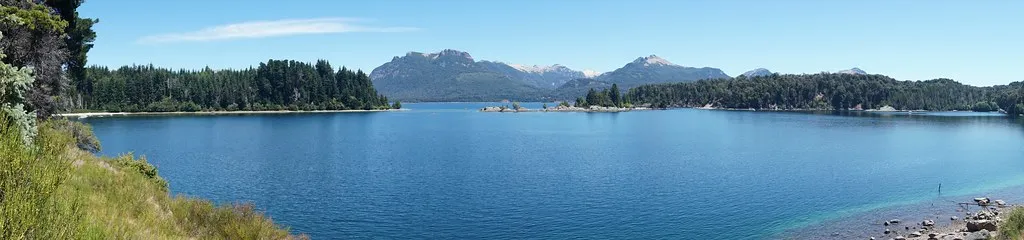
- Douro Valley — best for: wine lovers, scenery, photography. Train from São Bento to Pinhão: 2h 20min, ~€13 return. Or guided minivan tour (~€65) that includes winery lunch and river cruise. The Douro is a UNESCO landscape and the train journey itself — along terraced vineyards above the river — is one of the best rail routes in Europe. Full-day commitment: 08:30 departure, return by 20:00.
- Braga + Guimarães — best for: history, architecture, day-trippers who dislike wine tours. Braga is 55 minutes by train (€3.75); Guimarães is 70 minutes (€3.90). Combine both in one day if you hire a driver for the stretch between the two cities (€30–40). Braga's Bom Jesus baroque stairway and Guimarães' medieval castle are UNESCO sites. Half-day each.
- Aveiro — best for: canal scenery, colorful boats, a lighter pace. Train from Porto: 75 minutes, €6.40 return. Best as a half-day (morning departure, back for Porto dinner). The Moliceiro canal boats run €10–15 per 45-minute ride. Aveiro also makes a logical pairing with a stop in Coimbra on the return.
| Day Trip | Best For | Train Time | Return Fare | Tip |
|---|---|---|---|---|
| Douro Valley | Wine, scenery, photography | 2h 20min (to Pinhão) | ~€13 (train) / ~€65 (guided tour) | Book guided van tour 2 weeks ahead in summer |
| Braga | History, baroque architecture | 55 min | €3.75 | Pair with Guimarães for a full day; hire a driver between the two |
| Guimarães | Medieval history, UNESCO castle | 70 min | €3.90 | Driver between Braga and Guimarães runs €30–40 |
| Aveiro | Canal scenery, lighter pace | 75 min | €6.40 | Best as a half-day; Moliceiro canal boat ride €10–15 |
The Douro Valley day trip guide covers the train route and winery options in full detail. If the Douro is your choice, book the guided tour in advance — small-group van tours to Pinhão sell out two weeks ahead in summer.
Top-Rated Porto Tours and Authentic Experiences
Most first-timers benefit from one structured tour on Day 1 to build geographic confidence before going self-guided. A small-group walking tour of the historic center (roughly 2.5 hours, €20–30) covers São Bento, the Cathedral, Lello's neighborhood, and Ribeira with a local guide who can answer questions in real time. Private options cost €80–120 but give a flexible route.
For food, a Porto food tour combining a tasting of Francesinha, petiscos, and pastéis de nata runs about €65 per person and typically covers four or five stops in the Baixa and Bonfim neighborhoods. These tours run in the morning (10:00) or late afternoon (16:00). The morning slot pairs well with a Day 1 afternoon in Ribeira. Read the Porto food tour guide for recommendations on which operators have the best local-restaurant stops rather than tourist-facing venues.
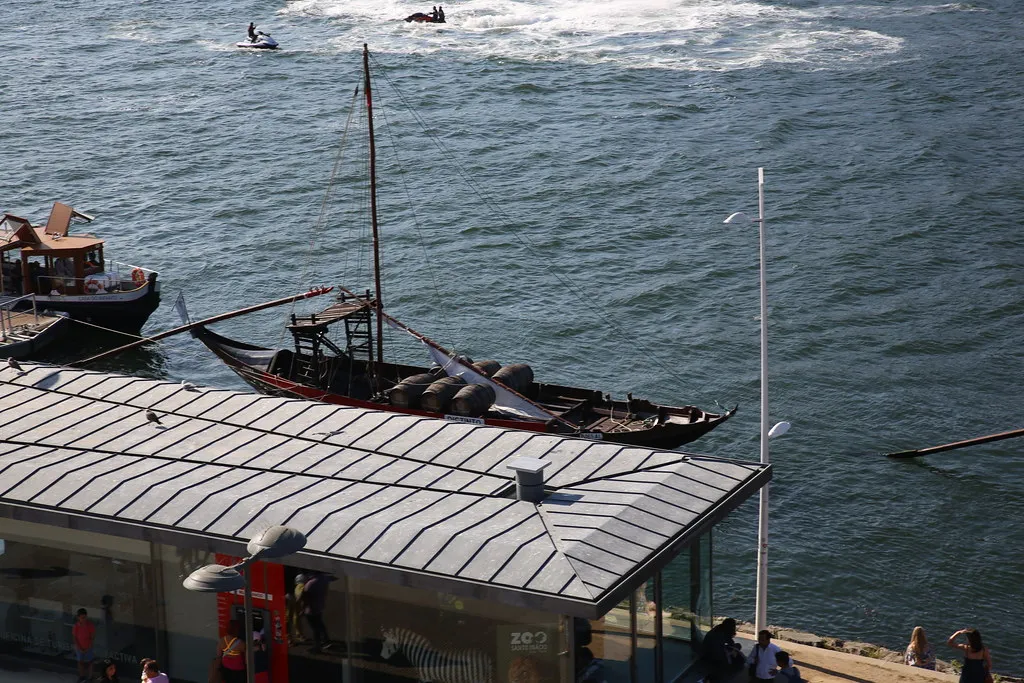
On the Douro River, a six-arch rabelo boat cruise runs €15 per person for a 50-minute loop under the bridges. Departures every 30 minutes from both the Porto and Gaia quays. This is one of the best low-cost experiences in the city and works as an afternoon add-on after any Day 1 or Day 2 activity near the waterfront. For something more immersive, a full-day river cruise upstream into the Douro Valley with wine and lunch runs €90–110.
The Francesinha: Where to Eat Porto's Signature Sandwich
The Francesinha is Porto's most famous dish and one of the most misrepresented. It is a multi-layer sandwich of cured meats and sausage topped with melted cheese and submerged in a spiced tomato-beer sauce, typically served with fries. It is heavy, rich, and best eaten at lunch rather than dinner. Budget around €12–14 per plate.
The tourist-trap version appears on riverfront menus with glossy photos and costs €15–18. The local version is better and cheaper. Café Santiago (Rua de Passos Manuel 226) is the benchmark — consistently ranked the city's most authentic by Porto residents, queue expected 12:00–13:30. Brasão Aliados (Avenida dos Aliados 63) is a slightly more refined version with a shorter wait. Capa Negra II (Rua do Campo Alegre 55) is the choice for locals in the western Boavista neighborhood. If you are in Bonfim on Day 1, O Afonso (Rua de Antero de Quental) is small, no tourist menus, and typically crowded with office workers at midday — that is the clearest quality signal in Porto.
Essential Travel Tips for a Smooth 3-Day Visit
Footwear is the single most important packing decision. Porto's cobblestones and steep gradients will destroy fashionable shoes and ruin comfortable ones that lack ankle support. Wear trail shoes or supportive walking trainers. This is not a suggestion — it is the most consistent advice from every Porto visitor who returns. Blisters on Day 1 compromise the entire 72-hour plan.
Porto gets hot in July and August (30–35°C) and mild but rainy in November–February. The shoulder months of April–June and September–October offer the best conditions: temperatures in the low-to-mid 20s and crowd levels lower than peak summer. Spring 2026 tip: the Serralves garden is at its best in May when the wisteria is in bloom. Sunset times in May are around 21:00, giving you long golden hours for Ribeira and Gaia viewpoints.
The Porto Card is worth buying if your Day 2 includes Serralves (€20 entry alone) and you plan to use the metro three or more times per day. The 72-hour version at €20 pays for itself on Day 1 alone if you combine Clérigos Tower (€8) and a metro journey. If you are staying in Ribeira and walking everywhere, skip it. The card is sold at the airport metro station and at the tourism office on Praça do General Humberto Delgado.
For sunset spots, the three best in the city are: Miradouro da Vitória (Rua de São Bento da Vitória, Day 1), Jardim do Morro in Gaia (Day 2), and Miradouro da Serra do Pilar (also in Gaia, slightly further east, for a wider bridge panorama on any evening). All three are free and reachable on foot from the center.
For official references, see Visit Porto and Livraria Lello.
Frequently Asked Questions
Is 3 days enough time to see Porto?
Yes, three days is the perfect amount of time for Porto. You can see the main historic sites and enjoy wine tastings. It also allows for one full day trip to the Douro Valley.
Do I need a car for a 3-day Porto itinerary?
No, a car is not necessary for this itinerary. Porto is very walkable and has an excellent metro system. Trains are better for regional day trips to avoid parking issues.
Which Port wine cellar is the best to visit?
Graham's and Taylor's are highly recommended for their views and history. For a more central Gaia location, try Calem or Sandeman. Always book your tasting tour in advance.
Porto is a city that rewards those who take the time to wander. This 3-day itinerary ensures you see the icons while leaving room for discovery. I hope you enjoy the wine, the views, and the warm Portuguese hospitality. Safe travels as you explore one of my favorite cities in the world.
Pair this with our broader Porto attractions guide for the full city overview.
For related Porto deep-dives, see our Porto neighborhoods guide and first-timer Porto guide.