
Lisbon 5 Day Itinerary: The Ultimate Local Guide
Plan the perfect Lisbon 5 day itinerary with local tips on hidden viewpoints, Sintra day trips, neighborhood guides, and the best Pastel de Nata spots.
On this page
Lisbon 5 Day Itinerary
I crafted this guide after my fourth visit to the sunny Portuguese capital. Lisbon is a city of yellow trams, steep hills, and incredible seafood. First-time visitors often feel overwhelmed by the winding alleys of the historic districts.
This comprehensive lisbon 5 day itinerary helps you navigate the city without the usual stress. I last refreshed this guide in spring 2026 to reflect the current funicular closures, updated Sintra ticketing rules, and the new café scene around Príncipe Real. Five days remains the sweet spot for Lisbon: enough time to see the icons without rushing past the miradouros that make this city special.
You will explore historic neighborhoods, taste world-class pastries, and visit fairytale palaces in Sintra. This plan balances famous landmarks with quiet corners that most tourists miss. It is designed for both first-timers and repeat visitors looking for fresh inspiration.
At a Glance: Your 5-Day Lisbon Itinerary
Activities below are grouped by neighborhood to minimise transit time, and each day targets a different layer of Lisbon: historic, riverside, royal, romantic, and modern. Mornings are best for big-ticket sites like Belém Tower, Pena Palace, and Castelo de São Jorge. Afternoons belong to miradouros and food; evenings to Fado, rooftops, or a slow dinner in Bairro Alto.

- Day 1: Historic heart — Baixa, Chiado, the Sé Cathedral, and Alfama alleys ending at Miradouro das Portas do Sol.
- Day 2: Belém — Jerónimos Monastery, Belém Tower, Discoveries Monument, and Pastéis de Belém.
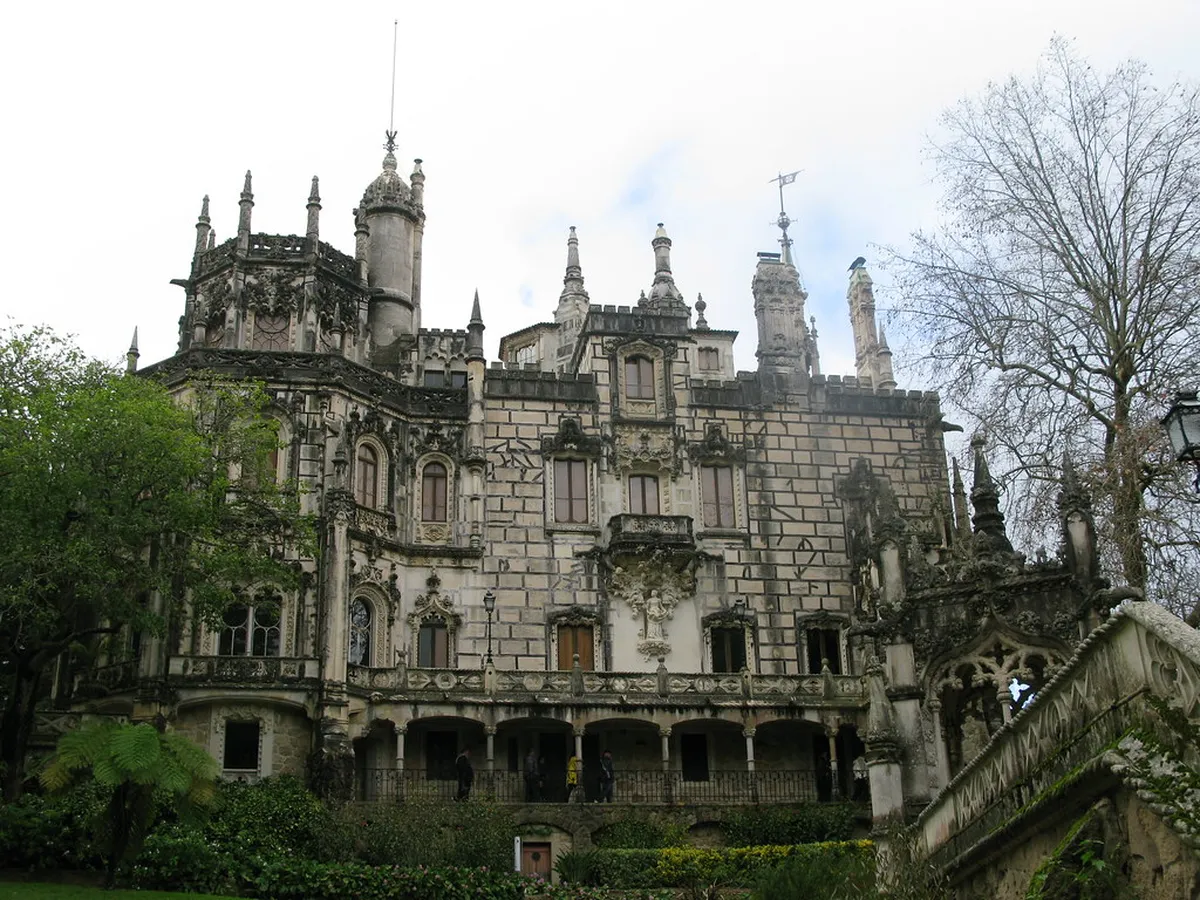
- Day 3: Sintra day trip — Pena Palace, Quinta da Regaleira, optional Cabo da Roca.
- Day 4: Bairro Alto, Lisbon's best viewpoints, and a Fado dinner in Alfama.
- Day 5: LX Factory, Ler Devagar bookstore, and a riverside meal in Alcântara.
Planning Your 5-Day Lisbon Trip
Lisbon sits on seven hills, and the steepest streets in Alfama and Bairro Alto rival San Francisco. Pack walking shoes with grip — the calçada portuguesa pavement is slippery in rain. April–June and September–October offer the kindest weather (highs 22–26°C); July and August are hot and crowded with cruise traffic. See our guide on the best time to visit Lisbon for a full seasonal breakdown.
Book Pena Palace timed-entry, your Fado dinner, and any sidecar or tuk-tuk experience at least 14 days out. The Lisboa Card (72-hour version, around €54) pays for itself if you visit Jerónimos, Belém Tower, and Sintra in the same week. Skip it if you plan to walk and only enter one or two paid sites.
The Lisboa Card 72-hour version costs around €54 and covers unlimited Carris/Metro rides plus entry to major sites like Jerónimos Monastery and Belém Tower. It pays for itself fastest if you combine a Sintra train day with two Belém monument entries in the same week.
Where to Stay in Lisbon: Neighborhood Guide
Choosing the best areas to stay depends on your tolerance for noise, hills, and tourist density. Baixa is dead-flat, central, and walkable to almost everything in this itinerary, but it empties out after dinner and feels corporate at night. Chiado, just uphill, is the elegant middle ground — boutiques, theatres, and easy walking to both Bairro Alto and the river.
Alfama is the most photogenic option, with tile-clad alleys, Fado houses, and views over the Tagus. The trade-off is brutal stairs, almost no taxi access, and the rumble of Tram 28 outside many windows until midnight. Pick Alfama if you want atmosphere and don't mind hauling luggage up cobblestones.
Cais do Sodré is the nightlife district. The São José neighborhood and Príncipe Real are quieter alternatives if you want walkability without the 4 AM bar noise. Bairro Alto has the cheapest pensions but is loud Thursday through Saturday until very late — perfect for night owls, terrible for early Sintra trains.
The Lisboeta Noise Map: Picking the Right Street
Most guides stop at the neighborhood level, but Lisbon noise is a street-by-street decision. In Cais do Sodré, anything within two blocks of Pink Street (Rua Nova do Carvalho) hears bass until 4:00 AM on weekends; the river side of Avenida 24 de Julho gives the same nightlife access with sleep. In Alfama, the quieter pockets are the lanes east of São Vicente and the slope below Miradouro de Santa Luzia.
Avoid anything directly on the Tram 28 route — Rua das Escolas Gerais and Calçada de São Vicente — because trams start at 5:45 AM and the wheels squeal on the curve. Bairro Alto's 2:00 AM noise ordinance is loosely enforced near Rua da Atalaia and Rua do Norte; book a courtyard-facing room or stay two blocks south in Chiado. For noise-sensitive travellers, request a top-floor or interior-courtyard room and ask about double-glazed windows — many older buildings in Baixa and Alfama still have single-pane wood frames.
Getting Around: Trams, Ubers, and Hills
Mastering the getting around options saves your legs from real fatigue. Tram 28 is now famous primarily for pickpockets and 90-minute waits — check Lisbon's Tram 28 official info for rerouting and consider Tram 12 (Alfama loop) or Tram 15 (Belém) as quieter alternatives. Uber and Bolt are the budget winners for short hops; a city ride costs €5–10, and the airport to Baixa runs €12–18 — faster than the red metro line with its Alameda transfer. The metro covers four lines at €1.80 per ride or €6.80 for a 24-hour Carris/Metro pass.
Heads-up for 2026: after the September 2024 Ascensor da Glória accident, all four funiculars and the Santa Justa elevator went through extended safety inspections. Most have returned to service, but check the Carris website the week of your trip — closures still happen sporadically. If a funicular is shut, the alternative is either a steep ten-minute climb or a €6 Uber.
All four Lisbon funiculars and the Santa Justa elevator have had sporadic closures since the September 2024 Ascensor da Glória accident. Always check the Carris website the week before your trip — if one is shut, budget an extra €6 per Uber ride or a steep 10-minute climb as backup.
Transport Cost Comparison: What You'll Actually Pay
Here is what each transport option costs for the routes you'll use most on a 5-day trip. Prices are 2026 estimates and assume two travellers splitting fares where applicable.
- Airport to Baixa: Metro €1.80 per person and 35 minutes; Uber €12 to €18 and 20 minutes; Aerobus €4 and 25 minutes; taxi €15 to €20.
- Baixa to Belém: Tram 15 €3.20 per ride and 25 minutes; Uber €7 to €10 and 12 minutes; bus 728 €1.80 and 30 minutes.
- Rossio to Sintra: train €4.60 return per person and 40 minutes; Uber €40 to €55 one-way; private day-trip transfer €120 to €180 for two.
- Tuk-tuk private city tour (2 hours): €50 to €70 for two riders, fixed price.
- Sidecar private city tour (3 hours): €170 to €220 for one passenger plus driver, fixed.
- Single tram ticket bought onboard: €3.20; same ticket on the Carris card: €1.80.
The pattern is straightforward: walking and the metro for backbone moves, Uber for hilly shortcuts and late-night rides, and the train for Sintra. Tram 28 is a tourist experience, not a transport tool. Buying a 24-hour Carris/Metro pass for €6.80 makes sense on the day you plan to take three or more rides.
| Route | Best Option | Cost (2026) | Journey Time |
|---|---|---|---|
| Airport → Baixa | Uber | €12–18 | ~20 min |
| Airport → Baixa | Metro | €1.80 pp | ~35 min |
| Baixa → Belém | Tram 15 | €3.20 | ~25 min |
| Rossio → Sintra | Train (return) | €4.60 pp | ~40 min |
| Single tram (onboard) | Carris card | €1.80 vs €3.20 | — |
| 24-hour Carris/Metro pass | All modes | €6.80 | — |
Day 1: Historic Heart — Baixa, Chiado, and Alfama
Begin at 9:00 in Praça do Comércio, walk north under the Arco da Rua Augusta into Baixa, and detour to Santa Justa elevator (€5.30) before 10:30 to skip the worst queue. Climb into Chiado for an espresso at A Brasileira, then visit Carmo Convent (€5, closed Sundays). Lunch at Time Out Market in Cais do Sodré, or any small tasca on Rua dos Bacalhoeiros for a local meal under €15.
Spend the afternoon in Alfama district, ending at the Lisbon Cathedral (Sé de Lisboa). Continue to Miradouro de Santa Luzia and Miradouro das Portas do Sol for golden-hour views. Skip the cathedral interior if the line tops 15 minutes. Dinner on Rua de São Pedro: clam dishes, grilled sardines in season, house wine, all under €25 per person.
Day 2: Belém's Monuments and Pastel de Nata
Catch Tram 15 from Praça da Figueira at 8:30 to reach Belém before the 10:00 tour buses arrive. Start at Jerónimos Monastery (€18 combo with Belém Tower) — the cloisters thin out by 11:30 as groups rotate to the tower. Walk five minutes west to Belém Tower; be in line by 10:00 or the wait hits an hour by noon.
Cross the road to Pastéis de Belém, the original 1837 bakery. Most Lisboetas actually prefer Manteigaria in Chiado — buy three of the best custard tarts from each over the trip and judge yourself. Dust them with cinnamon and powdered sugar; non-negotiable. The afternoon is for MAAT, the Padrão dos Descobrimentos, and the Coach Museum if vintage royal carriages interest you. Sunset is best from the Belém riverside path looking back at the 25 de Abril Bridge. Dinner at Alcântara docks or back in Chiado — Tram 15 runs until midnight.
Day 3: A Fairytale Escape to Sintra
Take the 8:11 train from Rossio Station (€2.30 each way, contactless tap on Navegante card). The journey to Sintra UNESCO Site takes 40 minutes. From the station, the 434 tourist bus loops up to Castelo dos Mouros and Pena Palace (€13.50 return, exact change). The strategy that saves your day: book Pena Palace interior tickets online for the 9:30 or 10:00 slot at least seven days ahead — those slots usually sell out three days in advance during summer.

Aim for Pena first, then walk down to Castelo dos Mouros, then take the 435 bus to Quinta da Regaleira for the Initiation Well after lunch. To skip the morning crush, flip the day: Regaleira at 10:00, lunch at Tascantiga, then Pena at 3:30 PM when day-trippers leave. Last entry to Pena is 5:15 PM. Pack layers — Sintra's microclimate runs cooler and mist is common even in July.
Sintra Palace Priority: What to See vs Skip
Sintra has seven sites that all market themselves as essential. On a single day from Lisbon, this ranking gives the best return on time:
- Pena Palace — must-see for the exterior; pay for the interior only with a timed slot.
- Quinta da Regaleira — must-see for the Initiation Well, gardens, and grottoes. Allow 90 minutes.
- Castelo dos Mouros — worth the wall walk and views; skip if mist reduces visibility.
- Sintra National Palace (in town) — good 45-minute stop if you arrive early, otherwise skip.
- Monserrate Palace — beautiful but 6 km from town and a half-day on its own; skip on a single-day trip.
- Cabo da Roca — westernmost point of mainland Europe, 40 minutes by bus; only if you are not seeing the Atlantic elsewhere.
- Convent of the Capuchos — atmospheric ruins but painful without a car; skip unless driving.
Most repeat visitors return for a second Sintra day rather than cram four palaces in eight hours. Prioritise depth at two sites over a checklist of seven.
Day 4: Views, Fado, and Bairro Alto Nightlife
Sleep in. Brunch at Seagull Method or Dear Breakfast in Príncipe Real, then walk to Miradouro de São Pedro de Alcântara. Visit EmbaiXada — the palace of Portuguese designers — and the Botanical Garden for an hour of leafy quiet. Afternoon at the National Tile Museum (Museu Nacional do Azulejo, €8, closed Mondays) covers the city's 500-year tile tradition.
Late afternoon, viewpoint-hop: Miradouro da Senhora do Monte for the highest panorama, Jardim do Torel for the local sunset spot, and the Park Bar rooftop above an Estrela car-park (the worst-kept local secret). Book a Fado dinner in Alfama for 8:30 PM — Tasca do Chico (casual, walk-ups possible), Mesa de Frades (tiled former chapel, book a week ahead), or Clube de Fado (formal, ~€70 set menu). See our Fado music venues guide for the full breakdown. After dinner, walk into Bairro Alto for late drinks on Rua da Atalaia.
Fado Etiquette: How to Watch Without Offending the Room
Fado is not background music. It is a song form built around saudade — a kind of melancholic longing — and the room is expected to fall silent during each piece. The etiquette is straightforward but easy to break.
- Stop talking the moment the lights dim or the guitarra starts. Whispering carries; wait until applause to speak.
- Do not photograph during a song. Take photos only between sets or when the singer steps off the small stage.
- Do not eat or use cutlery during a piece. Time your courses around the breaks; most Fado restaurants pause service automatically.
- Phones go on silent and into pockets, not on tables. Screen glow disrupts the singer's eye contact with the audience.
- Tip the musicians at the end if a tip jar is presented — €5 to €10 per person is normal in casual venues.
- If you arrive after a set has begun, wait at the door until applause; the host will seat you between songs.
Sets typically run 20 to 30 minutes with breaks for food. A full Fado dinner runs about three hours, so plan accordingly and skip Fado if you are tired and need an early night before Sintra.
Day 5: LX Factory, Bookstores, and Modern Lisbon
Spend the morning at the Calouste Gulbenkian Museum (€10, closed Tuesdays) — Egyptian artefacts to French Impressionists in one of Europe's best private collections. Lunch at Versailles, a century-old café, or take a sandwich into the gardens. Afternoon belongs to LX Factory in Alcântara, a former textile complex turned creative quarter: Ler Devagar bookstore (with the wrought-iron bicycle in mid-air), design shops, and Landeau chocolate cake.
Late afternoon, ride up to the Hotel Tivoli rooftop or the Park Bar for cocktails. Dinner is casual at Time Out Market, or upscale at Belcanto if you want a Michelin send-off and have booked a month ahead. End the trip with one last pastel de nata at Manteigaria — they bake fresh batches every twenty minutes until midnight.
Where to Eat in Lisbon: Pastel de Nata, Seafood, and Beyond
Start pastel de nata research at Manteigaria (Chiado branch is the best) and Pastéis de Belém — the two benchmarks. Add Aloma in Campo de Ourique for triangulation. Sprinkle cinnamon, drink a bica espresso with it, repeat daily.
For seafood, Cervejaria Ramiro is the prawn-and-percebes pilgrimage (30-minute wait, no reservations). Casa do Bacalhau in Beato is the codfish destination. Solar dos Presuntos justifies its €40-per-person spend with seafood rice. Our Lisbon food guide covers the city's classic dishes and pastry tradition. Cheap and excellent options abound: Zé da Mouraria for cozido under €12, Bairro do Avillez for chef-driven small plates, any tasca with a paper menu. Avoid Rua Augusta restaurants with sandwich-board photos — tourist traps charging double. A glass of vinho verde should be €3–4, a main €10–18, the couvert (bread, olives) optional and refusable.
Sidecar vs Tuk-Tuk vs Hop-On-Hop-Off: Which Tour Format Wins
Lisbon offers more guided-tour formats than any comparable city, and the choice meaningfully changes your trip. A historic Lisbon tuk-tuk tour runs €50–70 for two riders over two hours, fits three passengers, and reaches Alfama lanes a tour bus can't enter. Drivers narrate, but open sides mean wind and dust. Best for travellers with mobility limits who still want the cobblestone experience.
A sidecar tour (Bike My Side and similar) costs €170–220 for one passenger plus driver across three hours. You sit in a bolted-on sidecar — helmet on, ground at eye level, motorcycle engine beside you. The "wind in the face" experience is unique and the photos are excellent; downside is solo-only, so couples need two rides. The Yellow Bus hop-on-hop-off (€22/day, four routes) is the budget pick for self-paced Belém-and-Alfama sightseeing; slowest in traffic, adds little context, but it is the only fully wheelchair-friendly tour format — sidecars and tuk-tuks both require transfers from a wheelchair to a fixed seat.
Best Day Trips from Lisbon (Beyond Sintra)
If your itinerary stretches to six or seven days, these day trips deserve a slot. Cascais is 40 minutes by train from Cais do Sodré (€4.60 return, every 20 minutes) — a beach town with seafood lunches and the dramatic Boca do Inferno cliffs. Évora takes 90 minutes by Rede Expressos bus (€14 each way) for a Roman temple, the unsettling Capela dos Ossos, and Alentejo cuisine of black pork and dense reds.
Óbidos is a medieval walled village 80 minutes north, ginjinha served in chocolate cups, easiest by tour bus or rental car. Setúbal and the Arrábida coast are the underrated option: 45 minutes south by Fertagus train, limestone hills, beaches locals prefer to Cascais. Our Sintra day trip guide covers timing tricks for combining Sintra with Cascais or Cabo da Roca on a single long day.
Essential Lisbon Travel Tips
Tap water is safe and free; saying "uma jarra de água da torneira" earns a free pitcher with meals at most tascas. Tipping is modest — round up or leave 5–10% for good service. The couvert charge (bread, olives) is not a tip and is refusable. Pickpockets work Tram 28, the 15E to Belém, and the Pastéis de Belém queue: front-pocket your phone and never leave anything on a café table.
Lisbon is otherwise one of Europe's safest capitals; solo female travel is comfortable in nearly every neighborhood here. Power outlets are Type F (two round pins, 230V). ATM withdrawals at Multibanco machines use bank rates with no local surcharge; avoid Euronet machines (terrible rates). Most places take contactless, but carry €30 cash for the smallest tascas, Sintra train, and tuk-tuk drivers.
Frequently Asked Questions
Is 5 days in Lisbon too long?
Five days is the ideal duration for a first visit. It allows for three days in the city and two days for trips to Sintra or Cascais. You will not feel rushed with this timeline.
How do I get from Lisbon to Sintra?
The easiest way is by train from Rossio Station in the city center. The journey takes about 40 minutes and costs around €5 for a return ticket. Trains depart every half hour.
Is the Lisboa Card worth it for a 5-day trip?
The card is worth it if you visit multiple museums daily. It includes all public transport and entry to major sites like Jerónimos. Calculate your costs before buying a 72-hour pass.
This lisbon 5 day itinerary ensures you see the best of the city. From the heights of Alfama to the palaces of Sintra, you will experience it all. I hope these local tips help you plan a truly memorable Portuguese adventure.
Remember to book your main tickets early to avoid the longest queues. Lisbon is a city that rewards those who explore its hidden corners. Enjoy every bite of seafood and every sunset from the beautiful miradouros. For a wider look at every Lisbon neighborhood, day trip, and itinerary, see our full Things to Do in Lisbon guide. Pair this guide with our Lisbon Oceanarium and Lisbon River Cruise Options for a fuller Lisbon picture.