Lagos Portugal Dolphin Tours: 8 Essential Things to Know
Plan your Lagos Portugal dolphin tour with our guide to the best combo trips, vessel types, sighting guarantees, and expert booking tips for the Algarve.
On this page
Lagos Portugal Dolphin Tours: 8 Essential Things to Know
Lagos is the busiest dolphin-watching port on Portugal's Algarve coast, with departures running from March through November in 2026.
The same boats that chase dolphins also pass Ponta da Piedade and the Benagil Cave, which is why most tours sell as combined wildlife-and-coast trips.
Booking lagos portugal dolphin tours means choosing between a 75-minute dolphin sprint and a 2.5-hour dual cruise that adds the cave, with prices ranging from about €30 to €65 per adult.
This guide walks through vessel choice, sighting policies, ethical-watching rules, and the practical details that change which trip is right for you.
Why Lagos is a Top Destination for Dolphin Watching
The western Algarve sits beside a steep underwater canyon system that pushes nutrient-rich water close to shore. That feeding ground keeps resident pods of common and bottlenose dolphins within a 30-minute boat ride of Marina de Lagos for most of the year.
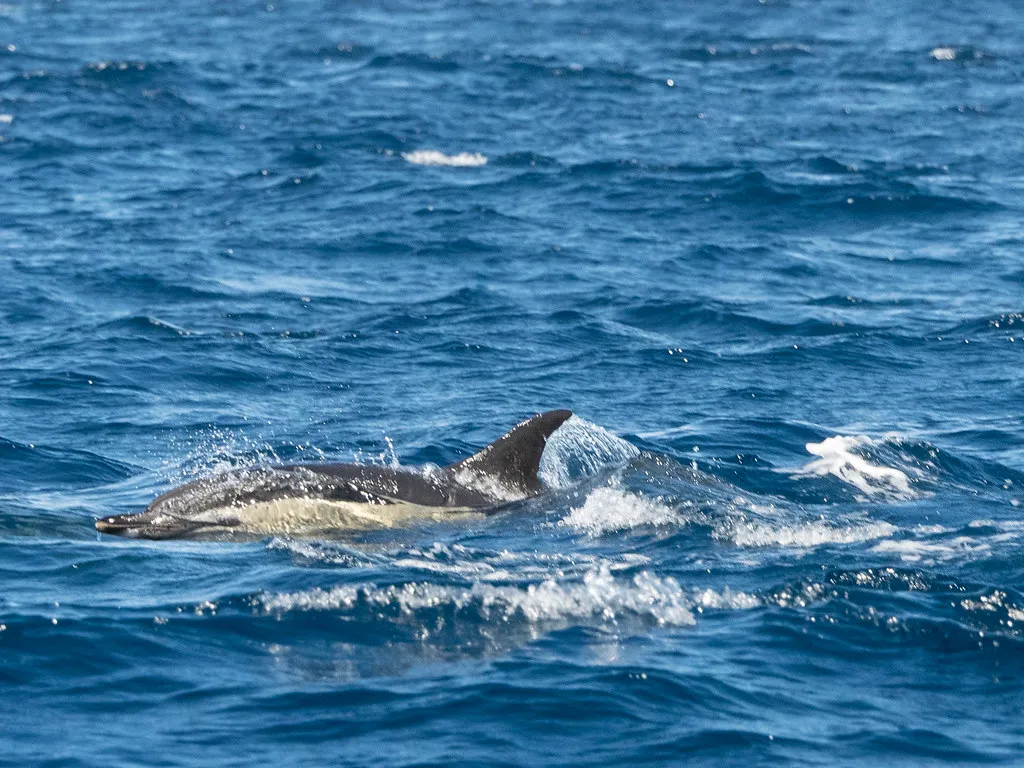
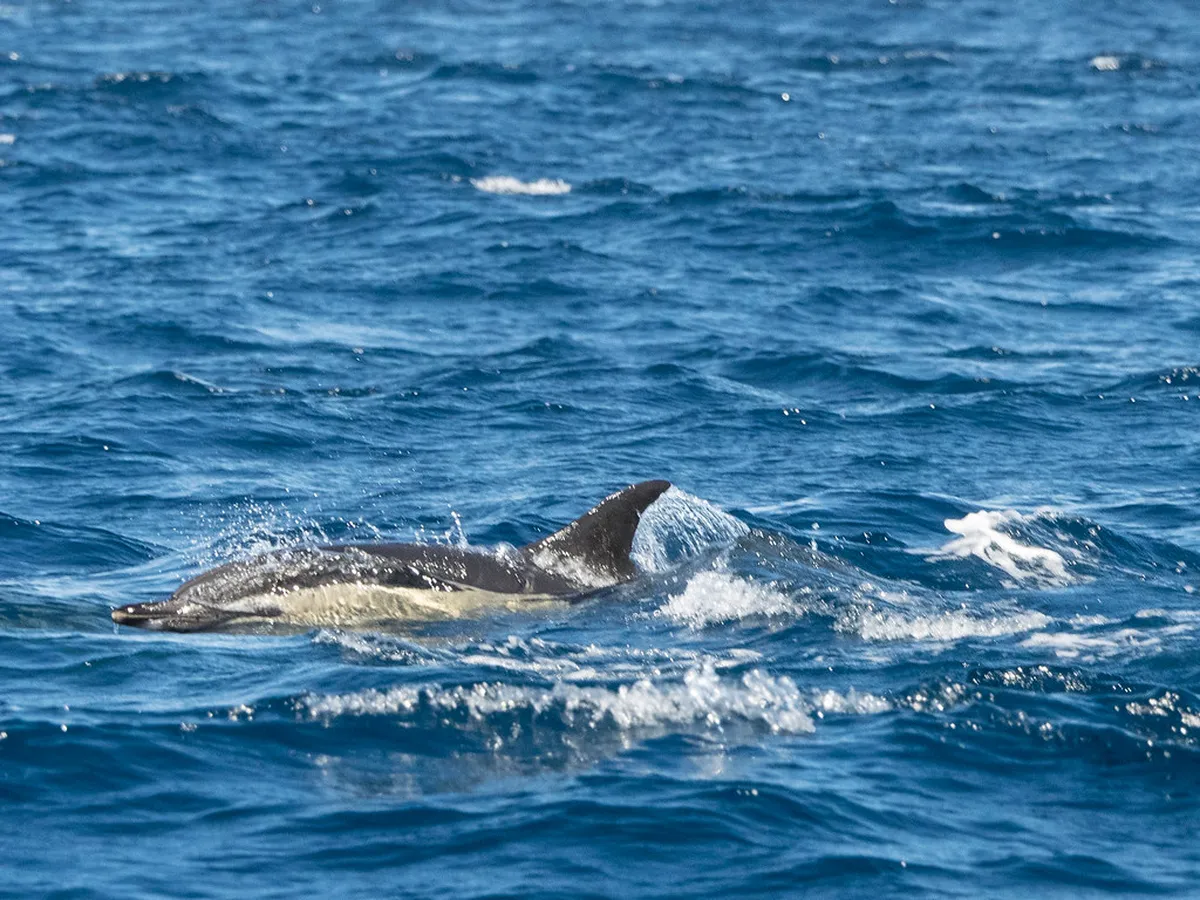
Reputable operators report sighting rates between 90 and 98 percent during the May-to-October window, which is unusually high for European Atlantic waters. The combination of warm-season calm, short transit times, and a working marine-biologist research scene makes Lagos a more reliable bet than Sagres, Portimão, or Albufeira for first-time dolphin watchers.
Tours leave from one central marina, so you can easily compare three or four operators in person before booking. That on-the-ground choice is something you do not get in larger ports where ticket booths are scattered along a kilometre of waterfront.
The Popular Dolphin and Benagil Cave Dual Trip
The single best-selling format in Lagos is the 2.5-hour dual trip that pairs dolphin spotting with a Benagil Cave pass. You can book the standard Benagil cave tour from Lagos with a dolphin segment included, or pick a dolphin-led tour that diverts to the cave only if sea state allows.
Most dual trips depart Marina de Lagos, run east along the cliffs past Ponta da Piedade, Praia do Camilo, and Marinha beach, then circle Benagil before returning. Pricing in 2026 sits around €45 to €55 for speedboats and €55 to €65 for catamarans.
One detail that surprises first-timers: dual trips view Benagil from outside the cave only. Portuguese maritime authorities banned tour boats from entering the cave's interior in 2023, so if you want to step onto the sand inside, you need to add a separate kayak or SUP trip from Praia da Marinha.
Comparing Boat Experiences: Speedboats vs. Catamarans
The vessel choice shapes everything from comfort to which sections of coast you can reach. RIB speedboats sit low, accelerate hard, and can nose into smaller sea caves the larger boats skip. Catamarans are slower but flat, dry, and shaded, with onboard toilets and a bar.
| Feature | RIB Speedboat | Large Catamaran |
|---|---|---|
| Top speed | 30+ knots, exhilarating | 10–15 knots, relaxed |
| Stability in chop | Bumpy, expect spray | Smooth twin-hull ride |
| Cave and grotto access | Enters smaller caves | Views from open water |
| Onboard toilet | None | Yes |
| Shade | None | Covered seating area |
| Typical capacity | 10–12 passengers | 30–60 passengers |
| Minimum age | Often 4 or 6 | Usually no minimum |
| Typical 2026 price | €30–€55 | €40–€65 |
If you get seasick easily, the catamaran is the safer pick despite the slower pace, because the twin-hull motion is dramatically gentler. If you want a closer view of dolphins riding the bow wave, the RIB wins.
Marine Life of the Algarve: What to Expect
The Atlantic off Lagos is home to several cetacean species, and a marine biologist on board makes the difference between a boat ride and a working wildlife trip. Operators like AlgarExperience and Bom Dia keep researchers on most departures who log sightings into Portugal's national cetacean database.
Common dolphins are the species you are most likely to see. They travel in pods of 20 to 200 animals and frequently bow-ride alongside boats. Bottlenose dolphins are larger, less playful around vessels, but more acrobatic when they breach. On longer offshore trips you can occasionally encounter Risso's dolphins, striped dolphins, or minke whales, especially in late summer.
Sea turtles, sunfish, and large schools of tuna show up regularly during the warmer months. The biologist briefs the group beforehand on which species are present that week and how to recognise dorsal fins from a distance.
Ethical Wildlife Watching Rules on the Algarve
Portuguese law sets specific rules that licensed Algarve operators must follow, and they directly affect what your tour can and cannot do near the dolphins. Boats are required to approach pods slowly, hold a parallel course rather than head-on, and stay at least 50 metres away when more than one vessel is present.
No more than three boats may surround a single pod at the same time, with a 30-minute total observation cap. If a pod contains calves, captains must keep a 100-metre buffer and idle the engine. These limits explain why a good captain will sometimes pull away from a pod just as you start filming, and why swimming with wild dolphins is illegal anywhere in Portuguese waters.
Before you book, check that the operator carries an ICNF (Instituto da Conservação da Natureza e das Florestas) wildlife-watching licence. The licence number should appear on their website or marina ticket booth. Unlicensed boats are usually cheaper, but they ignore approach distances and can have their tours cancelled mid-trip by the maritime police.
Unlicensed boats ignore the mandatory 50-metre approach rule and can be stopped mid-trip by the maritime police. Always verify the ICNF wildlife-watching licence number on the operator's website or marina ticket booth before paying.
Understanding the Dolphin Sighting Guarantee
Sighting guarantees in Lagos come in two flavours, and the difference matters if you only have a couple of days in town. Some operators promise a free repeat trip; others advertise a money-back refund. Always read the fine print before paying. The full Dolphin Sighting Guarantee Details from one of the catamaran outfits is a useful template.
Free-return policies are the industry standard and assume you can come back another day. They typically require you to rebook within seven days and only apply if the captain logs a "no-sighting" outcome in the official trip log. A handful of premium catamaran companies offer a 50 percent or full cash refund instead, which is what you want if you fly out the next morning.
Practical advice: book your dolphin tour for the first or second day of your trip in Lagos. That way, if the guarantee triggers a free return, you still have time to use it before you leave.
Best Times for Dolphin Spotting in Portugal
The weather in Lagos drives both sea conditions and dolphin behaviour. May through September offers the calmest seas, the highest sighting rates, and the most departures per day. October still works on most weeks, while November to March sees frequent cancellations from Atlantic swells.
Within any given day, the 09:00 and 10:00 departures are the most reliable. The Algarve's prevailing northwesterly wind, called the nortada, builds through the afternoon and can chop the surface enough to make fin-spotting hard by 15:00. Crews routinely cancel late-afternoon RIB tours in July and August when wind speeds top 20 knots.
Sunset cruises on catamarans are the exception. The wind usually drops after 19:00, and the lower-angle light makes dolphin-spotting easier than it looks because fins cast a clearer shadow.
Book the 09:00 or 10:00 departure for the best dolphin sighting conditions. The nortada northwesterly builds through the afternoon and often forces cancellations of RIB tours by 15:00 in peak summer months.
How to Choose the Right Tour for Your Group
The right tour depends less on price and more on who is on the boat. Use this quick decision flow to narrow your shortlist before opening any booking site.
- Travelling with kids under 6: book a catamaran with a covered deck and toilet. The minimum age on most RIB speedboats is 4 to 6 years, and toddlers struggle with the spray and bouncing. A Lagos family guide covers other kid-friendly water activities in town.
- Prone to seasickness: pick the catamaran and a morning slot. Take dimenhydrinate or scopolamine 60 to 90 minutes before departure, and stay on deck rather than sitting below.
- Want maximum dolphin time and adrenaline: book a 75-minute RIB-only tour. Skip the dual cave trip; the cave segment cuts your dolphin watching time by half.
- Want photos of both dolphins and Benagil: book the 2.5-hour dual speedboat trip. Bring a polarising filter and a 70–200mm lens or a phone with a 3x optical zoom.
- Romantic or relaxed pace: sunset catamaran with onboard bar. Wine, slower cruise, calmer water.
- Serious about wildlife: pick an operator with a marine biologist on board and a smaller boat (under 12 passengers) so you can hear the briefing.
Practical Logistics: Marina de Lagos and Packing Tips
Almost every dolphin tour departs from Marina de Lagos, a five-minute walk south of the old town across the pedestrian footbridge. You can find the exact Marina de Lagos Location at the corner of the marina building near Amuras Bar, where most operators hand out boarding passes.
Arrive 20 minutes before departure to clear check-in and the safety briefing. Parking is paid and limited in July and August; the multi-storey lot under the marina costs about €1.50 per hour and fills by 10:00 on weekends. The Lagos train and bus station is a 10-minute walk away if you are arriving from Faro or Albufeira.
- Sun protection: SPF 50, a hat with a chin strap, and lip balm with sunscreen.
- Layers: a light windbreaker even on hot days, because spray and 30-knot apparent wind on a RIB feel cold.
- Gear: polarised sunglasses make fins easier to spot, and a phone in a waterproof pouch survives the spray.
- Health: take motion-sickness pills before boarding; once you feel queasy at sea it is too late.
- Bring a refillable water bottle. Most operators offer free refills, and there is no shop on the boat.
Frequently Asked Questions
When is the best time to see dolphins in Lagos?
The best time for sightings is between May and September when the seas are calmest. Most experts recommend booking a morning tour to avoid the afternoon winds. You can find more details in our Lagos travel guide regarding seasonal activities.
Are dolphin sightings guaranteed in Portugal?
While sightings are not 100% guaranteed, most reputable companies have a success rate above 95%. If you do not see dolphins, many operators offer a free second trip. Always check the specific guarantee policy of your chosen provider before booking.
Can you swim with dolphins in Lagos?
No, swimming with wild dolphins is strictly prohibited in Portugal to protect the animals. Tours focus on respectful observation from a safe distance in their natural habitat. This ensures the dolphins are not stressed by human interaction or boat noise.
Is the Benagil Cave included in dolphin tours?
Many operators offer "dual trips" that combine dolphin watching with a visit to the Benagil Cave. These tours typically last about 2.5 hours and cover a large stretch of the coast. Note that most boats only view the cave from the water.
What should I bring on a Lagos boat tour?
You should bring sunscreen, a hat with a chin strap, and a light windbreaker jacket. Even on hot days, the wind can feel quite chilly when the boat is moving fast. Don't forget your camera and a waterproof bag for your phone.
Exploring the Algarve coast by boat offers a perspective you cannot get from the shore.
Seeing dolphins in the wild is a powerful experience that highlights the importance of ocean conservation.
By choosing the right vessel and timing, you ensure a comfortable and memorable adventure.
Lagos remains one of the best places in Europe to connect with these intelligent marine animals.
See our Lagos travel guide for the broader regional overview.