Things To Do In Lagos Portugal: The Ultimate Travel Guide
Discover the best things to do in Lagos, Portugal. Our guide covers top beaches, historic Old Town sites, boat tours to Ponta da Piedade, and local travel tips.
On this page
Things To Do In Lagos Portugal
Lagos sits at the western edge of the Algarve, where ochre cliffs collapse into turquoise water and a walled medieval town hides behind the marina. It is the prettiest base in southern Portugal for travelers who want beaches, history, and boat tours within a 15-minute walk of each other. The town itself is small, with roughly 30,000 residents, but the coastline around it is the most photographed in the country.
This guide is built for first-time visitors planning three to five days in 2026. It covers what to actually do, where to sleep, how to time the tides at the cave beaches, how to skip the rental car, and how Lagos compares to Albufeira and Portimão. Use the cheatsheet at the end to lock in bookings before peak July and August prices kick in. Begin your overview of things to do in lagos portugal with the ten experiences that define a trip here.
Top 10 Things to Do in Lagos
The shortlist below mixes the cliff-and-cave icons with the historic core, so even a two-day visit can hit the headline sights without burning out. Most are free or under 10 EUR, and almost all are reachable on foot from the Old Town. Save the boat tour and the longest day trip for separate days.
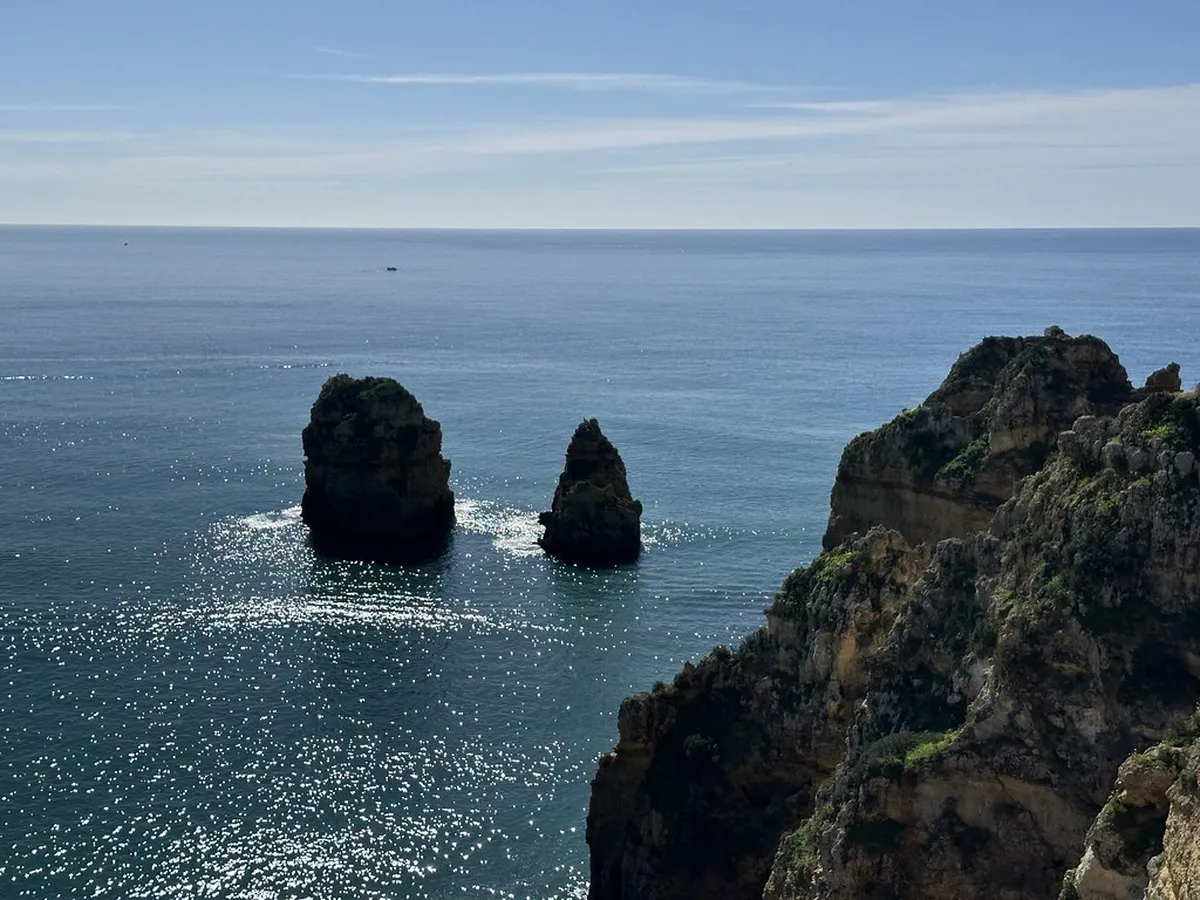
- Walk the Ponta da Piedade boardwalk at sunset, when the cliffs glow copper. The cliff-top trail runs roughly 2.5 km from the lighthouse back toward Praia do Camilo.
- Take a grotto boat or kayak tour from Lagos Marina to enter the sea caves you cannot reach from land. Small inflatables (around 25 to 35 EUR) get inside the narrow openings; bigger catamarans do not.
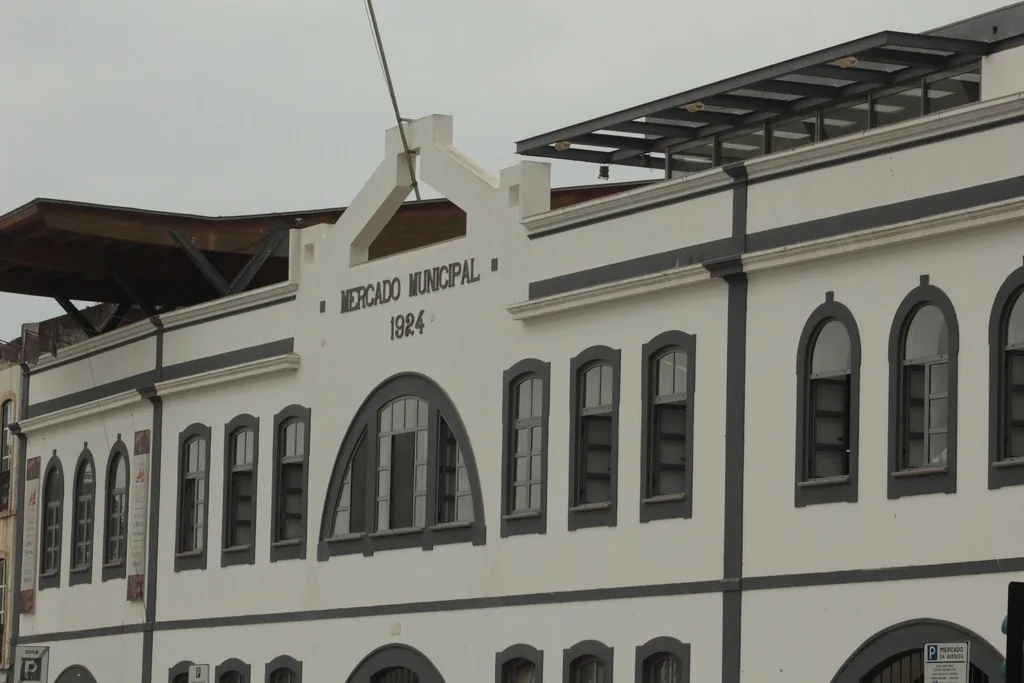
- Wander Lagos Old Town within the medieval walls, stopping at Praça Gil Eanes, the colourful tiled facades along Rua 25 de Abril, and the rooftop terrace at Mercado Municipal.
- Step inside the Church of Saint Anthony (Igreja de Santo António) for one of Portugal's most over-the-top Baroque gilded interiors. Entry includes the adjoining Museu Municipal de Lagos and runs about 5 EUR.
- Beach-hop the cliff coves from Praia da Batata through Praia dos Estudantes, Praia do Pinhão, Praia da Dona Ana, and Praia do Camilo. The whole chain links on foot in under an hour at low tide.
- Visit the Mercado de Escravos, Europe's first slave market, on Praça do Infante. The small museum is sober but essential context for the Age of Discovery story Lagos likes to tell about itself.
- Sunset at Miradouro Praia da Batata, with a glass of vinho verde from the kiosk above the steps.
- Eat fresh fish at the Mercado Municipal rooftop or grilled sardines at a tasca on Rua Silva Lopes.
- Day trip to the Benagil Sea Cave by boat or kayak, ideally on a dawn tour before the catamarans arrive.
- Watch the surf at Praia do Canavial or drive 30 minutes to Sagres for the wild end-of-Europe cliffs at Cabo de São Vicente.
If you only have one day, do the Old Town in the morning, lunch at the Mercado, and a 14:00 grotto boat tour, then dinner inside the walls. That single sequence covers Lagos's three personalities: medieval, maritime, and culinary.
Exploring Lagos Old Town and Historic Sites
The walled town is compact, roughly 600 metres across, and was the launchpad for Henry the Navigator's 15th-century voyages. Most landmarks fit into a half-day walking loop. Start at the Porta de São Gonçalo gate, climb to the small ramparts of the Castelo dos Governadores, then drop down to the Forte da Ponta da Bandeira, the star-shaped fort that once guarded the harbour against Barbary corsairs. A detailed Lagos Old Town Guide: 2026 Walking Route Through Algarve History maps the full circuit including hidden plazas and Manueline doorways.
Lagos also has one of the Algarve's most active street art scenes, an angle nearly every other guide skips. Keep an eye out for the large mural by Add Fuel near Avenida dos Descobrimentos, the octopus piece on Rua Lançarote de Freitas, and a rotating set of pieces along the alleys behind Praça Luís de Camões. The town tourist office on Praça Gil Eanes hands out a free street art map; pick one up first thing.
- Igreja de Santo António for the gilded woodwork; modest dress recommended, no flash photos.
- Mercado Municipal de Lagos on Avenida dos Descobrimentos: ground floor for fish and produce until 13:00, top floor for harbour-view lunch.
- Museu Municipal Dr. José Formosinho attached to the church, covering Roman mosaics through Discovery-era artefacts.
- Forte da Ponta da Bandeira, free to view from outside, small fee to enter the courtyard chapel.
- Mercado de Escravos memorial on Praça do Infante, the most historically honest stop in town.
The Best Beaches in Lagos (and Tide Tips)
Lagos has more good beaches per kilometre than anywhere else in Portugal, and they break into two flavours. East of the marina, Meia Praia stretches roughly 4 km of flat golden sand; you can park anywhere along it and the train station is at its western end. West of the Old Town, the cliff beaches start at Praia da Batata and run through a chain of intimate coves connected by tunnels and cliff stairs. Cliff coves are dramatic but small; Meia Praia is for long walks and easy parking.
Tide warning, read this before you go. The connecting tunnels between Praia da Batata, Praia dos Estudantes, and Praia do Pinhão only clear at mid to low tide. At high tide the passages flood and you have to climb back up to the cliff path. Check Tide Forecast Lagos the night before and aim to arrive within two hours of low water if you want to walk the chain. Praia do Camilo (200 wooden steps down) and Praia da Dona Ana (paved ramp) are accessible regardless of tide.
The tunnels connecting Praia da Batata to Praia dos Estudantes and Praia do Pinhão flood completely at high tide. Always check the tide table before heading down — you can be cut off and forced to climb back up the cliffs.
- Praia de Dona Ana: postcard cove, sunbeds and a ramp from the cliff-top, gets crowded by 10:30 in summer.
- Praia do Camilo: smaller and steeper, best at sunrise; the 200-step climb back up is the workout.
- Praia dos Estudantes: the one with the Roman-style stone bridge between sea stacks; access via tunnel from Praia da Batata at low tide only.
- Praia da Batata: closest to Old Town, family-friendly, tide-dependent gateway to the cove chain.
- Meia Praia: 4 km flat sand, easy train access at the western end, surf schools at the eastern end.
- Praia do Canavial: locals' choice, naturist-tolerated, accessed by a steep dirt path off the cliff trail.
Boat Tours, Kayaking, and Coastal Adventures
You will see roughly half of the Lagos coastline from above and the other half only from the water. Booking a Ponta da Piedade boat tour is the single highest-return activity in town. Small zodiac-style grotto boats (typically 25 to 35 EUR for 75 minutes) duck into caves the bigger catamarans cannot reach. Kayaks and stand-up paddleboards rent from Praia da Batata for around 25 EUR per two hours and let you choose your own pace inside the calmer grottos.
Sailing yachts and catamarans depart Lagos Marina for half-day Benagil cruises, dolphin-watching safaris, and sunset trips with drinks. Dolphins sighting rates run high from April through October, and most operators offer a free repeat trip if no dolphins surface on your run. Book directly at the marina kiosks the day before for better prices than online aggregators.
- Grotto boat (small zodiac): 75 minutes, 25-35 EUR, enters small caves, leaves every 30 minutes from the marina.
- Kayak or SUP self-paddle: 25 EUR per 2 hours, launches from Praia da Batata, calmest before 11:00.
- Benagil Cave catamaran: 4-5 hours, 45-65 EUR, includes swim stop; book the earliest slot.
- Dolphin safari: 90 minutes, 35-45 EUR, repeat-free guarantee on most boats.
- Sunset sailing: 3 hours, 45-55 EUR, includes wine and snacks, departs around 18:30 in summer.
Local Food: What to Eat Beyond Generic Seafood
Most guides reduce Lagos cuisine to "fresh fish," which undersells the regional Algarvian table. The signature dish is cataplana, a copper clamshell pot of clams, prawns, white fish, chouriço, and tomato that arrives sizzling and serves two. Order it at A Forja or Casinha do Petisco and budget around 35 to 45 EUR for the pot. Grilled sardines, octopus rice (arroz de polvo), and razor clams (lingueirão) are the supporting cast. Save room for Dom Rodrigo, a Algarvian sweet of egg yolk thread, almond, and cinnamon wrapped in coloured foil; bakeries on Rua Cândido dos Reis sell them by the piece.
For breakfast, queue at Padaria Central for warm pastel de nata; for lunch, the rooftop of Mercado Municipal grills whatever came in that morning. Dinner reservations are smart from June through September: O Camilo at Praia do Camilo for the view, A Forja for working-class portions, Avenida Café for fine dining at restraint prices.
Essential Day Trips from Lagos
Lagos is the best base in the western Algarve precisely because the surrounding sights are 30 to 60 minutes away. Sagres delivers the wildest cliffs in Portugal at Cabo de São Vicente, the southwestern-most point of mainland Europe. Silves shows you the Algarve's Moorish past in red sandstone. Benagil is the famous skylight cave. A planned set of 10 Best Day Trips From Lagos Portugal: 2026 Travel Guide covers the logistics for each, including bus times and parking notes.
- Sagres and Cabo de São Vicente: 35 km west, 40 minutes by car or 50 minutes by Vamus bus 14. Bring a windbreaker, the Atlantic gusts year-round.
- Benagil Sea Cave: 25 km east; access only by boat, kayak, or SUP from Praia de Benagil. Book the 07:00 slot in summer to avoid catamaran traffic.
- Silves: 30 minutes inland; red sandstone castle, Moorish-era cathedral, August Medieval Fair.
- Costa Vicentina (Carrapateira and Bordeira): 45 minutes northwest; surf beaches and empty cliff dunes inside the natural park.
- Monchique: 50 minutes inland; mountain town with thermal springs and the Algarve's highest point at Fóia (902 m).
- Tavira: 90 minutes east; quieter, river-island beaches, less developed than central Algarve.
Where to Stay in Lagos: Best Neighbourhoods
Pick your neighbourhood before you pick your hotel. The walled Old Town is the most atmospheric and walkable but loud after midnight in summer. The Marina district is modern, quiet at night, and 200 metres from the train station. Praia da Dona Ana sits on the cliff above the prettiest cove, peaceful but a 25-minute walk into town. Meia Praia, east of the marina, is family-friendly and has the longest beach. Our city-level guide on where to stay in Lagos goes deeper on each pocket.
- Old Town (Centro Histórico): lively, walkable, 100-180 EUR per night for boutique guesthouses; Casa Mãe is the design-forward standout.
- Marina: modern apartments, train-adjacent, 110-200 EUR; ideal if you arrive without a car.
- Praia da Dona Ana: cliff-top resorts, 150-300 EUR; the Editory by the Sea and Cascade Wellness anchor this strip.
- Meia Praia: beachfront apartments and the Lagos Avenida Hotel, 100-180 EUR; quietest at night.
- Porto de Mós: residential, 90-150 EUR, car helpful but not required.
Book four to six months ahead for July and August. Shoulder months (May, June, September) typically have availability four weeks out, and prices drop 30 to 40 percent versus peak.
Shoulder-season visits in May, June, or September offer the same warm weather and full boat-tour calendar as peak summer, but hotel prices run 30–40% lower and crowds at Praia da Dona Ana are significantly thinner.
Best Time to Visit Lagos (Weather and Crowds)
Lagos averages 300 sunny days a year, and the swimmable season runs roughly May through October. The two sweet spots are late April through June and mid-September through mid-October: warm enough for the water, cool enough for hiking the cliff trails, and most boat operators are running. July and August are reliably hot (28 to 32 °C) and reliably packed; book everything in advance and expect 9:00 queues at Praia da Dona Ana.
- Summer (July-August): 28-32 °C, water around 22 °C, peak crowds, peak prices, party nightlife in the Old Town.
- Shoulder (May-June, September-mid-October): 22-26 °C, water 19-22 °C, fair prices, full tour calendar, the ideal window.
- Off-season (November-March): 14-18 °C, mostly dry, water too cold to swim, some boat tours pause, hotels 50 percent cheaper.
- Easter week and Carnival: short price spikes, otherwise off-season feel.
How to Get to Lagos and Get Around Without a Car
Lagos sits at the western end of the Algarve rail line. The fastest route from Lisbon is the Alfa Pendular intercity train to Tunes, change to the regional line, and arrive at Lagos station next to the marina; total journey 3.5 to 4 hours, around 25 to 35 EUR booked on Comboios de Portugal. From Faro Airport, the easiest path is the Vamus bus to Lagos in 90 minutes for 8 EUR, or train via Tunes in roughly 2 hours. Practical options for how to get from Lisbon to Lagos include FlixBus and Rede Expressos coaches at similar prices but slower.
Once in town, you do not need a car. The Old Town, marina, train station, and the cliff beaches as far as Praia da Dona Ana are all within a 25-minute walk. The local A Onda mini-bus loops the city for 1.60 EUR. The Vamus regional buses cover Sagres, Burgau, Salema, and Portimão for 3 to 5 EUR each way. You only need a car for Costa Vicentina surf beaches, Monchique mountain, or schedule freedom on a tight itinerary. Most rental cars run 25 to 45 EUR per day in shoulder season.
- From Lisbon: train via Tunes, 3.5-4 hours, 25-35 EUR; bus 4 hours, 20 EUR.
- From Faro Airport: bus 90 minutes for 8 EUR, or train via Tunes for 2 hours.
- From Seville: FlixBus direct in 4 hours, around 25 EUR.
- Inside Lagos: walk; A Onda mini-bus 1.60 EUR.
- To regional sights: Vamus buses; check timetables at the bus station next to the train station.
Lagos vs Albufeira vs Portimão: Which Algarve Base?
The three towns sit within 45 minutes of each other but feel like different countries. Lagos leans historic and scenic, Albufeira leans nightlife and resorts, Portimão leans practical and slightly underrated. Use the table below to choose your base; you can easily day-trip between them by train or bus.
| Factor | Lagos | Albufeira | Portimão |
|---|---|---|---|
| Vibe | Historic, scenic, walkable | Resort, party, beach-club | Working town, family |
| Best beaches | Cliff coves, Meia Praia | Olhos d'Água, Falésia | Praia da Rocha (long sandy) |
| Old Town | Walled, intact, charming | Small, surrounded by clubs | Modest, riverside |
| Nightlife | Wine bars, low-key | The Strip, megaclubs | Low-key, local |
| Train access | Yes, station central | Station 6 km from town | Yes, station central |
| Best for | Couples, history fans, photographers | Stag/hen, party groups | Families on a budget |
| Average hotel (June) | 120-180 EUR | 110-220 EUR | 90-140 EUR |
Short answer: Lagos for first-timers and anyone choosing on looks; Albufeira for groups who came to dance; Portimão for budget-conscious families who want a bigger town with cheaper food and a Lagos-quality beach (Praia da Rocha) on their doorstep.
Lagos Planning Cheatsheet and Practical Tips
Use this section as a one-screen reference before you book. The big watch-outs in 2026 are summer hotel scarcity, Benagil cave morning slots, and the tide-dependent beach tunnels. Carry 20 to 50 EUR cash for bakeries, market stalls, and small bus tickets that reject foreign cards.
- Trip length: 3-4 days minimum, 5-7 days if you want day trips and beach time.
- Booking windows: hotels 4-6 months ahead for July-August; tours 1-2 weeks ahead; cars 3 months ahead in summer; dinner reservations 1-3 days ahead.
- Daily budget: backpacker 60-80 EUR, mid-range 130-180 EUR, comfort 250+ EUR per person per day.
- Language: English widely spoken in tourism; learning obrigado/a (thank you) and bom dia (good morning) goes a long way.
- Safety: low crime; the bigger risk is cliff edges and rip currents on west-facing beaches; never ignore red flags.
- Tide check: bookmark Tide Forecast Lagos and aim for low tide windows to walk the cove chain.
- Sunday trick: Mercado Municipal closed Sundays; plan that day for cliff walks or day trips.
- Local food musts: cataplana, grilled sardines, arroz de polvo, Dom Rodrigo sweets, vinho verde or a glass of Algarvian white from Quinta dos Vales.
Frequently Asked Questions
Is Lagos Portugal worth visiting?
Yes, Lagos is absolutely worth visiting for its unique blend of stunning natural beauty and deep history. It offers some of the most iconic cliff landscapes in Europe. You can find more details in our full review of Lagos to help you decide.
How many days do you need in Lagos Portugal?
Three to four days is the ideal amount of time to see the main sights and relax. This allows for one day in the Old Town, one beach day, and a day trip. Travelers with a week can explore more of the western Algarve coast.
Do you need a car in Lagos Portugal?
You do not strictly need a car if you stay near the city center or Marina. Most major beaches and historic sites are reachable by foot or local bus. However, a car is helpful for visiting remote spots like the Costa Vicentina.
What is Lagos Portugal known for?
Lagos is most famous for the Ponta da Piedade rock formations and its golden sand beaches. It also holds historical significance as a major port during the Portuguese Age of Discovery. Today, it is a hub for surfing and coastal hiking.
Lagos rewards travelers who plan around the tide table, book Benagil before sunrise, and budget at least one slow afternoon at a tasca on Rua Silva Lopes. Three days lets you see the headlines; five lets you fall in love with the place. Cross-check your dates against shoulder season, lock in the Old Town hotel early, and let the cliff coves do the rest.