10 Best Porto Neighborhoods Guide: Ribeira to Foz (2026)
Discover the best Porto neighborhoods in this 2026 guide. Compare Ribeira, Cedofeita, Boavista, and Foz with local tips on hotels and transport. Plan your trip now!
On this page
10 Best Porto Neighborhoods Guide: Ribeira to Foz (2026)
Porto divides itself into distinct worlds separated by steep granite hills, a wide river, and a handful of cobbled lanes that suddenly open onto panoramic viewpoints. Where you sleep shapes the entire texture of your visit. The right base means effortless mornings; the wrong one means spending your energy on hills before breakfast.
This guide compares the ten districts that matter most for 2026 visitors — from the UNESCO-listed riverfront to the breezy Atlantic coast. Each section covers atmosphere, typical hotel prices, transport access, and an honest steepness rating so you know what to expect physically. For first-timers, our first-timer guide to Porto pairs well with this neighborhood breakdown.
We also cover Vila Nova de Gaia — technically a separate city across the Dom Luís I Bridge — because it is one of the best-value, best-view bases in greater Porto and most guides ignore it completely.
Quick Summary: Porto Neighborhood Comparison Table
Use this table to shortlist your area before reading the full sections below. Steepness ratings run from 1 (flat) to 10 (very steep). Price bands are for a mid-range double room per night in 2026.
| Neighborhood | Best For | Steepness | Nightly Rate | Metro Access |
|---|---|---|---|---|
| Ribeira | First-timers, river views | 9/10 | €120–€200 | Walk from São Bento |
| Cedofeita | Art, local cafes, couples | 3/10 | €80–€140 | Lapa or Marquês |
| Boavista | Business, modern hotels | 2/10 | €100–€180 | Casa da Música |
| Foz do Douro | Beach access, quiet nights | 1/10 | €90–€160 | Bus 500 or Tram 1 |
| Baixa & Sé | Sightseeing, nightlife | 6/10 | €100–€170 | São Bento |
| Aliados & Bolhão | Luxury, centrality | 4/10 | €150–€250 | Aliados |
| Bonfim | Budget, authentic local life | 5/10 | €60–€110 | 24 de Agosto |
| Vila Nova de Gaia | Wine cellars, sunset views | 3/10 | €70–€130 | General Torres |
| Miragaia | Quiet riverfront, character | 7/10 | €85–€150 | Tram 1 |
| Marquês | Budget, transport hub | 3/10 | €55–€95 | Marquês |
The Metro Line D (Yellow Line) is the key infrastructure detail most guides skip. Any neighborhood within a five-minute walk of a Yellow Line station — Marquês, Bonfim, Aliados — connects to the city center in under eight minutes. This opens up cheaper residential areas without sacrificing convenience. Check our Ribeira riverfront walking guide for a ground-level orientation of the historic core.
Ribeira: Best for Iconic Views and First-Time Visitors
Best for: travelers who want the classic Porto experience on their first visit, and anyone prioritizing proximity to the river and the Dom Luís I Bridge.
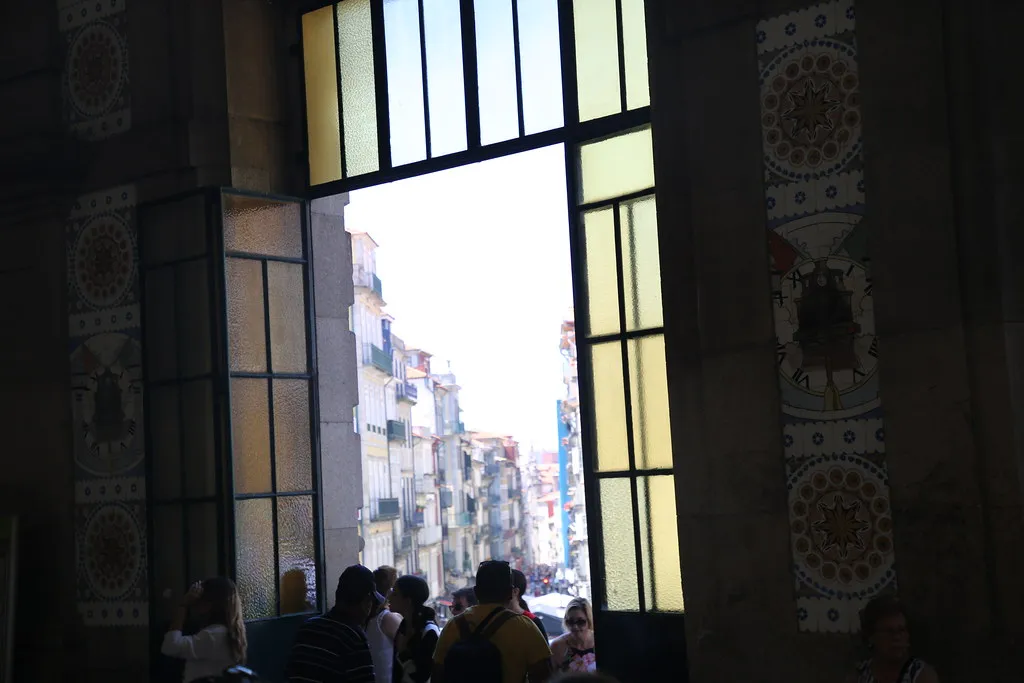
Ribeira is the UNESCO World Heritage waterfront that appears on every postcard. The medieval houses stack in shades of terracotta and yellow above the Douro, and the morning light here is genuinely exceptional. River cruises through the six bridges cost around €18 per adult for a one-hour trip — worth it at least once.
The tradeoff is steep. Ribeira has a steepness rating of 9 out of 10. Many streets are pure staircases, and rolling luggage is essentially impossible. Visitors with mobility issues should look seriously at Cedofeita or Boavista instead. Restaurant prices on the Cais da Ribeira promenade run 20–30% above the city average because of the view premium — walk two alleys back for better food at honest prices.
- Pros: unbeatable river views, walkable to all historic sights, romantic atmosphere after the day-trippers leave by 20:00
- Cons: very steep terrain, heavily touristy, waterfront restaurants overpriced, noise from street musicians until late
The Pestana Vintage Porto Hotel sits directly on the riverfront and occupies a converted 18th-century palace. It is the best address in Ribeira for atmosphere, with rooms starting around €150 per night. For a quieter option within walking distance, the 1872 River House is a smaller boutique choice that feels far less crowded.
River cruises through Porto's six bridges depart from Cais da Ribeira and cost around €18 per adult for a one-hour trip. Book the early-morning departure if possible — the waterfront crowd thins out noticeably before 10:00.
Cedofeita: Best for Artsy Vibes and Local Cafes
Best for: couples, design-conscious travelers, and anyone who wants a quiet base within easy walking distance of the historic center.
Cedofeita is the trendiest neighborhood in Porto by local consensus. The main draw is Rua Miguel Bombarda, a single street dense with independent art galleries, concept stores, and small design studios. Centro Comercial Bombarda hosts an organic market on Saturday mornings that draws a genuinely local crowd. An espresso here costs under €1.20 — compare that to €2.50 at the tourist cafes near Lello.
The steepness rating is a very manageable 3 out of 10. Flat enough to walk comfortably with a suitcase, close enough to Baixa to reach major sights in 15 minutes on foot. It is also served by both the Lapa and Marquês metro stations on Line D, giving fast access to the airport and the whole city. This is where I would stay on a return visit when the novelty of Ribeira has worn off.
- Pros: flat terrain, excellent local cafe scene, Metro Line D access, quiet nights, proximity to center without the crowds
- Cons: fewer restaurants than Baixa, less iconic visually, can feel quiet after 22:00
Oporto Serviced Apartments Cedofeita offers well-equipped self-catering apartments ideal for stays of three nights or more. The bnapartments Carregal is a reliable mid-range apartment hotel with a local feel. Both sit within a five-minute walk of the gallery strip.
Boavista: Best for Modern Hotels and Music Lovers
Best for: business travelers, music enthusiasts visiting Casa da Música, and anyone who wants a flat neighborhood with international-standard hotels.
Boavista is where Porto becomes a modern European city. The wide Avenida da Boavista is lined with corporate headquarters, international hotels, and shopping centers. It lacks the historic texture of the older districts, but it compensates with flat streets, large hotels with parking, and proximity to two of Porto's best cultural venues. Casa da Música — the extraordinary concert hall by Rem Koolhaas — is right here, with guided tours at €12 and a full season of concerts from September through June. The Serralves Museum of Contemporary Art is a 20-minute walk and is open until 19:00 most days at €20 for full access.
The steepness rating is 2 out of 10. This makes it the best choice for visitors with limited mobility who still want to be within the city proper. The Casa da Música metro station on Line D puts you eight minutes from São Bento and also connects directly to the airport in under 30 minutes with no changes.
- Pros: flat terrain, large modern hotels, excellent metro access, world-class cultural venues nearby, quiet residential streets
- Cons: no real nightlife, feels corporate, further from the riverfront and Ribeira (25 minutes on foot)
The Sheraton Porto Hotel & Spa and the Crowne Plaza Porto are the flagship business hotels in this area, typically ranging from €130 to €220 per night. Both have full gym and pool facilities, which are hard to find in the older city-center hotels.
Foz do Douro: Best for Beach Access and Quiet Nights
Best for: travelers who want Atlantic coastal access, families, and anyone who finds the historic center too noisy.
Foz is where the Douro meets the ocean, and the promenade here feels a world away from the cobblestoned chaos of Ribeira. The lighthouse at the river mouth is free to visit, and the rocky beaches along Avenida do Brasil are quiet in the mornings. Foz has a genuine local-residential feel — the people eating in the restaurants actually live here, which keeps quality high and prices honest. Expect €12–€18 for a main course at a seafood restaurant, compared to €20–€28 on the Ribeira waterfront.
Getting here is the main consideration. Foz is 5 km west of the historic center. The historic Tram 1 (Line 1E) takes you there in around 30 minutes from Infante for €3 per ride and is a pleasant scenic journey along the river. The 500 bus is faster at 20 minutes and costs €2 with an Andante card. There is no metro station in Foz itself, so budget an extra 25 minutes of transit compared to a central base. The promenade is entirely flat, steepness rating of 1 out of 10.
- Pros: flat terrain, Atlantic ocean access, quietest nights of any listed neighborhood, authentic local restaurant scene, large apartments available at good value
- Cons: no metro, requires bus or tram to reach the historic center, limited nightlife, can feel isolated for solo travelers
Porto River apartments and several well-reviewed guesthouses in this area typically run €90–€150 per night. The extra transit time is offset by what you save on dinner compared to the tourist waterfront.
Baixa & Sé: Best for Sightseeing and Historic Atmosphere
Best for: first-timers who want maximum walkability to landmarks, and travelers on a two-night city break with no time to waste on transit.
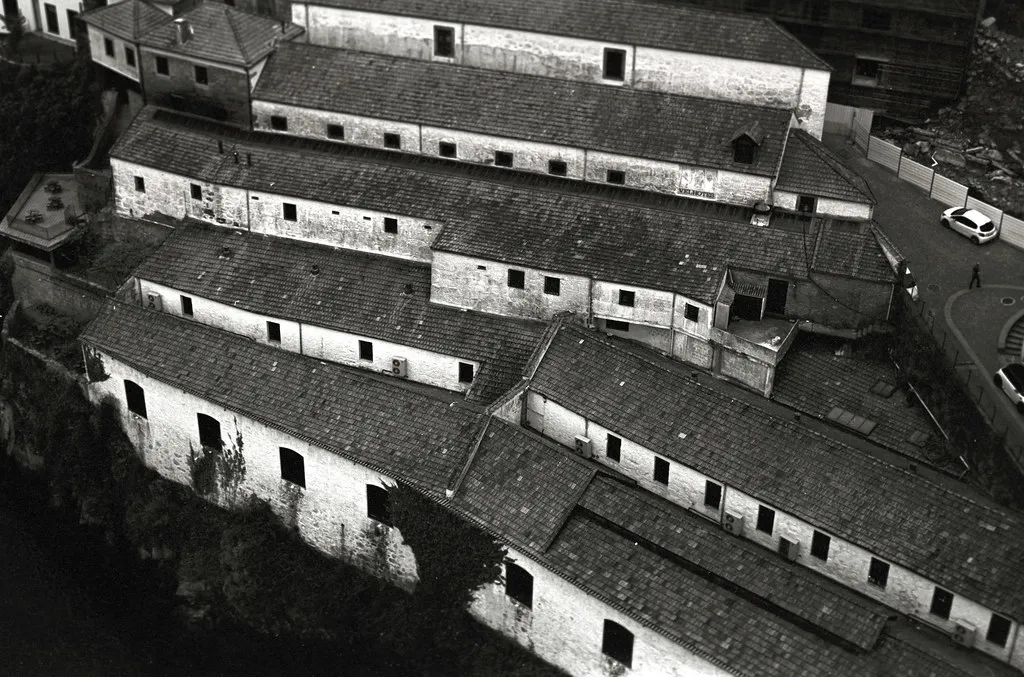
Baixa is the practical center of Porto. São Bento Station — one of the most beautiful train stations in the world for its azulejo tile murals — is here. Lello Bookstore is a five-minute walk (tickets cost €8, redeemable against a book purchase, and must be booked in advance). Most of Porto's best-known restaurants and bars cluster in a ten-block radius. The steepness rating is 6 out of 10: the main streets slope sharply but are paved and well-lit, and the funicular dos Guindais provides a €3.50 shortcut between the riverfront and the upper city.
One honest warning: Galerias de Paris, the bar strip that runs through the center of Baixa, generates noise until 04:00 on weekends. If you book a hotel within one block of this strip you will not sleep before 03:00 on a Friday or Saturday. Choose accommodation on the quieter Sé side of the district — around Rua de São João or above the cathedral — or use earplugs. The Sé sub-district is Porto's oldest quarter and has a steepness rating of 10 in places, with stone staircases that demand proper footwear.
- Pros: unbeatable walkability to all landmarks, São Bento train station on your doorstep, widest restaurant choice in the city
- Cons: loud on weekend nights near Galerias de Paris, moderate to steep terrain, tourist prices at most cafes on the main drags
The Intercontinental Porto – Palácio das Cardosas occupies a stunning neoclassical palace on Praça da Liberdade and is the best luxury option in Baixa, with rooms from €180 per night. For mid-range value, PortoBay Teatro on Rua Sá da Bandeira offers strong central positioning at around €120–€150.
Aliados & Bolhão: Best for Luxury Shopping and Centrality
Best for: travelers who want the grandest address in Porto, access to upscale shopping, and central transport connections in every direction.
Avenida dos Aliados is Porto's most impressive boulevard — Art Nouveau facades, the City Hall at the top, and a wide pedestrianized axis that turns golden in the evening light. This is where you find Porto's most prestigious hotels and where major public events are held. The renovated Mercado do Bolhão, a two-story iron market hall on Rua Formosa, is now fully restored and a genuine pleasure for food shopping and local cheese and charcuterie. A coffee in a cafe on Aliados costs €1.80–€2.50 — still tourist-priced but less extreme than Ribeira.
The Aliados metro station on Line D connects you to the entire city and the airport in under 35 minutes. The steepness rating is 4 out of 10. Streets here are wide and paved, nothing like the stone staircases of Sé or Ribeira. This area suits travelers who want the convenience of Baixa but in a slightly quieter, more upscale pocket.
- Pros: grandest architecture in Porto, excellent metro access, Bolhão market, wide paved streets, close to everything
- Cons: premium hotel prices, fewer budget dining options, can feel corporate by night when offices close
Bonfim: Best for Budget Stays and Authentic Local Life
Best for: budget travelers, digital nomads, and anyone returning to Porto for a second or third visit who wants to live like a local.
Bonfim is the neighborhood that local guides have been recommending as a "rising area" for several years now, and in 2026 it has arrived. Rua de Bonfim and the streets around it have the best concentration of independent coffee shops, craft beer bars, and traditional Francesinha restaurants outside of the center. A Francesinha — Porto's famous meat-and-beer-sauce sandwich — costs €10–€13 at a local place here, versus €16–€20 at a tourist-oriented restaurant near the riverfront. That price gap adds up quickly over a five-day stay.
Bonfim is served by the 24 de Agosto metro station on Line D, placing it eight minutes from São Bento. The steepness rating is 5 out of 10 — not flat, but nothing like Sé. The residential streets are quiet by 23:00, making it a better sleeping option than Baixa for the same transit convenience. Hotels here run €60–€110 per night for a solid mid-range double.
- Pros: best value accommodation in the city, authentic local restaurants at local prices, Metro Line D access, genuine residential character
- Cons: no major landmarks within walking distance, requires metro for sightseeing, nightlife is quieter than Baixa
Vila Nova de Gaia: The Smarter Base Most Visitors Overlook
Best for: Port wine enthusiasts, budget-conscious travelers who want Ribeira-level views at Bonfim-level prices, and anyone willing to walk five minutes across a bridge to access the city center.
Vila Nova de Gaia sits across the Douro and is technically a separate municipality, which is why most Porto guides either ignore it or treat it as a day-trip destination. That is a mistake. The Cais de Gaia waterfront looks directly at Porto's most photographed skyline — the stacked houses of Ribeira glowing across the river — and hotels here charge 25–40% less than their equivalents on the Porto side because they are outside the UNESCO-designated area. A mid-range hotel room in Gaia runs €70–€130 per night; the equivalent view from Ribeira runs €120–€200.
The Dom Luís I Bridge — whose upper deck is a pedestrian walkway — connects Gaia to Sé and Baixa in a five-minute walk. The lower deck connects via tram to Ribeira. The General Torres metro station on the same Line D puts you in Aliados in six minutes. Gaia also has its own metro stop at Jardim do Morro, right at the top of the bridge, which is the single best viewpoint in greater Porto: the panorama from there of the Douro, the bridges, and the stacked red-roofed city opposite is what most visitors photograph from boats. Port wine cellars — Graham's, Sandeman, Taylor's, Ferreira — line the Gaia waterfront and offer tours and tastings for €15–€30. Most are open daily 10:00–18:00; booking ahead is advisable in July and August.
- Pros: best views of Porto at 25–40% lower hotel prices, five minutes by foot to the historic center, Metro Line D access, Port wine cellars on your doorstep, quieter nights than Baixa
- Cons: technically outside Porto, some visitors feel psychologically distant from the city, waterfront can be crowded with wine-tour groups midday
The 7 Gaia Roaster Apartments offer well-designed self-catering units with direct bridge views from €85 per night. For a riverside hotel with the full skyline panorama, Porto River and aDuquesa Guest House are reliable mid-range choices. This is the closest thing to a sleep-here-if-you-know hack in Porto.
Port wine cellar tours along the Gaia waterfront (Graham's, Sandeman, Taylor's, Ferreira) cost €15–€30 and are open daily 10:00–18:00. Book ahead if visiting in July or August — popular sessions sell out several days in advance.
Miragaia and Marquês: Two Quieter Alternatives
Best for: returning visitors, travelers who want character without crowds, and budget travelers who need good transport and low noise.
Miragaia is a labyrinthine neighborhood of tiled houses wedged between Ribeira and the Museu Nacional Soares dos Reis. It preserves the visual character of the old city — azulejo facades, narrow alleys, river glimpses — without the tourist density. The steepness rating is 7 out of 10, with winding stone paths that require attention. Reach it by walking west along the river from Ribeira or by taking Tram 1. Hotels here run €85–€150 and are typically small boutique guesthouses rather than chain properties. Timbre Virtudes is a notable exception — a genuinely lovely property that punches above its price range.
Marquês is north of Cedofeita and considerably cheaper: rooms run €55–€95, and the Marquês metro station gives fast Line D access. It is a transit-efficient budget base rather than a destination in itself. There are limited restaurants within the immediate neighborhood, but the metro makes Cedofeita's cafes reachable in two minutes. The steepness rating is 3 out of 10. For budget travelers who have exhausted Bonfim options, Marquês is the next best alternative.
Porto Neighborhood Transport Strategy
Understanding one infrastructure rule simplifies every accommodation decision in Porto. Metro Line D (the Yellow Line) runs from the airport through Boavista, Marquês, Aliados, Bolhão, and east to Campanhã train station. Any neighborhood within a five-minute walk of a Yellow Line station connects to the airport in under 35 minutes and to the historic center in under ten. This means neighborhoods like Bonfim (24 de Agosto station) and Marquês are not actually inconvenient — they just lack the river view.
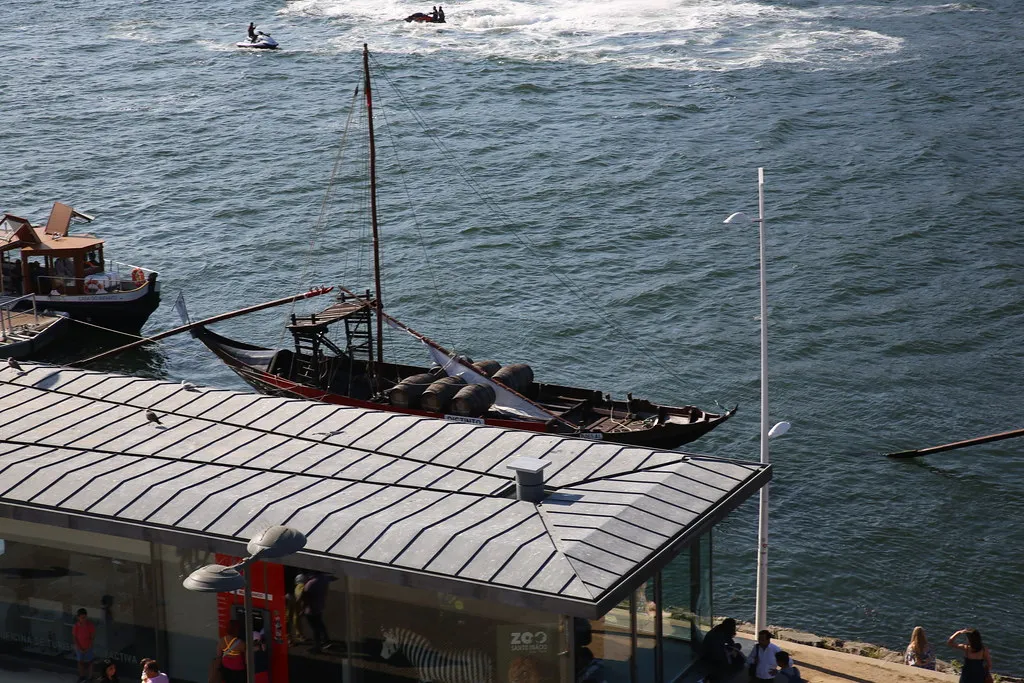
For Foz do Douro, the equation is different. No metro serves the coast. Your options are the 500 bus (20 minutes, €2 with Andante card) or the historic Tram 1 (Line 1E, 30 minutes, €3, runs from Infante terminus near Ribeira). The tram is a scenic experience worth doing once. For daily commuting between Foz and the center, use the 500 bus. Taxis and Uber cover the same journey in 10–15 minutes for €8–€12 depending on traffic.
A note on the Funicular dos Guindais: this three-minute cable car runs between the Ribeira waterfront and the Batalha area at the top of the cliff for €3.50 per ride. It is not part of the Andante pass system, so pay separately. It saves significant energy on a hot afternoon when the alternative is a near-vertical stone staircase. Our 3-day Porto itinerary maps all these transport connections into a practical daily sequence.
For official references, see Visit Porto and Porto City Hall.
Frequently Asked Questions
Which Porto neighborhood is best for first-time visitors?
Baixa is the best neighborhood for first-time visitors because it is centrally located near major sights like the Lello Bookstore. It offers the best transport links and a wide variety of dining options for every budget. Most landmarks are within a ten-minute walk from this district.
Is it safe to walk around Porto neighborhoods at night?
Porto is generally a very safe city for tourists to explore after dark, especially in well-lit areas like Aliados and Ribeira. You should exercise standard urban caution in the narrow alleys of the Sé district. Stick to populated streets and keep an eye on your belongings.
How far is Foz do Douro from the Porto city center?
Foz do Douro is located about five kilometers west of the historic city center. You can reach the coast in twenty minutes by taking the 500 bus or the historic tram. It is a perfect half-day escape for those wanting to see the Atlantic Ocean.
Finding the right neighborhood is the first step toward a successful and memorable trip to Porto. Whether you choose the historic riverfront or the trendy arts district, the city's charm will surely captivate you. I recommend mixing your time between the busy center and the quieter coastal areas for a balanced experience.
To make the most of your visit, take a look at our 3-day Porto itinerary for a complete plan. Remember to pack comfortable shoes and prepare for the many hills that give this city its character. Enjoy your exploration of Portugal's northern gem and its incredible local neighborhoods.
See our Porto attractions guide for the broader city overview.
For related Porto deep-dives, see our best Porto miradouros and Porto rooftop bars.