Best Time to Visit Douro Valley: Seasonal & Month-by-Month Guide
Discover the best time to visit the Douro Valley for wine harvest, mild weather, or budget travel. Includes month-by-month temperatures and local tips.
On this page
Best Time to Visit the Douro Valley
I visited the Douro Valley in late September during the harvest. For most travelers, the best time to visit the Douro Valley is from mid-May to mid-June. These shoulder months offer mild weather and vibrant vineyard colors without the intense summer heat. Updated May 2026 from my autumn 2024 visit to this stunning UNESCO World Heritage site.
Early fall, specifically from September 15 to October 15, provides the iconic wine harvest atmosphere. You will see the vines turn golden while the smell of fermenting grapes fills the air. Planning a trip during this window requires booking your accommodations several months in advance.
Our late-May trip hit a sudden heat spike near Pinhão, so always carry extra water. The valley features a unique climate that locals often describe as having nine months of winter and three months of hell. This guide breaks down exactly what to expect during each month of the year.
Quick Guide: The Best Months to Visit the Douro Valley
Many visitors combine this trip with a stay in the city, so check the best time to visit Porto first. The region is most beautiful when the terrace vineyards are either lush green or fiery orange. Mid-May to mid-June is the sweet spot for photographers wanting to capture the green hills, and late September through mid-October is peak harvest season.
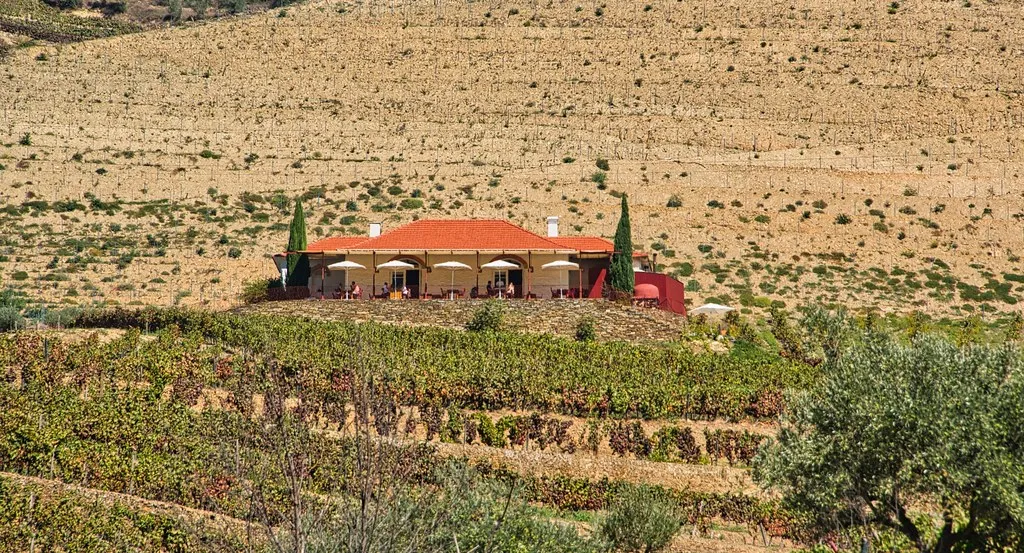
If you prefer cultural events, the harvest in late September is an unbeatable experience. Temperatures during this time usually hover between 18–26°C / 64–79°F. Prices are highest during these peak windows due to the limited number of boutique hotels.
| Period | Weather | Crowds | Prices | Scenery | Activity Access |
|---|---|---|---|---|---|
| April – June | 15–25°C / 59–77°F | Moderate | Mid-range | Lush green vines | Full — all quintas open |
| July – August | 30–40°C / 86–104°F | High | Peak | Dry, dramatic | River cruises, pool stays |
| September – October | 18–26°C / 64–79°F | Very High | Peak | Golden harvest vines | Harvest programs (book months ahead) |
| November – March | 5–14°C / 41–57°F | Low | Budget (-30%) | Bare vines, almonds in Feb | Limited — some quintas closed |
Weather and Climate: Understanding the Douro Microclimates
The Marão Mountains act as a massive barrier against the Atlantic Ocean's cool winds. This geological feature creates a microclimate where temperatures soar much higher than in nearby Porto. Average daytime highs in July often reach 35–40°C / 95–104°F along the river banks, while Porto on the same day might sit at a comfortable 26°C. Never rely on Porto's weather forecast when planning a Douro Valley trip — the Portuguese Institute for Sea and Atmosphere (IPMA) forecast for Vila Real is a far better proxy for valley conditions.
Locals refer to the climate as having nine months of winter and three months of hell. Winter temperatures frequently drop to 5–14°C / 41–57°F, making the nights feel quite crisp. Rainfall is most common between November and March, which keeps the valley fertile. The rain shadow of the Marão Mountains means the eastern parts near Pinhão stay considerably drier than the western Baixo Corgo zone around Peso da Régua.
The table below shows average monthly temperature ranges at the two main towns, based on IPMA historical data.
| Month | Régua (Baixo Corgo) High/Low | Pinhão (Cima Corgo) High/Low |
|---|---|---|
| January | 12°C / 4°C | 10°C / 1°C |
| March | 16°C / 6°C | 15°C / 3°C |
| May | 23°C / 11°C | 22°C / 9°C |
| July | 38°C / 18°C | 40°C / 16°C |
| September | 28°C / 15°C | 27°C / 13°C |
| November | 15°C / 7°C | 13°C / 4°C |
Spring (March – June): Almond Blossoms and Lush Greenery
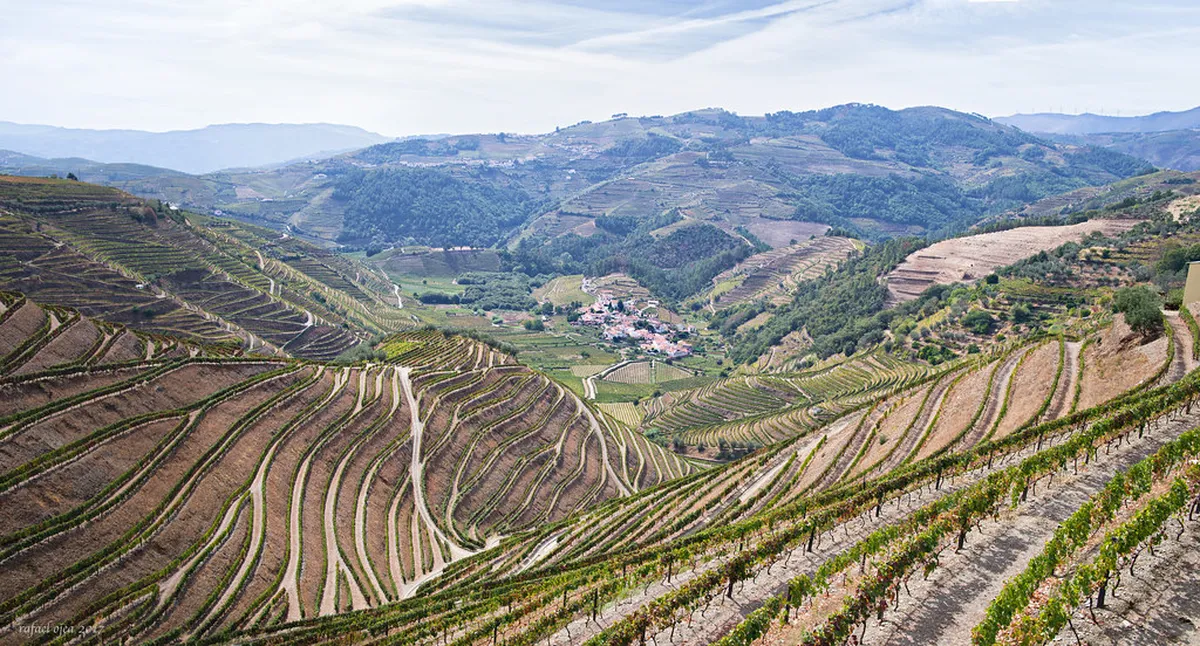
Spring is the most photogenic shoulder season for visitors who are not wine-harvest focused. From mid-March, the schist terraces come alive with fresh green vine growth. By May, the hillsides between Régua and Pinhão are a deep, saturated green that peaks in June before the summer heat bleaches the landscape. Temperatures of 15–25°C / 59–77°F make walking the levadas and quinta paths genuinely comfortable.
April is an underrated month: all the major quintas are open for tastings, river cruise boats are running their full schedules, and crowds have not yet arrived. Prices sit in the mid-range, roughly 15–20% below peak harvest rates. May and June are the busiest spring months, especially around the Pinhão azulejo train station, so book accommodation at least six weeks ahead if you want a riverside quinta.
Consult our Portugal in May guide for additional context on what the broader country looks like during this window. Spring is also the right time if you want to combine the Douro with Porto comfortably in a single trip — the Portugal in September page covers the autumn alternative for that same pairing.
Mid-May to mid-June is the sweet spot for photographers: schist terraces are a deep saturated green, temperatures stay at 15–25°C / 59–77°F, and quinta prices run 15–20% below harvest peak. Book riverside accommodation at least six weeks ahead.
The Almond Blossom Window: Late February to Early March
Between roughly February 20 and March 10, the Douro Valley produces one of the most visually striking spectacles in Portugal. Thousands of almond trees burst into white and pale-pink bloom across the terraced hillsides, creating a snow-like effect that photographers travel specifically to capture. The Douro Superior sub-region east of São João da Pesqueira typically blooms a week earlier than the cooler Baixo Corgo zone near Régua, so monitoring bloom reports from local quintas helps you time the trip precisely.
This window sits firmly in low season, which means hotel rates at even the top quintas can be 25–30% below their September peak. River cruises run reduced schedules, but the scenery from land — particularly the viewpoints above Casal de Loivos and the road between Pinhão and Tedo — is worth the trade-off. Expect cold nights (4–8°C / 39–46°F) and the possibility of morning fog that lifts by mid-morning to reveal the blossoms against a blue sky.
No competitor guide tells you this directly: if you arrive a week too early or too late, the blossoms are gone. Check the Facebook pages of Quinta do Crasto or Quinta da Roêda in early February — they post blossom updates that are more reliable than any published calendar.
Summer (July – August): Navigating the Heat
Summer in the Douro Valley is genuinely extreme. July and August regularly see highs of 38–42°C / 100–108°F at river level, and the valley's topography traps heat between the schist hillsides with no sea breeze to moderate it. The "three months of hell" that locals describe is not hyperbole — even evenings can sit above 30°C / 86°F during heat waves. If you are sensitive to heat, this is the one window to avoid or approach carefully.
That said, summer has real advantages. River cruises on the Douro run multiple daily departures, and the drama of the landscape under a harsh sun produces vivid, high-contrast photography. Most quintas keep their pools open for guests, and a morning winery visit followed by an afternoon by the pool is a genuinely enjoyable itinerary. Book restaurants with air conditioning for lunch — outdoor terraces that look appealing in photos become unbearable by midday.
Harvest can start as early as mid-August in the hottest years, particularly in the Cima Corgo sub-region around Pinhão where the heat accumulates fastest. If you are booking an August trip hoping to catch early harvest activity, contact individual quintas in July to check their anticipated start date. Pre-harvest energy — with estates preparing equipment and final vine management underway — is visible throughout August even before the picking begins.
Harvest Season (September – October): The Ultimate Wine Experience
The "Vindima" or grape harvest usually takes place from early September through early October. Exact dates depend on the sugar levels in the grapes and vary by each specific vineyard. Visiting Portugal in September allows you to witness the traditional grape treading in stone tanks called lagares. Portoalities.com, run by a local guide with four years of harvest tour experience, recommends checking harvest dates annually before finalizing your travel plans.
Many quintas offer special programs where guests can join the pickers in the fields. These experiences are extremely popular and often sell out six months in advance. The energy in towns like Pinhão is electric during this busy agricultural period. Note that hotel and quinta staff are overwhelmed during harvest — book everything including restaurant dinners well ahead, and expect service to be slower than at other times of year.
Harvest participation programs and top quinta stays for September–October fill up 4–6 months in advance. River cruises departing from Porto or Régua during harvest book out 3–4 months ahead — do not leave this to the last minute.
By mid-October, picking is largely done and a quieter golden-autumn window opens. Vine leaves turn deep orange and red, temperatures drop to a comfortable 16–22°C / 61–72°F, crowds thin out, and prices begin to fall. Early October can deliver the visual spectacle of the harvest colors without the logistical pressure of peak Vindima.
Winter (November – February): Quiet Retreats and Lower Costs
Winter in the Douro Valley runs from mid-November through February and offers the region at its most peaceful. Hotel rates at top quintas drop by up to 30%, tour operators offer discounts of 15–20%, and you will often have wine tasting appointments with the winemakers themselves rather than support staff. Temperatures sit between 5–14°C / 41–57°F during the day with cold nights. Rainfall peaks in November and December, tapering by January.
The Portugal in October shoulder season guide covers the transition into this cooler period. Several smaller quintas close their tasting rooms entirely from mid-December through mid-January. River cruise operators reduce to weekend-only or suspend services entirely. Train services on the Douro Line between Porto Campanhã and Pocinho run on a reduced winter timetable, so check schedules on the CP (Comboios de Portugal) website before booking.
Winter is the season for fireplace evenings with aged Tawny Port, spa treatments at luxury quintas, and slow tasting sessions without time pressure. Valentine's week (mid-February) is a popular micro-peak when riverside quintas sell out quickly — book early if that window interests you.
Baixo Corgo vs. Cima Corgo: Why Timing Differs Across the Valley
The Douro Valley is divided into three official sub-regions, and the two most visited — Baixo Corgo (centered on Peso da Régua) and Cima Corgo (centered on Pinhão) — behave differently enough that your timing choice should account for which part of the valley you are staying in. Baixo Corgo sits closer to the Atlantic influence, making it slightly cooler in summer and milder in winter. Cima Corgo, set 25 km further east and deeper into the continental interior, amplifies every seasonal extreme.
In practical terms: harvest in Cima Corgo typically starts 5–10 days earlier than in Baixo Corgo, because the higher accumulated heat speeds up sugar ripening. Spring vine budding follows the same east-west pattern but in reverse — Baixo Corgo vines bud and green up about a week before Pinhão. If you are targeting the absolute peak of green-vine photography, Régua in early May often outperforms Pinhão by a narrow margin. If you want to catch the first harvest pickers, Pinhão in the first week of September is your target.
Most generic travel guides treat the Douro Valley as a uniform destination and publish a single harvest date range. The reality is that a trip planned for a specific quinta near Pinhão can see harvest two weeks before a quinta of similar size closer to Régua in the same year. When booking harvest experiences for 2026, always confirm directly with the quinta which sub-region they are in and their own anticipated start date.
Essential Planning Factors: Transport, Pacing, and Booking Windows
The Douro Valley is not easy to navigate without a car. The Douro Line train from Porto Campanhã to Pocinho (via Régua and Pinhão) is scenic and affordable — about €15 one-way to Pinhão — but it runs infrequently (4–5 trains per day) and drops you in town centers rather than at quinta gates. Most wine estates sit 3–8 km from the nearest station on steep roads. Without a car, you are dependent on taxis (scarce in small villages), pre-booked guided tours departing from Porto, or choosing quintas that offer pickup.
Booking windows vary significantly by season. During harvest (September–October), top quinta stays and harvest participation programs should be reserved 4–6 months ahead. River cruises departing from Porto or Régua during harvest fill 3–4 months out. For spring visits (April–June), 6–8 weeks lead time is usually sufficient. Winter requires minimal advance booking except for Valentine's week and Christmas/New Year periods.
| Season | Months | Book Quinta Stays | Book River Cruises | Book Harvest Programs |
|---|---|---|---|---|
| Harvest | Sep – Oct | 4–6 months ahead | 3–4 months ahead | 4–6 months ahead |
| Spring | Apr – Jun | 6–8 weeks ahead | 2–4 weeks ahead | N/A |
| Summer | Jul – Aug | 4–6 weeks ahead | 2–3 weeks ahead | N/A (pre-harvest only) |
| Almond Blossom | Late Feb – Mar | 1–2 weeks ahead | Check schedules (reduced) | N/A |
| Winter | Nov – Feb | 1–2 weeks ahead (exc. Valentine's week) | Weekend-only or suspended | N/A |
Pacing matters more in the Douro than in most wine regions because distances between estates are deceptive on a map. Steep schist roads slow driving speeds dramatically. Plan no more than two or three quinta visits per day, leave buffer time for viewpoint stops, and factor in that many tastings are appointment-only regardless of season. A minimum of two nights in the valley — ideally three — allows you to experience the landscape at different times of day without feeling rushed.
Use our Portugal weather by month hub to compare other months and regions.
Frequently Asked Questions
When are the vineyards green in the Douro Valley?
Vineyards are most vibrant and green from mid-May through late June. This period follows the spring rains and precedes the intense summer heat. You will enjoy lush landscapes and mild temperatures during this window.
When is the harvest season in the Douro Valley?
The harvest typically occurs from early September to early October. Dates vary annually based on the weather conditions during the growing season. It is the busiest and most festive time to visit the region.
Is winter a good time to visit the Douro Valley?
Winter is ideal for budget travelers seeking peace and quiet. While some quintas close, you will find lower hotel prices and fewer crowds. Be prepared for chilly nights and occasional rain between November and February.
The Douro Valley is a spectacular destination regardless of when you choose to visit. If you are planning Portugal in May, the Douro is particularly lush. Whether you want the harvest energy or spring blooms, timing your trip carefully ensures the best experience.
Always remember to book your favorite quintas and river cruises well in advance. Enjoy the world-class wines and breathtaking views of this unique Portuguese treasure.