15 Best Miradouros and Viewpoints in Porto (2026)
Discover the 15 best miradouros and viewpoints in Porto. From iconic sunset spots to hidden gems, plan your perfect photography route with our local guide.
On this page
15 Best Miradouros and Viewpoints in Porto
Porto is built on a series of granite ridges that drop sharply to the Douro River, creating natural viewpoints at almost every turn. But not all miradouros are equal. Some face west and are made for sunsets. Others face east across the gorge and are better at dawn. Knowing which is which changes everything about how you plan your day.
This guide covers all 15 best viewpoints in Porto for 2026, explained individually with orientation, cost, crowd level, and effort. Whether you are a first-timer chasing the classic bridge shot or a returning visitor looking for a quieter angle, you will find your spot here. For context on where each neighborhood sits, the Porto neighborhoods guide explains the city's layout before you set out. Comfortable shoes are non-negotiable — allow at least a half-day if you plan to hit three or more spots on the same route.
Top 5 Viewpoints at a Glance
These five spots form the backbone of any Porto viewpoint route. They cover the city's most iconic angles and between them represent the full spectrum of effort, cost, and crowd density.
- Miradouro da Serra do Pilar — Free. Low effort. Crowds: 4/5. Best for: sunset photographers and first-timers.
- Miradouro da Vitória — Free. Moderate walk. Crowds: 3/5. Best for: wide-angle city shots, morning light.
- Rooftop of Porto Cathedral (Sé do Porto) — Paid (around €3). Moderate stairs. Crowds: 3/5. Best for: azulejo foreground shots, late afternoon.
- Upper Deck of Dom Luís I Bridge — Free. Flat walk. Crowds: 5/5. Best for: classic river panorama, any time of day.
- Jardim do Morro — Free. Easy. Crowds: 4/5. Best for: romantic sunset picnics, social atmosphere.
The remaining ten spots range from quiet neighbourhood terraces to a rooftop car park with zero tourist signage. All are covered below in the order you would logically walk them on a single route starting from the city centre and looping through Vila Nova de Gaia.
| Viewpoint | Cost | Best Time | Crowd Level | Wheelchair Friendly |
|---|---|---|---|---|
| Serra do Pilar | Free | Sunset (west-facing) | 4/5 | Yes |
| Miradouro da Vitória | Free | Sunrise (southeast-facing); gate opens 09:00 | 3/5 | No |
| Porto Cathedral Rooftop | ~€3 | Late afternoon (15:00–18:00) | 3/5 | No (spiral stairs) |
| Upper Deck, Dom Luís I Bridge | Free | Any (golden hour best) | 5/5 | Yes (lift at Gaia end) |
| Jardim do Morro | Free | Sunset picnic (social) | 4/5 | Yes (flat grass) |
| Jardins do Palácio de Cristal | Free | Late afternoon (west-southwest) | 2/5 | Yes (wide flat paths) |
| Grilos Church Terrace | €2–€4 | Morning (Tue–Sun, 10:00–18:00) | 1/5 | No |
Miradouro da Serra do Pilar
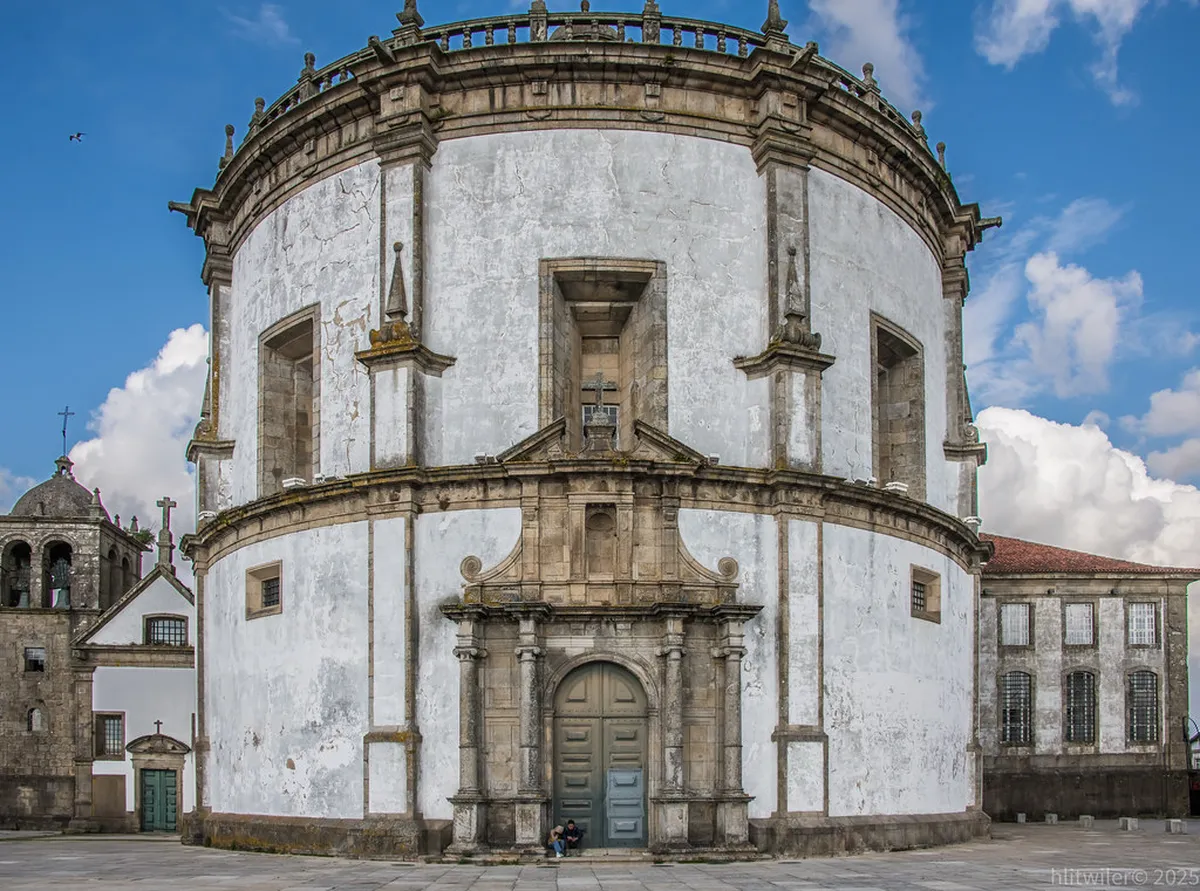
This circular monastery terrace in Vila Nova de Gaia is the single most photographed viewpoint in Porto. From the stone wall you can see the full span of the Dom Luís I Bridge, the Ribeira waterfront, and the Clérigos Tower rising above the roofline on the Porto side. It faces northwest, which means the sun sets directly behind the city from late afternoon onward — this is a purpose-built sunset spot.
The outdoor balcony is free and accessible 24 hours a day. The monastery itself charges a small entry fee for guided tours, but most visitors come for the terrace alone. Arrive 45 minutes before sunset to secure a position along the wall. By 30 minutes before, the best angles are taken. Google Maps: Serra do Pilar, Largo Aviz, Vila Nova de Gaia.
Photography tip: a 35–50mm equivalent captures the full bridge in frame. A telephoto (85–135mm) compresses the towers against the terracotta rooftops beautifully. The light turns amber between 19:00 and 20:30 in summer.
Miradouro da Vitória
Tucked behind the Igreja da Vitória in the old Jewish Quarter, this terrace feels like a local secret even though it appears on every major list. The site is a small open lot — slightly rough around the edges, with peeling walls and uneven ground — but the view over the terracotta rooftops toward the bridge is genuinely excellent. The Cathedral and Bishop's Palace fill the mid-ground. On clear mornings the Douro glints below.
Access is free. The metal gate opens daily at 09:00 and locks at 20:00 — this is not flexible. If you arrive at 20:01, you are looking through bars. Plan accordingly, especially if you are hoping to catch the magic hour light. Google Maps: R. de São Bento da Vitória 11, Porto.
This spot faces southeast, which means morning light falls across the rooftops from your right — ideal for detail shots of the layered city texture. Bring a wide-angle lens (16–24mm) to capture both the rooftop expanse and the bridge in the same frame. Midday crowds here are light compared to Serra do Pilar.
Rooftop of Porto Cathedral (Sé do Porto)
The Sé do Porto sits on one of the highest points in the historic centre, and the cloisters plus upper terrace offer one of the most layered compositions in the city. From here you look out over the Ribeira below while the blue-and-white azulejo panels of the cloister provide a foreground that no other viewpoint in Porto can match. It is the only spot where Portuguese tilework and city panorama appear in the same shot.
Entry to the cathedral is free, but the cloister and upper terrace cost around €3 per adult. Opening hours are 09:00 to 18:30 in summer (April to October) and 09:00 to 17:30 in winter. Check the Porto Cathedral official site for current hours. The terrace faces southwest — late afternoon (16:00 to 18:00) is the best light, with the sun catching the rooftops from the right angle. A paid experience worth every euro.
Upper Deck of Dom Luís I Bridge
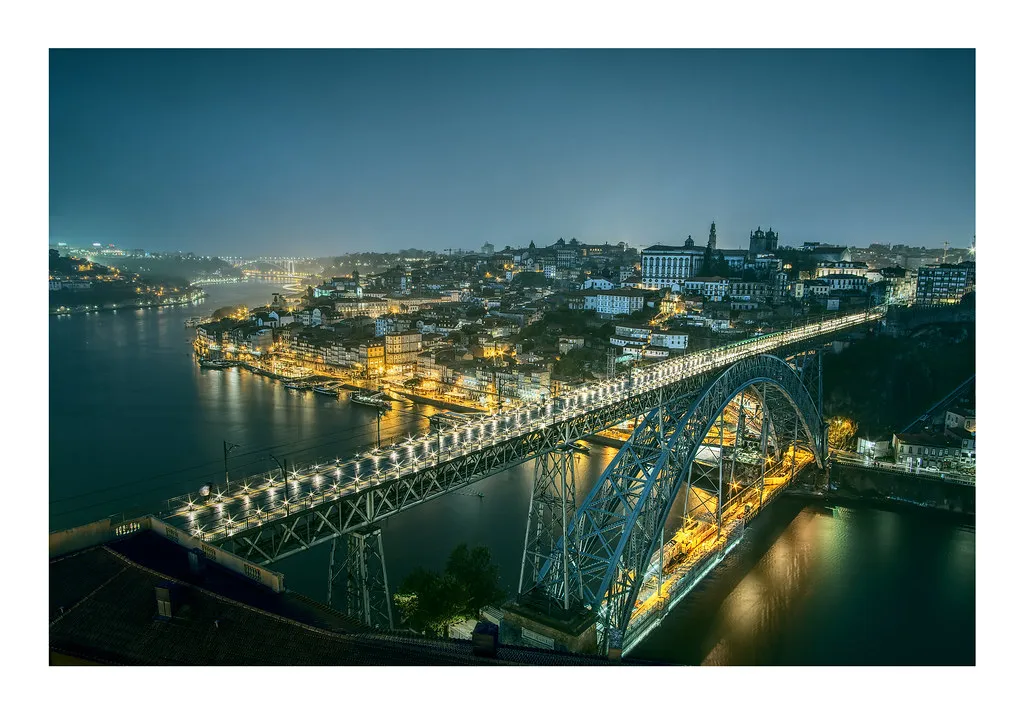
Walking across the top level of the Dom Luís I Bridge is a mandatory experience for any first visit to Porto. At 44 metres above the Douro, the upper walkway gives you an unobstructed look in four directions: the Ribeira behind you, Gaia ahead, the river bending west toward the Atlantic, and the lower bridge deck below carrying road traffic. It is simultaneously a viewpoint and a crossing.
The walkway is free and open at all times. The Metro line D runs through the centre of the bridge, so trains pass roughly every eight minutes — build a wide stance on the walkway when one goes by, as the vibration is noticeable. Google Maps: Dom Luís I Bridge, Porto.
Keep phones and cameras in hand but gripped tightly. Wind on the upper deck can be strong, especially in October through February. This crossing works at any time of day, but at golden hour the warm light bounces off the river and illuminates both the Porto and Gaia waterfronts simultaneously.
Jardins do Palácio de Cristal
These landscaped gardens in the Massarelos neighbourhood sit above the Douro mouth and offer a completely different perspective from the bridge views in the old centre. From the western balconies you can see the Arrábida Bridge, the river widening toward the Atlantic, and on clear days the white surf of the ocean. It is one of the few viewpoints in Porto that shows the river as it approaches the sea rather than cutting through the gorge.
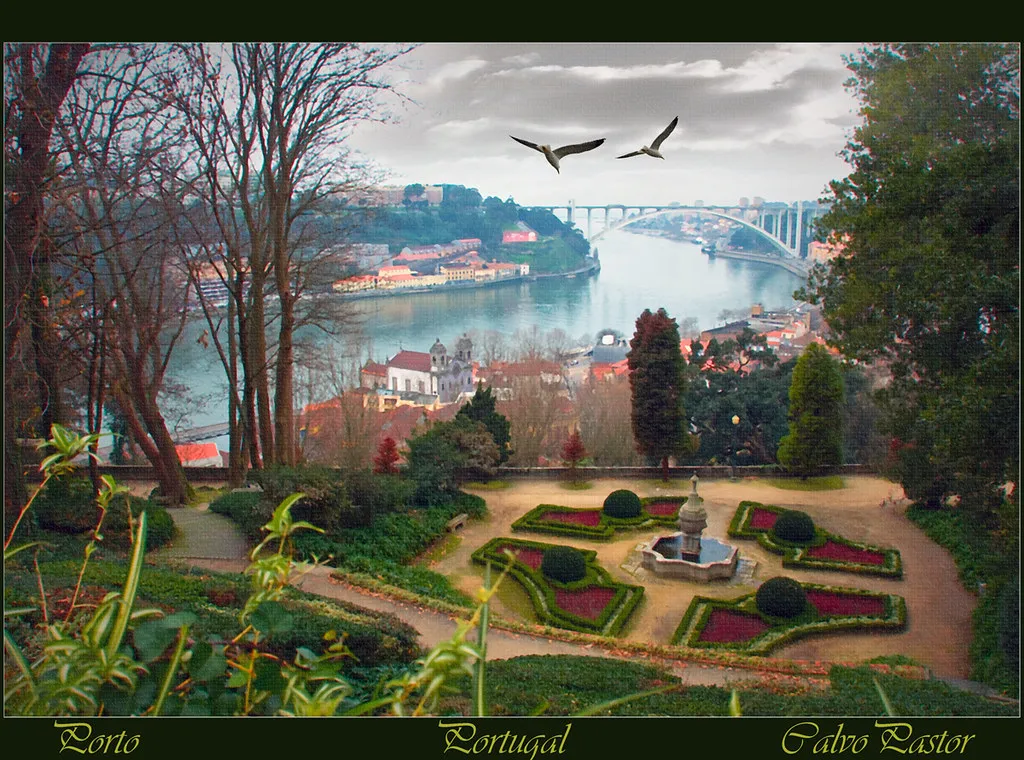
Entry is free. The park opens at 08:00 and closes at 21:00 in summer. The resident peacocks are not shy — they wander the main paths and often appear in foreground shots near the pavilion dome. This is a flat, wide-path garden, which makes it one of the most wheelchair and stroller-friendly viewpoints in the city.
The Arrábida Bridge view faces west-southwest and is excellent in the late afternoon. If you are combining this with a visit to the Museu Nacional Soares dos Reis or the rooftop bars in Massarelos, group them into a single afternoon loop.
Jardim do Morro
This grassy hill on the Gaia side, just below the Serra do Pilar monastery, is Porto's most social viewpoint. Locals arrive in the early evening with blankets and beer from the corner kiosk. Street musicians set up. The view looks directly across the Douro at the Ribeira, with the bridge framing the scene from the right. For a sunset picnic with no ticket cost and no hustle for a wall spot, Jardim do Morro is hard to beat.
The park is free and open at all hours. Reach it from the Gaia side of the upper bridge deck — two minutes on foot. Vila Nova de Gaia municipality site lists seasonal events. The grass slopes gently toward the wall, accessible for most mobility levels.
Miradouro da Igreja de São Lourenço (Grilos)
The Grilos viewpoint, attached to the Igreja de São Lourenço, sits at roughly the same elevation as the Cathedral terrace but draws far fewer visitors. The view is nearly identical in scope: the Ribeira rooftops, the bridge in the middle distance, and the Douro below. The main difference is the atmosphere. You are often the only visitor here, whereas the Cathedral cloisters can feel crowded on busy summer mornings.
Entry to the museum and terrace costs around €2 to €4. Opening hours are Tuesday through Sunday, 10:00 to 18:00; closed Mondays. The climb from the street level is gentler than the Clérigos Tower, making it a practical alternative for visitors who want height without 225 spiral stairs. This is also a genuinely useful tip for families with young children — the stairs are wide and predictable.
From São Bento station it is a five-minute walk — a logical morning stop before the crowds reach the Cathedral two streets away.
Nine More Viewpoints Worth Your Time
These spots are less headline-grabbing but collectively cover angles and neighbourhoods that the famous five miss entirely. Each is worth ten minutes of your time on any half-day walking route.
- Miradouro da Rua das Aldas — A quiet stone balcony just below the Cathedral. Free, always open. Best in morning light when the Bishop's Palace catches low sun from the east. No crowds before 10:00.
- Miradouro Avenida Gustavo Eiffel — A public sidewalk along the riverside road under the bridge. Free. Best for looking upward at the bridge's iron lattice structure. Excellent for night photography when the bridge is lit. Watch for passing traffic on this narrow road.
- Escadas dos Guindais — Steep public stairs connecting Batalha to the riverfront. Free. The route offers framed views of the bridge through the densely packed houses as you descend. Requires solid fitness; the descent alone involves over 100 steps on uneven stone. Not accessible for wheelchairs or strollers.
- Calçada das Carquejeiras — An almost-vertical cobblestone path giving rugged views of the Douro's eastern bridges and the Fontainhas neighbourhood. Free, public, open always. Walk it downhill from Batalha — attempting the uphill from the river is genuinely punishing. Gate closing time does not apply here since it is a public street, but the path is isolated after dark.
- View from the Gaia Cable Car (Teleférico de Gaia) — A five-minute moving panorama over the port wine cellars and the river. One-way ticket costs around €6 to €9 in 2026; check the current schedule as hours change by season. Google Maps: Teleférico de Gaia, Largo Aviz, Vila Nova de Gaia. Ride it downhill for the most dramatic reveal of the Ribeira.
- Jardim das Virtudes — A terraced public garden popular with local students and families. Free, closes at dusk. The view from the lower terraces shows the Douro customs house and the river bending west. Google Maps: Passeio das Virtudes, Porto. One of the most relaxed atmospheres of any viewpoint in the city.
- Passeio das Fontainhas — A traditional neighbourhood balcony with views of the Infante Bridge and the Maria Pia Railway Bridge. Free, always open. Particularly lively during the São João festival (23 June) when the neighbourhood fills with grilled sardines and fireworks. The residential character makes this feel more authentic than any tourist-facing terrace.
- Jardim do Morro Lower Slope (Marginal de Gaia) — The Gaia waterfront itself, directly below Serra do Pilar, offers a ground-level look across the river at the Ribeira. Free, open always. Best for shots that include the row of port wine cellars in the foreground. It is touristy but the riverfront framing is genuinely postcard-quality.
- Estacionamento Duque de Loulé — The top floor of a public car park on the eastern side of the centre. Free to walk up; parking fees apply only if you drive in. The pedestrian level gives an unobstructed east-facing view of the city's upper skyline, including rooftops and church towers that most guide books ignore. Open 24 hours. A genuine hidden-in-plain-sight spot that even long-term Porto residents often haven't visited.
When to Go: Sunrise vs. Sunset for Each Viewpoint
Porto's gorge runs roughly east to west along the Douro, and the city rises steeply on the north bank. This means each viewpoint has a dominant orientation that determines the quality of light at different times of day. Getting this right is the single most practical thing you can do before building a photography itinerary — and it is something no competitor guide covers with specifics.
For sunset, the west-facing spots are where you want to be: Serra do Pilar, Jardim do Morro, and Jardins do Palácio de Cristal all face the direction the sun drops into, illuminating Porto's Ribeira facade in direct warm light from about 17:30 to 20:30 in summer. The Upper Bridge Deck works at sunset too, though you share the walkway with metro trains and a heavy flow of tourists. The Cathedral terrace catches late afternoon southwest sun between 15:00 and 18:00 — slightly earlier than the Gaia spots.
For sunrise, cross to the Porto side and look east. Miradouro da Vitória, Passeio das Fontainhas, and Escadas dos Guindais all face east or southeast across the gorge. The first light of day hits the Gaia wine cellars and the Douro from these spots in a way that the sunset-famous terraces never show. Vitória specifically catches low eastern light on the rooftops between 07:00 and 09:00 in summer. The gate opens at 09:00, which means the best morning light is actually just gone by opening time — arrive precisely at 09:00 for the tail end of the golden hour. In winter, opening time aligns better with sunrise, making December and January the best months for a Vitória dawn shot.
Midday photography is generally tough — Atlantic haze flattens contrast. Use midday for the Escadas dos Guindais (shadows between buildings create interest throughout the day) or the cable car ride, where height compensates for flat overhead light.
Miradouro da Vitória's gate opens at 09:00 — arrive exactly at opening to catch the tail end of summer golden hour on the Gaia rooftops. In December and January, sunrise aligns better with the 09:00 opening, making winter the best season for dawn photography here.
Accessibility Guide to Porto Viewpoints
Porto is a challenging city for anyone with limited mobility. Most historic viewpoints involve either steep cobblestone climbs or long stairways with no lift. However, several spots are genuinely accessible with the right planning.
Wheelchair and stroller-friendly: Jardim do Morro (flat grass, Gaia side of the upper bridge), Jardins do Palácio de Cristal (flat wide paths), the Upper Deck of Dom Luís I Bridge (flat walkway reached via lift at the Gaia end), and Jardim das Virtudes upper terrace (gentle slope, no stairs). Marginal de Gaia (the Gaia waterfront promenade) is also flat and fully walkable.
Not accessible: Escadas dos Guindais (hundreds of steep uneven steps), Calçada das Carquejeiras (near-vertical cobblestone), Clérigos Tower (225 narrow spiral stairs), and the Cathedral cloister upper terrace (stone spiral stairs, no lift). The Porto public transport guide covers the Funicular dos Guindais — around €4 return — which runs alongside the staircase and is a practical alternative if the climb is not an option.
Porto's cobblestone paths and steep stairways can be hazardous in wet weather — the granite becomes extremely slippery after rain. Sturdy shoes with grip are essential; avoid smooth-soled footwear on routes like Calçada das Carquejeiras or Escadas dos Guindais.
Frequently Asked Questions
What is the best free viewpoint in Porto?
Miradouro da Serra do Pilar is the best free viewpoint for iconic bridge photos. It offers a 24-hour panoramic terrace overlooking the Douro River and Ribeira district. The walk from the city center across the upper bridge deck is also free.
Where can I see the best sunset in Porto?
Jardim do Morro in Gaia is the most popular spot for sunset because the sun sets directly over the river. For a quieter experience, try Jardim das Virtudes on the Porto side. Both spots offer stunning orange hues reflected on the water.
Are Porto's viewpoints accessible for people with mobility issues?
Jardim do Morro and the upper deck of the Dom Luís I Bridge are flat and wheelchair accessible. However, spots like Escadas dos Guindais involve hundreds of steep stairs. Always check if a funicular or elevator is nearby to assist with the climb.
Porto is a city that rewards those who are willing to look up and explore its many layers. From the historical heights of the Cathedral to the social atmosphere of Jardim do Morro, there is a viewpoint for every mood and every level of fitness. The key is matching your timing to the orientation — face west at sunset, face east at dawn, and you will always be in the best light.
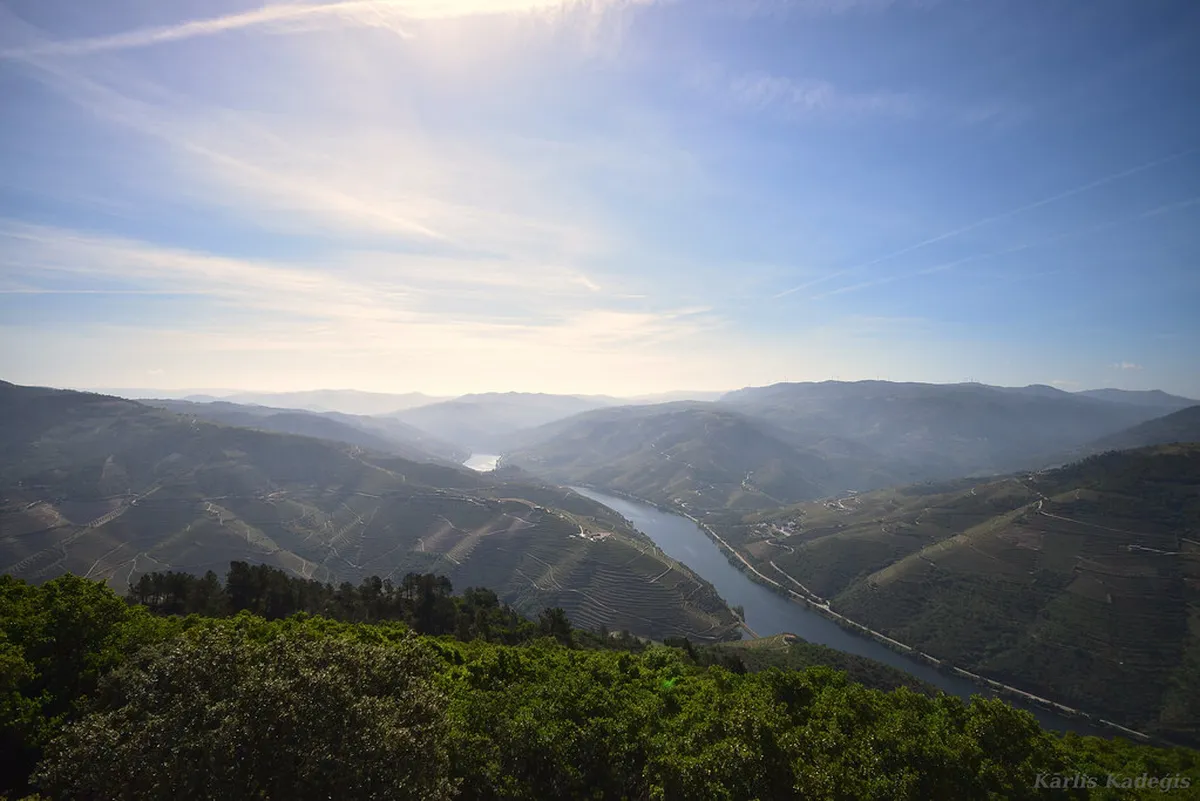
If you have more time in the region, consider a day trip to the Douro Valley for even more dramatic river landscapes. Enjoy the vistas and the unique vertical magic that only Porto can provide.
For related Porto deep-dives, see our Porto neighborhoods guide and Porto rooftop bars.
 10 Best Restaurants in Coimbra (2026)May 26, 2026